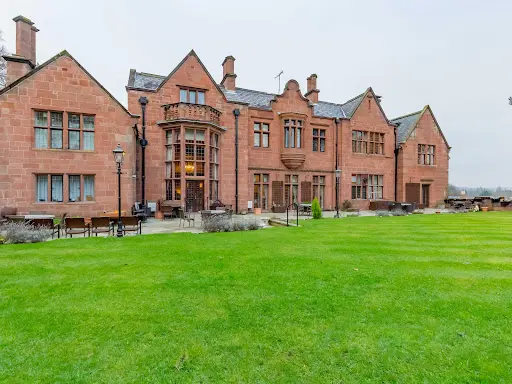
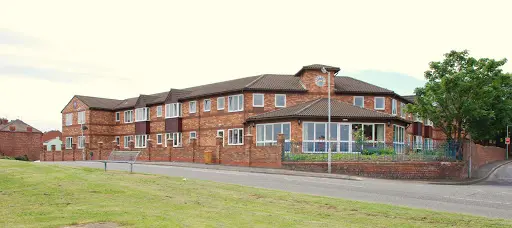
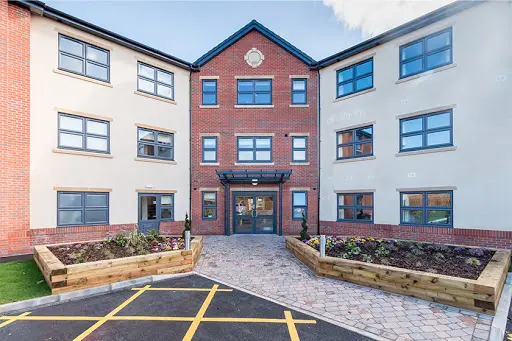
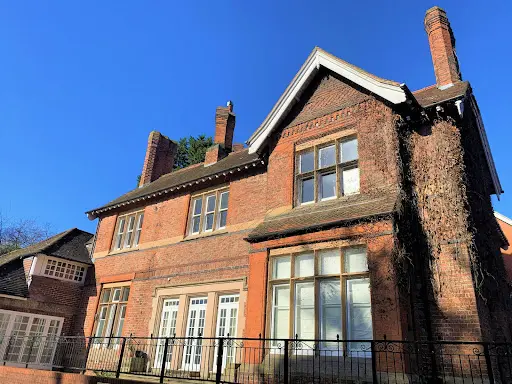
The Manor House Care Home – Bupa

At a Glance
The information you need to decide whether this home warrants a closer look.
Nursing homes
Staff warmth score
of reviewers answered yes
Good to know
- Registered beds59
- SpecialismsCaring for adults over 65 yrs, Caring for adults under 65 yrs, Dementia
- Last inspected2019-09-19
Save The Manor House Care Home – Bupa to your shortlist
Keep a running list, add visit notes, and compare homes side-by-side. Free account — it takes a minute.
STAGE 4 — RESEARCHING CARE HOMES
Visit homes. Compare them side by side. Choose with confidence.
Most of us will view care homes the way we view houses, impression, atmosphere, the feeling in the corridor. We go home, try to remember what we saw, and make a permanent decision from a blurred memory.

The DCC shortlist gives every home you visit a structured record: the same twelve questions, answered the same way, every time. When you’re ready to choose, pull any two homes side by side and compare them directly. Same criteria, same evidence, your notes and your scores.
The Evidence
What the review data, the inspection reports, and the dementia-care evidence base tell us about this home.
What families say
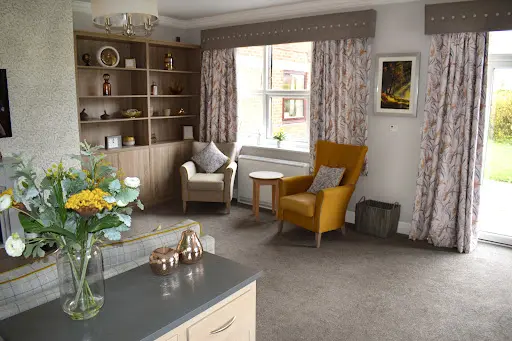
Residents here seem genuinely happy and comfortable, with families reporting visible improvements in wellbeing after admission. The home creates a welcoming environment through seasonal activities that help residents stay engaged and connected.
The eight family priority themes
- Staff warmth72
- Compassion & dignity72
- Cleanliness68
- Activities & engagement55
- Food quality55
- Healthcare68
- Management & leadership72
- Resident happiness65
What inspectors found
Inspected 2019-09-19
Is this home safe?
Is the care effective?
The home was rated Good for effectiveness at the August 2020 inspection, again having previously been rated Requires Improvement. The home specialises in dementia care and provides nursing care, which requires qualified staff and clinical governance. No specific detail is available in the published text on care plan quality, GP access, medicines management, dementia training content, or food provision.Is this home caring?
The home was rated Good for caring at the August 2020 inspection. This domain covers staff warmth, dignity, respect, and independence. The improvement from Requires Improvement to Good indicates that earlier concerns in this area were addressed. No direct quotes from residents or relatives, and no specific inspector observations about staff interactions, are recorded in the published text.Is the home responsive?
The home was rated Good for responsiveness at the August 2020 inspection, covering activities, individual engagement, and end-of-life care. The home is registered for both dementia care and nursing care across a 59-bed service. No specific information on the activities programme, individual engagement for people with advanced dementia, or end-of-life planning is recorded in the published inspection text.Is the home well-led?
The home was rated Good for well-led at the August 2020 inspection. A nominated individual is recorded. The home is operated by Bupa Care Homes (BNH) Limited, a large national provider, which typically brings group-level governance and policy frameworks. The improvement from Requires Improvement to Good across all five domains suggests that leadership was able to identify problems and make sustained changes. No detail on manager tenure, staff culture, incident learning processes, or how families are communicated with is recorded in the published text.
Source: CQC inspection report →
What the evidence base says
The home cares for adults under 65, those over 65, and people living with dementia. They've successfully supported residents transitioning from other care settings. The home welcomes people living with dementia, creating an environment where these residents can feel settled and maintain social connections. All areas worth probing directly during a visit.
The DCC Verdict
Our editorial view, built from the three lenses: what families tell us, what inspectors record, and how the home sits against good dementia-care practice.
DCC Family Score
The Manor House Care Home achieved a Good rating across all five domains at its last full inspection in August 2020, having previously been rated Requires Improvement, which is an encouraging trajectory. However, the published inspection text contains very limited specific detail, so scores reflect the rating itself and the improvement trend rather than rich direct evidence.
Homes in North West typically score 68–82.The three-lens summary
What families tell us
Residents here seem genuinely happy and comfortable, with families reporting visible improvements in wellbeing after admission. The home creates a welcoming environment through seasonal activities that help residents stay engaged and connected.
What inspectors have recorded
Staff and managers are notably approachable and responsive to both residents and their families. However, one family's experience highlighted concerns about staffing levels during palliative care, which led to intervention from local authority and healthcare services.
How it sits against good practice
While most families speak warmly of the care their loved ones receive, it's worth asking about current staffing arrangements and specialist training when you visit.
Worth a visit
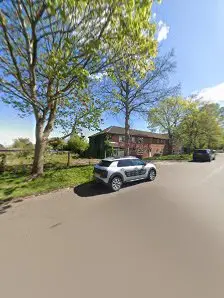
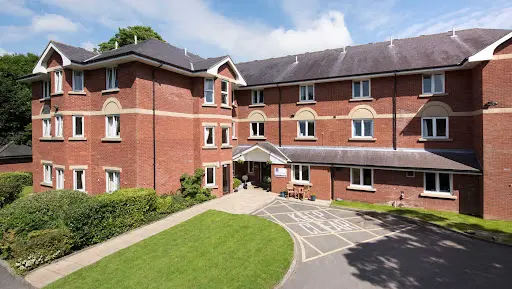
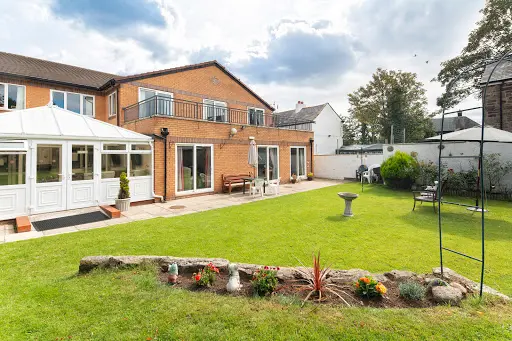
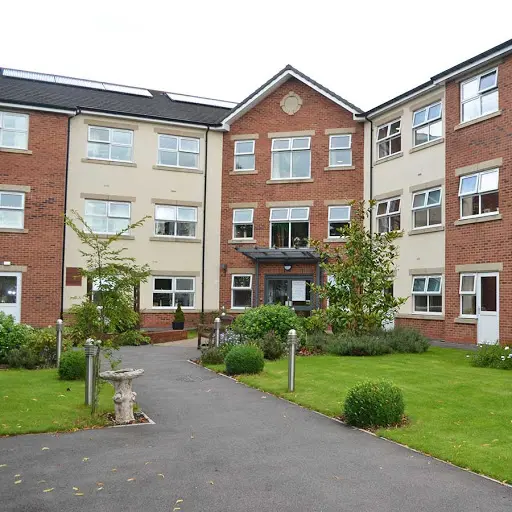
The Manor House Care Home on Moreton Road, Wirral, was rated Good across all five inspection domains at its last full inspection in August 2020. Importantly, this followed a previous rating of Requires Improvement, which means inspectors found that earlier concerns had been addressed across safety, care, staffing, management, and responsiveness. A further review in July 2023 did not identify evidence requiring a reassessment of that rating. The home provides nursing care and specialises in dementia, caring for both adults over and under 65 across 59 beds. The main caution for your visit is that the published inspection report contains very limited specific detail. There are no direct quotes from residents, relatives, or staff recorded in the available text, and no inspector observations describing what daily life looks like inside the home. This means the Good rating tells you the home met the standard at that point, but it does not tell you what it feels like for your parent day to day. The inspection is now several years old. When you visit, focus on what you can observe directly: how staff interact with residents in corridors and communal areas, whether the pace feels unhurried, and whether the manager is visible and known to people. Ask specifically about night staffing numbers, agency staff usage, and how the home keeps families informed of changes in your parent's health.
The three questions to ask when you visitSave this home. Compare it against your shortlist.
Let our analysis show you how The Manor House Care Home – Bupa measures up against the other homes you’re considering. Free account.
In Their Own Words
How The Manor House Care Home – Bupa describes itself — collected from its own website. DCC has not edited or independently verified the content in this tab.
A warm Wirral home where residents find comfort and connection
Compassionate Care in Wirral at The Manor House Care Home
Families describe The Manor House Care Home in Wirral as a place where their loved ones have genuinely settled in and found contentment. The home supports adults both under and over 65, including those living with dementia, and several families have noticed real improvements in their relatives' mood and social engagement since moving in.
Who they care for
The home cares for adults under 65, those over 65, and people living with dementia. They've successfully supported residents transitioning from other care settings.
The home welcomes people living with dementia, creating an environment where these residents can feel settled and maintain social connections.
“While most families speak warmly of the care their loved ones receive, it's worth asking about current staffing arrangements and specialist training when you visit.”
DCC does not edit or curate content in this tab. For independently curated information, see The Evidence and DCC Verdict.
The DCC Verdict
Our editorial view, built from the three lenses: what families tell us, what inspectors record, and how the home sits against good dementia-care practice.
DCC Family Score
The Manor House Care Home achieved a Good rating across all five domains at its last full inspection in August 2020, having previously been rated Requires Improvement, which is an encouraging trajectory. However, the published inspection text contains very limited specific detail, so scores reflect the rating itself and the improvement trend rather than rich direct evidence.
Homes in North West typically score 68–82.The three-lens summary
What families tell us
Residents here seem genuinely happy and comfortable, with families reporting visible improvements in wellbeing after admission. The home creates a welcoming environment through seasonal activities that help residents stay engaged and connected.
What inspectors have recorded
Staff and managers are notably approachable and responsive to both residents and their families. However, one family's experience highlighted concerns about staffing levels during palliative care, which led to intervention from local authority and healthcare services.
How it sits against good practice
While most families speak warmly of the care their loved ones receive, it's worth asking about current staffing arrangements and specialist training when you visit.
Worth a visit
The Manor House Care Home on Moreton Road, Wirral, was rated Good across all five inspection domains at its last full inspection in August 2020. Importantly, this followed a previous rating of Requires Improvement, which means inspectors found that earlier concerns had been addressed across safety, care, staffing, management, and responsiveness. A further review in July 2023 did not identify evidence requiring a reassessment of that rating. The home provides nursing care and specialises in dementia, caring for both adults over and under 65 across 59 beds. The main caution for your visit is that the published inspection report contains very limited specific detail. There are no direct quotes from residents, relatives, or staff recorded in the available text, and no inspector observations describing what daily life looks like inside the home. This means the Good rating tells you the home met the standard at that point, but it does not tell you what it feels like for your parent day to day. The inspection is now several years old. When you visit, focus on what you can observe directly: how staff interact with residents in corridors and communal areas, whether the pace feels unhurried, and whether the manager is visible and known to people. Ask specifically about night staffing numbers, agency staff usage, and how the home keeps families informed of changes in your parent's health.
The three questions to ask when you visitSave this home. Compare it against your shortlist.
Let our analysis show you how The Manor House Care Home – Bupa measures up against the other homes you’re considering. Free account.
In Their Own Words
How The Manor House Care Home – Bupa describes itself — collected from its own website. DCC has not edited or independently verified the content in this tab.
A warm Wirral home where residents find comfort and connection
Compassionate Care in Wirral at The Manor House Care Home
Families describe The Manor House Care Home in Wirral as a place where their loved ones have genuinely settled in and found contentment. The home supports adults both under and over 65, including those living with dementia, and several families have noticed real improvements in their relatives' mood and social engagement since moving in.
Who they care for
The home cares for adults under 65, those over 65, and people living with dementia. They've successfully supported residents transitioning from other care settings.
The home welcomes people living with dementia, creating an environment where these residents can feel settled and maintain social connections.
Management & ethos
Staff and managers are notably approachable and responsive to both residents and their families. However, one family's experience highlighted concerns about staffing levels during palliative care, which led to intervention from local authority and healthcare services.
“While most families speak warmly of the care their loved ones receive, it's worth asking about current staffing arrangements and specialist training when you visit.”
DCC does not edit or curate content in this tab. For independently curated information, see The Evidence and DCC Verdict.