Gemini Care
At a Glance
The information you need to decide whether this home warrants a closer look.
Residential homes
Staff warmth score
of reviewers answered yes
Good to know
- Registered beds44
- SpecialismsDementia, Mental health conditions
- Last inspected2019-08-14
Save Gemini Care to your shortlist
Keep a running list, add visit notes, and compare homes side-by-side. Free account — it takes a minute.
STAGE 4 — RESEARCHING CARE HOMES
Visit homes. Compare them side by side. Choose with confidence.
Most of us will view care homes the way we view houses, impression, atmosphere, the feeling in the corridor. We go home, try to remember what we saw, and make a permanent decision from a blurred memory.

The DCC shortlist gives every home you visit a structured record: the same twelve questions, answered the same way, every time. When you’re ready to choose, pull any two homes side by side and compare them directly. Same criteria, same evidence, your notes and your scores.
The Evidence
What the review data, the inspection reports, and the dementia-care evidence base tell us about this home.
What families say
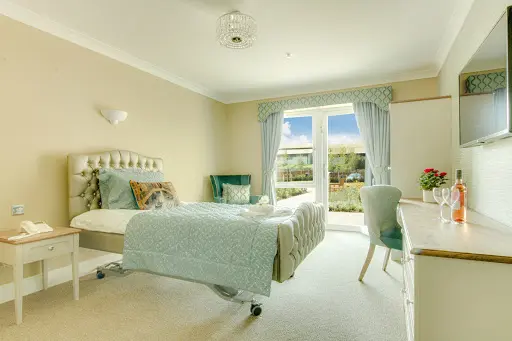
Early signs suggest staff here are genuinely attentive to what residents need day to day. The bedrooms seem thoughtfully laid out to help people feel comfortable and settled.
The eight family priority themes
- Staff warmth45
- Compassion & dignity50
- Cleanliness50
- Activities & engagement40
- Food quality45
- Healthcare55
- Management & leadership35
- Resident happiness45
What inspectors found
Inspected 2019-08-14
Is this home safe?
Is the care effective?
The Effective domain is rated Good at the most recent inspection. This is one of the two domains where the home met expected standards. An Effective rating typically covers care planning, staff training, healthcare access, nutrition, and how well the home works with other professionals such as GPs and community nurses. The home's dementia specialism means inspectors would have considered whether staff have appropriate dementia training and whether care plans reflect individual needs. No narrative detail is available to confirm what specific evidence underpinned this rating.Is this home caring?
The Caring domain is rated Good at the most recent inspection. This domain focuses on how staff treat the people in their care — whether interactions are kind, whether privacy and dignity are respected, and whether people are supported to make choices and maintain independence. For a home specialising in dementia and mental health, this rating indicates inspectors were satisfied with the quality of human interaction during their visit. No direct observations, quotes from residents or families, or specific examples are available from the published text.Is the home responsive?
The Responsive domain is rated Requires Improvement at the most recent inspection. This domain covers whether the home meets individual needs, whether activities are meaningful and accessible, whether complaints are handled well, and whether end-of-life care is planned and compassionate. A Requires Improvement rating means inspectors found at least one specific area that fell short. For a 44-bed home with dementia and mental health specialisms, responsiveness to individual needs is particularly important, as residents may not always be able to express when their needs are not being met.Is the home well-led?
The Well-led domain is rated Requires Improvement at the most recent inspection. This domain assesses whether the home has strong, visible leadership, whether governance systems identify and address problems, whether staff feel supported and able to speak up, and whether the home has a positive culture. The registered manager is Mr Andrew William Lemar, and the nominated individual is Mr Mahmood Dewji of Gemini Care Limited. A Requires Improvement rating in Well-led often indicates weaknesses in oversight, accountability, or how the home responds to its own identified problems.
Source: CQC inspection report →
What the evidence base says
The home provides specialist support for people living with dementia alongside mental health conditions. This dual expertise means they understand how these challenges can overlap and affect each other. Their dementia care recognises that when mental health conditions are also present, a different approach is often needed. Staff work to understand each person's unique combination of needs. All areas worth probing directly during a visit.
The DCC Verdict
Our editorial view, built from the three lenses: what families tell us, what inspectors record, and how the home sits against good dementia-care practice.
DCC Family Score
The Lodge has improved from its previous Requires Improvement overall rating and holds a Good rating in Effective and Caring domains, but three of five domains — Safe, Responsive, and Well-led — are rated Requires Improvement, meaning the inspection identified specific areas where care falls short of expected standards for your parent.
Homes in East typically score 68–82.The three-lens summary
What families tell us
Early signs suggest staff here are genuinely attentive to what residents need day to day. The bedrooms seem thoughtfully laid out to help people feel comfortable and settled.
What inspectors have recorded
How it sits against good practice
If you'd like to see how The Lodge supports people with these complex care needs, arranging a visit could help you decide if it feels right.
Worth a visit
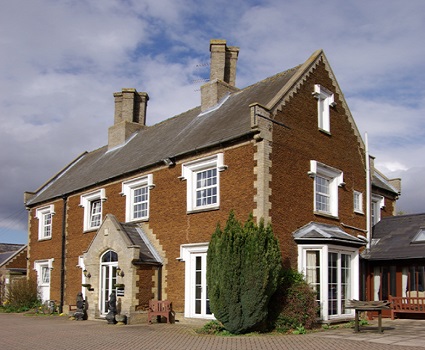
The Lodge, on Old London Road in Ipswich, was assessed on 3 April 2025 — the report was published in March 2026. This is an improvement on its previous overall rating of Requires Improvement, and the home now holds Good ratings in the Effective and Caring domains. Those two ratings suggest that, when inspectors visited, care planning met expected standards and staff were broadly respectful and compassionate in how they treated the people living there. The home is registered for 44 beds and specialises in dementia and mental health conditions. However, three of the five inspection domains — Safe, Responsive, and Well-led — are rated Requires Improvement. That means inspectors identified specific shortfalls in safety, in how well the home responds to individuals' needs and activities, and in leadership and governance. The full narrative of the inspection report was not available for this analysis, so it is not possible to tell you exactly what those shortfalls were. Before placing your parent here, you should request a copy of the full inspection report and ask the registered manager, Mr Andrew Lemar, directly: what were the specific Requires Improvement findings, what has been done to address them, and when does the home expect a follow-up inspection? On your visit, pay particular attention to how staff interact with residents in corridors and communal areas — not just in front of you — and ask how many permanent staff are on the unit after 8pm.
The three questions to ask when you visitSave this home. Compare it against your shortlist.
Let our analysis show you how Gemini Care measures up against the other homes you’re considering. Free account.
In Their Own Words
How Gemini Care describes itself — collected from its own website. DCC has not edited or independently verified the content in this tab.
Specialised dementia and mental health support in East Ipswich
The Lodge – Your Trusted residential home
When someone you love needs both dementia care and mental health support, finding the right place feels overwhelming. The Lodge in East Ipswich specialises in both these complex areas of care. Their focused approach means residents get support that understands the full picture of what they're facing.
Who they care for
The home provides specialist support for people living with dementia alongside mental health conditions. This dual expertise means they understand how these challenges can overlap and affect each other.
Their dementia care recognises that when mental health conditions are also present, a different approach is often needed. Staff work to understand each person's unique combination of needs.
“If you'd like to see how The Lodge supports people with these complex care needs, arranging a visit could help you decide if it feels right.”
DCC does not edit or curate content in this tab. For independently curated information, see The Evidence and DCC Verdict.
The DCC Verdict
Our editorial view, built from the three lenses: what families tell us, what inspectors record, and how the home sits against good dementia-care practice.
DCC Family Score
The Lodge has improved from its previous Requires Improvement overall rating and holds a Good rating in Effective and Caring domains, but three of five domains — Safe, Responsive, and Well-led — are rated Requires Improvement, meaning the inspection identified specific areas where care falls short of expected standards for your parent.
Homes in East typically score 68–82.The three-lens summary
What families tell us
Early signs suggest staff here are genuinely attentive to what residents need day to day. The bedrooms seem thoughtfully laid out to help people feel comfortable and settled.
What inspectors have recorded
How it sits against good practice
If you'd like to see how The Lodge supports people with these complex care needs, arranging a visit could help you decide if it feels right.
Worth a visit
The Lodge, on Old London Road in Ipswich, was assessed on 3 April 2025 — the report was published in March 2026. This is an improvement on its previous overall rating of Requires Improvement, and the home now holds Good ratings in the Effective and Caring domains. Those two ratings suggest that, when inspectors visited, care planning met expected standards and staff were broadly respectful and compassionate in how they treated the people living there. The home is registered for 44 beds and specialises in dementia and mental health conditions. However, three of the five inspection domains — Safe, Responsive, and Well-led — are rated Requires Improvement. That means inspectors identified specific shortfalls in safety, in how well the home responds to individuals' needs and activities, and in leadership and governance. The full narrative of the inspection report was not available for this analysis, so it is not possible to tell you exactly what those shortfalls were. Before placing your parent here, you should request a copy of the full inspection report and ask the registered manager, Mr Andrew Lemar, directly: what were the specific Requires Improvement findings, what has been done to address them, and when does the home expect a follow-up inspection? On your visit, pay particular attention to how staff interact with residents in corridors and communal areas — not just in front of you — and ask how many permanent staff are on the unit after 8pm.
The three questions to ask when you visitSave this home. Compare it against your shortlist.
Let our analysis show you how Gemini Care measures up against the other homes you’re considering. Free account.
In Their Own Words
How Gemini Care describes itself — collected from its own website. DCC has not edited or independently verified the content in this tab.
Specialised dementia and mental health support in East Ipswich
The Lodge – Your Trusted residential home
When someone you love needs both dementia care and mental health support, finding the right place feels overwhelming. The Lodge in East Ipswich specialises in both these complex areas of care. Their focused approach means residents get support that understands the full picture of what they're facing.
Who they care for
The home provides specialist support for people living with dementia alongside mental health conditions. This dual expertise means they understand how these challenges can overlap and affect each other.
Their dementia care recognises that when mental health conditions are also present, a different approach is often needed. Staff work to understand each person's unique combination of needs.
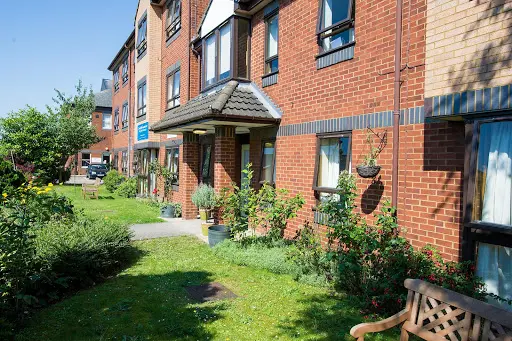
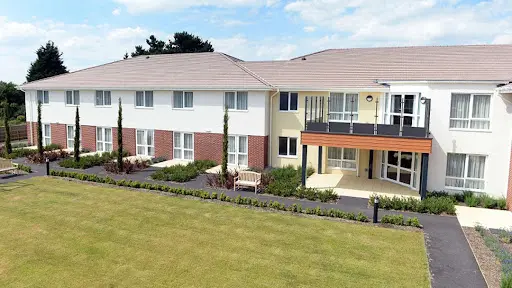
The home & environment
The kitchen team appears to work hard at providing different meal options to suit various tastes and needs. While individual appetites naturally vary, there's a real effort to offer choices that might appeal.
“If you'd like to see how The Lodge supports people with these complex care needs, arranging a visit could help you decide if it feels right.”
DCC does not edit or curate content in this tab. For independently curated information, see The Evidence and DCC Verdict.