The Meadows Care Home – Minster Care Group
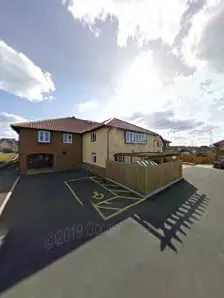
At a Glance
The information you need to decide whether this home warrants a closer look.
Residential homes
Staff warmth score
of reviewers answered yes
Good to know
- Registered beds10
- SpecialismsCaring for adults over 65 yrs, Caring for adults under 65 yrs, Dementia, Physical disabilities
- Last inspected2019-06-07
Save The Meadows Care Home – Minster Care Group to your shortlist
Keep a running list, add visit notes, and compare homes side-by-side. Free account — it takes a minute.
STAGE 4 — RESEARCHING CARE HOMES
Visit homes. Compare them side by side. Choose with confidence.
Most of us will view care homes the way we view houses, impression, atmosphere, the feeling in the corridor. We go home, try to remember what we saw, and make a permanent decision from a blurred memory.

The DCC shortlist gives every home you visit a structured record: the same twelve questions, answered the same way, every time. When you’re ready to choose, pull any two homes side by side and compare them directly. Same criteria, same evidence, your notes and your scores.
The Evidence
What the review data, the inspection reports, and the dementia-care evidence base tell us about this home.
What families say
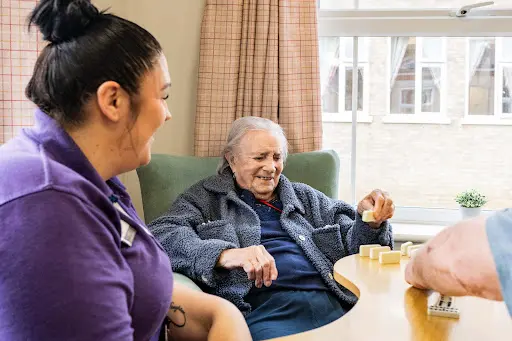
The atmosphere here strikes visitors as both friendly and professional. Families mention how staff create a welcoming environment while maintaining the expertise that gives everyone confidence in the quality of care.
The eight family priority themes
- Staff warmth55
- Compassion & dignity55
- Cleanliness55
- Activities & engagement50
- Food quality50
- Healthcare50
- Management & leadership65
- Resident happiness55
What inspectors found
Inspected 2019-06-07
Is this home safe?
Is the care effective?
The Effective domain was rated Good at the April 2019 inspection. No specific findings about care plan quality, the frequency of GP visits, dementia-specific training content, or food provision are included in the published report. The home's specialism includes dementia and physical disabilities, which requires a higher standard of trained, consistent staff. The published text does not confirm whether that specialism is matched by specific training programmes or care planning approaches.Is this home caring?
The Caring domain was rated Good at the April 2019 inspection. No direct inspector observations of staff interactions, no resident testimony, and no family quotes are recorded in the published report text. The absence of this detail makes it impossible to assess the quality of daily interactions from the published findings alone. Staff warmth is the single most important factor for families choosing a care home, according to DCC review data, and it is the dimension most in need of direct observation here.Is the home responsive?
The Responsive domain was rated Good at the April 2019 inspection. No detail about the activities programme, individual engagement for residents who cannot join groups, or end-of-life planning is available in the published report. The home supports people with dementia and physical disabilities, both of which require tailored, individual approaches rather than a one-size-fits-all activities offer. The published findings do not confirm whether this is in place.Is the home well-led?
The Well-led domain was rated Good at the April 2019 inspection, having previously been Requires Improvement. A registered manager (Ms Helen Margaret Selby) and a nominated individual (Mr Colin William Farebrother) were confirmed in post. No detail about management visibility, staff culture, governance systems, or how the home learns from incidents is available in the published report. The improvement from Requires Improvement to Good in this domain is the most significant single finding available.
Source: CQC inspection report →
What the evidence base says
The home cares for adults both over and under 65, including those living with dementia or physical disabilities. For residents living with dementia, the team's professional knowledge helps create an environment where people feel safe and supported. All areas worth probing directly during a visit.
The DCC Verdict
Our editorial view, built from the three lenses: what families tell us, what inspectors record, and how the home sits against good dementia-care practice.
DCC Family Score
The Hay Wain improved from Requires Improvement to Good across all five domains, which is a meaningful step forward. However, the published inspection report contains very little specific detail, so most scores reflect a confirmed Good rating without the direct observations, quotes, or examples that would push them higher.
Homes in East typically score 68–82.The three-lens summary
What families tell us
The atmosphere here strikes visitors as both friendly and professional. Families mention how staff create a welcoming environment while maintaining the expertise that gives everyone confidence in the quality of care.
What inspectors have recorded
Management takes a hands-on approach that families find reassuring. When questions or concerns arise, families report finding managers accessible and engaged with the daily life of the home.
How it sits against good practice
If you're looking for somewhere that combines professional expertise with genuine warmth, The Hay Wain could be worth exploring.
Worth a visit
The Hay Wain, at Brybank Road in Haverhill, was rated Good across all five inspection domains at its most recent official inspection in April 2019, published in June 2019. This matters because the home had previously been rated Requires Improvement, meaning the team identified problems and addressed them. The home is small, with ten beds, and cares for adults over and under 65, including people living with dementia and physical disabilities. A registered manager was confirmed in post at the time of inspection. The main uncertainty here is significant. The published inspection text contains almost no specific detail about what inspectors actually saw, heard, or read during their visit. There are no staff observations, no resident or family quotes, and no examples of care practice. A Good rating is meaningful, but without that detail it is impossible to assess the quality of daily life for your parent from the published report alone. The inspection also took place in 2019, which means over five years have passed with no published follow-up. Before choosing this home, ask to visit in person, request recent staffing records, and speak directly with the registered manager about what has changed since the last inspection.
The three questions to ask when you visitSave this home. Compare it against your shortlist.
Let our analysis show you how The Meadows Care Home – Minster Care Group measures up against the other homes you’re considering. Free account.
In Their Own Words
How The Meadows Care Home – Minster Care Group describes itself — collected from its own website. DCC has not edited or independently verified the content in this tab.
Professional care teams bring confidence to families in Haverhill
The Hay Wain – Your Trusted residential home
When families describe feeling genuinely confident about their loved one's safety and wellbeing, it speaks volumes. The Hay Wain in Haverhill has earned this trust through staff who bring both professional expertise and warmth to their work. Families talk about accessible management and a clean, active environment where residents feel secure.
Who they care for
The home cares for adults both over and under 65, including those living with dementia or physical disabilities.
For residents living with dementia, the team's professional knowledge helps create an environment where people feel safe and supported.
“If you're looking for somewhere that combines professional expertise with genuine warmth, The Hay Wain could be worth exploring.”
DCC does not edit or curate content in this tab. For independently curated information, see The Evidence and DCC Verdict.
The DCC Verdict
Our editorial view, built from the three lenses: what families tell us, what inspectors record, and how the home sits against good dementia-care practice.
DCC Family Score
The Hay Wain improved from Requires Improvement to Good across all five domains, which is a meaningful step forward. However, the published inspection report contains very little specific detail, so most scores reflect a confirmed Good rating without the direct observations, quotes, or examples that would push them higher.
Homes in East typically score 68–82.The three-lens summary
What families tell us
The atmosphere here strikes visitors as both friendly and professional. Families mention how staff create a welcoming environment while maintaining the expertise that gives everyone confidence in the quality of care.
What inspectors have recorded
Management takes a hands-on approach that families find reassuring. When questions or concerns arise, families report finding managers accessible and engaged with the daily life of the home.
How it sits against good practice
If you're looking for somewhere that combines professional expertise with genuine warmth, The Hay Wain could be worth exploring.
Worth a visit
The Hay Wain, at Brybank Road in Haverhill, was rated Good across all five inspection domains at its most recent official inspection in April 2019, published in June 2019. This matters because the home had previously been rated Requires Improvement, meaning the team identified problems and addressed them. The home is small, with ten beds, and cares for adults over and under 65, including people living with dementia and physical disabilities. A registered manager was confirmed in post at the time of inspection. The main uncertainty here is significant. The published inspection text contains almost no specific detail about what inspectors actually saw, heard, or read during their visit. There are no staff observations, no resident or family quotes, and no examples of care practice. A Good rating is meaningful, but without that detail it is impossible to assess the quality of daily life for your parent from the published report alone. The inspection also took place in 2019, which means over five years have passed with no published follow-up. Before choosing this home, ask to visit in person, request recent staffing records, and speak directly with the registered manager about what has changed since the last inspection.
The three questions to ask when you visitSave this home. Compare it against your shortlist.
Let our analysis show you how The Meadows Care Home – Minster Care Group measures up against the other homes you’re considering. Free account.
In Their Own Words
How The Meadows Care Home – Minster Care Group describes itself — collected from its own website. DCC has not edited or independently verified the content in this tab.
Professional care teams bring confidence to families in Haverhill
The Hay Wain – Your Trusted residential home
When families describe feeling genuinely confident about their loved one's safety and wellbeing, it speaks volumes. The Hay Wain in Haverhill has earned this trust through staff who bring both professional expertise and warmth to their work. Families talk about accessible management and a clean, active environment where residents feel secure.
Who they care for
The home cares for adults both over and under 65, including those living with dementia or physical disabilities.
For residents living with dementia, the team's professional knowledge helps create an environment where people feel safe and supported.
Management & ethos
Management takes a hands-on approach that families find reassuring. When questions or concerns arise, families report finding managers accessible and engaged with the daily life of the home.
The home & environment
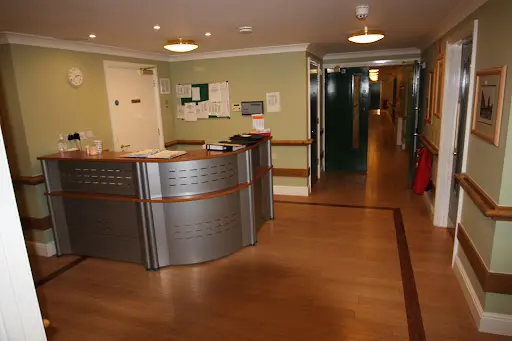
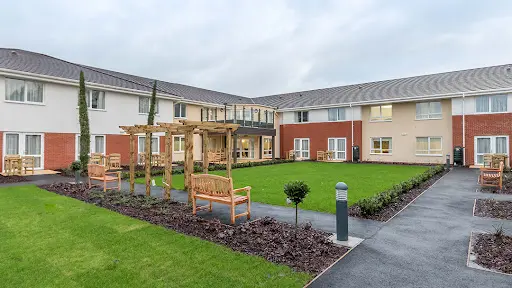
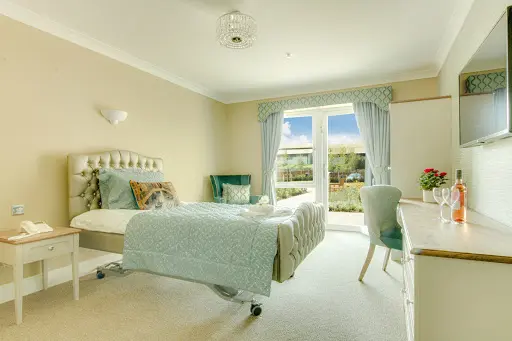
Cleanliness stands out as something families consistently notice and appreciate. The home provides structured activities that keep residents engaged, creating an environment where there's always something happening.
“If you're looking for somewhere that combines professional expertise with genuine warmth, The Hay Wain could be worth exploring.”
DCC does not edit or curate content in this tab. For independently curated information, see The Evidence and DCC Verdict.