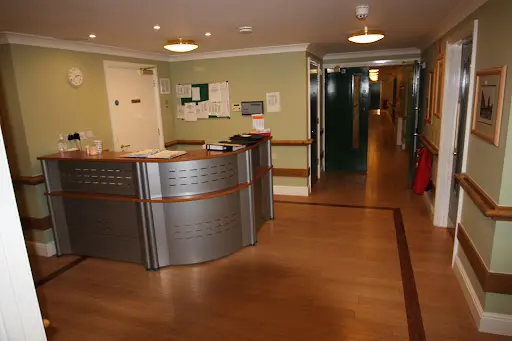
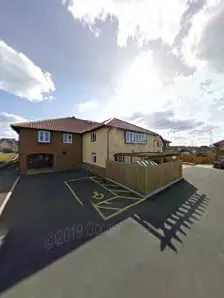
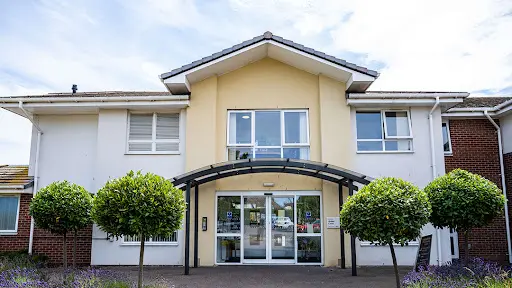
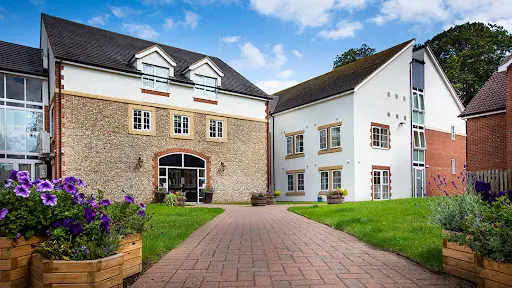
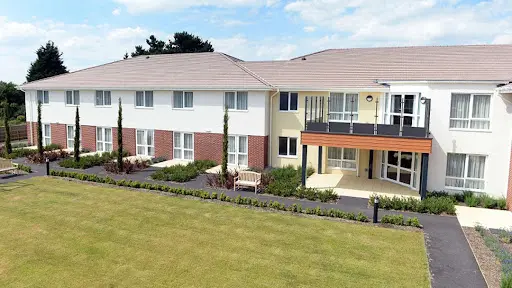
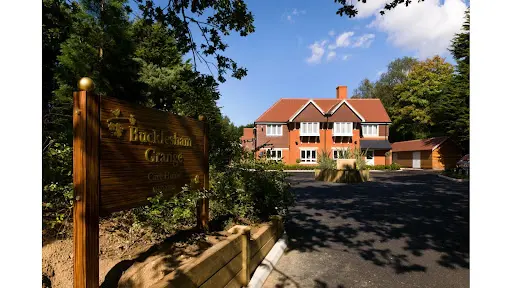
Cleves Place Care Home – Care UK
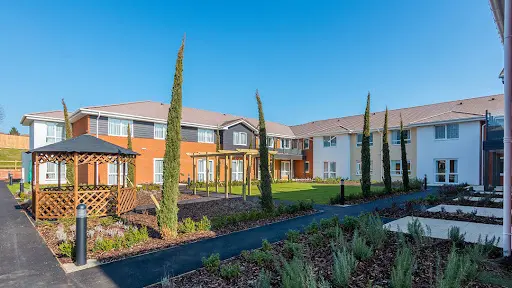
At a Glance
The information you need to decide whether this home warrants a closer look.
Nursing homes
Staff warmth score
of reviewers answered yes
Good to know
- Registered beds60
- SpecialismsCaring for adults over 65 yrs, Caring for adults under 65 yrs, Dementia, Mental health conditions, Physical disabilities
- Last inspected2023-03-23
Save Cleves Place Care Home – Care UK to your shortlist
Keep a running list, add visit notes, and compare homes side-by-side. Free account — it takes a minute.
STAGE 4 — RESEARCHING CARE HOMES
Visit homes. Compare them side by side. Choose with confidence.
Most of us will view care homes the way we view houses, impression, atmosphere, the feeling in the corridor. We go home, try to remember what we saw, and make a permanent decision from a blurred memory.

The DCC shortlist gives every home you visit a structured record: the same twelve questions, answered the same way, every time. When you’re ready to choose, pull any two homes side by side and compare them directly. Same criteria, same evidence, your notes and your scores.
The Evidence
What the review data, the inspection reports, and the dementia-care evidence base tell us about this home.
What families say
Families who've spent time here during difficult periods describe finding real support when they needed it most. The staff appear genuinely approachable, taking time to check in with visitors and respond to requests.
The eight family priority themes
- Staff warmth72
- Compassion & dignity78
- Cleanliness65
- Activities & engagement75
- Food quality55
- Healthcare65
- Management & leadership68
- Resident happiness72
What inspectors found
Inspected 2023-03-23
Is this home safe?
Is the care effective?
The effective domain was rated Good, covering training, care planning, healthcare access, and nutrition. The home is registered for nursing care as well as personal care, which means qualified nurses should be available to monitor health needs. The published summary does not include specific detail on dementia training content, care plan quality, GP access arrangements, or food provision. A Good rating indicates that inspectors did not find significant gaps in these areas.Is this home caring?
Inspectors awarded the caring domain an Outstanding rating, the highest possible. This domain covers staff warmth, dignity, respect for privacy, and how well staff know each person as an individual. An Outstanding rating requires strong, specific evidence observed during the inspection, not merely general compliance. The published summary confirms this rating but does not include the specific observations, resident testimony, or staff interactions that earned it. The full inspection report will contain this detail.Is the home responsive?
The responsive domain was also rated Outstanding, covering activities, engagement, individuality, and end-of-life care. This is the second of the two highest-scoring domains and is particularly significant for families choosing a home for a parent with dementia. An Outstanding rating here suggests inspectors found strong evidence that the home treats each person as an individual and provides meaningful engagement rather than generic group activities. As with the caring domain, the published summary confirms the rating but does not include the specific detail needed to understand what inspectors observed.Is the home well-led?
The well-led domain was rated Good, indicating that inspectors found adequate governance, management oversight, and organisational culture. The registered manager, Mrs Clare Helen Mooney, is named in the registration record, confirming a named leader is in post. Cleves Place is operated by Care UK Community Partnerships Ltd, a large national provider. The home improved from Good overall to Outstanding between its two inspections, which is a positive indicator of leadership effectiveness. Specific detail on management visibility, staff culture, or learning from incidents is not available in the published summary.
Source: CQC inspection report →
What the evidence base says
The home cares for adults both under and over 65, with experience supporting people with dementia, mental health conditions and physical disabilities. While the home lists dementia care as a specialism, specific details about their approach to dementia support would need to be discussed during a visit. All areas worth probing directly during a visit.
The DCC Verdict
Our editorial view, built from the three lenses: what families tell us, what inspectors record, and how the home sits against good dementia-care practice.
DCC Family Score
Cleves Place achieved an Outstanding overall rating, driven by exceptional inspection findings in caring and responsive domains, but the published report text provided for this analysis is very limited, so several scores reflect the domain ratings rather than specific observed detail. Scores will be revised upward if the full report text confirms the depth of evidence suggested by the Outstanding rating.
Homes in East typically score 68–82.The three-lens summary
What families tell us
Families who've spent time here during difficult periods describe finding real support when they needed it most. The staff appear genuinely approachable, taking time to check in with visitors and respond to requests.
What inspectors have recorded
What stands out is how the team responds during the hardest moments. When families have been with loved ones at the end of life, staff have quietly provided practical help — bringing meals, offering essentials, just being there without being asked.
How it sits against good practice
If you're considering Cleves Place, visiting will help you get a feel for whether it's the right fit for your family's needs.
Worth a visit
Cleves Place in Haverhill was rated Outstanding at its most recent inspection in December 2022, with the report published in March 2023. This is the home's second inspection and represents an improvement from its previous Good rating, which is a positive sign about the direction of care under current leadership. Inspectors awarded Outstanding in two of the five domains: caring and responsive. These are the two domains that matter most to families placing a parent with dementia, covering how staff treat your mum or dad day to day and whether your parent will have a life worth living inside the home. The limitation of this Family View is significant and you should be aware of it. The inspection report text available for analysis is a brief published summary rather than the full narrative report. This means that while the domain ratings are confirmed, the specific observations, quotes, and evidence that earned those Outstanding ratings are not available here. A family score of 72 reflects the strength of the domain ratings rather than the depth of direct evidence. Before you visit, download the full inspection report from the official register and look for the detailed findings in the caring and responsive sections. On your visit, ask to see the weekly activity schedule, spend time in a communal area to observe staff interactions for yourself, and ask the manager directly about night staffing ratios and agency staff usage.
The three questions to ask when you visitSave this home. Compare it against your shortlist.
Let our analysis show you how Cleves Place Care Home – Care UK measures up against the other homes you’re considering. Free account.
In Their Own Words
How Cleves Place Care Home – Care UK describes itself — collected from its own website. DCC has not edited or independently verified the content in this tab.
Where families find support through difficult times in Haverhill
Compassionate Care in Haverhill at Cleves Place
When you're facing tough decisions about care, you need somewhere that understands what matters most. Cleves Place in Haverhill supports adults with various needs, including dementia, mental health conditions and physical disabilities. The team here seems to understand that caring extends to the whole family, not just the person receiving care.
Who they care for
The home cares for adults both under and over 65, with experience supporting people with dementia, mental health conditions and physical disabilities.
While the home lists dementia care as a specialism, specific details about their approach to dementia support would need to be discussed during a visit.
“If you're considering Cleves Place, visiting will help you get a feel for whether it's the right fit for your family's needs.”
DCC does not edit or curate content in this tab. For independently curated information, see The Evidence and DCC Verdict.
The DCC Verdict
Our editorial view, built from the three lenses: what families tell us, what inspectors record, and how the home sits against good dementia-care practice.
DCC Family Score
Cleves Place achieved an Outstanding overall rating, driven by exceptional inspection findings in caring and responsive domains, but the published report text provided for this analysis is very limited, so several scores reflect the domain ratings rather than specific observed detail. Scores will be revised upward if the full report text confirms the depth of evidence suggested by the Outstanding rating.
Homes in East typically score 68–82.The three-lens summary
What families tell us
Families who've spent time here during difficult periods describe finding real support when they needed it most. The staff appear genuinely approachable, taking time to check in with visitors and respond to requests.
What inspectors have recorded
What stands out is how the team responds during the hardest moments. When families have been with loved ones at the end of life, staff have quietly provided practical help — bringing meals, offering essentials, just being there without being asked.
How it sits against good practice
If you're considering Cleves Place, visiting will help you get a feel for whether it's the right fit for your family's needs.
Worth a visit
Cleves Place in Haverhill was rated Outstanding at its most recent inspection in December 2022, with the report published in March 2023. This is the home's second inspection and represents an improvement from its previous Good rating, which is a positive sign about the direction of care under current leadership. Inspectors awarded Outstanding in two of the five domains: caring and responsive. These are the two domains that matter most to families placing a parent with dementia, covering how staff treat your mum or dad day to day and whether your parent will have a life worth living inside the home. The limitation of this Family View is significant and you should be aware of it. The inspection report text available for analysis is a brief published summary rather than the full narrative report. This means that while the domain ratings are confirmed, the specific observations, quotes, and evidence that earned those Outstanding ratings are not available here. A family score of 72 reflects the strength of the domain ratings rather than the depth of direct evidence. Before you visit, download the full inspection report from the official register and look for the detailed findings in the caring and responsive sections. On your visit, ask to see the weekly activity schedule, spend time in a communal area to observe staff interactions for yourself, and ask the manager directly about night staffing ratios and agency staff usage.
The three questions to ask when you visitSave this home. Compare it against your shortlist.
Let our analysis show you how Cleves Place Care Home – Care UK measures up against the other homes you’re considering. Free account.
In Their Own Words
How Cleves Place Care Home – Care UK describes itself — collected from its own website. DCC has not edited or independently verified the content in this tab.
Where families find support through difficult times in Haverhill
Compassionate Care in Haverhill at Cleves Place
When you're facing tough decisions about care, you need somewhere that understands what matters most. Cleves Place in Haverhill supports adults with various needs, including dementia, mental health conditions and physical disabilities. The team here seems to understand that caring extends to the whole family, not just the person receiving care.
Who they care for
The home cares for adults both under and over 65, with experience supporting people with dementia, mental health conditions and physical disabilities.
While the home lists dementia care as a specialism, specific details about their approach to dementia support would need to be discussed during a visit.
Management & ethos
What stands out is how the team responds during the hardest moments. When families have been with loved ones at the end of life, staff have quietly provided practical help — bringing meals, offering essentials, just being there without being asked.
“If you're considering Cleves Place, visiting will help you get a feel for whether it's the right fit for your family's needs.”
DCC does not edit or curate content in this tab. For independently curated information, see The Evidence and DCC Verdict.