Stocks Hall Residential Care Home Ormskirk

At a Glance
The information you need to decide whether this home warrants a closer look.
Residential homes, Rehabilitation (illness/injury)
Staff warmth score
of reviewers answered yes
Good to know
- Registered beds45
- SpecialismsCaring for adults over 65 yrs, Caring for adults under 65 yrs, Dementia
- Last inspected2018-02-03
Save Stocks Hall Residential Care Home Ormskirk to your shortlist
Keep a running list, add visit notes, and compare homes side-by-side. Free account — it takes a minute.
STAGE 4 — RESEARCHING CARE HOMES
Visit homes. Compare them side by side. Choose with confidence.
Most of us will view care homes the way we view houses, impression, atmosphere, the feeling in the corridor. We go home, try to remember what we saw, and make a permanent decision from a blurred memory.

The DCC shortlist gives every home you visit a structured record: the same twelve questions, answered the same way, every time. When you’re ready to choose, pull any two homes side by side and compare them directly. Same criteria, same evidence, your notes and your scores.
The Evidence
What the review data, the inspection reports, and the dementia-care evidence base tell us about this home.
What families say
The care team here gets noticed for the right reasons. Families describe staff who are genuinely present with residents throughout the day, not just during care tasks. There's a sense that the team knows residents well and responds to what they need.
The eight family priority themes
- Staff warmth72
- Compassion & dignity72
- Cleanliness70
- Activities & engagement60
- Food quality60
- Healthcare68
- Management & leadership72
- Resident happiness68
What inspectors found
Inspected 2018-02-03
Is this home safe?
Is the care effective?
The home was rated Good for Effective at its February 2022 inspection. The published summary does not include specific detail about care plan content, GP access arrangements, dementia training records, or food quality. The Good rating suggests inspectors were satisfied with the home's approach to training, care planning, and healthcare access at the time of the inspection. The home lists dementia as a specialism, which implies an expectation of appropriate staff training and environmental design.Is this home caring?
Inspectors rated the Caring domain as Good in February 2022 and this was not changed at the July 2023 review. The published summary includes no direct observations of staff interactions, no resident or relative quotes, and no specific examples of how dignity or privacy are maintained. A Good rating in this domain indicates inspectors did not find evidence of poor practice during their visit. Without published specifics, it is not possible to confirm from the report alone how staff treat your parent day to day.Is the home responsive?
The Responsive domain was rated Good in February 2022 and remained unchanged at the July 2023 review. The published summary does not include detail about the activity programme, how activities are tailored to individuals, end-of-life planning, or how the home responds to complaints. A Good rating indicates inspectors were satisfied the home was meeting individual needs at the time of their visit. The home's dementia specialism registration suggests an expectation of individualised, not only group-based, engagement.Is the home well-led?
The Well-led domain was rated Good in February 2022 and this was confirmed at the July 2023 review. Mrs Geraldine Elizabeth Ball is named as Registered Manager and Mrs Susan Lace as Nominated Individual, indicating a formal management structure is in place. The published summary does not include detail about the manager's tenure, visibility on the floor, governance arrangements, or staff culture. A stable Good rating across two assessments suggests the management has maintained satisfactory standards over time.
Source: CQC inspection report →
What the evidence base says
The home cares for younger adults under 65 alongside older residents, including those living with dementia. For residents with dementia, the stable staff team means familiar faces day to day, which families value. The activities programme includes everyone, keeping residents engaged and connected. All areas worth probing directly during a visit.
The DCC Verdict
Our editorial view, built from the three lenses: what families tell us, what inspectors record, and how the home sits against good dementia-care practice.
DCC Family Score
Stocks Hall Residential Home in Ormskirk holds a Good rating across all five inspection domains, which places it in solid territory, but the published report contains very little specific detail, so most scores reflect confirmed Good ratings rather than direct inspector observations or resident testimony.
Homes in North West typically score 68–82.The three-lens summary
What families tell us
The care team here gets noticed for the right reasons. Families describe staff who are genuinely present with residents throughout the day, not just during care tasks. There's a sense that the team knows residents well and responds to what they need.
What inspectors have recorded
While the frontline care staff receive consistent praise from families, some have found communication with management less responsive, particularly during difficult times. There have been concerns raised about personal belongings going missing, which the home will need to address.
How it sits against good practice
With its mix of younger and older residents, this Ormskirk home offers a different kind of community where good frontline care and plenty to do seem to be the standout features.
Worth a visit
Stocks Hall Residential Home in Ormskirk was rated Good across all five inspection domains at its last full inspection in February 2022. A desk-based review in July 2023 found no evidence to change that rating. The home is registered to support people living with dementia, adults over 65, and adults under 65, and has a named registered manager in post. A stable Good rating held over multiple assessments is a positive signal. The main uncertainty here is the very limited detail available in the published inspection summary. Almost none of the specific observations, resident quotes, or staff testimony that families find most useful appear in the published text. This means you cannot rely on this report alone to judge whether the home will feel right for your parent. A visit is essential. Use the checklist questions in this report to ask about night staffing, agency use, dementia training, activity provision, and how the home keeps families informed. Look for unhurried staff interactions, clean and well-signed spaces, and a manager who is present and known by name to the people who live there.
The three questions to ask when you visitSave this home. Compare it against your shortlist.
Let our analysis show you how Stocks Hall Residential Care Home Ormskirk measures up against the other homes you’re considering. Free account.
In Their Own Words
How Stocks Hall Residential Care Home Ormskirk describes itself — collected from its own website. DCC has not edited or independently verified the content in this tab.
Caring staff and busy activities programme in Ormskirk residential setting
Dedicated residential home,rehabilitation (illness/injury) Support in Ormskirk
When families talk about Stocks Hall Residential Home in Ormskirk, they often start with the staff — the people who spend their days with residents, joining them for meals and activities. This care home looks after adults both under and over 65, including those living with dementia, with a focus on keeping everyone engaged and socially connected.
Who they care for
The home cares for younger adults under 65 alongside older residents, including those living with dementia.
For residents with dementia, the stable staff team means familiar faces day to day, which families value. The activities programme includes everyone, keeping residents engaged and connected.
“With its mix of younger and older residents, this Ormskirk home offers a different kind of community where good frontline care and plenty to do seem to be the standout features.”
DCC does not edit or curate content in this tab. For independently curated information, see The Evidence and DCC Verdict.
The DCC Verdict
Our editorial view, built from the three lenses: what families tell us, what inspectors record, and how the home sits against good dementia-care practice.
DCC Family Score
Stocks Hall Residential Home in Ormskirk holds a Good rating across all five inspection domains, which places it in solid territory, but the published report contains very little specific detail, so most scores reflect confirmed Good ratings rather than direct inspector observations or resident testimony.
Homes in North West typically score 68–82.The three-lens summary
What families tell us
The care team here gets noticed for the right reasons. Families describe staff who are genuinely present with residents throughout the day, not just during care tasks. There's a sense that the team knows residents well and responds to what they need.
What inspectors have recorded
While the frontline care staff receive consistent praise from families, some have found communication with management less responsive, particularly during difficult times. There have been concerns raised about personal belongings going missing, which the home will need to address.
How it sits against good practice
With its mix of younger and older residents, this Ormskirk home offers a different kind of community where good frontline care and plenty to do seem to be the standout features.
Worth a visit
Stocks Hall Residential Home in Ormskirk was rated Good across all five inspection domains at its last full inspection in February 2022. A desk-based review in July 2023 found no evidence to change that rating. The home is registered to support people living with dementia, adults over 65, and adults under 65, and has a named registered manager in post. A stable Good rating held over multiple assessments is a positive signal. The main uncertainty here is the very limited detail available in the published inspection summary. Almost none of the specific observations, resident quotes, or staff testimony that families find most useful appear in the published text. This means you cannot rely on this report alone to judge whether the home will feel right for your parent. A visit is essential. Use the checklist questions in this report to ask about night staffing, agency use, dementia training, activity provision, and how the home keeps families informed. Look for unhurried staff interactions, clean and well-signed spaces, and a manager who is present and known by name to the people who live there.
The three questions to ask when you visitSave this home. Compare it against your shortlist.
Let our analysis show you how Stocks Hall Residential Care Home Ormskirk measures up against the other homes you’re considering. Free account.
In Their Own Words
How Stocks Hall Residential Care Home Ormskirk describes itself — collected from its own website. DCC has not edited or independently verified the content in this tab.
Caring staff and busy activities programme in Ormskirk residential setting
Dedicated residential home,rehabilitation (illness/injury) Support in Ormskirk
When families talk about Stocks Hall Residential Home in Ormskirk, they often start with the staff — the people who spend their days with residents, joining them for meals and activities. This care home looks after adults both under and over 65, including those living with dementia, with a focus on keeping everyone engaged and socially connected.
Who they care for
The home cares for younger adults under 65 alongside older residents, including those living with dementia.
For residents with dementia, the stable staff team means familiar faces day to day, which families value. The activities programme includes everyone, keeping residents engaged and connected.
Management & ethos
While the frontline care staff receive consistent praise from families, some have found communication with management less responsive, particularly during difficult times. There have been concerns raised about personal belongings going missing, which the home will need to address.
The home & environment
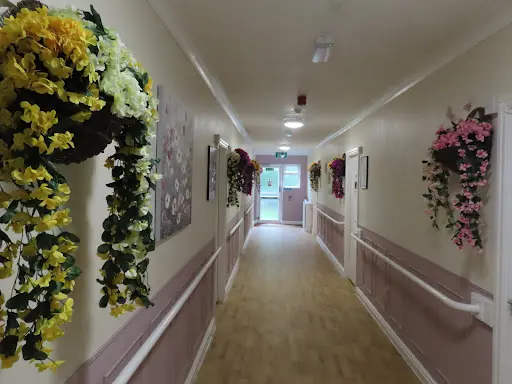
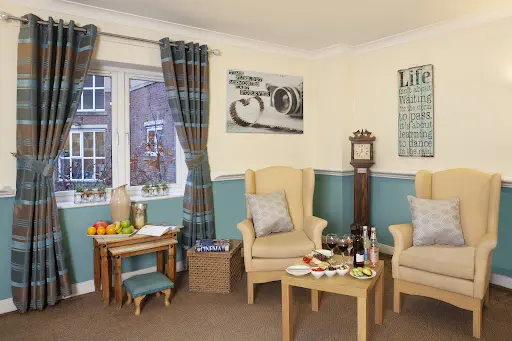
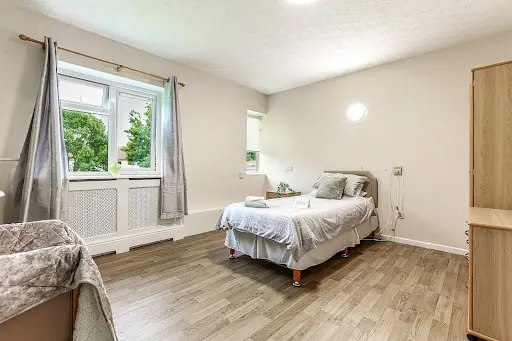
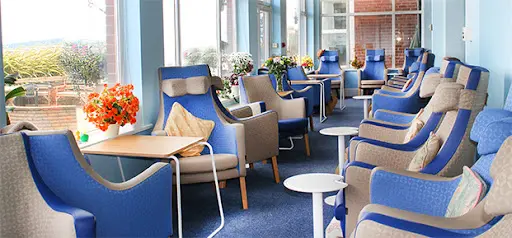
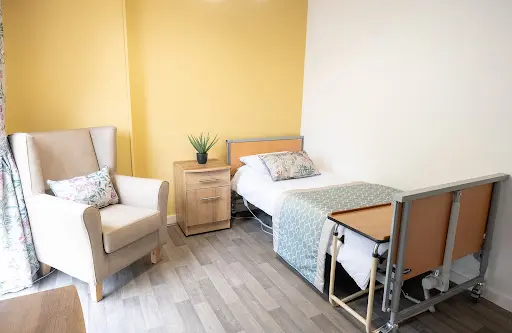
The activities programme keeps things lively, with a dedicated team running both trips out and events at the home. Mealtimes sound sociable too, with varied menus and special occasions celebrated properly. The home itself is described as clean and comfortable.
“With its mix of younger and older residents, this Ormskirk home offers a different kind of community where good frontline care and plenty to do seem to be the standout features.”
DCC does not edit or curate content in this tab. For independently curated information, see The Evidence and DCC Verdict.