St Peter’s Park Care Home & Retirement Village | Agincare

At a Glance
The information you need to decide whether this home warrants a closer look.
Nursing homes
Staff warmth score
of reviewers answered yes
Good to know
- Registered beds57
- SpecialismsCaring for adults over 65 yrs, Caring for adults under 65 yrs, Dementia, Mental health conditions, Physical disabilities, Sensory impairment
- Last inspected2022-03-25
Save St Peter’s Park Care Home & Retirement Village | Agincare to your shortlist
Keep a running list, add visit notes, and compare homes side-by-side. Free account — it takes a minute.
STAGE 4 — RESEARCHING CARE HOMES
Visit homes. Compare them side by side. Choose with confidence.
Most of us will view care homes the way we view houses, impression, atmosphere, the feeling in the corridor. We go home, try to remember what we saw, and make a permanent decision from a blurred memory.

The DCC shortlist gives every home you visit a structured record: the same twelve questions, answered the same way, every time. When you’re ready to choose, pull any two homes side by side and compare them directly. Same criteria, same evidence, your notes and your scores.
The Evidence
What the review data, the inspection reports, and the dementia-care evidence base tell us about this home.
What families say
The eight family priority themes
- Staff warmth55
- Compassion & dignity58
- Cleanliness60
- Activities & engagement50
- Food quality50
- Healthcare58
- Management & leadership42
- Resident happiness55
What inspectors found
Inspected 2022-03-25
Is this home safe?
Is the care effective?
The Effective domain was rated Good at the February 2022 inspection. This domain covers training, care planning, access to healthcare professionals, and nutrition. The home lists dementia as a specialism, which implies some investment in relevant staff training. The published summary does not include specific detail about care plan quality, GP access arrangements, dementia training content, or food and nutritional monitoring.Is this home caring?
The Caring domain was rated Good at the February 2022 inspection. This domain covers staff warmth, dignity, respect, and whether residents are supported to maintain their independence. The published summary contains no inspector observations, resident quotes, or specific examples of caring interactions. The rating alone indicates inspectors were satisfied, but the absence of recorded detail means this cannot be independently verified from the published findings.Is the home responsive?
The Responsive domain was rated Good at the February 2022 inspection. This domain covers whether the home tailors care to individual needs, provides meaningful activities, responds to concerns, and supports people at the end of life. The published summary contains no specific detail about the activity programme, one-to-one engagement, complaints handling, or end-of-life planning at St Peter's.Is the home well-led?
The Well-led domain was rated Requires Improvement at the February 2022 inspection. This is the only domain not rated Good and it covers management visibility, staff culture, governance, and accountability. The home has a registered manager and a nominated individual named in the published record. A monitoring review in July 2023 did not trigger reassessment, but Requires Improvement means inspectors found concerns that had not been resolved at the time of inspection. The published summary does not describe what those specific concerns were.
Source: CQC inspection report →
What the evidence base says
The team supports people with dementia, mental health conditions, physical disabilities and sensory impairments. They also care for both younger adults and those over 65. For residents living with dementia, the home encourages families to bring in familiar furniture and photographs. This helps create a more comfortable, recognisable space. All areas worth probing directly during a visit.
The DCC Verdict
Our editorial view, built from the three lenses: what families tell us, what inspectors record, and how the home sits against good dementia-care practice.
DCC Family Score
St Peter's Care and Nursing Home scored 62 out of 100. Most domains were rated Good at the last inspection, but the Well-led domain remains Requires Improvement, and the published report contains very limited specific detail across all areas, meaning many scores reflect a cautious middle position rather than strong positive evidence.
Homes in South East typically score 68–82.Worth a visit
St Peter's Care and Nursing Home, on Church Street in Bexhill-on-Sea, was rated Good overall at its inspection in February 2022, having improved from a previous rating of Requires Improvement. Four of the five inspection domains, covering safety, effectiveness, caring, and responsiveness, were rated Good. The home specialises in dementia, mental health conditions, physical disabilities, and sensory impairment, and has 57 beds. The main uncertainty here is significant: the published inspection summary contains very little specific detail. Almost no inspector observations, resident quotes, or concrete examples are recorded, which makes it genuinely difficult to paint a clear picture of daily life for your mum or dad. Crucially, the Well-led domain was rated Requires Improvement, meaning inspectors found concerns about leadership and governance that had not been fully resolved at the time of inspection. A monitoring review in July 2023 did not trigger reassessment, but this does not mean those concerns are resolved. Before making a decision, visit in person, ask to meet the registered manager, and use the checklist questions in this report to fill the gaps the published findings leave open.
The three questions to ask when you visitSave this home. Compare it against your shortlist.
Let our analysis show you how St Peter’s Park Care Home & Retirement Village | Agincare measures up against the other homes you’re considering. Free account.
In Their Own Words
How St Peter’s Park Care Home & Retirement Village | Agincare describes itself — collected from its own website. DCC has not edited or independently verified the content in this tab.
Personalised care that helps residents feel at home in Bexhill
St Peter's Care and Nursing Home – Expert Care in Bexhill-on-sea
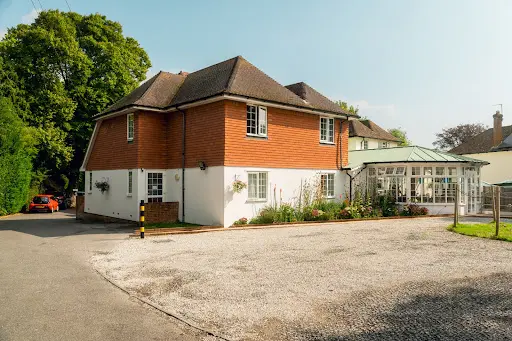
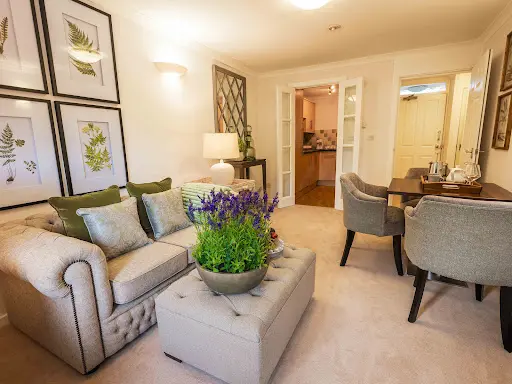
When someone needs round-the-clock support, the details matter. St Peter's Care and Nursing Home in Bexhill-on-sea focuses on creating a familiar environment where residents can keep their own belongings around them. The home provides nursing and residential care for people with various needs, including those living with dementia.
Who they care for
The team supports people with dementia, mental health conditions, physical disabilities and sensory impairments. They also care for both younger adults and those over 65.
For residents living with dementia, the home encourages families to bring in familiar furniture and photographs. This helps create a more comfortable, recognisable space.
“If you're considering care options in the Bexhill area, visiting St Peter's could help you get a feel for their approach.”
DCC does not edit or curate content in this tab. For independently curated information, see The Evidence and DCC Verdict.
The DCC Verdict
Our editorial view, built from the three lenses: what families tell us, what inspectors record, and how the home sits against good dementia-care practice.
DCC Family Score
St Peter's Care and Nursing Home scored 62 out of 100. Most domains were rated Good at the last inspection, but the Well-led domain remains Requires Improvement, and the published report contains very limited specific detail across all areas, meaning many scores reflect a cautious middle position rather than strong positive evidence.
Homes in South East typically score 68–82.Worth a visit
St Peter's Care and Nursing Home, on Church Street in Bexhill-on-Sea, was rated Good overall at its inspection in February 2022, having improved from a previous rating of Requires Improvement. Four of the five inspection domains, covering safety, effectiveness, caring, and responsiveness, were rated Good. The home specialises in dementia, mental health conditions, physical disabilities, and sensory impairment, and has 57 beds. The main uncertainty here is significant: the published inspection summary contains very little specific detail. Almost no inspector observations, resident quotes, or concrete examples are recorded, which makes it genuinely difficult to paint a clear picture of daily life for your mum or dad. Crucially, the Well-led domain was rated Requires Improvement, meaning inspectors found concerns about leadership and governance that had not been fully resolved at the time of inspection. A monitoring review in July 2023 did not trigger reassessment, but this does not mean those concerns are resolved. Before making a decision, visit in person, ask to meet the registered manager, and use the checklist questions in this report to fill the gaps the published findings leave open.
The three questions to ask when you visitSave this home. Compare it against your shortlist.
Let our analysis show you how St Peter’s Park Care Home & Retirement Village | Agincare measures up against the other homes you’re considering. Free account.
In Their Own Words
How St Peter’s Park Care Home & Retirement Village | Agincare describes itself — collected from its own website. DCC has not edited or independently verified the content in this tab.
Personalised care that helps residents feel at home in Bexhill
St Peter's Care and Nursing Home – Expert Care in Bexhill-on-sea
When someone needs round-the-clock support, the details matter. St Peter's Care and Nursing Home in Bexhill-on-sea focuses on creating a familiar environment where residents can keep their own belongings around them. The home provides nursing and residential care for people with various needs, including those living with dementia.
Who they care for
The team supports people with dementia, mental health conditions, physical disabilities and sensory impairments. They also care for both younger adults and those over 65.
For residents living with dementia, the home encourages families to bring in familiar furniture and photographs. This helps create a more comfortable, recognisable space.
“If you're considering care options in the Bexhill area, visiting St Peter's could help you get a feel for their approach.”
DCC does not edit or curate content in this tab. For independently curated information, see The Evidence and DCC Verdict.