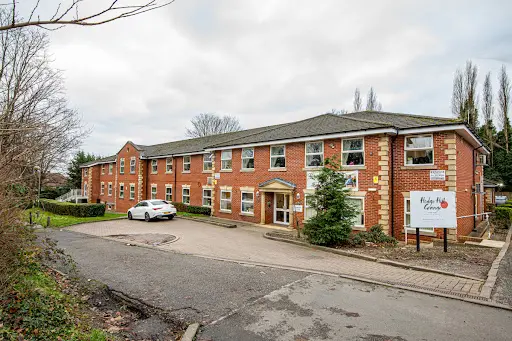
St Joseph's Care Home
At a Glance
The information you need to decide whether this home warrants a closer look.
Residential homes
Staff warmth score
of reviewers answered yes
Good to know
- Registered beds59
- SpecialismsCaring for adults over 65 yrs, Dementia
- Last inspected2023-03-18
Save St Joseph's Care Home to your shortlist
Keep a running list, add visit notes, and compare homes side-by-side. Free account — it takes a minute.
STAGE 4 — RESEARCHING CARE HOMES
Visit homes. Compare them side by side. Choose with confidence.
Most of us will view care homes the way we view houses, impression, atmosphere, the feeling in the corridor. We go home, try to remember what we saw, and make a permanent decision from a blurred memory.

The DCC shortlist gives every home you visit a structured record: the same twelve questions, answered the same way, every time. When you’re ready to choose, pull any two homes side by side and compare them directly. Same criteria, same evidence, your notes and your scores.
The Evidence
What the review data, the inspection reports, and the dementia-care evidence base tell us about this home.
What families say
The atmosphere here strikes visitors immediately — staff greet everyone with genuine warmth and take time to chat with residents throughout the day. People notice how the team maintains that personal touch, whether helping someone settle into their spacious bedroom or simply sharing a laugh in the lounge. There's a real sense that dignity matters here, from the smallest daily interactions to the bigger moments.
The eight family priority themes
- Staff warmth70
- Compassion & dignity70
- Cleanliness70
- Activities & engagement60
- Food quality60
- Healthcare65
- Management & leadership72
- Resident happiness65
What inspectors found
Inspected 2023-03-18
Is this home safe?
Is the care effective?
The Effective domain was rated Good at the March 2023 inspection. This domain covers staff training, care planning, access to healthcare professionals, nutrition and hydration, and whether the home works effectively with GPs and specialists. St Joseph's specialises in dementia care, so the Good rating suggests inspectors were satisfied that training and care approaches were broadly appropriate. The published text does not include specific detail about dementia training content, care plan quality, or GP access arrangements.Is this home caring?
Inspectors rated the Caring domain as Good in March 2023. This domain assesses whether staff treat people with kindness, respect their dignity and privacy, support independence, and respond sensitively to individual needs. A Good Caring rating is a positive finding. However, the published inspection summary contains no direct observations of staff interactions, no quotes from residents or relatives, and no specific examples of how dignity was maintained in practice.Is the home responsive?
The Responsive domain was rated Good at the March 2023 inspection. This domain covers whether the home provides meaningful activities, responds to individual preferences, supports people's independence, and has effective arrangements for end-of-life care. The published summary confirms the Good rating but does not include specific details about the activities programme, how individual interests are recorded, or how the home supports people who can no longer participate in group activities.Is the home well-led?
The Well-led domain was rated Good at the March 2023 inspection, having previously been rated Requires Improvement. The home is managed by a named registered manager, Mrs Shelley Anne Perryman, with Mr Edward Brown listed as the nominated individual. The organisation running the home is Father Hudson's Caritas, a Catholic charitable organisation. The improvement from Requires Improvement to Good across all domains suggests the leadership team made substantive changes between inspections. The published text does not describe the management style, governance systems, or how staff are supported in detail.
Source: CQC inspection report →
What the evidence base says
St Joseph's focuses on caring for people over 65, including those living with dementia. The home provides the specialist support needed as conditions progress, with trained staff who understand the complexities of memory loss. For residents with dementia, the team works to maintain familiar routines while adapting care as needs change. Activities are designed to engage at different levels, and staff know how to provide reassurance during moments of confusion or distress. All areas worth probing directly during a visit.
The DCC Verdict
Our editorial view, built from the three lenses: what families tell us, what inspectors record, and how the home sits against good dementia-care practice.
DCC Family Score
St Joseph's scores 72 out of 100, reflecting a genuine improvement from a previous Requires Improvement rating to Good across all five inspection domains. The score is moderate rather than high because the published inspection text contains very limited specific detail, so many areas cannot be independently verified beyond general compliance statements.
Homes in West Midlands typically score 68–82.The three-lens summary
What families tell us
The atmosphere here strikes visitors immediately — staff greet everyone with genuine warmth and take time to chat with residents throughout the day. People notice how the team maintains that personal touch, whether helping someone settle into their spacious bedroom or simply sharing a laugh in the lounge. There's a real sense that dignity matters here, from the smallest daily interactions to the bigger moments.
What inspectors have recorded
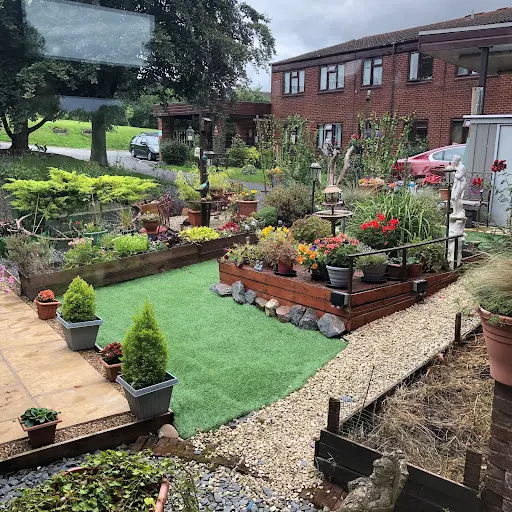
The team here seems to understand what families need during difficult times. They've handled the challenges of recent years thoughtfully, creating visiting arrangements that keep everyone connected while staying safe. When the time comes to say goodbye, they support families with memorial services and plant roses in the garden — small touches that show they see residents as individuals who matter.
How it sits against good practice
Sometimes you just know when a place feels right — and for many families, St Joseph's provides that reassurance they've been searching for.
Worth a visit
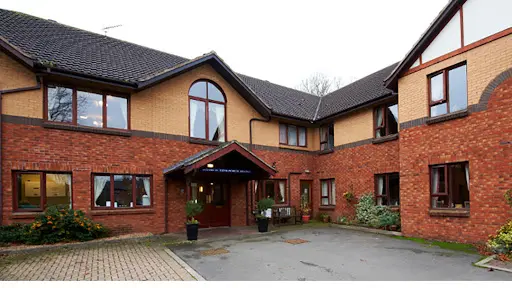
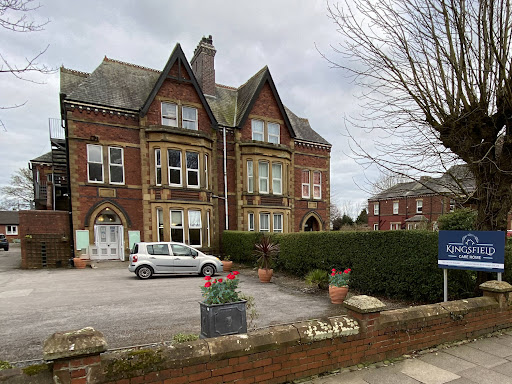
St Joseph's, on Coventry Road in Coleshill, was rated Good at its inspection in March 2023, with Good ratings across all five domains: safe, effective, caring, responsive, and well-led. This is a meaningful improvement from its previous Requires Improvement rating, suggesting the management team identified weaknesses and addressed them before inspectors returned. The home is run by Father Hudson's Caritas, a registered charity, and specialises in dementia care for adults over 65, with capacity for up to 59 people. The main limitation of this report is that the published inspection text is very brief and contains almost no specific observations, resident or family quotes, or detailed findings to work from. Every domain is rated Good, which is genuinely positive, but you should treat this as a floor, not a ceiling. On any visit, ask to see last week's actual staffing rota (not a template), ask how many permanent carers are on the dementia unit after 8pm, and ask when your parent's care plan would next be reviewed and whether you would be invited to that conversation. Walk through the home and observe whether staff greet your parent by their preferred name and whether the pace feels unhurried.
The three questions to ask when you visitSave this home. Compare it against your shortlist.
Let our analysis show you how St Joseph's Care Home measures up against the other homes you’re considering. Free account.
In Their Own Words
How St Joseph's Care Home describes itself — collected from its own website. DCC has not edited or independently verified the content in this tab.
Where gentle care meets genuine dignity in the heart of Coleshill
Compassionate Care in Coleshill at St Joseph's
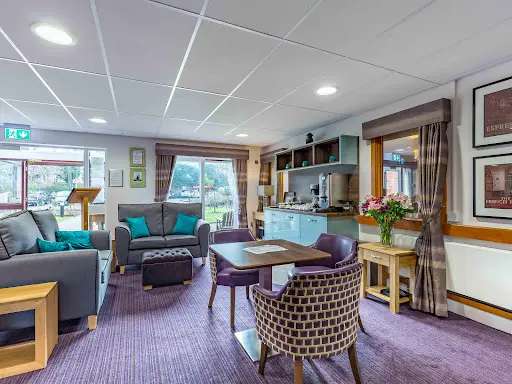
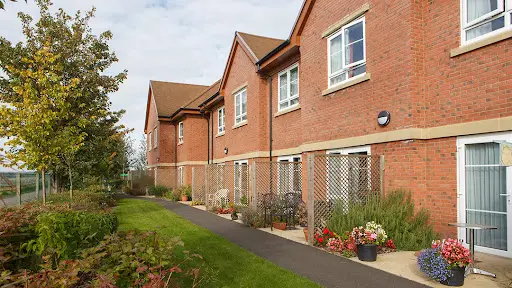
When you're looking for somewhere that truly understands the importance of treating every resident with kindness and respect, St Joseph's in Coleshill offers exactly that. Set in attractive grounds with views across the West Midlands countryside, this care home has built a reputation for creating a warm, welcoming environment. Families often comment on how comfortable they feel during visits, knowing their loved ones are in caring hands.
Who they care for
St Joseph's focuses on caring for people over 65, including those living with dementia. The home provides the specialist support needed as conditions progress, with trained staff who understand the complexities of memory loss.
For residents with dementia, the team works to maintain familiar routines while adapting care as needs change. Activities are designed to engage at different levels, and staff know how to provide reassurance during moments of confusion or distress.
“Sometimes you just know when a place feels right — and for many families, St Joseph's provides that reassurance they've been searching for.”
DCC does not edit or curate content in this tab. For independently curated information, see The Evidence and DCC Verdict.
The DCC Verdict
Our editorial view, built from the three lenses: what families tell us, what inspectors record, and how the home sits against good dementia-care practice.
DCC Family Score
St Joseph's scores 72 out of 100, reflecting a genuine improvement from a previous Requires Improvement rating to Good across all five inspection domains. The score is moderate rather than high because the published inspection text contains very limited specific detail, so many areas cannot be independently verified beyond general compliance statements.
Homes in West Midlands typically score 68–82.The three-lens summary
What families tell us
The atmosphere here strikes visitors immediately — staff greet everyone with genuine warmth and take time to chat with residents throughout the day. People notice how the team maintains that personal touch, whether helping someone settle into their spacious bedroom or simply sharing a laugh in the lounge. There's a real sense that dignity matters here, from the smallest daily interactions to the bigger moments.
What inspectors have recorded
The team here seems to understand what families need during difficult times. They've handled the challenges of recent years thoughtfully, creating visiting arrangements that keep everyone connected while staying safe. When the time comes to say goodbye, they support families with memorial services and plant roses in the garden — small touches that show they see residents as individuals who matter.
How it sits against good practice
Sometimes you just know when a place feels right — and for many families, St Joseph's provides that reassurance they've been searching for.
Worth a visit
St Joseph's, on Coventry Road in Coleshill, was rated Good at its inspection in March 2023, with Good ratings across all five domains: safe, effective, caring, responsive, and well-led. This is a meaningful improvement from its previous Requires Improvement rating, suggesting the management team identified weaknesses and addressed them before inspectors returned. The home is run by Father Hudson's Caritas, a registered charity, and specialises in dementia care for adults over 65, with capacity for up to 59 people. The main limitation of this report is that the published inspection text is very brief and contains almost no specific observations, resident or family quotes, or detailed findings to work from. Every domain is rated Good, which is genuinely positive, but you should treat this as a floor, not a ceiling. On any visit, ask to see last week's actual staffing rota (not a template), ask how many permanent carers are on the dementia unit after 8pm, and ask when your parent's care plan would next be reviewed and whether you would be invited to that conversation. Walk through the home and observe whether staff greet your parent by their preferred name and whether the pace feels unhurried.
The three questions to ask when you visitSave this home. Compare it against your shortlist.
Let our analysis show you how St Joseph's Care Home measures up against the other homes you’re considering. Free account.
In Their Own Words
How St Joseph's Care Home describes itself — collected from its own website. DCC has not edited or independently verified the content in this tab.
Where gentle care meets genuine dignity in the heart of Coleshill
Compassionate Care in Coleshill at St Joseph's
When you're looking for somewhere that truly understands the importance of treating every resident with kindness and respect, St Joseph's in Coleshill offers exactly that. Set in attractive grounds with views across the West Midlands countryside, this care home has built a reputation for creating a warm, welcoming environment. Families often comment on how comfortable they feel during visits, knowing their loved ones are in caring hands.
Who they care for
St Joseph's focuses on caring for people over 65, including those living with dementia. The home provides the specialist support needed as conditions progress, with trained staff who understand the complexities of memory loss.
For residents with dementia, the team works to maintain familiar routines while adapting care as needs change. Activities are designed to engage at different levels, and staff know how to provide reassurance during moments of confusion or distress.
Management & ethos
The team here seems to understand what families need during difficult times. They've handled the challenges of recent years thoughtfully, creating visiting arrangements that keep everyone connected while staying safe. When the time comes to say goodbye, they support families with memorial services and plant roses in the garden — small touches that show they see residents as individuals who matter.
The home & environment
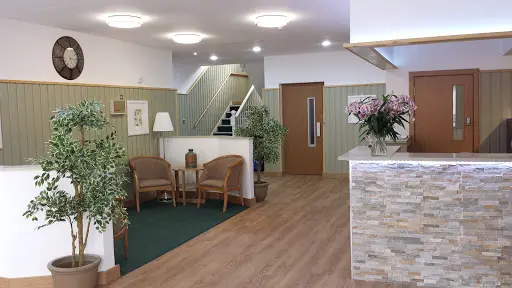
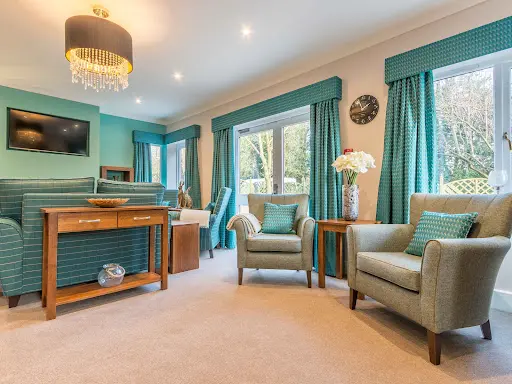
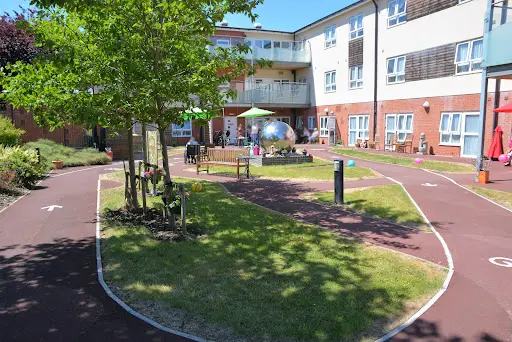
The home keeps everything spotlessly clean, something families particularly appreciate when they visit. Meals get good feedback too, with the kitchen team preparing food that residents actually enjoy eating. The grounds provide lovely spaces for a stroll or just sitting outside when the weather's nice, and inside you'll find the hairdressing salon and regular podiatry services that help residents feel their best.
“Sometimes you just know when a place feels right — and for many families, St Joseph's provides that reassurance they've been searching for.”
DCC does not edit or curate content in this tab. For independently curated information, see The Evidence and DCC Verdict.