Drovers House care home

At a Glance
The information you need to decide whether this home warrants a closer look.
Residential homes
Staff warmth score
of reviewers answered yes
Good to know
- Registered beds75
- SpecialismsCaring for adults over 65 yrs, Caring for adults under 65 yrs, Dementia, Mental health conditions, Physical disabilities, Sensory impairment
- Last inspected2020-02-12
Save Drovers House care home to your shortlist
Keep a running list, add visit notes, and compare homes side-by-side. Free account — it takes a minute.
STAGE 4 — RESEARCHING CARE HOMES
Visit homes. Compare them side by side. Choose with confidence.
Most of us will view care homes the way we view houses, impression, atmosphere, the feeling in the corridor. We go home, try to remember what we saw, and make a permanent decision from a blurred memory.

The DCC shortlist gives every home you visit a structured record: the same twelve questions, answered the same way, every time. When you’re ready to choose, pull any two homes side by side and compare them directly. Same criteria, same evidence, your notes and your scores.
The Evidence
What the review data, the inspection reports, and the dementia-care evidence base tell us about this home.
What families say
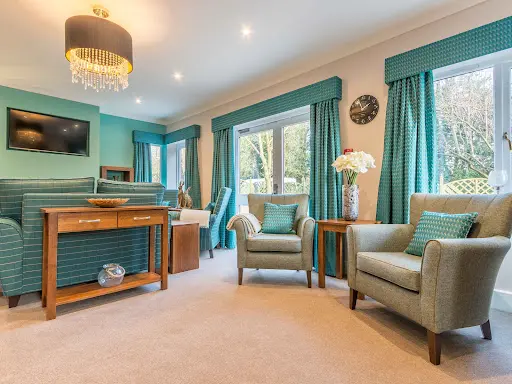
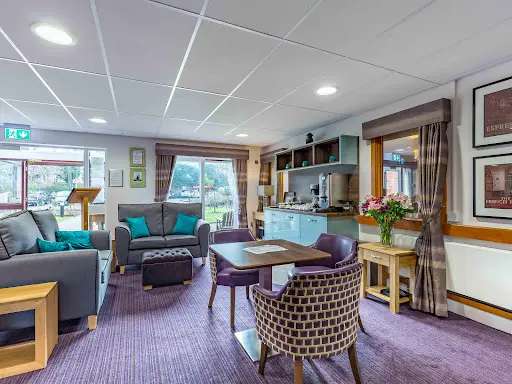
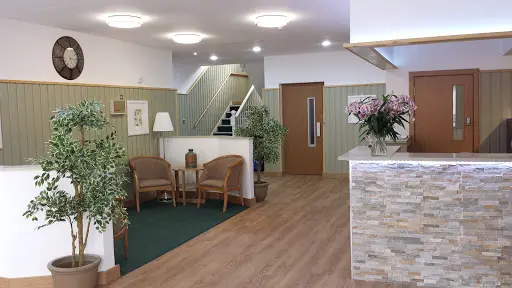
Families describe walking into a home that feels fresh and well-maintained, with staff who greet visitors warmly. The lounges provide comfortable spaces for residents to gather, and there's a real effort to keep people engaged through activities. The home welcomes pets too, which helps maintain those important connections.
The eight family priority themes
- Staff warmth70
- Compassion & dignity70
- Cleanliness68
- Activities & engagement65
- Food quality60
- Healthcare65
- Management & leadership72
- Resident happiness68
What inspectors found
Inspected 2020-02-12
Is this home safe?
Is the care effective?
The Effective domain was rated Good. This covers training, care planning, healthcare access, and food and nutrition. Dementia is listed as a specialism, which means the home is expected to have staff trained specifically in dementia care. The published summary does not include detail about training content, how often care plans are reviewed, or how meals are managed for people with swallowing difficulties or changing appetites. No specific observations about GP access or health monitoring were published.Is this home caring?
The Caring domain was rated Good. This covers how staff treat the people who live at Drovers House, including whether they are kind, respectful, and unhurried. No specific inspector observations, resident quotes, or family testimony were included in the published summary. The home supports people with a wide range of needs including dementia, mental health conditions, and sensory impairment, which means staff need well-developed skills in non-verbal communication and individual recognition.Is the home responsive?
The Responsive domain was rated Good. This covers how well the home tailors daily life to the individual, including activities, engagement, and planning for end of life. Drovers House supports people with dementia, physical disabilities, sensory impairment, and mental health conditions, all of which require different approaches to meaningful activity. No specific detail about the activity programme, how one-to-one engagement is provided, or how end-of-life wishes are recorded and honoured was included in the published summary.Is the home well-led?
The Well-led domain was rated Good. The inspection report names a Registered Manager and a Nominated Individual, indicating an accountable leadership structure. The home was previously rated Outstanding and has declined to Good, which is worth noting. This decline does not mean the home is poorly led now, but it raises a question about what changed and whether the current leadership team has stabilised the home's quality trajectory. No specific detail about management culture, staff empowerment, or governance was published.
Source: CQC inspection report →
What the evidence base says
The home cares for adults both under and over 65 with physical disabilities, sensory impairments, and mental health conditions. They've supported people through rehabilitation after major health events. For residents living with dementia, the home provides specialist support within their broader care approach. The environment is designed to be accessible and comfortable for people with cognitive challenges. All areas worth probing directly during a visit.
The DCC Verdict
Our editorial view, built from the three lenses: what families tell us, what inspectors record, and how the home sits against good dementia-care practice.
DCC Family Score
Drovers House scored 72 out of 100. The inspection confirmed a Good rating across all five domains, but the published report contains limited specific detail, meaning scores reflect confirmed compliance rather than rich, observed evidence.
Homes in West Midlands typically score 68–82.The three-lens summary
What families tell us
Families describe walking into a home that feels fresh and well-maintained, with staff who greet visitors warmly. The lounges provide comfortable spaces for residents to gather, and there's a real effort to keep people engaged through activities. The home welcomes pets too, which helps maintain those important connections.
What inspectors have recorded
Staff come across as kind and approachable, with several families noting how helpful they are during visits. The team implemented thorough safety measures during COVID, including regular testing and careful hygiene protocols. While most families feel confident in the care provided, one account did raise concerns about personal care standards that anyone considering the home should discuss directly with management.
How it sits against good practice
If you're considering Drovers House, it's worth visiting to see the environment for yourself and meeting the team who'd be caring for your loved one.
Worth a visit
Drovers House in Rugby was rated Good across all five inspection domains at its last inspection, carried out in December 2019 and published in February 2020. The home cares for up to 75 people, including those living with dementia, mental health conditions, physical disabilities, and sensory impairment. It was previously rated Outstanding, so this represents a decline, though it remains well within the Good range with no domain falling below that standard. The main uncertainty here is the age of this inspection: it was carried out more than five years ago, and a great deal can change in that time, including management, staffing, culture, and occupancy. The published summary also contains very little specific detail, which makes it difficult to give you a clear picture of day-to-day life. Before visiting, ask the manager when the home expects its next inspection, what has changed since 2019, and whether the same Registered Manager is still in post. On your visit, pay close attention to how staff interact with people in corridors and communal areas, not just in formal meetings.
The three questions to ask when you visitSave this home. Compare it against your shortlist.
Let our analysis show you how Drovers House care home measures up against the other homes you’re considering. Free account.
In Their Own Words
How Drovers House care home describes itself — collected from its own website. DCC has not edited or independently verified the content in this tab.
Modern Rugby home where friendly staff create a warm, active community
Dedicated residential home Support in Rugby
When families visit Drovers House in Rugby, they often comment on how clean and welcoming the environment feels. This modern care home supports people with various needs, from physical disabilities to dementia, and the staff work hard to keep residents connected to the wider community. The home has built a reputation for its friendly approach, though some families have raised concerns about care consistency that are worth discussing with the team.
Who they care for
The home cares for adults both under and over 65 with physical disabilities, sensory impairments, and mental health conditions. They've supported people through rehabilitation after major health events.
For residents living with dementia, the home provides specialist support within their broader care approach. The environment is designed to be accessible and comfortable for people with cognitive challenges.
“If you're considering Drovers House, it's worth visiting to see the environment for yourself and meeting the team who'd be caring for your loved one.”
DCC does not edit or curate content in this tab. For independently curated information, see The Evidence and DCC Verdict.
The DCC Verdict
Our editorial view, built from the three lenses: what families tell us, what inspectors record, and how the home sits against good dementia-care practice.
DCC Family Score
Drovers House scored 72 out of 100. The inspection confirmed a Good rating across all five domains, but the published report contains limited specific detail, meaning scores reflect confirmed compliance rather than rich, observed evidence.
Homes in West Midlands typically score 68–82.The three-lens summary
What families tell us
Families describe walking into a home that feels fresh and well-maintained, with staff who greet visitors warmly. The lounges provide comfortable spaces for residents to gather, and there's a real effort to keep people engaged through activities. The home welcomes pets too, which helps maintain those important connections.
What inspectors have recorded
Staff come across as kind and approachable, with several families noting how helpful they are during visits. The team implemented thorough safety measures during COVID, including regular testing and careful hygiene protocols. While most families feel confident in the care provided, one account did raise concerns about personal care standards that anyone considering the home should discuss directly with management.
How it sits against good practice
If you're considering Drovers House, it's worth visiting to see the environment for yourself and meeting the team who'd be caring for your loved one.
Worth a visit
Drovers House in Rugby was rated Good across all five inspection domains at its last inspection, carried out in December 2019 and published in February 2020. The home cares for up to 75 people, including those living with dementia, mental health conditions, physical disabilities, and sensory impairment. It was previously rated Outstanding, so this represents a decline, though it remains well within the Good range with no domain falling below that standard. The main uncertainty here is the age of this inspection: it was carried out more than five years ago, and a great deal can change in that time, including management, staffing, culture, and occupancy. The published summary also contains very little specific detail, which makes it difficult to give you a clear picture of day-to-day life. Before visiting, ask the manager when the home expects its next inspection, what has changed since 2019, and whether the same Registered Manager is still in post. On your visit, pay close attention to how staff interact with people in corridors and communal areas, not just in formal meetings.
The three questions to ask when you visitSave this home. Compare it against your shortlist.
Let our analysis show you how Drovers House care home measures up against the other homes you’re considering. Free account.
In Their Own Words
How Drovers House care home describes itself — collected from its own website. DCC has not edited or independently verified the content in this tab.
Modern Rugby home where friendly staff create a warm, active community
Dedicated residential home Support in Rugby
When families visit Drovers House in Rugby, they often comment on how clean and welcoming the environment feels. This modern care home supports people with various needs, from physical disabilities to dementia, and the staff work hard to keep residents connected to the wider community. The home has built a reputation for its friendly approach, though some families have raised concerns about care consistency that are worth discussing with the team.
Who they care for
The home cares for adults both under and over 65 with physical disabilities, sensory impairments, and mental health conditions. They've supported people through rehabilitation after major health events.
For residents living with dementia, the home provides specialist support within their broader care approach. The environment is designed to be accessible and comfortable for people with cognitive challenges.
Management & ethos
Staff come across as kind and approachable, with several families noting how helpful they are during visits. The team implemented thorough safety measures during COVID, including regular testing and careful hygiene protocols. While most families feel confident in the care provided, one account did raise concerns about personal care standards that anyone considering the home should discuss directly with management.
The home & environment
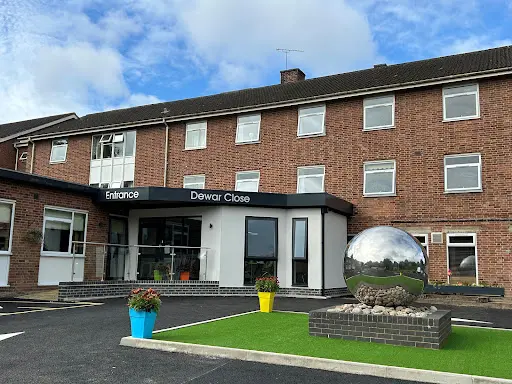
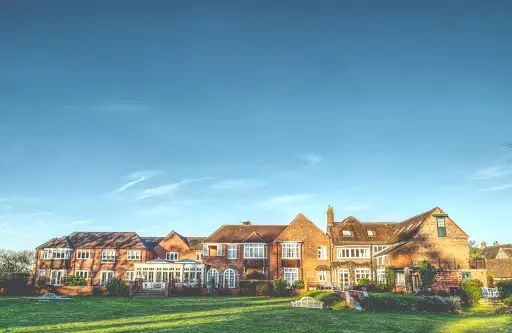
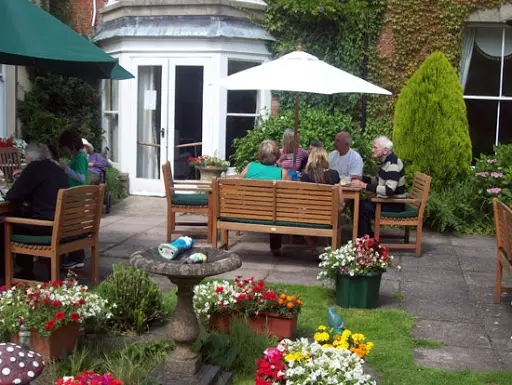
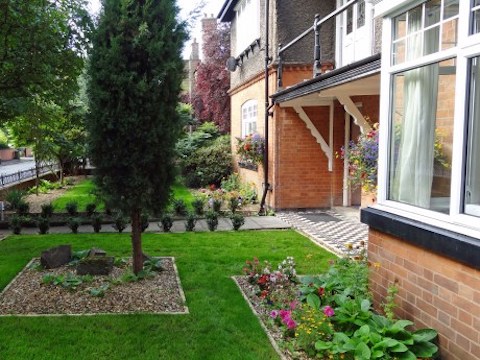
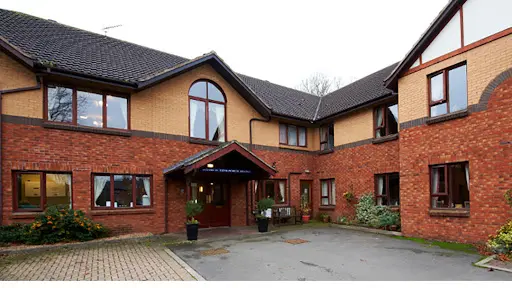
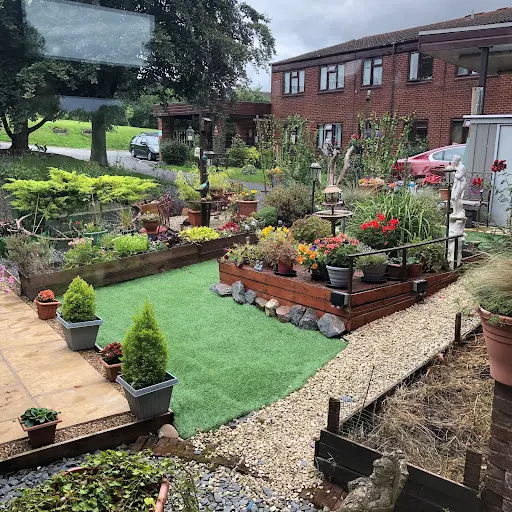
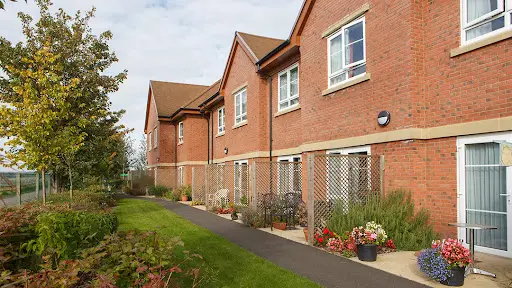
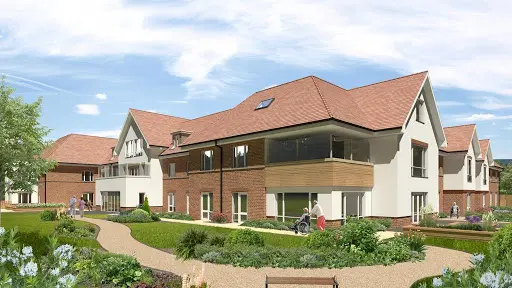
The modern building includes accessible lounges and pleasant garden spaces where residents can spend time outdoors. People often mention how clean everything is — there's clearly attention paid to hygiene and keeping the environment fresh. The kitchen produces meals that residents find tasty and appetising.
“If you're considering Drovers House, it's worth visiting to see the environment for yourself and meeting the team who'd be caring for your loved one.”
DCC does not edit or curate content in this tab. For independently curated information, see The Evidence and DCC Verdict.