Priors House Care Home – Care UK
At a Glance
The information you need to decide whether this home warrants a closer look.
Nursing homes
Staff warmth score
of reviewers answered yes
Good to know
- Registered beds80
- SpecialismsCaring for adults over 65 yrs, Caring for adults under 65 yrs, Dementia, Mental health conditions, Physical disabilities
- Last inspected2023-12-02
Save Priors House Care Home – Care UK to your shortlist
Keep a running list, add visit notes, and compare homes side-by-side. Free account — it takes a minute.
STAGE 4 — RESEARCHING CARE HOMES
Visit homes. Compare them side by side. Choose with confidence.
Most of us will view care homes the way we view houses, impression, atmosphere, the feeling in the corridor. We go home, try to remember what we saw, and make a permanent decision from a blurred memory.

The DCC shortlist gives every home you visit a structured record: the same twelve questions, answered the same way, every time. When you’re ready to choose, pull any two homes side by side and compare them directly. Same criteria, same evidence, your notes and your scores.
The Evidence
What the review data, the inspection reports, and the dementia-care evidence base tell us about this home.
What families say
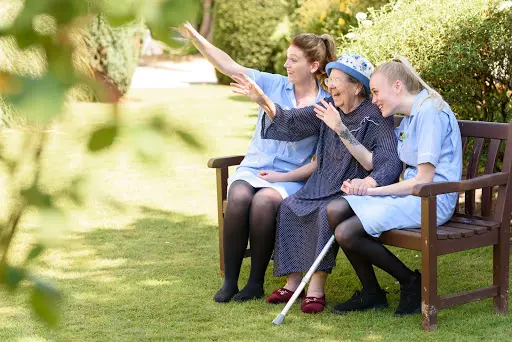
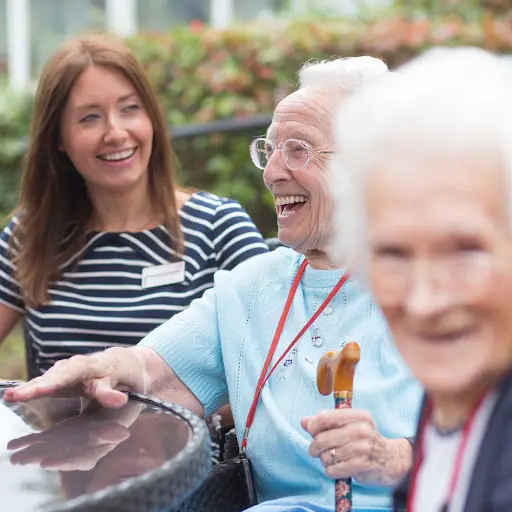
The transition into care can feel overwhelming, but families describe how staff here manage those first difficult days with real patience and understanding. Residents seem genuinely content, chatting with each other in communal spaces and participating in the structured activities on offer. What strikes visitors most is seeing the same familiar faces among the care team — that consistency makes such a difference, especially for residents who struggle with memory.
The eight family priority themes
- Staff warmth78
- Compassion & dignity78
- Cleanliness72
- Activities & engagement90
- Food quality68
- Healthcare75
- Management & leadership92
- Resident happiness82
What inspectors found
Inspected 2023-12-02
Is this home safe?
Is the care effective?
Priors House received a Good rating for Effective at the October 2023 inspection. This domain covers staff training, care planning, access to healthcare professionals, and how well the home meets nutritional and health needs. The home lists dementia as a specialism alongside mental health conditions and physical disabilities, which means inspectors would have considered dementia-specific training as part of this assessment. The published summary does not include specific quotes or observations that confirm the detail behind this rating.Is this home caring?
Inspectors rated the Caring domain Good at the October 2023 inspection. This domain assesses whether staff treat people with kindness, dignity, and respect, and whether residents retain as much independence as possible. A Good rating means inspectors were satisfied with what they observed and heard. The published summary does not include specific inspector observations about staff interactions, preferred names, or unhurried pace, so these cannot be confirmed from the published text.Is the home responsive?
Priors House received an Outstanding rating for Responsive at the October 2023 inspection. This is the highest rating available and is awarded in fewer than five percent of inspections nationally. The Responsive domain covers how well the home tailors care to individual needs, the quality and variety of activities, how it meets the needs of people with dementia, and how it handles complaints and end-of-life wishes. An Outstanding rating requires inspectors to find compelling, specific evidence of genuinely individualised care, not just a good system on paper. The published summary does not reproduce the specific evidence behind this rating, but the rating itself is a strong signal.Is the home well-led?
Priors House received an Outstanding rating for Well-led at the October 2023 inspection, representing an improvement from its previous Good rating in this domain. The Well-led domain assesses the culture of the home, the visibility and quality of management, governance systems, staff support, and how the home uses feedback to improve. An Outstanding rating requires inspectors to find evidence that leadership is not just competent but genuinely drives improvement and creates a positive culture for both staff and residents. The registered manager is Miss Francine Summers and the nominated individual is Ms Rachel Louise Harvey.
Source: CQC inspection report →
What the evidence base says
Priors House provides specialist support for adults both under and over 65 with dementia, mental health conditions, and physical disabilities. Their experience shows particularly in dementia care, where they work with the complexities of memory loss alongside physical health needs. The home's dementia expertise comes through in practical ways — staff who understand why routine matters, who know how to communicate when words become difficult, and who celebrate small victories like a moment of recognition or a successful mealtime. For many families, it's seeing their loved one regain abilities they thought were gone that makes the real difference. All areas worth probing directly during a visit.
The DCC Verdict
Our editorial view, built from the three lenses: what families tell us, what inspectors record, and how the home sits against good dementia-care practice.
DCC Family Score
Priors House scores well above average, driven by an Outstanding rating in both responsiveness and leadership, which together signal a home where your parent is likely to have a life, not just a place to stay. Scores for food and cleanliness are held at a cautious level because the published inspection text does not include specific observations in those areas.
Homes in West Midlands typically score 68–82.The three-lens summary
What families tell us
The transition into care can feel overwhelming, but families describe how staff here manage those first difficult days with real patience and understanding. Residents seem genuinely content, chatting with each other in communal spaces and participating in the structured activities on offer. What strikes visitors most is seeing the same familiar faces among the care team — that consistency makes such a difference, especially for residents who struggle with memory.
What inspectors have recorded
Staff here take a notably proactive approach to care, identifying when residents need specialist input and arranging appropriate reviews without families having to chase. The team's clinical knowledge shows in how they spot opportunities for improvement — whether that's referring someone for mobility assessment or adjusting care plans as needs change. Even during end-of-life care, families describe feeling genuinely supported through those hardest moments.
How it sits against good practice
Sometimes the hardest decisions lead to the most hopeful outcomes — something many families discover here.
Worth a visit
Priors House in Leamington Spa was rated Outstanding at its inspection in October 2023, with particular strength in how it responds to individual needs (Responsive: Outstanding) and how it is led and managed (Well-led: Outstanding). Safe, Effective, and Caring were all rated Good. An Outstanding overall rating places this home in the top tier of care homes in England, and the improvement from its previous Good rating suggests the home is on a positive trajectory. The main caveat for your decision is that the full published inspection text available here is limited, so specific detail about staff interactions, food, cleanliness, and night staffing cannot be confirmed from the published findings alone. The Outstanding ratings for responsiveness and leadership are strong signals, but visit in person to observe staff at close quarters, ask to join a mealtime, and specifically ask the manager about night staffing numbers and how one-to-one engagement is provided for residents with advanced dementia who cannot join group activities.
The three questions to ask when you visitSave this home. Compare it against your shortlist.
Let our analysis show you how Priors House Care Home – Care UK measures up against the other homes you’re considering. Free account.
In Their Own Words
How Priors House Care Home – Care UK describes itself — collected from its own website. DCC has not edited or independently verified the content in this tab.
Where recovery stories unfold through specialist dementia care
Nursing home in Leamington Spa: True Peace of Mind
Families arriving at Priors House in Leamington Spa often describe the same turning point — watching someone they thought they'd lost begin to find themselves again. This West Midlands care home specialises in supporting people with dementia and mental health conditions, creating an environment where measurable improvements happen regularly. Whether it's someone taking their first independent steps after months of immobility or a resident with advanced dementia recognising their regular carer's voice, the focus here is on what's still possible.
Who they care for
Priors House provides specialist support for adults both under and over 65 with dementia, mental health conditions, and physical disabilities. Their experience shows particularly in dementia care, where they work with the complexities of memory loss alongside physical health needs.
The home's dementia expertise comes through in practical ways — staff who understand why routine matters, who know how to communicate when words become difficult, and who celebrate small victories like a moment of recognition or a successful mealtime. For many families, it's seeing their loved one regain abilities they thought were gone that makes the real difference.
“Sometimes the hardest decisions lead to the most hopeful outcomes — something many families discover here.”
DCC does not edit or curate content in this tab. For independently curated information, see The Evidence and DCC Verdict.
The DCC Verdict
Our editorial view, built from the three lenses: what families tell us, what inspectors record, and how the home sits against good dementia-care practice.
DCC Family Score
Priors House scores well above average, driven by an Outstanding rating in both responsiveness and leadership, which together signal a home where your parent is likely to have a life, not just a place to stay. Scores for food and cleanliness are held at a cautious level because the published inspection text does not include specific observations in those areas.
Homes in West Midlands typically score 68–82.The three-lens summary
What families tell us
The transition into care can feel overwhelming, but families describe how staff here manage those first difficult days with real patience and understanding. Residents seem genuinely content, chatting with each other in communal spaces and participating in the structured activities on offer. What strikes visitors most is seeing the same familiar faces among the care team — that consistency makes such a difference, especially for residents who struggle with memory.
What inspectors have recorded
Staff here take a notably proactive approach to care, identifying when residents need specialist input and arranging appropriate reviews without families having to chase. The team's clinical knowledge shows in how they spot opportunities for improvement — whether that's referring someone for mobility assessment or adjusting care plans as needs change. Even during end-of-life care, families describe feeling genuinely supported through those hardest moments.
How it sits against good practice
Sometimes the hardest decisions lead to the most hopeful outcomes — something many families discover here.
Worth a visit
Priors House in Leamington Spa was rated Outstanding at its inspection in October 2023, with particular strength in how it responds to individual needs (Responsive: Outstanding) and how it is led and managed (Well-led: Outstanding). Safe, Effective, and Caring were all rated Good. An Outstanding overall rating places this home in the top tier of care homes in England, and the improvement from its previous Good rating suggests the home is on a positive trajectory. The main caveat for your decision is that the full published inspection text available here is limited, so specific detail about staff interactions, food, cleanliness, and night staffing cannot be confirmed from the published findings alone. The Outstanding ratings for responsiveness and leadership are strong signals, but visit in person to observe staff at close quarters, ask to join a mealtime, and specifically ask the manager about night staffing numbers and how one-to-one engagement is provided for residents with advanced dementia who cannot join group activities.
The three questions to ask when you visitSave this home. Compare it against your shortlist.
Let our analysis show you how Priors House Care Home – Care UK measures up against the other homes you’re considering. Free account.
In Their Own Words
How Priors House Care Home – Care UK describes itself — collected from its own website. DCC has not edited or independently verified the content in this tab.
Where recovery stories unfold through specialist dementia care
Nursing home in Leamington Spa: True Peace of Mind
Families arriving at Priors House in Leamington Spa often describe the same turning point — watching someone they thought they'd lost begin to find themselves again. This West Midlands care home specialises in supporting people with dementia and mental health conditions, creating an environment where measurable improvements happen regularly. Whether it's someone taking their first independent steps after months of immobility or a resident with advanced dementia recognising their regular carer's voice, the focus here is on what's still possible.
Who they care for
Priors House provides specialist support for adults both under and over 65 with dementia, mental health conditions, and physical disabilities. Their experience shows particularly in dementia care, where they work with the complexities of memory loss alongside physical health needs.
The home's dementia expertise comes through in practical ways — staff who understand why routine matters, who know how to communicate when words become difficult, and who celebrate small victories like a moment of recognition or a successful mealtime. For many families, it's seeing their loved one regain abilities they thought were gone that makes the real difference.
Management & ethos
Staff here take a notably proactive approach to care, identifying when residents need specialist input and arranging appropriate reviews without families having to chase. The team's clinical knowledge shows in how they spot opportunities for improvement — whether that's referring someone for mobility assessment or adjusting care plans as needs change. Even during end-of-life care, families describe feeling genuinely supported through those hardest moments.
The home & environment
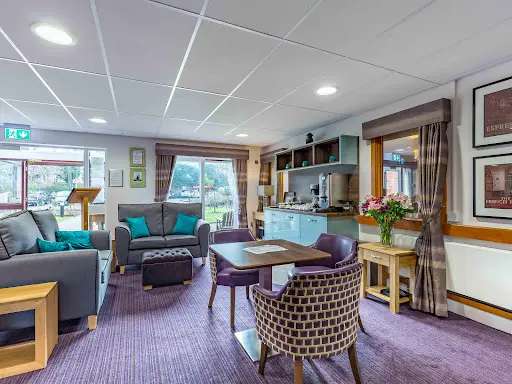
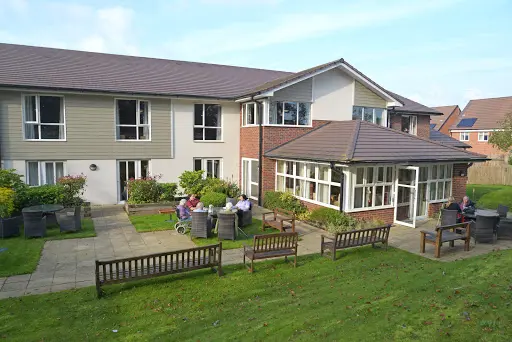
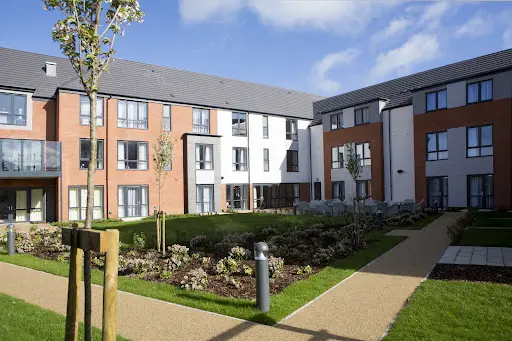
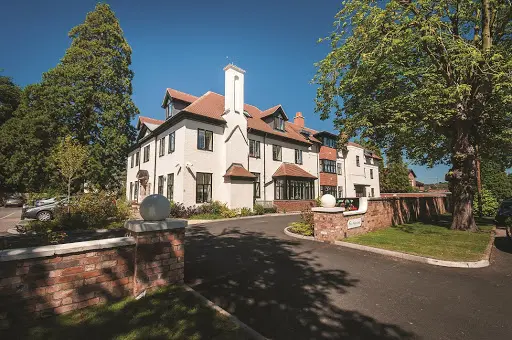
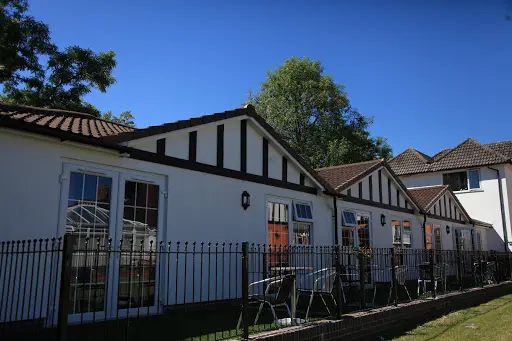
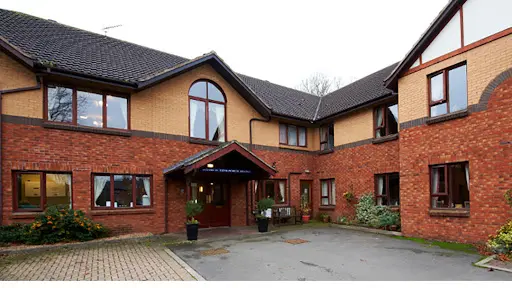
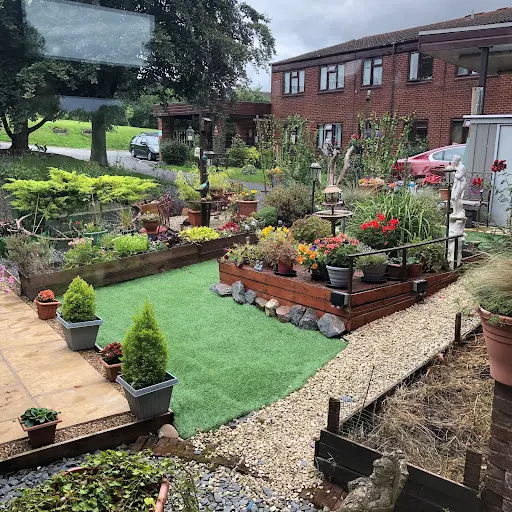
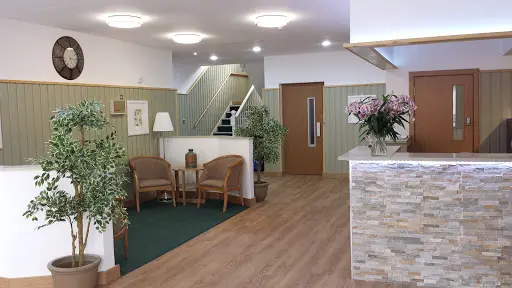
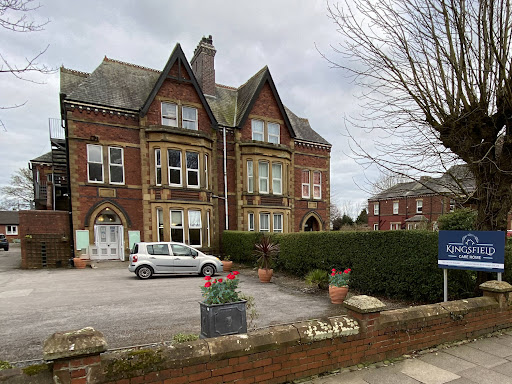
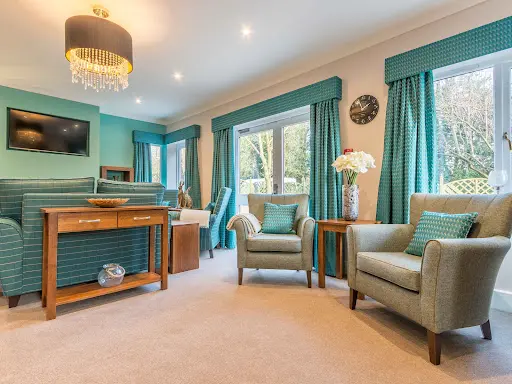
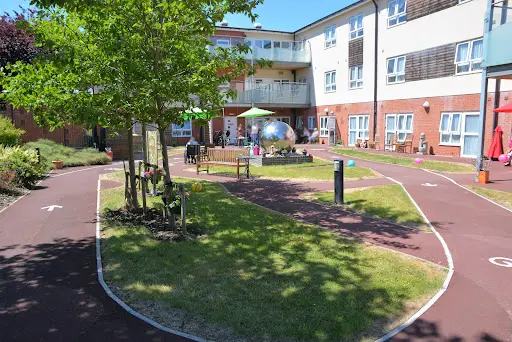
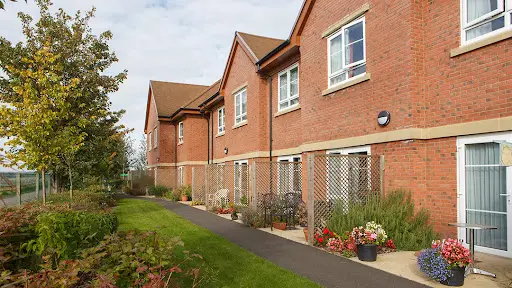
The home maintains high standards of cleanliness throughout, creating spaces that feel both professional and homely. Residents and families make good use of the gardens when weather permits, and there's a café area where visitors can spend relaxed time together. The activity programme gives residents real choices about how they spend their days, from group sessions to quieter pursuits.
“Sometimes the hardest decisions lead to the most hopeful outcomes — something many families discover here.”
DCC does not edit or curate content in this tab. For independently curated information, see The Evidence and DCC Verdict.