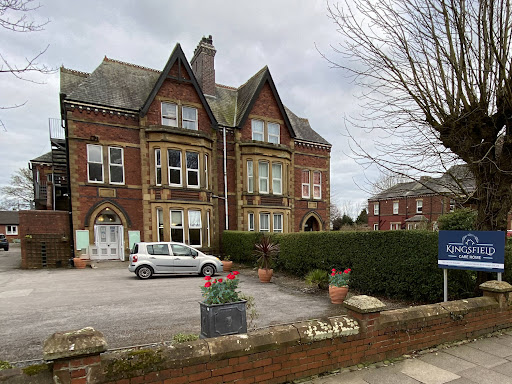
Barchester – Overslade House Care Home
At a Glance
The information you need to decide whether this home warrants a closer look.
Nursing homes
Staff warmth score
of reviewers answered yes
Good to know
- Registered beds90
- SpecialismsCaring for adults over 65 yrs, Caring for adults under 65 yrs, Dementia
- Last inspected2018-07-25
Save Barchester – Overslade House Care Home to your shortlist
Keep a running list, add visit notes, and compare homes side-by-side. Free account — it takes a minute.
STAGE 4 — RESEARCHING CARE HOMES
Visit homes. Compare them side by side. Choose with confidence.
Most of us will view care homes the way we view houses, impression, atmosphere, the feeling in the corridor. We go home, try to remember what we saw, and make a permanent decision from a blurred memory.

The DCC shortlist gives every home you visit a structured record: the same twelve questions, answered the same way, every time. When you’re ready to choose, pull any two homes side by side and compare them directly. Same criteria, same evidence, your notes and your scores.
The Evidence
What the review data, the inspection reports, and the dementia-care evidence base tell us about this home.
What families say
What strikes families first is how content the staff seem in their work — you'll notice genuine smiles and a sense of purpose that translates directly into how residents are cared for. People describe their relatives settling in remarkably quickly, gaining weight, joining in with activities they enjoy, and generally seeming more like themselves again. The Memory Lane unit creates a particularly thoughtful environment for those living with dementia, using familiar objects and tailored activities to help residents feel secure.
The eight family priority themes
- Staff warmth72
- Compassion & dignity72
- Cleanliness72
- Activities & engagement65
- Food quality65
- Healthcare72
- Management & leadership74
- Resident happiness70
What inspectors found
Inspected 2018-07-25
Is this home safe?
Is the care effective?
The December 2025 inspection rated Effective as Good. The home is registered for nursing care and for dementia, which requires specific staff competencies beyond standard personal care. The published inspection summary does not include detail on care plan quality, GP access arrangements, dementia training content, or how food and nutrition are managed. The evidence available is confined to the domain rating itself.Is this home caring?
The December 2025 inspection rated Caring as Good. This is the domain most closely connected to what families say matters most: staff warmth (57.3% of positive reviews in the DCC dataset) and compassion and dignity (55.2%). The published inspection summary does not include direct observations of staff interactions, quotes from residents or relatives, or specific examples of how dignity is maintained in everyday practice. The rating is positive but the supporting detail is not available in the published text.Is the home responsive?
The December 2025 inspection rated Responsive as Good. Responsiveness covers whether your parent will have a meaningful daily life: activities, individual engagement, how the home responds to changing needs, and end-of-life planning. The published inspection summary contains no specific detail about the activity programme, one-to-one engagement for people with advanced dementia, or how individual preferences are accommodated. The rating alone is what is available.Is the home well-led?
The December 2025 inspection rated Well-led as Good. The home is run by Barchester Healthcare Homes Limited, a large national provider, with a nominated individual recorded. The improvement from Requires Improvement to Good across all domains suggests that leadership has driven meaningful change since the previous inspection. The published summary does not include detail on manager tenure, staff culture, how the home handles complaints, or how governance systems operate in practice.
Source: CQC inspection report →
What the evidence base says
The home cares for adults both under and over 65, with particular expertise in dementia care and supporting people through complex health transitions. The Memory Lane unit offers a dedicated space where residents with dementia can feel secure and engaged. Staff work with familiar objects and personalised activities to help each person maintain their sense of identity and connection. All areas worth probing directly during a visit.
The DCC Verdict
Our editorial view, built from the three lenses: what families tell us, what inspectors record, and how the home sits against good dementia-care practice.
DCC Family Score
Overslade House scores 74 out of 100. The home achieved a Good rating across all five domains at its December 2025 inspection, an improvement on its previous Requires Improvement rating, but the published report contains very limited specific detail, which limits how confidently we can score individual themes.
Homes in West Midlands typically score 68–82.The three-lens summary
What families tell us
What strikes families first is how content the staff seem in their work — you'll notice genuine smiles and a sense of purpose that translates directly into how residents are cared for. People describe their relatives settling in remarkably quickly, gaining weight, joining in with activities they enjoy, and generally seeming more like themselves again. The Memory Lane unit creates a particularly thoughtful environment for those living with dementia, using familiar objects and tailored activities to help residents feel secure.
What inspectors have recorded
Communication stands out as a real strength here — families talk about regular updates, managers who are genuinely available to chat, and staff who remember the little things that matter to each resident. During particularly difficult periods, like when someone's health is declining, the team seems to strike that delicate balance between professional competence and genuine compassion. They're clearly used to supporting families through tough decisions and transitions.
How it sits against good practice
Sometimes the best measure of a care home is how families feel months after making that difficult decision — and at Overslade House, they seem to feel they made the right choice.
Worth a visit
Overslade House, at 12 Overslade Lane, Rugby, was rated Good across all five inspection domains at its assessment in December 2025, with the report published in March 2026. Crucially, this is an improvement on a previous Requires Improvement rating, which means inspectors found meaningful progress. The home is a 90-bed nursing home run by Barchester Healthcare Homes Limited, registered to care for people with dementia and adults of all ages. The main limitation here is that the published inspection summary contains very little specific detail: no direct observations, no quotes from residents or relatives, and no breakdown of what changed since the previous rating. This makes it difficult to go beyond the headline Good rating. Before committing to this home, visit in person, ask to see last week's actual staffing rota including night shifts, speak to the unit manager about what changed following the previous Requires Improvement rating, and spend time in a communal area watching how staff interact with the people who live there.
The three questions to ask when you visitSave this home. Compare it against your shortlist.
Let our analysis show you how Barchester – Overslade House Care Home measures up against the other homes you’re considering. Free account.
In Their Own Words
How Barchester – Overslade House Care Home describes itself — collected from its own website. DCC has not edited or independently verified the content in this tab.
Where warmth and expertise meet for families facing tough transitions
Nursing home in Rugby: True Peace of Mind
When you're looking for the right care in Rugby, especially during difficult times, you need somewhere that understands what really matters. Overslade House has built its reputation on helping families through some of life's hardest moments — whether that's moving from hospital, adjusting to dementia, or needing compassionate end-of-life care. Set in the West Midlands, this home offers both general nursing and specialised support for those challenging transitions.
Who they care for
The home cares for adults both under and over 65, with particular expertise in dementia care and supporting people through complex health transitions.
The Memory Lane unit offers a dedicated space where residents with dementia can feel secure and engaged. Staff work with familiar objects and personalised activities to help each person maintain their sense of identity and connection.
“Sometimes the best measure of a care home is how families feel months after making that difficult decision — and at Overslade House, they seem to feel they made the right choice.”
DCC does not edit or curate content in this tab. For independently curated information, see The Evidence and DCC Verdict.
The DCC Verdict
Our editorial view, built from the three lenses: what families tell us, what inspectors record, and how the home sits against good dementia-care practice.
DCC Family Score
Overslade House scores 74 out of 100. The home achieved a Good rating across all five domains at its December 2025 inspection, an improvement on its previous Requires Improvement rating, but the published report contains very limited specific detail, which limits how confidently we can score individual themes.
Homes in West Midlands typically score 68–82.The three-lens summary
What families tell us
What strikes families first is how content the staff seem in their work — you'll notice genuine smiles and a sense of purpose that translates directly into how residents are cared for. People describe their relatives settling in remarkably quickly, gaining weight, joining in with activities they enjoy, and generally seeming more like themselves again. The Memory Lane unit creates a particularly thoughtful environment for those living with dementia, using familiar objects and tailored activities to help residents feel secure.
What inspectors have recorded
Communication stands out as a real strength here — families talk about regular updates, managers who are genuinely available to chat, and staff who remember the little things that matter to each resident. During particularly difficult periods, like when someone's health is declining, the team seems to strike that delicate balance between professional competence and genuine compassion. They're clearly used to supporting families through tough decisions and transitions.
How it sits against good practice
Sometimes the best measure of a care home is how families feel months after making that difficult decision — and at Overslade House, they seem to feel they made the right choice.
Worth a visit
Overslade House, at 12 Overslade Lane, Rugby, was rated Good across all five inspection domains at its assessment in December 2025, with the report published in March 2026. Crucially, this is an improvement on a previous Requires Improvement rating, which means inspectors found meaningful progress. The home is a 90-bed nursing home run by Barchester Healthcare Homes Limited, registered to care for people with dementia and adults of all ages. The main limitation here is that the published inspection summary contains very little specific detail: no direct observations, no quotes from residents or relatives, and no breakdown of what changed since the previous rating. This makes it difficult to go beyond the headline Good rating. Before committing to this home, visit in person, ask to see last week's actual staffing rota including night shifts, speak to the unit manager about what changed following the previous Requires Improvement rating, and spend time in a communal area watching how staff interact with the people who live there.
The three questions to ask when you visitSave this home. Compare it against your shortlist.
Let our analysis show you how Barchester – Overslade House Care Home measures up against the other homes you’re considering. Free account.
In Their Own Words
How Barchester – Overslade House Care Home describes itself — collected from its own website. DCC has not edited or independently verified the content in this tab.
Where warmth and expertise meet for families facing tough transitions
Nursing home in Rugby: True Peace of Mind
When you're looking for the right care in Rugby, especially during difficult times, you need somewhere that understands what really matters. Overslade House has built its reputation on helping families through some of life's hardest moments — whether that's moving from hospital, adjusting to dementia, or needing compassionate end-of-life care. Set in the West Midlands, this home offers both general nursing and specialised support for those challenging transitions.
Who they care for
The home cares for adults both under and over 65, with particular expertise in dementia care and supporting people through complex health transitions.
The Memory Lane unit offers a dedicated space where residents with dementia can feel secure and engaged. Staff work with familiar objects and personalised activities to help each person maintain their sense of identity and connection.
Management & ethos
Communication stands out as a real strength here — families talk about regular updates, managers who are genuinely available to chat, and staff who remember the little things that matter to each resident. During particularly difficult periods, like when someone's health is declining, the team seems to strike that delicate balance between professional competence and genuine compassion. They're clearly used to supporting families through tough decisions and transitions.
The home & environment
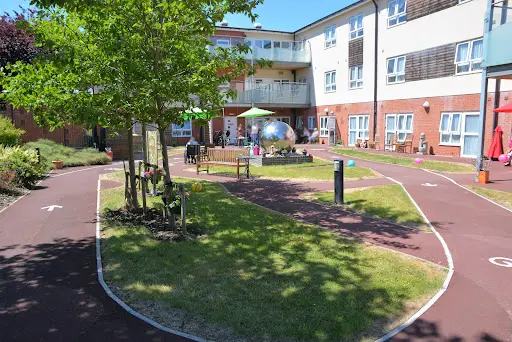
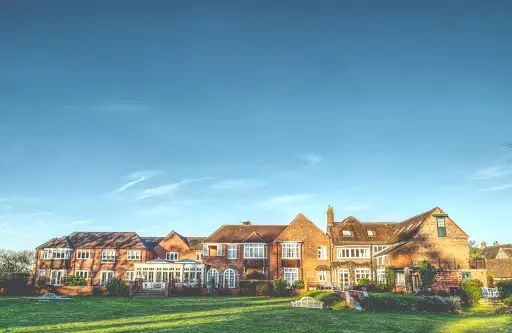
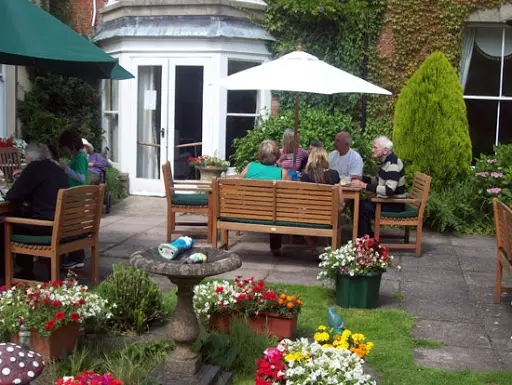
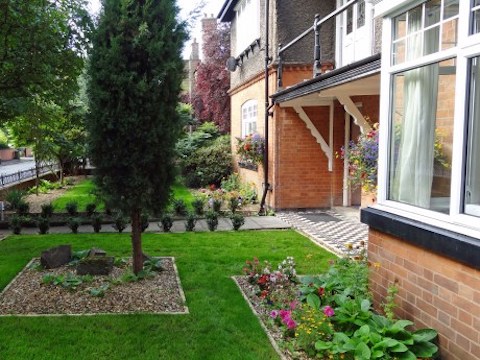
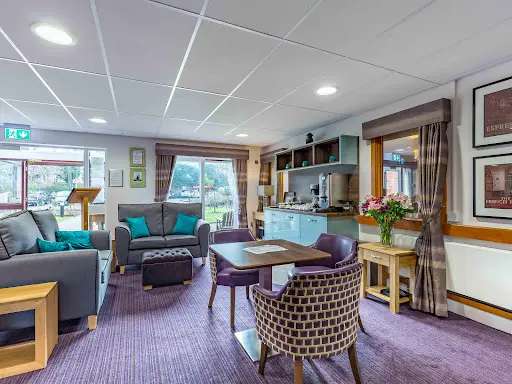
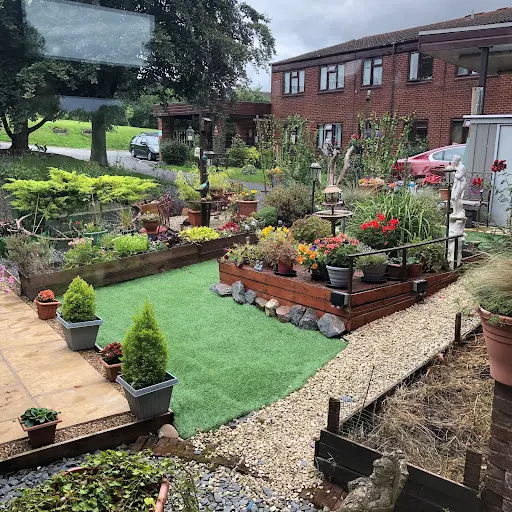
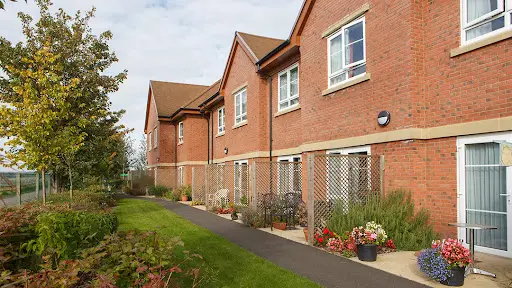
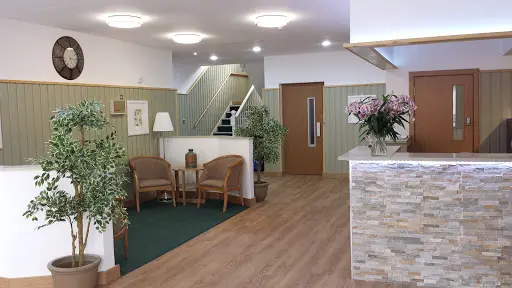
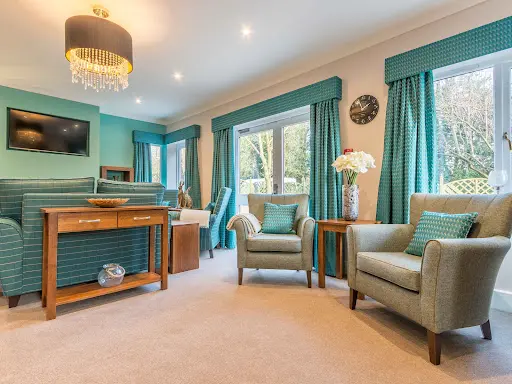
The 24/7 café gives families flexibility to visit whenever works for them, and there's proper thought given to making rooms feel personal with photos and familiar items. Birthdays get celebrated properly, and there's regular entertainment that residents actually seem to enjoy participating in. The whole place feels designed around what makes day-to-day life comfortable rather than institutional.
“Sometimes the best measure of a care home is how families feel months after making that difficult decision — and at Overslade House, they seem to feel they made the right choice.”
DCC does not edit or curate content in this tab. For independently curated information, see The Evidence and DCC Verdict.