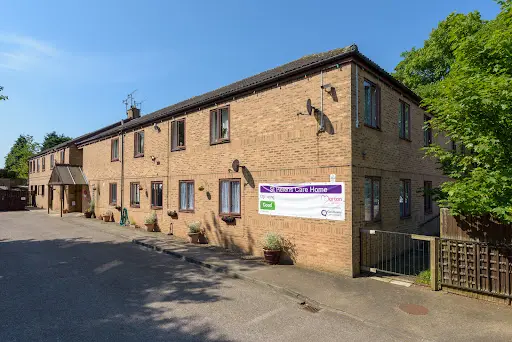
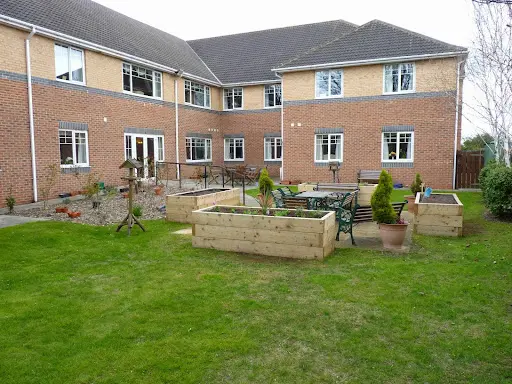
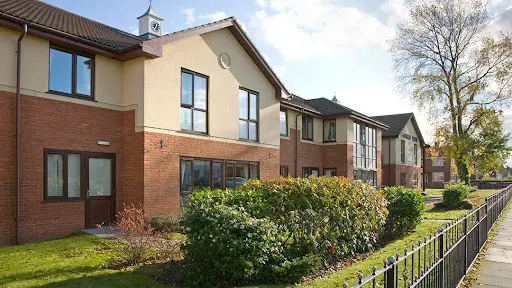
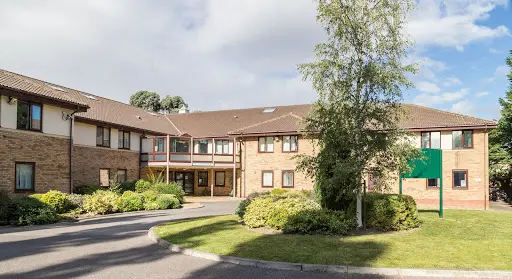
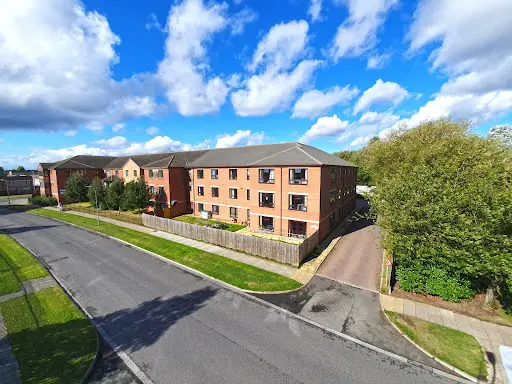
St Helens Care Home
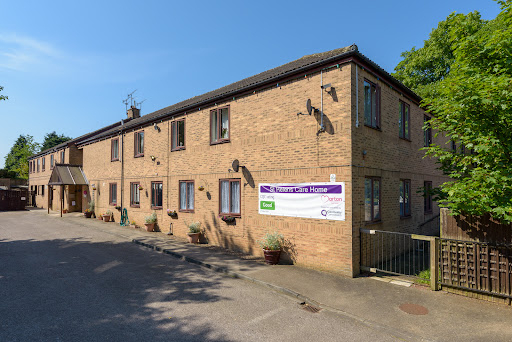
At a Glance
The information you need to decide whether this home warrants a closer look.
Nursing homes, Rehabilitation (substance abuse)
Staff warmth score
of reviewers answered yes
Good to know
- Registered beds40
- SpecialismsCaring for adults over 65 yrs, Caring for adults under 65 yrs, Dementia, Mental health conditions, Physical disabilities, Substance misuse problems
- Last inspected2021-05-29
Save St Helens Care Home to your shortlist
Keep a running list, add visit notes, and compare homes side-by-side. Free account — it takes a minute.
STAGE 4 — RESEARCHING CARE HOMES
Visit homes. Compare them side by side. Choose with confidence.
Most of us will view care homes the way we view houses, impression, atmosphere, the feeling in the corridor. We go home, try to remember what we saw, and make a permanent decision from a blurred memory.

The DCC shortlist gives every home you visit a structured record: the same twelve questions, answered the same way, every time. When you’re ready to choose, pull any two homes side by side and compare them directly. Same criteria, same evidence, your notes and your scores.
The Evidence
What the review data, the inspection reports, and the dementia-care evidence base tell us about this home.
What families say
Families visiting St Helens often comment on the genuine warmth they encounter. Staff don't just go through the motions — they're emotionally present, taking time to understand individual concerns and creating connections that feel real. The atmosphere stays calm and unhurried, which particularly helps residents who need that extra bit of patience.
The eight family priority themes
- Staff warmth72
- Compassion & dignity72
- Cleanliness65
- Activities & engagement55
- Food quality55
- Healthcare68
- Management & leadership72
- Resident happiness65
What inspectors found
Inspected 2021-05-29
Is this home safe?
Is the care effective?
The home was rated Good for Effective at its May 2021 inspection. Dementia is listed as a registered specialism, and the home also provides nursing care and treatment for substance misuse. The published report does not include detail on care plan content, GP access arrangements, dementia training programmes, or how the home monitors and responds to changes in residents' health. No specific observations or records are referenced in the available text.Is this home caring?
The home was rated Good for Caring at its May 2021 inspection. This domain covers staff warmth, dignity, respect, and independence. The published report does not include inspector observations of staff interactions, resident or relative quotes, or specific examples of how dignity and privacy are maintained. The Good rating confirms inspectors were satisfied, but no supporting detail is available in the published text.Is the home responsive?
The home was rated Good for Responsive at its May 2021 inspection. This domain covers activities, individual engagement, and how the home responds to residents' changing needs. The published report provides no detail about the activities programme, one-to-one engagement for people who cannot join groups, or how individual preferences are recorded and acted on. The home covers a wide range of specialisms, which suggests the population is varied and individual responsiveness is particularly important.Is the home well-led?
The home was rated Good for Well-led at its May 2021 inspection. Mrs Suzanne Goodwin is the registered manager and Mrs Kirsty Crozier is the nominated individual. The published report does not describe management visibility, staff culture, governance systems, audit processes, or how the home handles complaints and learning from incidents. The July 2023 desk-based review found no evidence to prompt a reassessment of the rating.
Source: CQC inspection report →
What the evidence base says
St Helens supports adults both under and over 65, with particular experience in dementia care, mental health conditions, physical disabilities and substance misuse challenges. This broad expertise means they're equipped for complex situations that need skilled, patient support. For residents living with dementia, the calm atmosphere and patient approach of the staff creates a reassuring environment. The team understands that rushing doesn't help anyone, especially when cognitive challenges mean everyday tasks take a bit longer. All areas worth probing directly during a visit.
The DCC Verdict
Our editorial view, built from the three lenses: what families tell us, what inspectors record, and how the home sits against good dementia-care practice.
DCC Family Score
St Helens Care Home was rated Good across all five inspection domains, which is a positive baseline, but the published report contains very little specific detail or direct observation to support higher scores in any theme. The ratings reflect a confirmed Good standard as of May 2021, with a desk-based review in July 2023 finding no evidence to change that rating.
Homes in North East typically score 68–82.The three-lens summary
What families tell us
Families visiting St Helens often comment on the genuine warmth they encounter. Staff don't just go through the motions — they're emotionally present, taking time to understand individual concerns and creating connections that feel real. The atmosphere stays calm and unhurried, which particularly helps residents who need that extra bit of patience.
What inspectors have recorded
The team here seems to work with refreshing honesty. During assessments, staff discuss what they can and can't provide openly, helping families make informed decisions. Nurses particularly stand out for their willingness to listen carefully to specific worries and work through them together.
How it sits against good practice
If you're looking for somewhere that puts genuine care before glossy appearances, St Helens might surprise you in the best possible way.
Worth a visit
St Helens Care Home, on Manor Road in Bishop Auckland, was rated Good across all five inspection domains at its last full inspection in May 2021. A desk-based review in July 2023 found no evidence to change that rating. The home is registered for 40 beds and covers an unusually broad range of specialisms, including dementia, mental health conditions, physical disabilities, and substance misuse rehabilitation, alongside nursing care for both older and younger adults. The main uncertainty here is that the published inspection report contains very little specific detail. No inspector observations, resident or relative quotes, or concrete examples of care practice are recorded in the available text, so it is not possible to go beyond the headline Good ratings. This means the home carries a confirmed Good standard but families should treat a visit as essential rather than optional. Ask to speak to the registered manager, Mrs Suzanne Goodwin, about how the different resident groups are supported alongside each other, what the night staffing ratio is for 40 residents, and how often your parent's care plan would be reviewed with your involvement.
The three questions to ask when you visitSave this home. Compare it against your shortlist.
Let our analysis show you how St Helens Care Home measures up against the other homes you’re considering. Free account.
In Their Own Words
How St Helens Care Home describes itself — collected from its own website. DCC has not edited or independently verified the content in this tab.
Where staff genuinely care in a calm, unhurried atmosphere
Nursing home,rehabilitation (substance abuse) in Bishop Auckland: True Peace of Mind
St Helens Care Home in Bishop Auckland creates something special through its people rather than its premises. This North East care home focuses on what matters most — staff who take time to listen, engage warmly with residents, and create a settled environment where complex care needs are met with patience and understanding.
Who they care for
St Helens supports adults both under and over 65, with particular experience in dementia care, mental health conditions, physical disabilities and substance misuse challenges. This broad expertise means they're equipped for complex situations that need skilled, patient support.
For residents living with dementia, the calm atmosphere and patient approach of the staff creates a reassuring environment. The team understands that rushing doesn't help anyone, especially when cognitive challenges mean everyday tasks take a bit longer.
“If you're looking for somewhere that puts genuine care before glossy appearances, St Helens might surprise you in the best possible way.”
DCC does not edit or curate content in this tab. For independently curated information, see The Evidence and DCC Verdict.
The DCC Verdict
Our editorial view, built from the three lenses: what families tell us, what inspectors record, and how the home sits against good dementia-care practice.
DCC Family Score
St Helens Care Home was rated Good across all five inspection domains, which is a positive baseline, but the published report contains very little specific detail or direct observation to support higher scores in any theme. The ratings reflect a confirmed Good standard as of May 2021, with a desk-based review in July 2023 finding no evidence to change that rating.
Homes in North East typically score 68–82.The three-lens summary
What families tell us
Families visiting St Helens often comment on the genuine warmth they encounter. Staff don't just go through the motions — they're emotionally present, taking time to understand individual concerns and creating connections that feel real. The atmosphere stays calm and unhurried, which particularly helps residents who need that extra bit of patience.
What inspectors have recorded
The team here seems to work with refreshing honesty. During assessments, staff discuss what they can and can't provide openly, helping families make informed decisions. Nurses particularly stand out for their willingness to listen carefully to specific worries and work through them together.
How it sits against good practice
If you're looking for somewhere that puts genuine care before glossy appearances, St Helens might surprise you in the best possible way.
Worth a visit
St Helens Care Home, on Manor Road in Bishop Auckland, was rated Good across all five inspection domains at its last full inspection in May 2021. A desk-based review in July 2023 found no evidence to change that rating. The home is registered for 40 beds and covers an unusually broad range of specialisms, including dementia, mental health conditions, physical disabilities, and substance misuse rehabilitation, alongside nursing care for both older and younger adults. The main uncertainty here is that the published inspection report contains very little specific detail. No inspector observations, resident or relative quotes, or concrete examples of care practice are recorded in the available text, so it is not possible to go beyond the headline Good ratings. This means the home carries a confirmed Good standard but families should treat a visit as essential rather than optional. Ask to speak to the registered manager, Mrs Suzanne Goodwin, about how the different resident groups are supported alongside each other, what the night staffing ratio is for 40 residents, and how often your parent's care plan would be reviewed with your involvement.
The three questions to ask when you visitSave this home. Compare it against your shortlist.
Let our analysis show you how St Helens Care Home measures up against the other homes you’re considering. Free account.
In Their Own Words
How St Helens Care Home describes itself — collected from its own website. DCC has not edited or independently verified the content in this tab.
Where staff genuinely care in a calm, unhurried atmosphere
Nursing home,rehabilitation (substance abuse) in Bishop Auckland: True Peace of Mind
St Helens Care Home in Bishop Auckland creates something special through its people rather than its premises. This North East care home focuses on what matters most — staff who take time to listen, engage warmly with residents, and create a settled environment where complex care needs are met with patience and understanding.
Who they care for
St Helens supports adults both under and over 65, with particular experience in dementia care, mental health conditions, physical disabilities and substance misuse challenges. This broad expertise means they're equipped for complex situations that need skilled, patient support.
For residents living with dementia, the calm atmosphere and patient approach of the staff creates a reassuring environment. The team understands that rushing doesn't help anyone, especially when cognitive challenges mean everyday tasks take a bit longer.
Management & ethos
The team here seems to work with refreshing honesty. During assessments, staff discuss what they can and can't provide openly, helping families make informed decisions. Nurses particularly stand out for their willingness to listen carefully to specific worries and work through them together.
“If you're looking for somewhere that puts genuine care before glossy appearances, St Helens might surprise you in the best possible way.”
DCC does not edit or curate content in this tab. For independently curated information, see The Evidence and DCC Verdict.