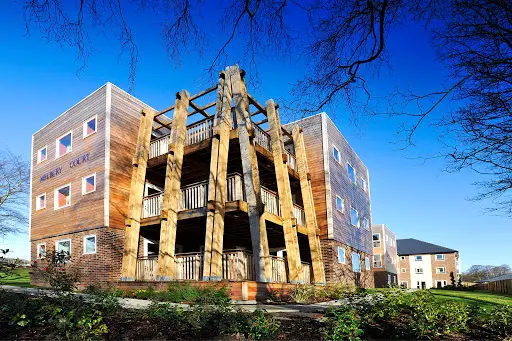
Woodside Grange Care Home

At a Glance
The information you need to decide whether this home warrants a closer look.
Nursing homes, Residential homes
Staff warmth score
of reviewers answered yes
Good to know
- Registered beds121
- SpecialismsCaring for adults over 65 yrs, Caring for adults under 65 yrs, Dementia, Learning disabilities, Mental health conditions, Physical disabilities
- Last inspected2021-01-27
Save Woodside Grange Care Home to your shortlist
Keep a running list, add visit notes, and compare homes side-by-side. Free account — it takes a minute.
STAGE 4 — RESEARCHING CARE HOMES
Visit homes. Compare them side by side. Choose with confidence.
Most of us will view care homes the way we view houses, impression, atmosphere, the feeling in the corridor. We go home, try to remember what we saw, and make a permanent decision from a blurred memory.

The DCC shortlist gives every home you visit a structured record: the same twelve questions, answered the same way, every time. When you’re ready to choose, pull any two homes side by side and compare them directly. Same criteria, same evidence, your notes and your scores.
The Evidence
What the review data, the inspection reports, and the dementia-care evidence base tell us about this home.
What families say
The home offers structured daily activities including exercise sessions and spiritual workshops, with informal social engagement throughout the day. Some families report their relatives settled well into routines, particularly those in early-stage dementia who adapted quickly to the environment. Student healthcare professionals visiting the home have noted friendly, approachable staff who support learning opportunities.
The eight family priority themes
- Staff warmth72
- Compassion & dignity72
- Cleanliness72
- Activities & engagement68
- Food quality68
- Healthcare70
- Management & leadership75
- Resident happiness70
What inspectors found
Inspected 2021-01-27
Is this home safe?
Is the care effective?
The Effective domain was rated Good at the July 2024 assessment. This suggests that care plans were in place and considered fit for purpose, staff training met the required standard, and residents had access to healthcare professionals including GPs. The home supports a wide specialism range, including dementia and nursing care, which means effective practice covers complex clinical needs. No specific examples of care planning, training content, or healthcare access arrangements are included in the published findings.Is this home caring?
The Caring domain was rated Good at the July 2024 assessment. This rating covers staff warmth, dignity, respect, independence, and responsiveness to individual needs. For inspectors to award Good, they would have seen broadly positive interactions between staff and residents. The published summary does not include direct observations of staff behaviour, resident reactions, or family testimony, which limits how much specific reassurance this report can offer.Is the home responsive?
The Responsive domain was rated Good at the July 2024 assessment. This covers activities, engagement, individuality, complaint handling, and end-of-life care. For a 121-bed home supporting people with a wide range of needs, including advanced dementia and physical disabilities, responsiveness requires both group and individual approaches to engagement. The published summary does not include detail about the activity programme, one-to-one engagement, complaint volumes, or end-of-life planning.Is the home well-led?
The Well-led domain was rated Good at the July 2024 assessment. The home is run by St. Martin's Care Limited, with Mrs Barbara Parker as Registered Manager and Mrs Hayley Louise Robertshaw as Nominated Individual. A named, accountable manager is in place. The improvement from a previous Requires Improvement rating to Good across all domains is a meaningful indicator that leadership has driven genuine change. The published summary does not include detail about staff culture, governance systems, or how the manager is experienced day-to-day by staff and residents.
Source: CQC inspection report →
What the evidence base says
The home caters for adults both under and over 65 with a range of conditions including dementia, learning disabilities, mental health conditions and physical disabilities. This breadth of expertise means they work with residents who have complex or multiple care needs. For those considering dementia care, some families report their relatives adapted well to life at Woodside Grange without the distress of wanting to return home. The home provides structured activities designed to engage residents with varying cognitive abilities. All areas worth probing directly during a visit.
The DCC Verdict
Our editorial view, built from the three lenses: what families tell us, what inspectors record, and how the home sits against good dementia-care practice.
DCC Family Score
Woodside Grange Care Home scores 74 out of 100, reflecting a genuine improvement from a previous Requires Improvement rating to Good across all five inspection domains. The score is held back by limited specific detail in the published report, meaning many areas are confirmed as good but without the direct observations or resident testimony that would justify higher confidence.
Homes in North East typically score 68–82.The three-lens summary
What families tell us
The home offers structured daily activities including exercise sessions and spiritual workshops, with informal social engagement throughout the day. Some families report their relatives settled well into routines, particularly those in early-stage dementia who adapted quickly to the environment. Student healthcare professionals visiting the home have noted friendly, approachable staff who support learning opportunities.
What inspectors have recorded
Experiences with care standards vary significantly between families. While some report dignified, compassionate support sustained over several years, others describe concerning lapses in basic care including delayed toilet assistance, inadequate fall prevention measures, and hygiene issues. These contrasting accounts suggest inconsistent care delivery that warrants thorough investigation during any visit.
How it sits against good practice
Given the contrasting experiences reported, visiting Woodside Grange and asking detailed questions about their care practices would be an essential step in your decision-making process.
Worth a visit
Woodside Grange Care Home, on Teddar Avenue in Stockton-on-Tees, was assessed in July 2024 and rated Good across all five inspection domains, with the full report published in February 2025. This represents a meaningful improvement from a previous rating of Requires Improvement, and inspectors were satisfied with safety, care practice, staffing, leadership, and responsiveness. The home is large at 121 beds and registered to support people with dementia, learning disabilities, mental health conditions, physical disabilities, and nursing needs, which makes the breadth of its Good rating significant. The main limitation of this report is that the published text is brief and contains very little specific detail, direct observation, or resident and family testimony. A Good rating confirms the home met the required standard, but it does not tell you what daily life actually looks like for your mum or dad. When you visit, ask to see the actual staffing rota for last week (counting permanent versus agency names and checking night shifts separately), request a mealtime visit to judge food quality yourself, and ask how staff are specifically trained to support someone with dementia. These are questions the home should be able to answer confidently.
The three questions to ask when you visitSave this home. Compare it against your shortlist.
Let our analysis show you how Woodside Grange Care Home measures up against the other homes you’re considering. Free account.
In Their Own Words
How Woodside Grange Care Home describes itself — collected from its own website. DCC has not edited or independently verified the content in this tab.
Complex care needs met with structured activities and long-term support
Woodside Grange Care Home – Your Trusted nursing home,residential home
Choosing care for someone with dementia or complex health conditions requires careful consideration of many factors. Woodside Grange Care Home in Stockton On Tees provides support for adults with various needs including dementia, learning disabilities, mental health conditions and physical disabilities. While some families have found consistent, compassionate care here over many years, others have raised serious concerns about safety and hygiene standards that potential residents should carefully explore.
Who they care for
The home caters for adults both under and over 65 with a range of conditions including dementia, learning disabilities, mental health conditions and physical disabilities. This breadth of expertise means they work with residents who have complex or multiple care needs.
For those considering dementia care, some families report their relatives adapted well to life at Woodside Grange without the distress of wanting to return home. The home provides structured activities designed to engage residents with varying cognitive abilities.
“Given the contrasting experiences reported, visiting Woodside Grange and asking detailed questions about their care practices would be an essential step in your decision-making process.”
DCC does not edit or curate content in this tab. For independently curated information, see The Evidence and DCC Verdict.
The DCC Verdict
Our editorial view, built from the three lenses: what families tell us, what inspectors record, and how the home sits against good dementia-care practice.
DCC Family Score
Woodside Grange Care Home scores 74 out of 100, reflecting a genuine improvement from a previous Requires Improvement rating to Good across all five inspection domains. The score is held back by limited specific detail in the published report, meaning many areas are confirmed as good but without the direct observations or resident testimony that would justify higher confidence.
Homes in North East typically score 68–82.The three-lens summary
What families tell us
The home offers structured daily activities including exercise sessions and spiritual workshops, with informal social engagement throughout the day. Some families report their relatives settled well into routines, particularly those in early-stage dementia who adapted quickly to the environment. Student healthcare professionals visiting the home have noted friendly, approachable staff who support learning opportunities.
What inspectors have recorded
Experiences with care standards vary significantly between families. While some report dignified, compassionate support sustained over several years, others describe concerning lapses in basic care including delayed toilet assistance, inadequate fall prevention measures, and hygiene issues. These contrasting accounts suggest inconsistent care delivery that warrants thorough investigation during any visit.
How it sits against good practice
Given the contrasting experiences reported, visiting Woodside Grange and asking detailed questions about their care practices would be an essential step in your decision-making process.
Worth a visit
Woodside Grange Care Home, on Teddar Avenue in Stockton-on-Tees, was assessed in July 2024 and rated Good across all five inspection domains, with the full report published in February 2025. This represents a meaningful improvement from a previous rating of Requires Improvement, and inspectors were satisfied with safety, care practice, staffing, leadership, and responsiveness. The home is large at 121 beds and registered to support people with dementia, learning disabilities, mental health conditions, physical disabilities, and nursing needs, which makes the breadth of its Good rating significant. The main limitation of this report is that the published text is brief and contains very little specific detail, direct observation, or resident and family testimony. A Good rating confirms the home met the required standard, but it does not tell you what daily life actually looks like for your mum or dad. When you visit, ask to see the actual staffing rota for last week (counting permanent versus agency names and checking night shifts separately), request a mealtime visit to judge food quality yourself, and ask how staff are specifically trained to support someone with dementia. These are questions the home should be able to answer confidently.
The three questions to ask when you visitSave this home. Compare it against your shortlist.
Let our analysis show you how Woodside Grange Care Home measures up against the other homes you’re considering. Free account.
In Their Own Words
How Woodside Grange Care Home describes itself — collected from its own website. DCC has not edited or independently verified the content in this tab.
Complex care needs met with structured activities and long-term support
Woodside Grange Care Home – Your Trusted nursing home,residential home
Choosing care for someone with dementia or complex health conditions requires careful consideration of many factors. Woodside Grange Care Home in Stockton On Tees provides support for adults with various needs including dementia, learning disabilities, mental health conditions and physical disabilities. While some families have found consistent, compassionate care here over many years, others have raised serious concerns about safety and hygiene standards that potential residents should carefully explore.
Who they care for
The home caters for adults both under and over 65 with a range of conditions including dementia, learning disabilities, mental health conditions and physical disabilities. This breadth of expertise means they work with residents who have complex or multiple care needs.
For those considering dementia care, some families report their relatives adapted well to life at Woodside Grange without the distress of wanting to return home. The home provides structured activities designed to engage residents with varying cognitive abilities.
Management & ethos
Experiences with care standards vary significantly between families. While some report dignified, compassionate support sustained over several years, others describe concerning lapses in basic care including delayed toilet assistance, inadequate fall prevention measures, and hygiene issues. These contrasting accounts suggest inconsistent care delivery that warrants thorough investigation during any visit.
“Given the contrasting experiences reported, visiting Woodside Grange and asking detailed questions about their care practices would be an essential step in your decision-making process.”
DCC does not edit or curate content in this tab. For independently curated information, see The Evidence and DCC Verdict.