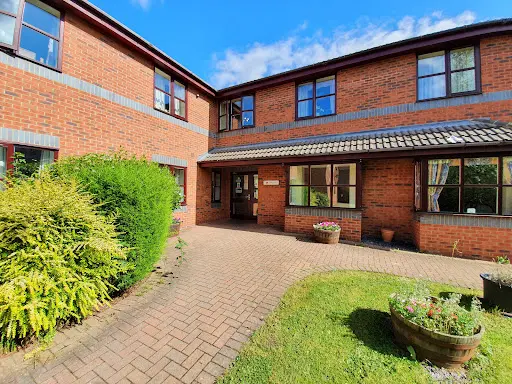
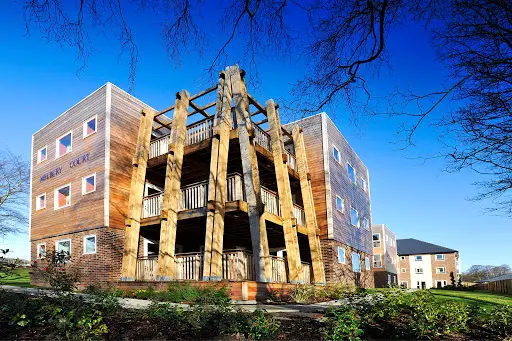
Barchester – Hawthorns Care Centre
At a Glance
The information you need to decide whether this home warrants a closer look.
Nursing homes, Rehabilitation (illness/injury)
Staff warmth score
of reviewers answered yes
Good to know
- Registered beds108
- SpecialismsCaring for adults over 65 yrs, Caring for adults under 65 yrs, Dementia, Mental health conditions, Physical disabilities
- Last inspected2023-02-02
Save Barchester – Hawthorns Care Centre to your shortlist
Keep a running list, add visit notes, and compare homes side-by-side. Free account — it takes a minute.
STAGE 4 — RESEARCHING CARE HOMES
Visit homes. Compare them side by side. Choose with confidence.
Most of us will view care homes the way we view houses, impression, atmosphere, the feeling in the corridor. We go home, try to remember what we saw, and make a permanent decision from a blurred memory.

The DCC shortlist gives every home you visit a structured record: the same twelve questions, answered the same way, every time. When you’re ready to choose, pull any two homes side by side and compare them directly. Same criteria, same evidence, your notes and your scores.
The Evidence
What the review data, the inspection reports, and the dementia-care evidence base tell us about this home.
What families say
The eight family priority themes
- Staff warmth92
- Compassion & dignity95
- Cleanliness72
- Activities & engagement88
- Food quality65
- Healthcare72
- Management & leadership75
- Resident happiness85
What inspectors found
Inspected 2023-02-02
Is this home safe?
Is the care effective?
Inspectors rated the Effective domain Good. This covers whether staff have the right training and skills, whether care plans are kept up to date and reflect each person's individual needs, and whether residents' health is properly monitored and supported. Given the home's specialisms in dementia and mental health, the inspection would have considered dementia training and specialist care planning. The Good rating indicates inspectors were satisfied with the standard, though no specific detail about training content, GP access frequency, or food quality is recorded in the published summary.Is this home caring?
Inspectors rated the Caring domain Outstanding. This is the highest possible rating and is awarded only when inspectors find specific, consistent evidence that staff treat residents with genuine warmth, dignity, and respect. At The Hawthorns, this means inspectors observed interactions, spoke to residents and relatives, and reviewed records, and found that the standard of kindness and respect here goes beyond what is expected. An Outstanding Caring rating in a home specialising in dementia and mental health is particularly meaningful, as it requires staff to communicate well with people who may not be able to express their needs verbally.Is the home responsive?
Inspectors rated the Responsive domain Outstanding. This covers whether the home tailors daily life to each person's individual history, preferences, and changing needs, whether activities are meaningful and varied, and whether the home responds well at the end of life. An Outstanding rating here means inspectors found specific evidence that the home goes beyond a standard activity timetable and genuinely adapts to each person. For a home with dementia and mental health specialisms, this rating indicates that individual engagement, not just group programming, was observed and confirmed.Is the home well-led?
Inspectors rated the Well-led domain Good. The registered manager is Miss Nichola Ann Williams, and the nominated individual is Mr Dominic Jude Kay. The home is run by Barchester Healthcare Homes Limited, a large national provider. A Good Well-led rating means inspectors found that leadership is visible, that staff are supported, that governance systems are in place, and that the home learns from incidents and feedback. The improvement from a previous Requires Improvement rating to an overall Outstanding reflects significant leadership-driven change, and the Well-led domain being rated Good rather than Outstanding suggests there is still room for improvement in governance and accountability.
Source: CQC inspection report →
What the evidence base says
The home cares for adults both under and over 65, including those with dementia, mental health conditions, and physical disabilities. Physiotherapy forms a key part of their rehabilitation approach. Dementia care is provided as part of their specialist services, supporting residents with varying stages of memory loss alongside other complex care needs. All areas worth probing directly during a visit.
The DCC Verdict
Our editorial view, built from the three lenses: what families tell us, what inspectors record, and how the home sits against good dementia-care practice.
DCC Family Score
The Hawthorns scores strongly on the themes that matter most to families, particularly staff warmth and compassion, which drove the Outstanding ratings in Caring and Responsive. Scores are lower in areas where the inspection provided less specific detail, such as food quality and cleanliness.
Homes in North East typically score 68–82.Worth a visit
The Hawthorns in Peterlee was rated Outstanding at its inspection in September 2022, with the report published in February 2023. This is a significant achievement and a notable improvement from its previous rating of Requires Improvement. Inspectors awarded Outstanding in both Caring and Responsive, meaning they found specific, consistent evidence that staff treat the people who live here with genuine kindness and dignity, and that the home makes a real effort to tailor life here to each individual. Safe, Effective, and Well-led were each rated Good. The main uncertainty here is that the published inspection summary is brief and does not provide detailed observations or quotes to back up the headline ratings. This means you are placing some trust in the inspection judgement without being able to read the specific evidence behind it. When you visit, focus on what you can see and hear for yourself: watch how staff move through the building and whether they acknowledge your parent by name, ask to see last week's actual staffing rota including night shifts, and ask the manager directly about agency staff use across the last three months. A home that has improved from Requires Improvement to Outstanding is a home whose leadership has driven real change, and that trajectory is encouraging, but it is worth understanding what specifically changed and who led that change.
The three questions to ask when you visitSave this home. Compare it against your shortlist.
Let our analysis show you how Barchester – Hawthorns Care Centre measures up against the other homes you’re considering. Free account.
In Their Own Words
How Barchester – Hawthorns Care Centre describes itself — collected from its own website. DCC has not edited or independently verified the content in this tab.
Specialist care with dedicated therapy support in Peterlee
The Hawthorns – Your Trusted nursing home,rehabilitation (illness/injury)
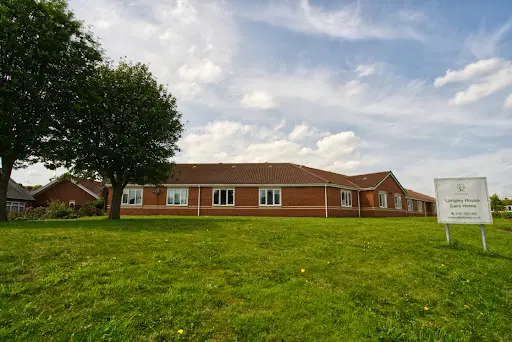
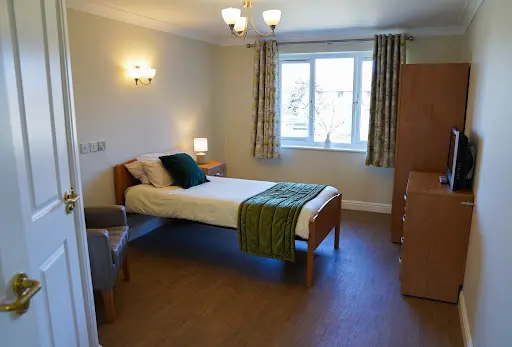
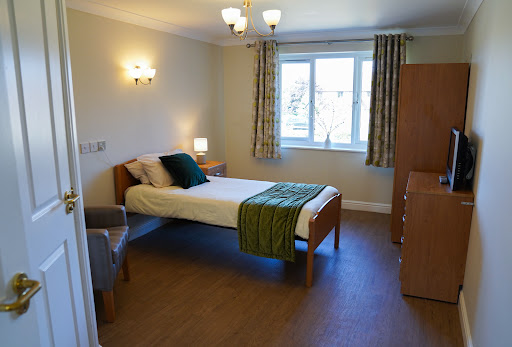
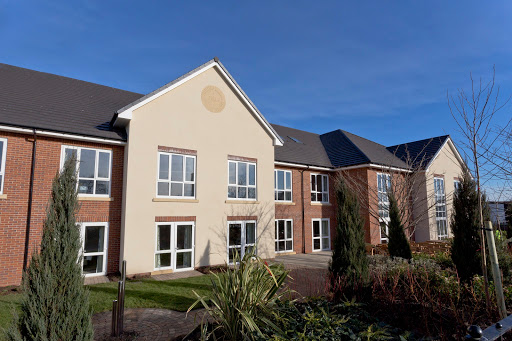
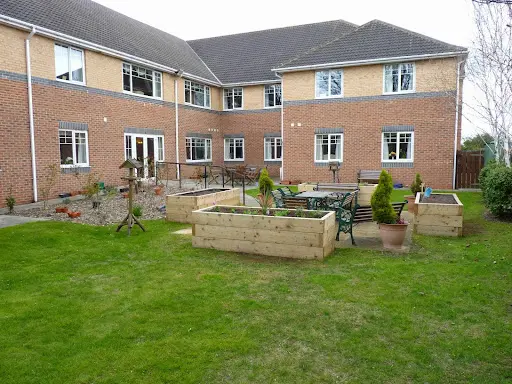
The Hawthorns in Peterlee provides residential care with a focus on rehabilitation and specialist support. This North East care home offers structured physiotherapy programmes alongside care for residents with dementia, mental health conditions, and physical disabilities. The home maintains clean, spacious environments for its residents across different age groups.
Who they care for
The home cares for adults both under and over 65, including those with dementia, mental health conditions, and physical disabilities. Physiotherapy forms a key part of their rehabilitation approach.
Dementia care is provided as part of their specialist services, supporting residents with varying stages of memory loss alongside other complex care needs.
“If you'd like to learn more about their therapy programmes and specialist support, visiting The Hawthorns could help you understand their approach.”
DCC does not edit or curate content in this tab. For independently curated information, see The Evidence and DCC Verdict.
The DCC Verdict
Our editorial view, built from the three lenses: what families tell us, what inspectors record, and how the home sits against good dementia-care practice.
DCC Family Score
The Hawthorns scores strongly on the themes that matter most to families, particularly staff warmth and compassion, which drove the Outstanding ratings in Caring and Responsive. Scores are lower in areas where the inspection provided less specific detail, such as food quality and cleanliness.
Homes in North East typically score 68–82.Worth a visit
The Hawthorns in Peterlee was rated Outstanding at its inspection in September 2022, with the report published in February 2023. This is a significant achievement and a notable improvement from its previous rating of Requires Improvement. Inspectors awarded Outstanding in both Caring and Responsive, meaning they found specific, consistent evidence that staff treat the people who live here with genuine kindness and dignity, and that the home makes a real effort to tailor life here to each individual. Safe, Effective, and Well-led were each rated Good. The main uncertainty here is that the published inspection summary is brief and does not provide detailed observations or quotes to back up the headline ratings. This means you are placing some trust in the inspection judgement without being able to read the specific evidence behind it. When you visit, focus on what you can see and hear for yourself: watch how staff move through the building and whether they acknowledge your parent by name, ask to see last week's actual staffing rota including night shifts, and ask the manager directly about agency staff use across the last three months. A home that has improved from Requires Improvement to Outstanding is a home whose leadership has driven real change, and that trajectory is encouraging, but it is worth understanding what specifically changed and who led that change.
The three questions to ask when you visitSave this home. Compare it against your shortlist.
Let our analysis show you how Barchester – Hawthorns Care Centre measures up against the other homes you’re considering. Free account.
In Their Own Words
How Barchester – Hawthorns Care Centre describes itself — collected from its own website. DCC has not edited or independently verified the content in this tab.
Specialist care with dedicated therapy support in Peterlee
The Hawthorns – Your Trusted nursing home,rehabilitation (illness/injury)
The Hawthorns in Peterlee provides residential care with a focus on rehabilitation and specialist support. This North East care home offers structured physiotherapy programmes alongside care for residents with dementia, mental health conditions, and physical disabilities. The home maintains clean, spacious environments for its residents across different age groups.
Who they care for
The home cares for adults both under and over 65, including those with dementia, mental health conditions, and physical disabilities. Physiotherapy forms a key part of their rehabilitation approach.
Dementia care is provided as part of their specialist services, supporting residents with varying stages of memory loss alongside other complex care needs.
“If you'd like to learn more about their therapy programmes and specialist support, visiting The Hawthorns could help you understand their approach.”
DCC does not edit or curate content in this tab. For independently curated information, see The Evidence and DCC Verdict.