St George's Care Home – Bupa
At a Glance
The information you need to decide whether this home warrants a closer look.
Nursing homes
Staff warmth score
of reviewers answered yes
Good to know
- Registered beds63
- SpecialismsCaring for adults over 65 yrs, Caring for adults under 65 yrs, Dementia, Mental health conditions
- Last inspected2020-01-22
Save St George's Care Home – Bupa to your shortlist
Keep a running list, add visit notes, and compare homes side-by-side. Free account — it takes a minute.
STAGE 4 — RESEARCHING CARE HOMES
Visit homes. Compare them side by side. Choose with confidence.
Most of us will view care homes the way we view houses, impression, atmosphere, the feeling in the corridor. We go home, try to remember what we saw, and make a permanent decision from a blurred memory.

The DCC shortlist gives every home you visit a structured record: the same twelve questions, answered the same way, every time. When you’re ready to choose, pull any two homes side by side and compare them directly. Same criteria, same evidence, your notes and your scores.
The Evidence
What the review data, the inspection reports, and the dementia-care evidence base tell us about this home.
What families say
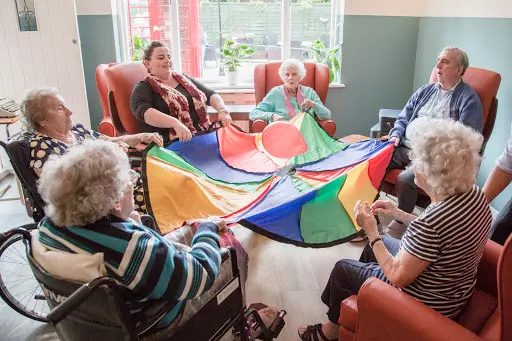
Relatives describe a warm atmosphere where every staff member — from reception to the gardening team — knows residents by name and stops for a chat. Families feel welcomed during visits, with staff making time to update them properly about their loved one's care and daily life.
The eight family priority themes
- Staff warmth72
- Compassion & dignity72
- Cleanliness68
- Activities & engagement60
- Food quality60
- Healthcare68
- Management & leadership72
- Resident happiness68
What inspectors found
Inspected 2020-01-22
Is this home safe?
Is the care effective?
Effective was rated Good at the December 2019 inspection. The home is registered to provide nursing care and lists dementia as a specialism. The published text does not describe the content of staff training, how care plans are written or reviewed, what food looks like day to day, or how the home manages access to GPs and other health professionals. The Good rating indicates inspectors found required standards met.Is this home caring?
Caring was rated Good at the December 2019 inspection. The published text includes no inspector observations about how staff interact with residents, whether people are addressed by preferred names, whether there is an unhurried pace to care, or how the home responds when someone is distressed. The Good rating indicates inspectors were satisfied that standards for dignity and respect were met at the time of the visit.Is the home responsive?
Responsive was rated Good at the December 2019 inspection. The home lists dementia as a specialism and provides care for up to 63 people. The published text includes no description of the activities programme, whether activities are tailored to individuals, how the home supports people who cannot participate in group sessions, or what arrangements exist for end-of-life care. The Good rating indicates inspectors found required standards met.Is the home well-led?
Well-led was rated Good at the December 2019 inspection, improving from the previous Requires Improvement rating. A named registered manager, Mrs Vanessa Gertrude Eugene, and a nominated individual, Mr Donald Day, were recorded at the time of inspection. The published text does not describe the management culture, whether staff feel supported to raise concerns, how the home handles complaints, or what governance processes are in place. The Good rating indicates inspectors found required standards met.
Source: CQC inspection report →
What the evidence base says
The home cares for adults both under and over 65, including those with dementia and mental health conditions. The team uses person-first approaches to dementia care, taking time to learn about each resident's background and what matters to them. This helps create daily routines that feel familiar and dignified. All areas worth probing directly during a visit.
The DCC Verdict
Our editorial view, built from the three lenses: what families tell us, what inspectors record, and how the home sits against good dementia-care practice.
DCC Family Score
St George's Care Home received a Good rating across all five inspection domains in December 2019, an improvement from its previous Requires Improvement rating. The published report text provides limited specific detail, so scores reflect the confirmed Good rating rather than rich observational evidence.
Homes in South East typically score 68–82.The three-lens summary
What families tell us
Relatives describe a warm atmosphere where every staff member — from reception to the gardening team — knows residents by name and stops for a chat. Families feel welcomed during visits, with staff making time to update them properly about their loved one's care and daily life.
What inspectors have recorded
Staff here seem to stick around, which families really value. The nursing team handles complex medical needs confidently, supporting smooth transitions from hospital or previous placements that weren't working out. Communication flows well, with relatives feeling heard when they raise concerns.
How it sits against good practice
It's the kind of place where small details — like remembering how someone takes their tea — seem to matter as much as the clinical care.
Worth a visit
St George's Care Home on Byfleet Road in Cobham was rated Good across all five inspection domains at its inspection in December 2019, an improvement from a previous Requires Improvement rating. The home is run by Bupa Care Homes and, at the time of inspection, had a named registered manager in post. It cares for up to 63 people, including those living with dementia and mental health conditions, and provides nursing as well as personal care. The main limitation of this report is that the published text contains very little specific detail: no inspector observations, no resident or family quotes, and no descriptions of what daily life actually looks like. That improvement from Requires Improvement is encouraging and worth noting, but a Good rating alone cannot tell you whether the warmth, activities, food, and night staffing will suit your parent. Before you decide, visit in the afternoon when you can observe staff interactions in the corridors, ask to see last week's actual staffing rota (not the template), and ask specifically how many permanent staff work on the dementia unit overnight.
The three questions to ask when you visitSave this home. Compare it against your shortlist.
Let our analysis show you how St George's Care Home – Bupa measures up against the other homes you’re considering. Free account.
In Their Own Words
How St George's Care Home – Bupa describes itself — collected from its own website. DCC has not edited or independently verified the content in this tab.
Where dementia care feels genuinely personal and families find real reassurance
St George's Care Home – Your Trusted nursing home
When families visit St George's Care Home in Cobham, they often mention the same thing — how settled their relatives seem, even those living with dementia who struggled elsewhere. This care home takes time to understand each person's history and preferences, creating care plans that help residents feel genuinely at home.
Who they care for
The home cares for adults both under and over 65, including those with dementia and mental health conditions.
The team uses person-first approaches to dementia care, taking time to learn about each resident's background and what matters to them. This helps create daily routines that feel familiar and dignified.
“It's the kind of place where small details — like remembering how someone takes their tea — seem to matter as much as the clinical care.”
DCC does not edit or curate content in this tab. For independently curated information, see The Evidence and DCC Verdict.
The DCC Verdict
Our editorial view, built from the three lenses: what families tell us, what inspectors record, and how the home sits against good dementia-care practice.
DCC Family Score
St George's Care Home received a Good rating across all five inspection domains in December 2019, an improvement from its previous Requires Improvement rating. The published report text provides limited specific detail, so scores reflect the confirmed Good rating rather than rich observational evidence.
Homes in South East typically score 68–82.The three-lens summary
What families tell us
Relatives describe a warm atmosphere where every staff member — from reception to the gardening team — knows residents by name and stops for a chat. Families feel welcomed during visits, with staff making time to update them properly about their loved one's care and daily life.
What inspectors have recorded
Staff here seem to stick around, which families really value. The nursing team handles complex medical needs confidently, supporting smooth transitions from hospital or previous placements that weren't working out. Communication flows well, with relatives feeling heard when they raise concerns.
How it sits against good practice
It's the kind of place where small details — like remembering how someone takes their tea — seem to matter as much as the clinical care.
Worth a visit
St George's Care Home on Byfleet Road in Cobham was rated Good across all five inspection domains at its inspection in December 2019, an improvement from a previous Requires Improvement rating. The home is run by Bupa Care Homes and, at the time of inspection, had a named registered manager in post. It cares for up to 63 people, including those living with dementia and mental health conditions, and provides nursing as well as personal care. The main limitation of this report is that the published text contains very little specific detail: no inspector observations, no resident or family quotes, and no descriptions of what daily life actually looks like. That improvement from Requires Improvement is encouraging and worth noting, but a Good rating alone cannot tell you whether the warmth, activities, food, and night staffing will suit your parent. Before you decide, visit in the afternoon when you can observe staff interactions in the corridors, ask to see last week's actual staffing rota (not the template), and ask specifically how many permanent staff work on the dementia unit overnight.
The three questions to ask when you visitSave this home. Compare it against your shortlist.
Let our analysis show you how St George's Care Home – Bupa measures up against the other homes you’re considering. Free account.
In Their Own Words
How St George's Care Home – Bupa describes itself — collected from its own website. DCC has not edited or independently verified the content in this tab.
Where dementia care feels genuinely personal and families find real reassurance
St George's Care Home – Your Trusted nursing home
When families visit St George's Care Home in Cobham, they often mention the same thing — how settled their relatives seem, even those living with dementia who struggled elsewhere. This care home takes time to understand each person's history and preferences, creating care plans that help residents feel genuinely at home.
Who they care for
The home cares for adults both under and over 65, including those with dementia and mental health conditions.
The team uses person-first approaches to dementia care, taking time to learn about each resident's background and what matters to them. This helps create daily routines that feel familiar and dignified.
Management & ethos
Staff here seem to stick around, which families really value. The nursing team handles complex medical needs confidently, supporting smooth transitions from hospital or previous placements that weren't working out. Communication flows well, with relatives feeling heard when they raise concerns.
The home & environment
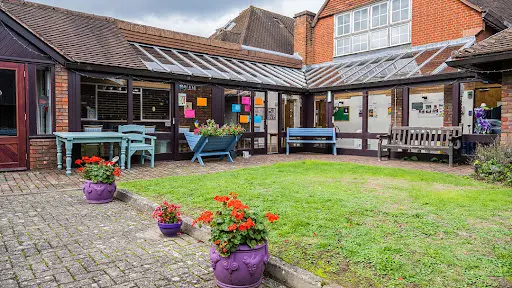
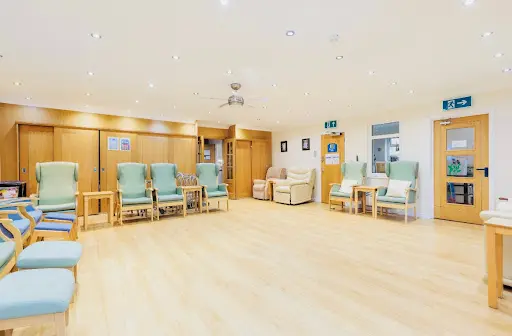
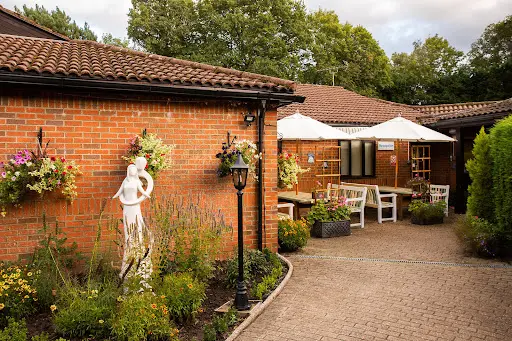
The food gets particular praise from families, who mention delicious meals with proper choice and special occasions thoughtfully celebrated. While the home stays clean and tidy, some visitors notice the faint background scent common to many care homes, though they say it's much better managed here than elsewhere.
“It's the kind of place where small details — like remembering how someone takes their tea — seem to matter as much as the clinical care.”
DCC does not edit or curate content in this tab. For independently curated information, see The Evidence and DCC Verdict.