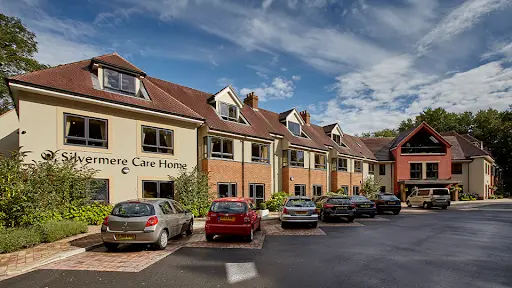
Silvermere Care Home
At a Glance
The information you need to decide whether this home warrants a closer look.
Residential homes
Staff warmth score
of reviewers answered yes
Good to know
- Registered beds72
- SpecialismsCaring for adults over 65 yrs, Caring for adults under 65 yrs, Dementia
- Last inspected2019-03-02
Save Silvermere Care Home to your shortlist
Keep a running list, add visit notes, and compare homes side-by-side. Free account — it takes a minute.
STAGE 4 — RESEARCHING CARE HOMES
Visit homes. Compare them side by side. Choose with confidence.
Most of us will view care homes the way we view houses, impression, atmosphere, the feeling in the corridor. We go home, try to remember what we saw, and make a permanent decision from a blurred memory.

The DCC shortlist gives every home you visit a structured record: the same twelve questions, answered the same way, every time. When you’re ready to choose, pull any two homes side by side and compare them directly. Same criteria, same evidence, your notes and your scores.
The Evidence
What the review data, the inspection reports, and the dementia-care evidence base tell us about this home.
What families say
Visitors often mention the genuine friendliness they encounter here. Residents seem visibly content, whether they're taking part in spa sessions or simply enjoying the lake views. The team appears particularly skilled at helping people settle in, with thoughtful touches that ease those difficult early days.
The eight family priority themes
- Staff warmth82
- Compassion & dignity80
- Cleanliness78
- Activities & engagement72
- Food quality72
- Healthcare75
- Management & leadership78
- Resident happiness75
What inspectors found
Inspected 2019-03-02
Is this home safe?
Is the care effective?
The inspection rated Effective as Good. This covers training, care planning, healthcare access, and nutritional support. A Good rating indicates inspectors found these systems to be functioning adequately. The published report does not record the content of dementia training, how frequently care plans are reviewed, or how GP and specialist access is arranged for residents whose health changes.Is this home caring?
The inspection rated Caring as Good. This domain covers staff warmth, dignity, respect, and whether residents are treated as individuals. A Good rating means inspectors were satisfied with what they observed during their visit. The published report does not include direct quotes from residents or relatives, specific observations of staff interactions, or examples of how dignity is maintained during personal care.Is the home responsive?
The inspection rated Responsive as Good. This covers how well the home tailors care to individuals, including activities, engagement, and end-of-life support. A Good rating indicates inspectors found that the home was meeting people's needs in a reasonably personalised way. The published report does not include specific detail on the activity programme, evidence of one-to-one engagement for residents with advanced dementia, or how end-of-life wishes are recorded and respected.Is the home well-led?
The inspection rated Well-led as Good. This domain covers management visibility, staff culture, governance, and the home's ability to learn from mistakes. The nominated individual is listed as Mrs Natasha Southall and the provider is Avery Homes Weybridge Limited. The published report does not record manager tenure, observations of staff culture, specific examples of quality improvement, or how the home responds when things go wrong.
Source: CQC inspection report →
What the evidence base says
Silvermere welcomes adults both under and over 65, including those living with dementia. The home adapts its approach to meet different care needs while maintaining that sense of community. For residents with dementia, the team focuses on maintaining quality of life through each stage of the condition. Families have noted how staff help preserve dignity and comfort, even during the most challenging times. All areas worth probing directly during a visit.
The DCC Verdict
Our editorial view, built from the three lenses: what families tell us, what inspectors record, and how the home sits against good dementia-care practice.
DCC Family Score
Silvermere Care Home received a Good rating across all five inspection domains at its September 2025 assessment, which translates to a solid but not exceptional Family Score of 79. The published report does not contain the detailed inspector observations, resident testimony, or specific examples that would push individual themes higher.
Homes in South East typically score 68–82.The three-lens summary
What families tell us
Visitors often mention the genuine friendliness they encounter here. Residents seem visibly content, whether they're taking part in spa sessions or simply enjoying the lake views. The team appears particularly skilled at helping people settle in, with thoughtful touches that ease those difficult early days.
What inspectors have recorded
The leadership team stays actively involved in daily life here, and families appreciate being able to reach them when needed. Staff respond quickly to residents' needs, and there's a real sense of consistency in the care approach. They seem to handle sensitive situations — whether health changes or end-of-life care — with particular thoughtfulness.
How it sits against good practice
Sometimes the right care home just feels different — calmer, kinder, more attuned to what really matters.
Worth a visit
Silvermere Care Home in Cobham was rated Good across all five inspection domains at its most recent assessment on 15 September 2025, with the report published 27 October 2025. The home is registered for up to 72 beds and specialises in dementia care alongside general residential care for adults over and under 65. A Good rating in every domain is a meaningful baseline: it means inspectors did not identify safety concerns, staffing failures, or poor practice at the time of their visit. The home is run by Avery Homes Weybridge Limited. The main limitation of this report is that the published summary does not include the detailed inspector observations, direct quotes from residents or relatives, or specific examples that would let families assess day-to-day experience with confidence. A Good rating tells you the home passed; it does not tell you what visiting on a Tuesday afternoon in winter actually feels like. Before making a decision, visit at a mealtime or during an activity session, ask to see last week's actual staffing rota (not the template), and specifically ask how many permanent staff work on the dementia unit after 8pm. Those three things will tell you more than any rating alone.
The three questions to ask when you visitSave this home. Compare it against your shortlist.
Let our analysis show you how Silvermere Care Home measures up against the other homes you’re considering. Free account.
In Their Own Words
How Silvermere Care Home describes itself — collected from its own website. DCC has not edited or independently verified the content in this tab.
Where daily activities and genuine warmth create meaningful days
Dedicated residential home Support in Cobham
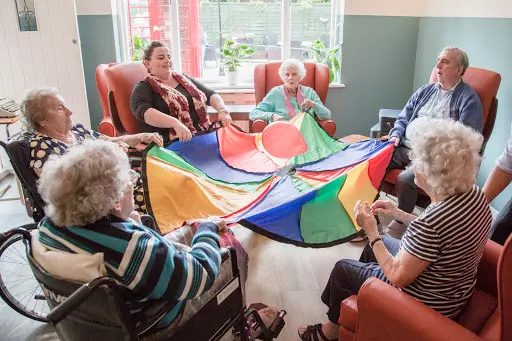
There's something quietly reassuring about watching your loved one join in with tai chi by the lake. At Silvermere Care Home in Cobham, families describe a place where structured activities blend with spontaneous moments of joy. The care team here seems to understand that small gestures — remembering how someone likes their tea, noticing when they need a quiet moment — can make all the difference.
Who they care for
Silvermere welcomes adults both under and over 65, including those living with dementia. The home adapts its approach to meet different care needs while maintaining that sense of community.
For residents with dementia, the team focuses on maintaining quality of life through each stage of the condition. Families have noted how staff help preserve dignity and comfort, even during the most challenging times.
“Sometimes the right care home just feels different — calmer, kinder, more attuned to what really matters.”
DCC does not edit or curate content in this tab. For independently curated information, see The Evidence and DCC Verdict.
The DCC Verdict
Our editorial view, built from the three lenses: what families tell us, what inspectors record, and how the home sits against good dementia-care practice.
DCC Family Score
Silvermere Care Home received a Good rating across all five inspection domains at its September 2025 assessment, which translates to a solid but not exceptional Family Score of 79. The published report does not contain the detailed inspector observations, resident testimony, or specific examples that would push individual themes higher.
Homes in South East typically score 68–82.The three-lens summary
What families tell us
Visitors often mention the genuine friendliness they encounter here. Residents seem visibly content, whether they're taking part in spa sessions or simply enjoying the lake views. The team appears particularly skilled at helping people settle in, with thoughtful touches that ease those difficult early days.
What inspectors have recorded
The leadership team stays actively involved in daily life here, and families appreciate being able to reach them when needed. Staff respond quickly to residents' needs, and there's a real sense of consistency in the care approach. They seem to handle sensitive situations — whether health changes or end-of-life care — with particular thoughtfulness.
How it sits against good practice
Sometimes the right care home just feels different — calmer, kinder, more attuned to what really matters.
Worth a visit
Silvermere Care Home in Cobham was rated Good across all five inspection domains at its most recent assessment on 15 September 2025, with the report published 27 October 2025. The home is registered for up to 72 beds and specialises in dementia care alongside general residential care for adults over and under 65. A Good rating in every domain is a meaningful baseline: it means inspectors did not identify safety concerns, staffing failures, or poor practice at the time of their visit. The home is run by Avery Homes Weybridge Limited. The main limitation of this report is that the published summary does not include the detailed inspector observations, direct quotes from residents or relatives, or specific examples that would let families assess day-to-day experience with confidence. A Good rating tells you the home passed; it does not tell you what visiting on a Tuesday afternoon in winter actually feels like. Before making a decision, visit at a mealtime or during an activity session, ask to see last week's actual staffing rota (not the template), and specifically ask how many permanent staff work on the dementia unit after 8pm. Those three things will tell you more than any rating alone.
The three questions to ask when you visitSave this home. Compare it against your shortlist.
Let our analysis show you how Silvermere Care Home measures up against the other homes you’re considering. Free account.
In Their Own Words
How Silvermere Care Home describes itself — collected from its own website. DCC has not edited or independently verified the content in this tab.
Where daily activities and genuine warmth create meaningful days
Dedicated residential home Support in Cobham
There's something quietly reassuring about watching your loved one join in with tai chi by the lake. At Silvermere Care Home in Cobham, families describe a place where structured activities blend with spontaneous moments of joy. The care team here seems to understand that small gestures — remembering how someone likes their tea, noticing when they need a quiet moment — can make all the difference.
Who they care for
Silvermere welcomes adults both under and over 65, including those living with dementia. The home adapts its approach to meet different care needs while maintaining that sense of community.
For residents with dementia, the team focuses on maintaining quality of life through each stage of the condition. Families have noted how staff help preserve dignity and comfort, even during the most challenging times.
Management & ethos
The leadership team stays actively involved in daily life here, and families appreciate being able to reach them when needed. Staff respond quickly to residents' needs, and there's a real sense of consistency in the care approach. They seem to handle sensitive situations — whether health changes or end-of-life care — with particular thoughtfulness.
The home & environment
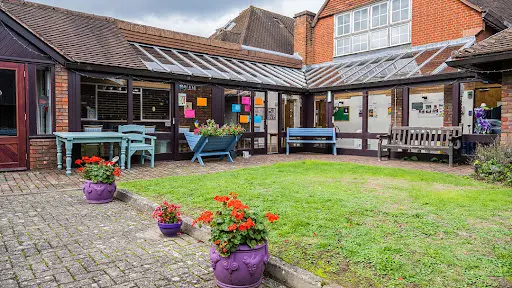
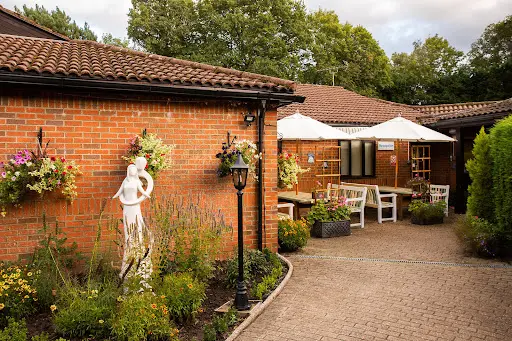
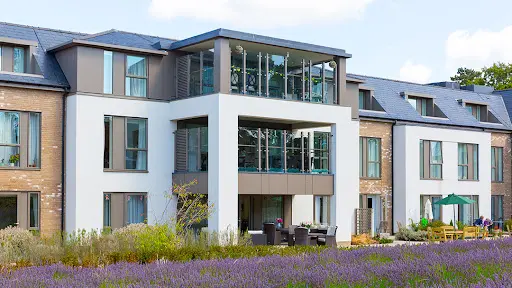
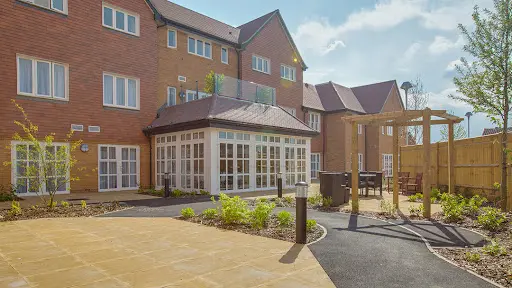
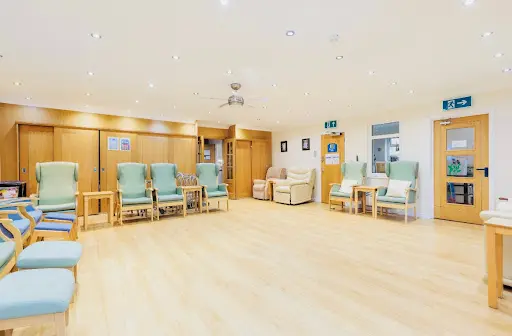
The grounds here are something special — those lake views aren't just pretty, they seem to lift spirits. The home keeps everything well-maintained, from the communal areas to the outdoor spaces where residents can wander safely. There's a full programme of activities too, from gentle exercise classes to creative pursuits.
“Sometimes the right care home just feels different — calmer, kinder, more attuned to what really matters.”
DCC does not edit or curate content in this tab. For independently curated information, see The Evidence and DCC Verdict.