St Catherine Care Home

At a Glance
The information you need to decide whether this home warrants a closer look.
Residential homes
Staff warmth score
of reviewers answered yes
Good to know
- Registered beds19
- SpecialismsCaring for adults over 65 yrs, Dementia
- Last inspected2018-05-05
Save St Catherine Care Home to your shortlist
Keep a running list, add visit notes, and compare homes side-by-side. Free account — it takes a minute.
STAGE 4 — RESEARCHING CARE HOMES
Visit homes. Compare them side by side. Choose with confidence.
Most of us will view care homes the way we view houses, impression, atmosphere, the feeling in the corridor. We go home, try to remember what we saw, and make a permanent decision from a blurred memory.

The DCC shortlist gives every home you visit a structured record: the same twelve questions, answered the same way, every time. When you’re ready to choose, pull any two homes side by side and compare them directly. Same criteria, same evidence, your notes and your scores.
The Evidence
What the review data, the inspection reports, and the dementia-care evidence base tell us about this home.
What families say
Families describe a place where their loved ones seem genuinely content and engaged. Staff take time to chat with visiting relatives, keeping them updated on how things are going and making sure everyone feels part of the care journey.
The eight family priority themes
- Staff warmth55
- Compassion & dignity55
- Cleanliness55
- Activities & engagement50
- Food quality50
- Healthcare55
- Management & leadership60
- Resident happiness55
What inspectors found
Inspected 2018-05-05
Is this home safe?
Is the care effective?
The effective domain was rated Good at the January 2021 inspection. No specific findings are published about care plan quality, GP access, dementia training, or food. The home is registered to provide personal care rather than nursing care, which means a GP or community nurse would be called for clinical needs rather than an on-site nurse being available. This is normal for a residential home but worth understanding before your parent moves in.Is this home caring?
The caring domain was rated Good at the January 2021 inspection. No direct observations of staff interactions, no quotes from residents or relatives, and no specific examples of dignity or compassion in practice are included in the published summary. The Good rating indicates inspectors were satisfied, but without detail it is not possible to assess what they observed.Is the home responsive?
The responsive domain was rated Good at the January 2021 inspection. No detail is available about the activities programme, individual engagement, end-of-life care planning, or how the home responds to changing needs. For a 19-bed home specialising in dementia, meaningful individual activity and stimulation is one of the most important quality indicators, but it is not addressed in the published findings.Is the home well-led?
The well-led domain was rated Good at the January 2021 inspection. Two registered managers are named: Mrs Roo Afzahbi Auckburally and Mr Twariq Ahmad Auckburally. One of them, Mrs Auckburally, is also the nominated individual, meaning she carries legal responsibility for the registered provider. Having dual registered managers at a 19-bed home is worth asking about: understanding which manager is present on which days and who is responsible for day-to-day decisions will help you know who to contact if concerns arise.
Source: CQC inspection report →
What the evidence base says
St Catherine specialises in dementia care and supports adults over 65. The team has experience with various forms of dementia, including complex conditions, and understands how to adapt care as needs evolve. The staff here show real understanding of dementia's different stages and challenges. Families have found them particularly skilled at managing progressive neurological conditions, staying attentive and responsive even as care needs become more complex. All areas worth probing directly during a visit.
The DCC Verdict
Our editorial view, built from the three lenses: what families tell us, what inspectors record, and how the home sits against good dementia-care practice.
DCC Family Score
St Catherine Rest Home improved from Requires Improvement to Good, which matters and should not be dismissed. However, the published inspection findings contain very little specific detail across any theme, so scores reflect a genuine lack of evidence rather than poor care.
Homes in London typically score 68–82.The three-lens summary
What families tell us
Families describe a place where their loved ones seem genuinely content and engaged. Staff take time to chat with visiting relatives, keeping them updated on how things are going and making sure everyone feels part of the care journey.
What inspectors have recorded
What stands out here is how staff handle the progression of conditions like dementia. They stay attentive through all stages, including the most challenging times, and families appreciate the regular communication about their loved one's wellbeing.
How it sits against good practice
If you're looking for dementia care in London, it might be worth getting in touch to see if St Catherine could be the right fit for your family.
Worth a visit
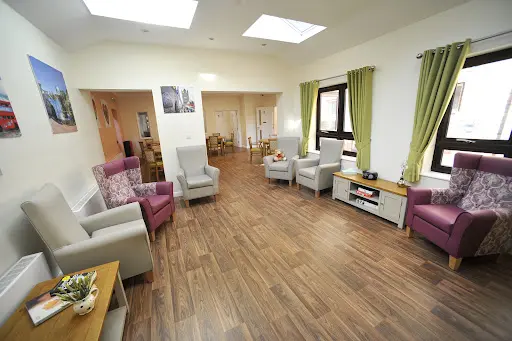
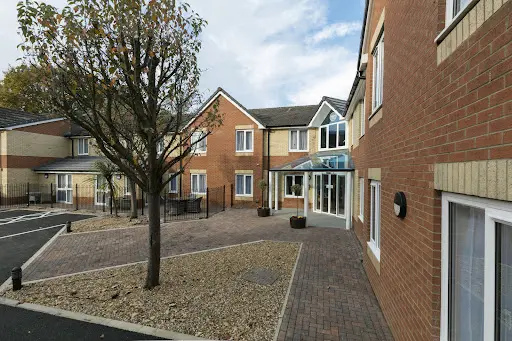
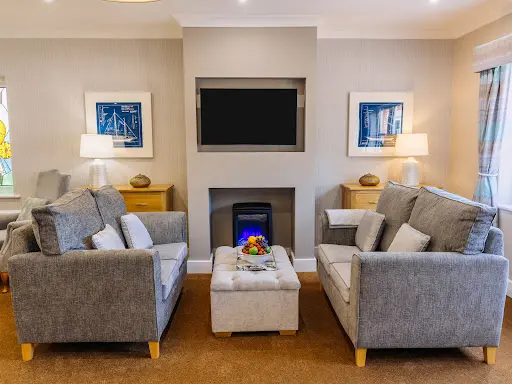
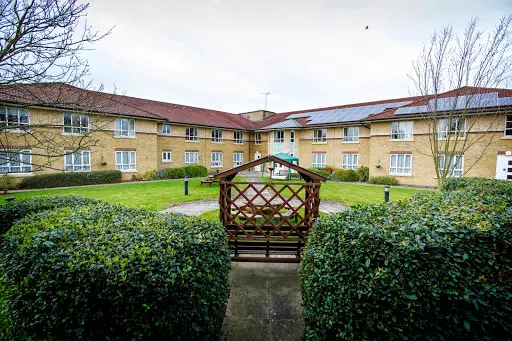
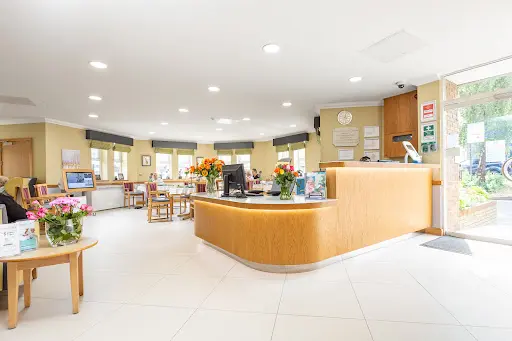
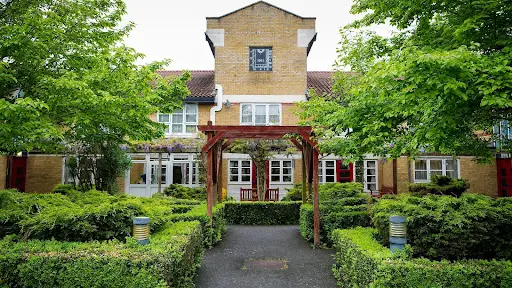
St Catherine Rest Home, on Cann Hall Road in Leytonstone, was rated Good across all five inspection domains at its last full inspection in January 2021. That rating represented an improvement from a previous Requires Improvement rating, which is a meaningful step in the right direction. The home is registered for 19 beds and specialises in care for older adults with dementia. A July 2023 monitoring review by the inspection team found no evidence to change that rating. The honest limitation here is that the published inspection summary contains very little specific detail. There are no direct quotes from residents or relatives, no inspector observations of day-to-day life, and no specifics about staffing, activities, food, or the physical environment. A Good rating tells you the home met the threshold at the time of inspection, but it does not tell you what life is actually like for your parent on a Tuesday afternoon. Before you make a decision, visit in person, ask to see last week's staffing rota, watch how staff interact with residents in communal areas, and ask the manager to walk you through what changed between the Requires Improvement period and now.
The three questions to ask when you visitSave this home. Compare it against your shortlist.
Let our analysis show you how St Catherine Care Home measures up against the other homes you’re considering. Free account.
In Their Own Words
How St Catherine Care Home describes itself — collected from its own website. DCC has not edited or independently verified the content in this tab.
Where dementia care meets genuine family connection
Residential home in London: True Peace of Mind
Finding the right care for someone with dementia can feel overwhelming, but St Catherine Rest Home in London offers something families often struggle to find — staff who truly understand the journey. This care home specialises in supporting people over 65, with particular expertise in dementia care that adapts as needs change.
Who they care for
St Catherine specialises in dementia care and supports adults over 65. The team has experience with various forms of dementia, including complex conditions, and understands how to adapt care as needs evolve.
The staff here show real understanding of dementia's different stages and challenges. Families have found them particularly skilled at managing progressive neurological conditions, staying attentive and responsive even as care needs become more complex.
“If you're looking for dementia care in London, it might be worth getting in touch to see if St Catherine could be the right fit for your family.”
DCC does not edit or curate content in this tab. For independently curated information, see The Evidence and DCC Verdict.
The DCC Verdict
Our editorial view, built from the three lenses: what families tell us, what inspectors record, and how the home sits against good dementia-care practice.
DCC Family Score
St Catherine Rest Home improved from Requires Improvement to Good, which matters and should not be dismissed. However, the published inspection findings contain very little specific detail across any theme, so scores reflect a genuine lack of evidence rather than poor care.
Homes in London typically score 68–82.The three-lens summary
What families tell us
Families describe a place where their loved ones seem genuinely content and engaged. Staff take time to chat with visiting relatives, keeping them updated on how things are going and making sure everyone feels part of the care journey.
What inspectors have recorded
What stands out here is how staff handle the progression of conditions like dementia. They stay attentive through all stages, including the most challenging times, and families appreciate the regular communication about their loved one's wellbeing.
How it sits against good practice
If you're looking for dementia care in London, it might be worth getting in touch to see if St Catherine could be the right fit for your family.
Worth a visit
St Catherine Rest Home, on Cann Hall Road in Leytonstone, was rated Good across all five inspection domains at its last full inspection in January 2021. That rating represented an improvement from a previous Requires Improvement rating, which is a meaningful step in the right direction. The home is registered for 19 beds and specialises in care for older adults with dementia. A July 2023 monitoring review by the inspection team found no evidence to change that rating. The honest limitation here is that the published inspection summary contains very little specific detail. There are no direct quotes from residents or relatives, no inspector observations of day-to-day life, and no specifics about staffing, activities, food, or the physical environment. A Good rating tells you the home met the threshold at the time of inspection, but it does not tell you what life is actually like for your parent on a Tuesday afternoon. Before you make a decision, visit in person, ask to see last week's staffing rota, watch how staff interact with residents in communal areas, and ask the manager to walk you through what changed between the Requires Improvement period and now.
The three questions to ask when you visitSave this home. Compare it against your shortlist.
Let our analysis show you how St Catherine Care Home measures up against the other homes you’re considering. Free account.
In Their Own Words
How St Catherine Care Home describes itself — collected from its own website. DCC has not edited or independently verified the content in this tab.
Where dementia care meets genuine family connection
Residential home in London: True Peace of Mind
Finding the right care for someone with dementia can feel overwhelming, but St Catherine Rest Home in London offers something families often struggle to find — staff who truly understand the journey. This care home specialises in supporting people over 65, with particular expertise in dementia care that adapts as needs change.
Who they care for
St Catherine specialises in dementia care and supports adults over 65. The team has experience with various forms of dementia, including complex conditions, and understands how to adapt care as needs evolve.
The staff here show real understanding of dementia's different stages and challenges. Families have found them particularly skilled at managing progressive neurological conditions, staying attentive and responsive even as care needs become more complex.
Management & ethos
What stands out here is how staff handle the progression of conditions like dementia. They stay attentive through all stages, including the most challenging times, and families appreciate the regular communication about their loved one's wellbeing.
“If you're looking for dementia care in London, it might be worth getting in touch to see if St Catherine could be the right fit for your family.”
DCC does not edit or curate content in this tab. For independently curated information, see The Evidence and DCC Verdict.