Highcroft Care Home
At a Glance
The information you need to decide whether this home warrants a closer look.
Residential homes
Staff warmth score
of reviewers answered yes
Good to know
- Registered beds23
- SpecialismsCaring for adults over 65 yrs, Dementia
- Last inspected2022-07-15
Save Highcroft Care Home to your shortlist
Keep a running list, add visit notes, and compare homes side-by-side. Free account — it takes a minute.
STAGE 4 — RESEARCHING CARE HOMES
Visit homes. Compare them side by side. Choose with confidence.
Most of us will view care homes the way we view houses, impression, atmosphere, the feeling in the corridor. We go home, try to remember what we saw, and make a permanent decision from a blurred memory.

The DCC shortlist gives every home you visit a structured record: the same twelve questions, answered the same way, every time. When you’re ready to choose, pull any two homes side by side and compare them directly. Same criteria, same evidence, your notes and your scores.
The Evidence
What the review data, the inspection reports, and the dementia-care evidence base tell us about this home.
What families say
Healthcare professionals visiting the home regularly comment on the warm atmosphere they find. Staff show genuine friendliness and emotional availability, staying responsive to questions from both residents and their families. Special occasions get proper attention here, with birthdays and celebrations marked in ways that bring residents together.
The eight family priority themes
- Staff warmth55
- Compassion & dignity55
- Cleanliness55
- Activities & engagement50
- Food quality50
- Healthcare55
- Management & leadership60
- Resident happiness55
What inspectors found
Inspected 2022-07-15
Is this home safe?
Is the care effective?
The home was rated Good for effectiveness at the May 2022 inspection. The published findings do not describe care plan content, GP access arrangements, dementia training programmes, or how food and nutrition are managed. No concerns about effectiveness were recorded. The rating was reviewed in July 2023 and remained unchanged.Is this home caring?
The home was rated Good for caring at the May 2022 inspection. No direct observations of staff interactions, resident dignity, or use of preferred names are recorded in the published findings. No concerns about the quality of caring were noted. The July 2023 review found no new information to change this rating.Is the home responsive?
The home was rated Good for responsiveness at the May 2022 inspection. The published findings contain no detail about activities provision, how individual preferences shape daily life, or how end-of-life care is approached. No concerns about responsiveness were recorded. The July 2023 review found no new evidence to change the rating.Is the home well-led?
The home was rated Good for well-led at the May 2022 inspection. A named registered manager, Mrs Oluwatosin Aderonke Azeez, is recorded in post, alongside nominated individual Mr Ricky Kumar Sood. The published findings contain no detail about management visibility, staff culture, governance systems, or how the home handles complaints. No concerns about leadership were recorded.
Source: CQC inspection report →
What the evidence base says
The home provides residential care for people over 65, with particular expertise in dementia support. Staff here understand that knowing someone's life story transforms dementia care. They gather details about each resident's past interests and achievements, using these insights to create more meaningful daily interactions and activities. All areas worth probing directly during a visit.
The DCC Verdict
Our editorial view, built from the three lenses: what families tell us, what inspectors record, and how the home sits against good dementia-care practice.
DCC Family Score
Highcroft Care Home holds a Good rating across all five inspection domains, which is a positive baseline. However, the published inspection report contains very little specific detail, so most scores sit in the mid-range reflecting a confirmed Good rating without the direct observations, quotes, or specific examples that would push scores higher.
Homes in London typically score 68–82.The three-lens summary
What families tell us
Healthcare professionals visiting the home regularly comment on the warm atmosphere they find. Staff show genuine friendliness and emotional availability, staying responsive to questions from both residents and their families. Special occasions get proper attention here, with birthdays and celebrations marked in ways that bring residents together.
What inspectors have recorded
The care team's approach catches the attention of experienced healthcare visitors. They see staff delivering care that meets professional standards while maintaining that essential human warmth. The team stays approachable and responsive, creating an environment where families feel heard.
How it sits against good practice
When seasoned healthcare professionals speak positively about a care home, it carries weight.
Worth a visit
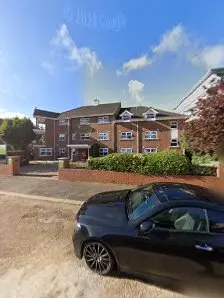
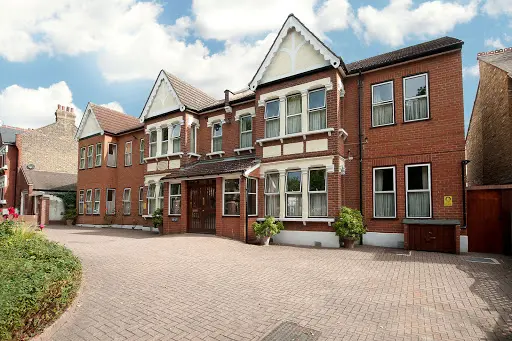
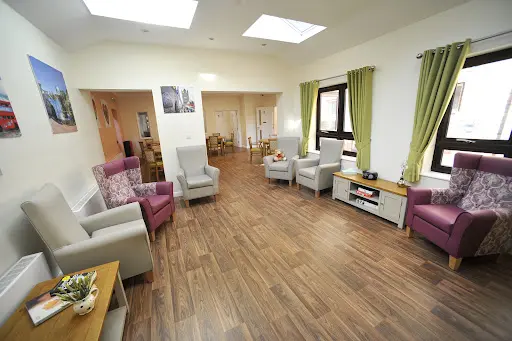
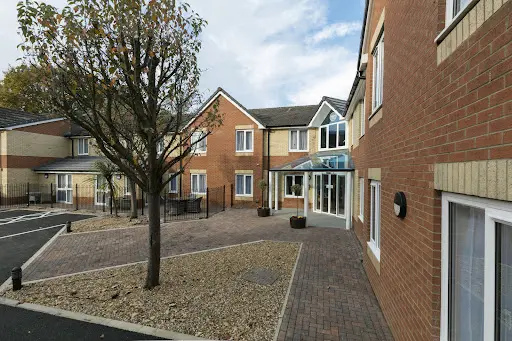
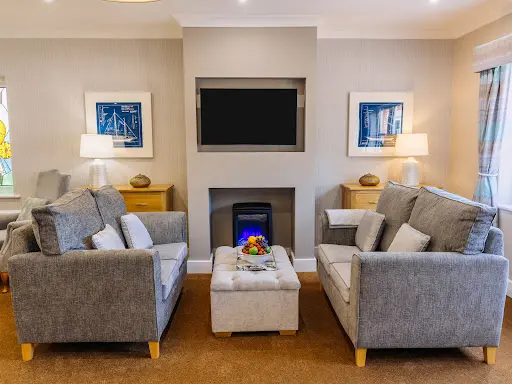
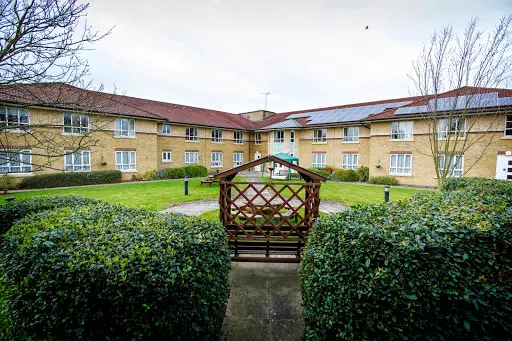
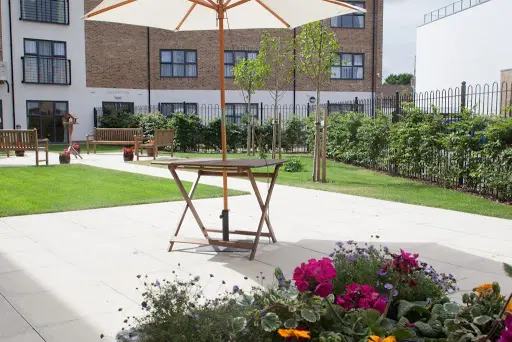
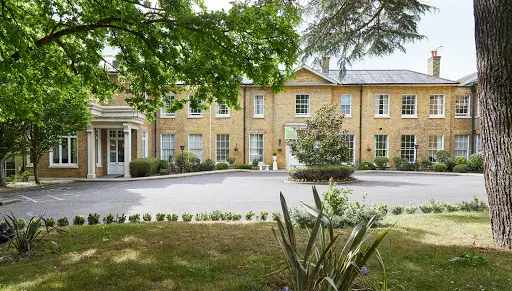
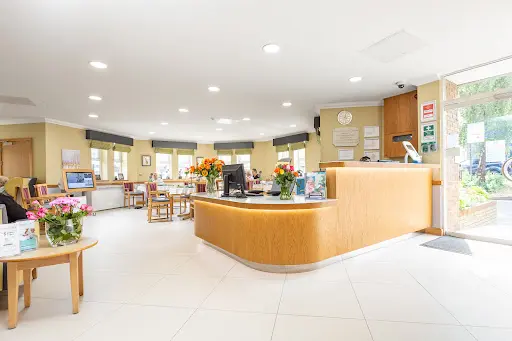
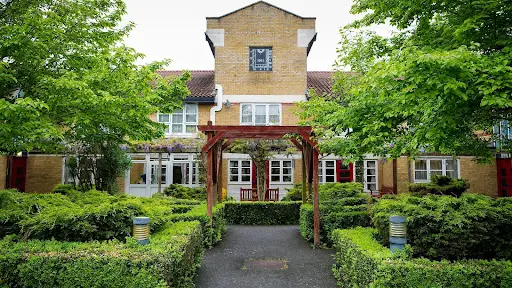
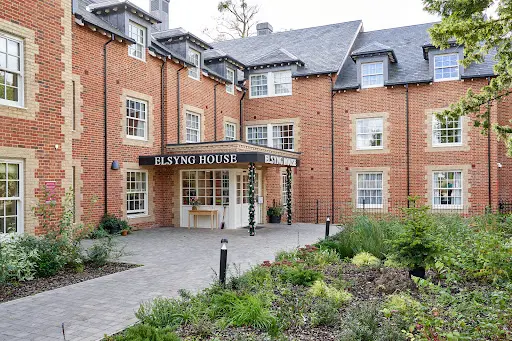
Highcroft Care Home, a 23-bed residential home in Walthamstow specialising in dementia care for adults over 65, was rated Good across all five inspection domains following an inspection on 30 May 2022. A further data review in July 2023 found nothing to suggest that rating should change. A named registered manager is in post and the home is registered and operating within its stated scope. The main limitation here is that the published report contains very little specific detail: no direct observations of care, no resident or family quotes, and no description of staffing arrangements, activities, food, or the physical environment. A Good rating is a meaningful starting point, but it tells you relatively little on its own about what daily life looks like for your parent. Before making a decision, visit in person at different times of day, ask to see last week's actual staffing rota (not just the template), ask how many staff are on overnight, and find out what dementia-specific training all staff have completed. The 21 checklist items marked as not assessed in this report are your ready-made list of questions to take with you.
The three questions to ask when you visitSave this home. Compare it against your shortlist.
Let our analysis show you how Highcroft Care Home measures up against the other homes you’re considering. Free account.
In Their Own Words
How Highcroft Care Home describes itself — collected from its own website. DCC has not edited or independently verified the content in this tab.
Where life stories shape daily care for every resident
Highcroft Care Home – Your Trusted residential home
For families navigating dementia care decisions, finding somewhere that truly understands your loved one as an individual feels crucial. Highcroft Care Home in London brings that personal touch through staff who take time to learn each resident's history, interests and achievements. This knowledge shapes how they approach daily care, making meaningful connections that matter.
Who they care for
The home provides residential care for people over 65, with particular expertise in dementia support.
Staff here understand that knowing someone's life story transforms dementia care. They gather details about each resident's past interests and achievements, using these insights to create more meaningful daily interactions and activities.
“When seasoned healthcare professionals speak positively about a care home, it carries weight.”
DCC does not edit or curate content in this tab. For independently curated information, see The Evidence and DCC Verdict.
The DCC Verdict
Our editorial view, built from the three lenses: what families tell us, what inspectors record, and how the home sits against good dementia-care practice.
DCC Family Score
Highcroft Care Home holds a Good rating across all five inspection domains, which is a positive baseline. However, the published inspection report contains very little specific detail, so most scores sit in the mid-range reflecting a confirmed Good rating without the direct observations, quotes, or specific examples that would push scores higher.
Homes in London typically score 68–82.The three-lens summary
What families tell us
Healthcare professionals visiting the home regularly comment on the warm atmosphere they find. Staff show genuine friendliness and emotional availability, staying responsive to questions from both residents and their families. Special occasions get proper attention here, with birthdays and celebrations marked in ways that bring residents together.
What inspectors have recorded
The care team's approach catches the attention of experienced healthcare visitors. They see staff delivering care that meets professional standards while maintaining that essential human warmth. The team stays approachable and responsive, creating an environment where families feel heard.
How it sits against good practice
When seasoned healthcare professionals speak positively about a care home, it carries weight.
Worth a visit
Highcroft Care Home, a 23-bed residential home in Walthamstow specialising in dementia care for adults over 65, was rated Good across all five inspection domains following an inspection on 30 May 2022. A further data review in July 2023 found nothing to suggest that rating should change. A named registered manager is in post and the home is registered and operating within its stated scope. The main limitation here is that the published report contains very little specific detail: no direct observations of care, no resident or family quotes, and no description of staffing arrangements, activities, food, or the physical environment. A Good rating is a meaningful starting point, but it tells you relatively little on its own about what daily life looks like for your parent. Before making a decision, visit in person at different times of day, ask to see last week's actual staffing rota (not just the template), ask how many staff are on overnight, and find out what dementia-specific training all staff have completed. The 21 checklist items marked as not assessed in this report are your ready-made list of questions to take with you.
The three questions to ask when you visitSave this home. Compare it against your shortlist.
Let our analysis show you how Highcroft Care Home measures up against the other homes you’re considering. Free account.
In Their Own Words
How Highcroft Care Home describes itself — collected from its own website. DCC has not edited or independently verified the content in this tab.
Where life stories shape daily care for every resident
Highcroft Care Home – Your Trusted residential home
For families navigating dementia care decisions, finding somewhere that truly understands your loved one as an individual feels crucial. Highcroft Care Home in London brings that personal touch through staff who take time to learn each resident's history, interests and achievements. This knowledge shapes how they approach daily care, making meaningful connections that matter.
Who they care for
The home provides residential care for people over 65, with particular expertise in dementia support.
Staff here understand that knowing someone's life story transforms dementia care. They gather details about each resident's past interests and achievements, using these insights to create more meaningful daily interactions and activities.
Management & ethos
The care team's approach catches the attention of experienced healthcare visitors. They see staff delivering care that meets professional standards while maintaining that essential human warmth. The team stays approachable and responsive, creating an environment where families feel heard.
The home & environment
District nurses and other healthcare workers making unannounced visits consistently note the home's cleanliness standards. The team maintains careful attention to hygiene protocols throughout the building, something that gives visiting professionals confidence in the overall care environment.
“When seasoned healthcare professionals speak positively about a care home, it carries weight.”
DCC does not edit or curate content in this tab. For independently curated information, see The Evidence and DCC Verdict.