Simonsfield Care Home
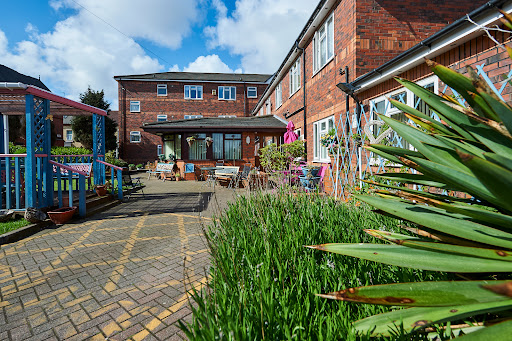
At a Glance
The information you need to decide whether this home warrants a closer look.
Residential homes
Staff warmth score
of reviewers answered yes
Good to know
- Registered beds63
- SpecialismsCaring for adults over 65 yrs, Caring for adults under 65 yrs, Dementia
- Last inspected2019-06-13
Save Simonsfield Care Home to your shortlist
Keep a running list, add visit notes, and compare homes side-by-side. Free account — it takes a minute.
STAGE 4 — RESEARCHING CARE HOMES
Visit homes. Compare them side by side. Choose with confidence.
Most of us will view care homes the way we view houses, impression, atmosphere, the feeling in the corridor. We go home, try to remember what we saw, and make a permanent decision from a blurred memory.

The DCC shortlist gives every home you visit a structured record: the same twelve questions, answered the same way, every time. When you’re ready to choose, pull any two homes side by side and compare them directly. Same criteria, same evidence, your notes and your scores.
The Evidence
What the review data, the inspection reports, and the dementia-care evidence base tell us about this home.
What families say
The environment here feels settled and inclusive, according to families who've spent time at Simonsfield. People mention how comfortable they feel visiting, with staff making an effort to include everyone in the daily rhythm of the home.
The eight family priority themes
- Staff warmth52
- Compassion & dignity52
- Cleanliness52
- Activities & engagement50
- Food quality50
- Healthcare50
- Management & leadership55
- Resident happiness52
What inspectors found
Inspected 2019-06-13
Is this home safe?
Is the care effective?
The Effective domain was rated Good. The published findings do not include specific detail about care plan content, review frequency, dementia training programmes, GP access arrangements, or how food quality and dietary needs are managed. The home supports people with dementia as a named specialism, which means training and care planning depth are particularly relevant questions. No specific records, observations, or staff training data are cited in the available report.Is this home caring?
The Caring domain received a Good rating. The published report does not include direct observations of staff interactions, resident testimony about how they are treated, or specific examples of dignity and privacy being upheld. Staff warmth and compassion are the two highest-weighted themes in family satisfaction data, together accounting for over half of what drives positive reviews, making this the domain where the absence of published detail is most significant for a family choosing a home.Is the home responsive?
The Responsive domain was rated Good. The published report does not describe the activities programme, whether activities are tailored to individuals or primarily group-based, how the home supports people who cannot join group sessions, or how end-of-life preferences are recorded and honoured. The home's dementia specialism makes individual engagement particularly important, as people at different stages of dementia have very different activity needs.Is the home well-led?
The Well-led domain was rated Good. The home has a named registered manager (Miss Deborah Anne Smith) and a nominated individual (Mrs Mandy Vernon) recorded with the regulator. Beyond those details, the published report does not describe management visibility on the floor, staff culture, how the home handles complaints, or what internal quality audit processes are in place. A named manager in post is a positive indicator, but stability of leadership over time is what the Good Practice evidence identifies as the stronger predictor of quality.
Source: CQC inspection report →
What the evidence base says
The home provides specialist support for adults over 65, younger adults who need care, and people living with dementia. For residents with dementia, the team works to maintain familiar routines and create moments of connection throughout each day. All areas worth probing directly during a visit.
The DCC Verdict
Our editorial view, built from the three lenses: what families tell us, what inspectors record, and how the home sits against good dementia-care practice.
DCC Family Score
Simonsfield Care Home holds a Good rating across all five inspection domains, which is a positive baseline. However, because the published report contains almost no specific observations, quotes, or detail, the Family Score sits in the mid-range: the Good rating tells you the inspector was satisfied, but it does not give you enough evidence to feel fully confident without visiting in person.
Homes in North West typically score 68–82.The three-lens summary
What families tell us
The environment here feels settled and inclusive, according to families who've spent time at Simonsfield. People mention how comfortable they feel visiting, with staff making an effort to include everyone in the daily rhythm of the home.
What inspectors have recorded
What stands out in family feedback is how available the care team remains, especially when residents need extra support. During end-of-life care, families have found staff present and responsive, staying close when it matters most.
How it sits against good practice
Sometimes the smallest gestures mean everything — that's what families remember about Simonsfield.
Worth a visit
Simonsfield Care Home, on Boston Avenue in Runcorn, was rated Good across all five inspection domains at its last full inspection in October 2020. That rating has been reviewed once since, in July 2023, and the regulator found no reason to change it. The home is registered to care for up to 63 people, including adults living with dementia and those under 65, and is operated by Hill Care 1 Limited with a named registered manager in post. The main uncertainty here is the age and limited detail of the published inspection findings. The October 2020 report was conducted during the pandemic period, which sometimes affected inspection depth, and the July 2023 review was a desk-based check rather than a physical visit. That means there are almost no specific observations, resident quotes, or staff interactions on record for you to assess. Before choosing this home, visit in person, ask to see the most recent internal quality audits, and speak directly with the registered manager about anything this report cannot answer.
The three questions to ask when you visitSave this home. Compare it against your shortlist.
Let our analysis show you how Simonsfield Care Home measures up against the other homes you’re considering. Free account.
In Their Own Words
How Simonsfield Care Home describes itself — collected from its own website. DCC has not edited or independently verified the content in this tab.
Where families find comfort through life's hardest moments
Compassionate Care in Runcorn at Simonsfield Care Home
When someone you love needs round-the-clock care, finding the right place feels overwhelming. Simonsfield Care Home in Runcorn supports adults of all ages, including those living with dementia. Families describe a calm atmosphere where staff genuinely understand what matters most during difficult times.
Who they care for
The home provides specialist support for adults over 65, younger adults who need care, and people living with dementia.
For residents with dementia, the team works to maintain familiar routines and create moments of connection throughout each day.
“Sometimes the smallest gestures mean everything — that's what families remember about Simonsfield.”
DCC does not edit or curate content in this tab. For independently curated information, see The Evidence and DCC Verdict.
The DCC Verdict
Our editorial view, built from the three lenses: what families tell us, what inspectors record, and how the home sits against good dementia-care practice.
DCC Family Score
Simonsfield Care Home holds a Good rating across all five inspection domains, which is a positive baseline. However, because the published report contains almost no specific observations, quotes, or detail, the Family Score sits in the mid-range: the Good rating tells you the inspector was satisfied, but it does not give you enough evidence to feel fully confident without visiting in person.
Homes in North West typically score 68–82.The three-lens summary
What families tell us
The environment here feels settled and inclusive, according to families who've spent time at Simonsfield. People mention how comfortable they feel visiting, with staff making an effort to include everyone in the daily rhythm of the home.
What inspectors have recorded
What stands out in family feedback is how available the care team remains, especially when residents need extra support. During end-of-life care, families have found staff present and responsive, staying close when it matters most.
How it sits against good practice
Sometimes the smallest gestures mean everything — that's what families remember about Simonsfield.
Worth a visit
Simonsfield Care Home, on Boston Avenue in Runcorn, was rated Good across all five inspection domains at its last full inspection in October 2020. That rating has been reviewed once since, in July 2023, and the regulator found no reason to change it. The home is registered to care for up to 63 people, including adults living with dementia and those under 65, and is operated by Hill Care 1 Limited with a named registered manager in post. The main uncertainty here is the age and limited detail of the published inspection findings. The October 2020 report was conducted during the pandemic period, which sometimes affected inspection depth, and the July 2023 review was a desk-based check rather than a physical visit. That means there are almost no specific observations, resident quotes, or staff interactions on record for you to assess. Before choosing this home, visit in person, ask to see the most recent internal quality audits, and speak directly with the registered manager about anything this report cannot answer.
The three questions to ask when you visitSave this home. Compare it against your shortlist.
Let our analysis show you how Simonsfield Care Home measures up against the other homes you’re considering. Free account.
In Their Own Words
How Simonsfield Care Home describes itself — collected from its own website. DCC has not edited or independently verified the content in this tab.
Where families find comfort through life's hardest moments
Compassionate Care in Runcorn at Simonsfield Care Home
When someone you love needs round-the-clock care, finding the right place feels overwhelming. Simonsfield Care Home in Runcorn supports adults of all ages, including those living with dementia. Families describe a calm atmosphere where staff genuinely understand what matters most during difficult times.
Who they care for
The home provides specialist support for adults over 65, younger adults who need care, and people living with dementia.
For residents with dementia, the team works to maintain familiar routines and create moments of connection throughout each day.
Management & ethos
What stands out in family feedback is how available the care team remains, especially when residents need extra support. During end-of-life care, families have found staff present and responsive, staying close when it matters most.
“Sometimes the smallest gestures mean everything — that's what families remember about Simonsfield.”
DCC does not edit or curate content in this tab. For independently curated information, see The Evidence and DCC Verdict.