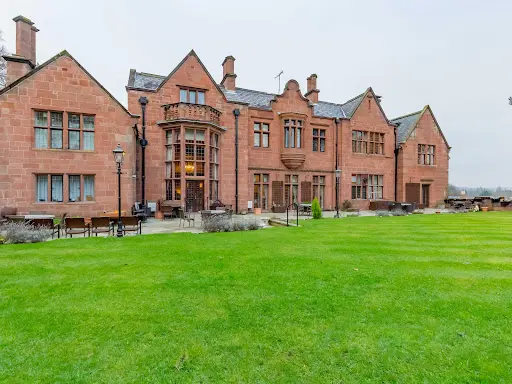
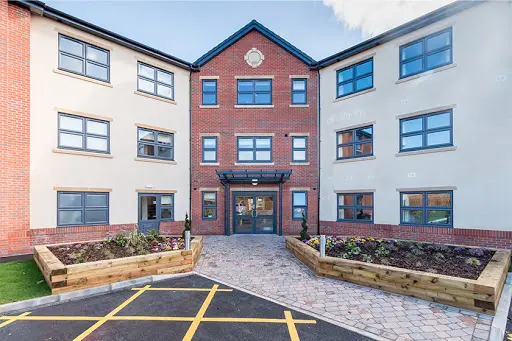
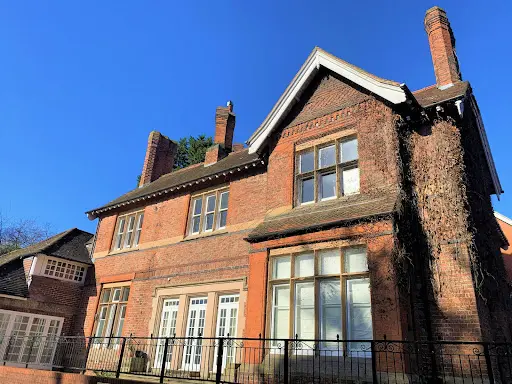
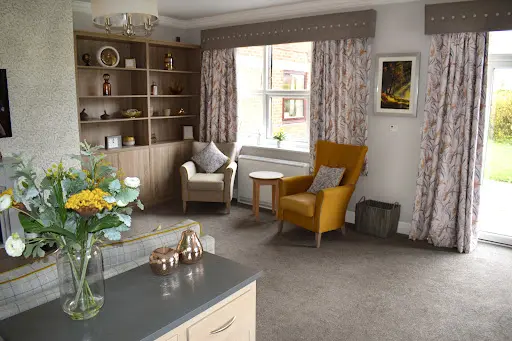
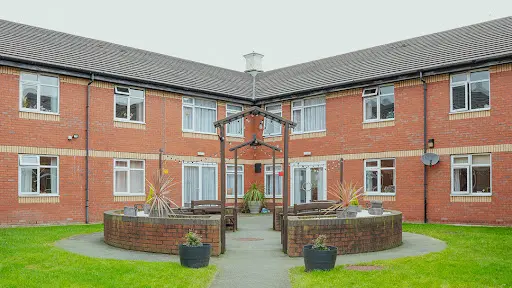
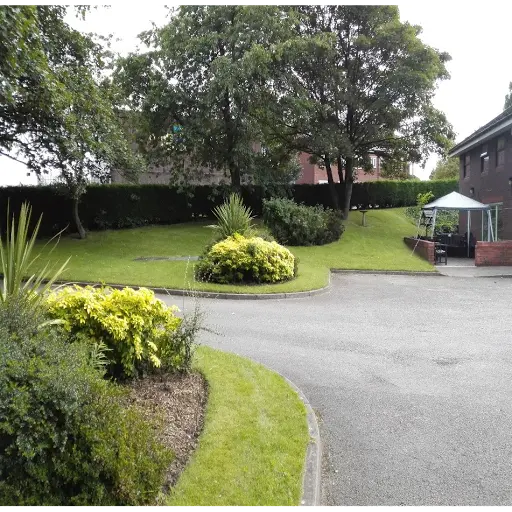
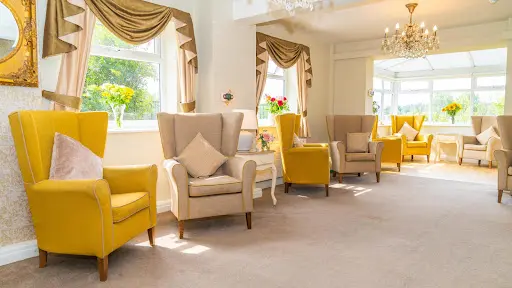
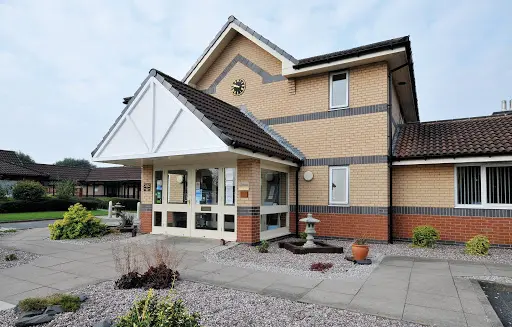
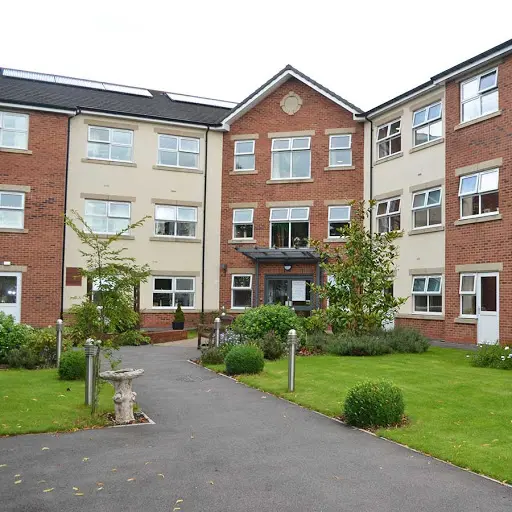
Sandstones care home, Wallasey

At a Glance
The information you need to decide whether this home warrants a closer look.
Residential homes
Staff warmth score
of reviewers answered yes
Good to know
- Registered beds35
- SpecialismsCaring for adults over 65 yrs, Dementia
- Last inspected2019-09-18
Save Sandstones care home, Wallasey to your shortlist
Keep a running list, add visit notes, and compare homes side-by-side. Free account — it takes a minute.
STAGE 4 — RESEARCHING CARE HOMES
Visit homes. Compare them side by side. Choose with confidence.
Most of us will view care homes the way we view houses, impression, atmosphere, the feeling in the corridor. We go home, try to remember what we saw, and make a permanent decision from a blurred memory.

The DCC shortlist gives every home you visit a structured record: the same twelve questions, answered the same way, every time. When you’re ready to choose, pull any two homes side by side and compare them directly. Same criteria, same evidence, your notes and your scores.
The Evidence
What the review data, the inspection reports, and the dementia-care evidence base tell us about this home.
What families say
The eight family priority themes
- Staff warmth82
- Compassion & dignity88
- Cleanliness68
- Activities & engagement65
- Food quality60
- Healthcare65
- Management & leadership72
- Resident happiness72
What inspectors found
Inspected 2019-09-18
Is this home safe?
Is the care effective?
Effectiveness was rated Good, meaning inspectors were satisfied with staff training, care planning, healthcare access, and how the home meets residents' needs in practice. For a specialist dementia home, this encompasses dementia-specific training, the quality of care plans as working documents, and access to GPs and other health professionals. The published summary does not detail the content of dementia training, how frequently care plans are reviewed, or how the home manages complex health needs. The home is operated by Anchor Hanover Group, which has group-wide training frameworks, but local implementation matters as much as policy.Is this home caring?
Caring was rated Outstanding — the highest possible grade. This is a rare and significant finding: fewer than 5% of care homes in England achieve Outstanding in any domain. To award this rating, inspectors must observe and record specific, compelling evidence that staff treat residents with exceptional kindness, dignity, and respect, and that residents' independence and individuality are actively promoted. The caring domain directly reflects the two themes families weight most highly in our data: staff warmth (57.3% weighting) and compassion and dignity (55.2% weighting). The improvement from the previous Requires Improvement inspection makes this result even more notable.Is the home responsive?
Responsiveness was rated Good, meaning the inspection found that the home addressed residents' individual needs, offered activities, and handled complaints appropriately. For a dementia specialist home, responsiveness covers whether activities are genuinely tailored to individuals — including those with advanced dementia who cannot join group sessions — and whether the home responds promptly when someone's needs change. The published summary provides no specific detail about the activities programme, one-to-one engagement, or how the home supports residents at the end of life.Is the home well-led?
Leadership was rated Good, meaning the inspection found effective management, a positive staff culture, and appropriate governance systems in place. The home is run by Anchor Hanover Group, and the registered manager at the time of inspection was Mr Benjamin Kenneth Lloyd, with Mr Daniel Ryan as nominated individual. The improvement from Requires Improvement to Good across all domains indicates that leadership made meaningful changes between inspections. The published summary provides no detail about manager tenure since 2019, staff turnover, or how the home has developed since the inspection.
Source: CQC inspection report →
What the evidence base says
The team specialises in dementia care and supports adults over 65. They work to understand each person's individual needs and preferences. Staff at Sandstones are trained in dementia care approaches that help residents feel secure and valued. The home creates routines and environments that support those living with memory challenges. All areas worth probing directly during a visit.
The DCC Verdict
Our editorial view, built from the three lenses: what families tell us, what inspectors record, and how the home sits against good dementia-care practice.
DCC Family Score
Sandstones scores well above average on the themes families care about most — staff warmth and compassion — reflecting its Outstanding rating for caring, though thinner inspection detail on food, activities, and night staffing means several important questions remain unanswered.
Homes in North West typically score 68–82.Worth a visit
Sandstones on Penkett Road, Wirral, was rated Good overall at its most recent official inspection in July 2019, with the exceptional distinction of Outstanding for caring — a grade awarded to fewer than one in twenty care homes nationally. The home improved from a previous Requires Improvement rating, which is a meaningful and positive trajectory. It is a 35-bed residential home run by Anchor Hanover Group, one of the UK's largest not-for-profit care providers, specialising in dementia and older adult care. The caring rating is the single most important finding here: it reflects what families in our data consistently say matters most — staff warmth and genuine compassion — and the inspection found this to an exceptional standard. The main uncertainty is the age of the inspection. The findings are from July 2019 — now more than five years ago — and while a monitoring review in July 2023 found no reason to reassess the rating, that review examined data only, not a physical re-inspection. Staff, managers, and ownership arrangements can change significantly over five years, and the published report provides very limited specific detail about food, activities, night staffing, agency use, or how families are kept involved. When you visit, ask to meet the current registered manager and find out how long the core staff team has been in place. Ask specifically about staffing after 8pm, how the team supports residents who become distressed, and what a typical day looks like for someone with mid-to-late-stage dementia who cannot join group activities.
The three questions to ask when you visitSave this home. Compare it against your shortlist.
Let our analysis show you how Sandstones care home, Wallasey measures up against the other homes you’re considering. Free account.
In Their Own Words
How Sandstones care home, Wallasey describes itself — collected from its own website. DCC has not edited or independently verified the content in this tab.
Dedicated dementia care in the heart of Wirral
Compassionate Care in Wirral at Sandstones
Sandstones provides specialist dementia care for older adults in Wirral. The home focuses on creating a supportive environment where residents receive personalised attention. Located in the North West, they understand the importance of maintaining dignity and comfort throughout each resident's journey.
Who they care for
The team specialises in dementia care and supports adults over 65. They work to understand each person's individual needs and preferences.
Staff at Sandstones are trained in dementia care approaches that help residents feel secure and valued. The home creates routines and environments that support those living with memory challenges.
“If you're looking for dementia care in Wirral, visiting Sandstones could help you understand their approach.”
DCC does not edit or curate content in this tab. For independently curated information, see The Evidence and DCC Verdict.
The DCC Verdict
Our editorial view, built from the three lenses: what families tell us, what inspectors record, and how the home sits against good dementia-care practice.
DCC Family Score
Sandstones scores well above average on the themes families care about most — staff warmth and compassion — reflecting its Outstanding rating for caring, though thinner inspection detail on food, activities, and night staffing means several important questions remain unanswered.
Homes in North West typically score 68–82.Worth a visit
Sandstones on Penkett Road, Wirral, was rated Good overall at its most recent official inspection in July 2019, with the exceptional distinction of Outstanding for caring — a grade awarded to fewer than one in twenty care homes nationally. The home improved from a previous Requires Improvement rating, which is a meaningful and positive trajectory. It is a 35-bed residential home run by Anchor Hanover Group, one of the UK's largest not-for-profit care providers, specialising in dementia and older adult care. The caring rating is the single most important finding here: it reflects what families in our data consistently say matters most — staff warmth and genuine compassion — and the inspection found this to an exceptional standard. The main uncertainty is the age of the inspection. The findings are from July 2019 — now more than five years ago — and while a monitoring review in July 2023 found no reason to reassess the rating, that review examined data only, not a physical re-inspection. Staff, managers, and ownership arrangements can change significantly over five years, and the published report provides very limited specific detail about food, activities, night staffing, agency use, or how families are kept involved. When you visit, ask to meet the current registered manager and find out how long the core staff team has been in place. Ask specifically about staffing after 8pm, how the team supports residents who become distressed, and what a typical day looks like for someone with mid-to-late-stage dementia who cannot join group activities.
The three questions to ask when you visitSave this home. Compare it against your shortlist.
Let our analysis show you how Sandstones care home, Wallasey measures up against the other homes you’re considering. Free account.
In Their Own Words
How Sandstones care home, Wallasey describes itself — collected from its own website. DCC has not edited or independently verified the content in this tab.
Dedicated dementia care in the heart of Wirral
Compassionate Care in Wirral at Sandstones
Sandstones provides specialist dementia care for older adults in Wirral. The home focuses on creating a supportive environment where residents receive personalised attention. Located in the North West, they understand the importance of maintaining dignity and comfort throughout each resident's journey.
Who they care for
The team specialises in dementia care and supports adults over 65. They work to understand each person's individual needs and preferences.
Staff at Sandstones are trained in dementia care approaches that help residents feel secure and valued. The home creates routines and environments that support those living with memory challenges.
“If you're looking for dementia care in Wirral, visiting Sandstones could help you understand their approach.”
DCC does not edit or curate content in this tab. For independently curated information, see The Evidence and DCC Verdict.