Roundham Court Residential Home
At a Glance
The information you need to decide whether this home warrants a closer look.
Residential homes
Staff warmth score
of reviewers answered yes
Good to know
- Registered beds35
- SpecialismsCaring for adults over 65 yrs, Dementia, Physical disabilities
- Last inspected2019-07-18
Save Roundham Court Residential Home to your shortlist
Keep a running list, add visit notes, and compare homes side-by-side. Free account — it takes a minute.
STAGE 4 — RESEARCHING CARE HOMES
Visit homes. Compare them side by side. Choose with confidence.
Most of us will view care homes the way we view houses, impression, atmosphere, the feeling in the corridor. We go home, try to remember what we saw, and make a permanent decision from a blurred memory.

The DCC shortlist gives every home you visit a structured record: the same twelve questions, answered the same way, every time. When you’re ready to choose, pull any two homes side by side and compare them directly. Same criteria, same evidence, your notes and your scores.
The Evidence
What the review data, the inspection reports, and the dementia-care evidence base tell us about this home.
What families say
Families describe staff who meet behavioural changes with genuine patience and respect, using gentle humour to ease difficult moments. The home recognises that caring for someone with dementia takes its toll on families too, offering practical support and reassurance when relatives need it most.
The eight family priority themes
- Staff warmth55
- Compassion & dignity55
- Cleanliness55
- Activities & engagement50
- Food quality50
- Healthcare50
- Management & leadership60
- Resident happiness55
What inspectors found
Inspected 2019-07-18
Is this home safe?
Is the care effective?
The Effective domain was rated Good in July 2019, indicating that training, care planning, and healthcare access met required standards at the time. Dementia is listed as a formal specialism, which implies some level of dementia-specific training and care planning. No detail is available on what dementia training staff receive, how often care plans are reviewed, or how the home coordinates with GPs and other health professionals. Food quality and dietary support also fall within this domain, but no specific detail is available.Is this home caring?
The Caring domain was rated Good in July 2019, covering warmth of staff interactions, dignity, respect, and promotion of independence. No direct quotes from residents or relatives are available in the published inspection summary, and no specific observations about staff interactions are recorded. The Good rating suggests inspectors found an acceptable standard of care at the time. Whether that standard has been maintained, improved, or declined in the intervening five years cannot be determined from the available information.Is the home responsive?
The Responsive domain was rated Good in July 2019, covering activities, individual engagement, complaint handling, and end-of-life care planning. No specific activities are described in the published summary, and no detail is given on how activities are tailored for people living with dementia who may not be able to participate in group sessions. End-of-life planning is implied by the rating but not described. With 35 beds and dementia listed as a specialism, the range and quality of daily activities is an important consideration for your parent's quality of life.Is the home well-led?
The Well-led domain was rated Good in July 2019, and a named registered manager, Ms Rebecca Ann Seddon, was in post at the time. The home is independently run under the provider name Roundham Court. A July 2023 review found no evidence requiring a change to the rating. No detail is available on management visibility, staff culture, governance systems, or how the home handles complaints and feedback. Whether the same manager remains in post today is not confirmed in the available information.
Source: CQC inspection report →
What the evidence base says
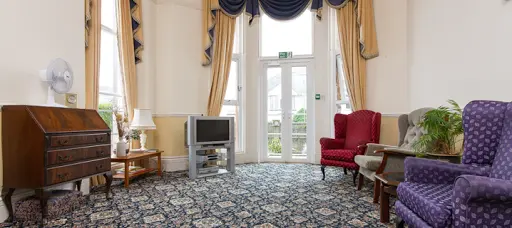
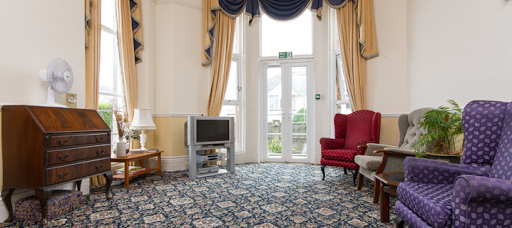
The home cares for people over 65 with dementia and physical disabilities, adapting their approach to each person's changing needs. The team works with the reality of dementia — supporting residents through different emotional states and behavioural changes throughout each day. They've created spaces that work for people at different stages, from social areas for group activities to quieter spots when someone needs calm. All areas worth probing directly during a visit.
The DCC Verdict
Our editorial view, built from the three lenses: what families tell us, what inspectors record, and how the home sits against good dementia-care practice.
DCC Family Score
Roundham Court holds a Good rating across all five inspection domains, which is a positive foundation. However, because the only inspection on record took place in July 2019, more than five years ago, there is very little specific detail available to verify what daily life actually looks like for your parent today.
Homes in South West typically score 68–82.The three-lens summary
What families tell us
Families describe staff who meet behavioural changes with genuine patience and respect, using gentle humour to ease difficult moments. The home recognises that caring for someone with dementia takes its toll on families too, offering practical support and reassurance when relatives need it most.
What inspectors have recorded
Staff here seem to stick around, with some residents being cared for by the same team for years. This continuity matters when you're dealing with dementia — familiar faces and consistent routines make such a difference.
How it sits against good practice
Sometimes the Torbay Air Show passes right overhead — just one of those unexpected moments that can still bring a smile.
Worth a visit
Roundham Court, a 35-bed residential home in Paignton specialising in dementia and physical disabilities, was rated Good across all five inspection domains following an inspection in July 2019. The registered manager, Ms Rebecca Ann Seddon, was in post at that time. A review conducted in July 2023 found no evidence requiring a change to that rating, and the service remains registered and active. The significant gap since the last full inspection means there is very little specific detail available about what daily life looks like for your parent today. You cannot rely on the 2019 findings to tell you about current staffing levels, activity provision, food quality, or how the team responds to people in distress. Before making a decision, visit in person, ask to speak with the registered manager about what has changed since 2019, and pay close attention to how staff interact with current residents during your visit, particularly anyone who appears distressed or confused.
The three questions to ask when you visitSave this home. Compare it against your shortlist.
Let our analysis show you how Roundham Court Residential Home measures up against the other homes you’re considering. Free account.
In Their Own Words
How Roundham Court Residential Home describes itself — collected from its own website. DCC has not edited or independently verified the content in this tab.
Where patience meets understanding for dementia care in Devon
Roundham Court – Your Trusted residential home
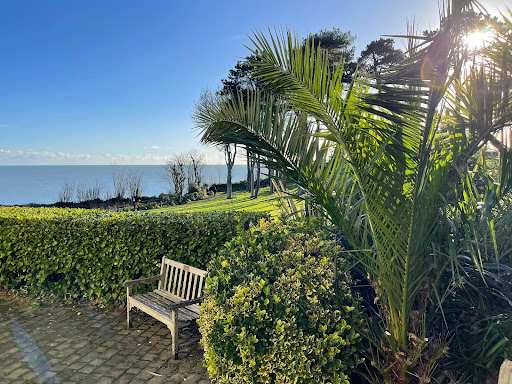
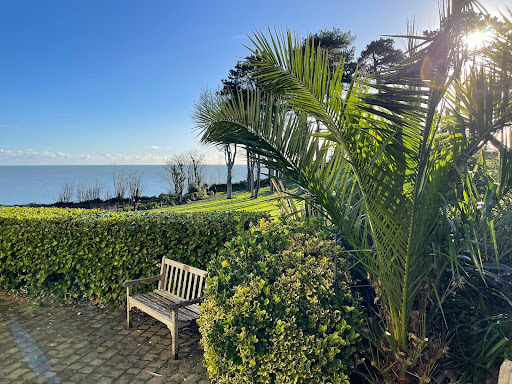
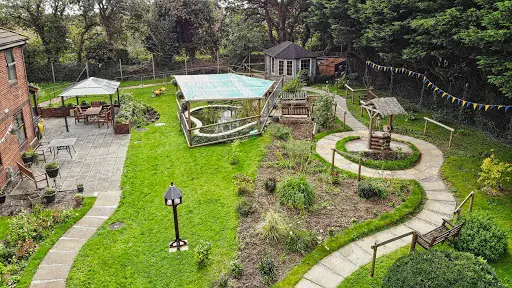
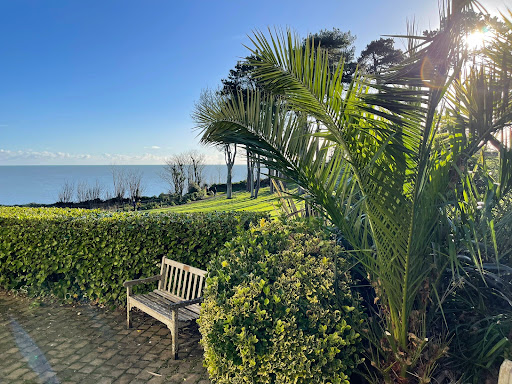
When dementia changes how someone experiences the world, finding the right care becomes crucial. Roundham Court in Paignton brings together experienced staff who understand the ups and downs of dementia with a setting that feels less institutional, more like a proper home. The terraced gardens overlooking the Devon landscape offer residents space to breathe and families somewhere peaceful to visit.
Who they care for
The home cares for people over 65 with dementia and physical disabilities, adapting their approach to each person's changing needs.
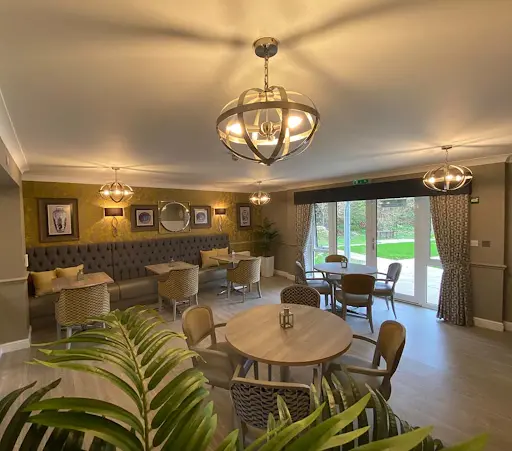
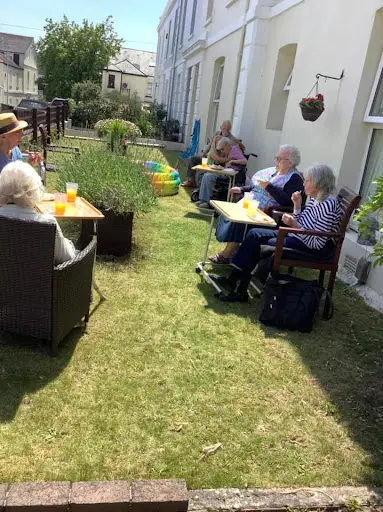
The team works with the reality of dementia — supporting residents through different emotional states and behavioural changes throughout each day. They've created spaces that work for people at different stages, from social areas for group activities to quieter spots when someone needs calm.
“Sometimes the Torbay Air Show passes right overhead — just one of those unexpected moments that can still bring a smile.”
DCC does not edit or curate content in this tab. For independently curated information, see The Evidence and DCC Verdict.
The DCC Verdict
Our editorial view, built from the three lenses: what families tell us, what inspectors record, and how the home sits against good dementia-care practice.
DCC Family Score
Roundham Court holds a Good rating across all five inspection domains, which is a positive foundation. However, because the only inspection on record took place in July 2019, more than five years ago, there is very little specific detail available to verify what daily life actually looks like for your parent today.
Homes in South West typically score 68–82.The three-lens summary
What families tell us
Families describe staff who meet behavioural changes with genuine patience and respect, using gentle humour to ease difficult moments. The home recognises that caring for someone with dementia takes its toll on families too, offering practical support and reassurance when relatives need it most.
What inspectors have recorded
Staff here seem to stick around, with some residents being cared for by the same team for years. This continuity matters when you're dealing with dementia — familiar faces and consistent routines make such a difference.
How it sits against good practice
Sometimes the Torbay Air Show passes right overhead — just one of those unexpected moments that can still bring a smile.
Worth a visit
Roundham Court, a 35-bed residential home in Paignton specialising in dementia and physical disabilities, was rated Good across all five inspection domains following an inspection in July 2019. The registered manager, Ms Rebecca Ann Seddon, was in post at that time. A review conducted in July 2023 found no evidence requiring a change to that rating, and the service remains registered and active. The significant gap since the last full inspection means there is very little specific detail available about what daily life looks like for your parent today. You cannot rely on the 2019 findings to tell you about current staffing levels, activity provision, food quality, or how the team responds to people in distress. Before making a decision, visit in person, ask to speak with the registered manager about what has changed since 2019, and pay close attention to how staff interact with current residents during your visit, particularly anyone who appears distressed or confused.
The three questions to ask when you visitSave this home. Compare it against your shortlist.
Let our analysis show you how Roundham Court Residential Home measures up against the other homes you’re considering. Free account.
In Their Own Words
How Roundham Court Residential Home describes itself — collected from its own website. DCC has not edited or independently verified the content in this tab.
Where patience meets understanding for dementia care in Devon
Roundham Court – Your Trusted residential home
When dementia changes how someone experiences the world, finding the right care becomes crucial. Roundham Court in Paignton brings together experienced staff who understand the ups and downs of dementia with a setting that feels less institutional, more like a proper home. The terraced gardens overlooking the Devon landscape offer residents space to breathe and families somewhere peaceful to visit.
Who they care for
The home cares for people over 65 with dementia and physical disabilities, adapting their approach to each person's changing needs.
The team works with the reality of dementia — supporting residents through different emotional states and behavioural changes throughout each day. They've created spaces that work for people at different stages, from social areas for group activities to quieter spots when someone needs calm.
Management & ethos
Staff here seem to stick around, with some residents being cared for by the same team for years. This continuity matters when you're dealing with dementia — familiar faces and consistent routines make such a difference.
The home & environment
Fresh meals come from the kitchen daily, with careful attention to texture modifications and presentation for residents who need softer foods. The layout gives residents choices beyond just one main lounge — there are quieter corners for reading and social spaces for activities, plus those terraced gardens with views across the landscape.
“Sometimes the Torbay Air Show passes right overhead — just one of those unexpected moments that can still bring a smile.”
DCC does not edit or curate content in this tab. For independently curated information, see The Evidence and DCC Verdict.