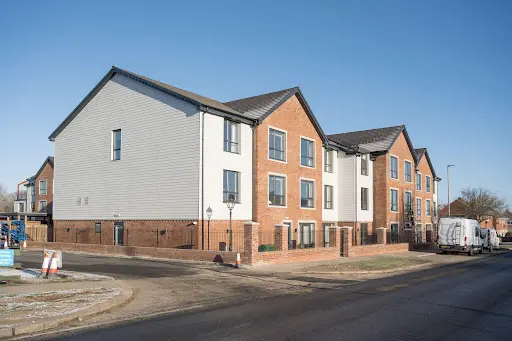
Risedale at St Cuthbert's Nursing Home
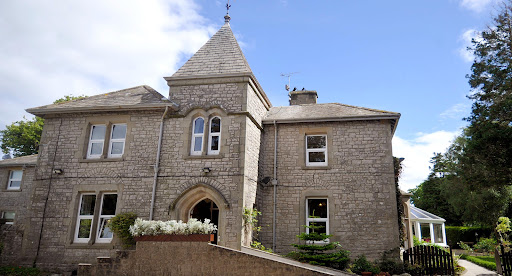
At a Glance
The information you need to decide whether this home warrants a closer look.
Nursing homes
Staff warmth score
of reviewers answered yes
Good to know
- Registered beds74
- SpecialismsCaring for adults over 65 yrs, Caring for adults under 65 yrs, Dementia, Physical disabilities
- Last inspected2018-12-01
Save Risedale at St Cuthbert's Nursing Home to your shortlist
Keep a running list, add visit notes, and compare homes side-by-side. Free account — it takes a minute.
STAGE 4 — RESEARCHING CARE HOMES
Visit homes. Compare them side by side. Choose with confidence.
Most of us will view care homes the way we view houses, impression, atmosphere, the feeling in the corridor. We go home, try to remember what we saw, and make a permanent decision from a blurred memory.

The DCC shortlist gives every home you visit a structured record: the same twelve questions, answered the same way, every time. When you’re ready to choose, pull any two homes side by side and compare them directly. Same criteria, same evidence, your notes and your scores.
The Evidence
What the review data, the inspection reports, and the dementia-care evidence base tell us about this home.
What families say
The eight family priority themes
- Staff warmth72
- Compassion & dignity74
- Cleanliness65
- Activities & engagement88
- Food quality60
- Healthcare68
- Management & leadership70
- Resident happiness76
What inspectors found
Inspected 2018-12-01
Is this home safe?
Is the care effective?
The Effective domain was rated Good at the October 2018 inspection. This covers training, care planning, healthcare access, and nutrition. The home lists dementia as a specialism, which implies a level of targeted training for staff. A Good Effective rating requires inspectors to have been satisfied that care plans reflected people's needs and that healthcare — including GP and specialist access — was appropriately arranged. No specific concerns were recorded in this domain.Is this home caring?
The Caring domain was rated Good at the October 2018 inspection. Inspectors will have observed staff interactions, spoken with residents and family members, and reviewed how the home approaches dignity and privacy. A Good Caring rating means the standard of day-to-day kindness and respect met inspection requirements. No concerns about treatment of residents were identified. The home's specialism in dementia care means inspectors will have been looking at how staff respond to residents who cannot clearly express their own needs.Is the home responsive?
The Responsive domain was rated Outstanding at the October 2018 inspection — the only domain to achieve this rating. Outstanding requires inspectors to find specific, evidenced examples of practice that significantly exceeds what is expected. For a home with dementia and physical disability specialisms, this is likely to reflect tailored activities, genuine individualisation of care, and strong responsiveness to changing needs including end-of-life. This is the clearest positive signal in the inspection and suggests real investment in making sure your parent would have a life here, not just a place to stay.Is the home well-led?
The Well-led domain was rated Good at the October 2018 inspection. This covers management visibility, staff culture, governance, and the home's ability to learn and improve. A Good Well-led rating means inspectors were satisfied with the leadership and oversight in place. The registration records list three individuals as registered managers — Mrs Leah Emerson, Mrs Adelle Ryan, and Mrs Barbara Ann Johnson — which is unusual and may reflect a management structure that has evolved over time. Leadership stability is one of the strongest predictors of sustained care quality.
Source: CQC inspection report →
What the evidence base says
The team here supports adults under 65 with physical disabilities alongside older residents who need nursing care. They also provide specialist dementia support, creating an environment where people with different care needs can receive the right help. For residents living with dementia, the nursing team brings clinical expertise to daily care. They work to maintain each person's abilities while providing the medical support that becomes important as dementia progresses. All areas worth probing directly during a visit.
The DCC Verdict
Our editorial view, built from the three lenses: what families tell us, what inspectors record, and how the home sits against good dementia-care practice.
DCC Family Score
Risedale at Aldingham scores well overall, lifted significantly by an Outstanding rating for responsiveness — meaning inspectors found genuinely strong evidence that your parent would have a real life here, not just be cared for. Most other areas are solidly Good, though the inspection is now over six years old, which limits how much detail we can draw on.
Homes in North West typically score 68–82.Worth a visit
Risedale at Aldingham Nursing Home holds an overall Good rating from its last official inspection in October 2018, with one domain — Responsive — rated Outstanding. That Outstanding rating is meaningful: inspectors use it only when they find specific, evidenced examples of genuinely person-centred practice that goes beyond what is expected. For a home caring for people with dementia and physical disabilities, that is a significant strength. The home is registered to care for up to 74 people across older adults, working-age adults, those living with dementia, and those with physical disabilities, suggesting a reasonably experienced, specialist operation. The most important caveat is age: this inspection took place over six years ago, and while a 2023 monitoring review found no reason to reassess the rating, that review was desk-based and not a fresh inspection. The home, its management, and its staff may have changed significantly in that time. You will also notice three registered managers are listed — Mrs Leah Emerson, Mrs Adelle Ryan, and Mrs Barbara Ann Johnson — which warrants a direct conversation about current leadership stability. On your visit, ask specifically how many permanent staff are on the dementia unit after 8pm, whether the current registered manager has been in post for more than two years, and request to see the activities timetable alongside evidence of what one-to-one engagement looks like for residents who cannot join group activities.
The three questions to ask when you visitSave this home. Compare it against your shortlist.
Let our analysis show you how Risedale at St Cuthbert's Nursing Home measures up against the other homes you’re considering. Free account.
In Their Own Words
How Risedale at St Cuthbert's Nursing Home describes itself — collected from its own website. DCC has not edited or independently verified the content in this tab.
Specialist nursing care for different generations in coastal Cumbria
Risedale at Aldingham Nursing Home – Your Trusted nursing home
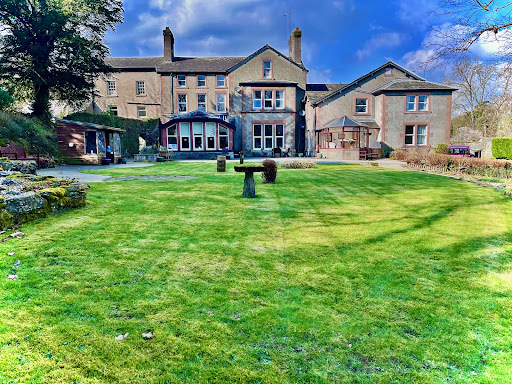
Risedale at Aldingham Nursing Home sits in the peaceful countryside near Ulverston, offering skilled nursing support for people at different life stages. This Cumbrian care home specialises in helping both younger adults with physical disabilities and older residents who need nursing care. The home's location near the coast brings fresh air and a sense of space to daily life.
Who they care for
The team here supports adults under 65 with physical disabilities alongside older residents who need nursing care. They also provide specialist dementia support, creating an environment where people with different care needs can receive the right help.
For residents living with dementia, the nursing team brings clinical expertise to daily care. They work to maintain each person's abilities while providing the medical support that becomes important as dementia progresses.
“If you're looking for nursing care in the Ulverston area, visiting Risedale at Aldingham could help you understand their approach to supporting different care needs.”
DCC does not edit or curate content in this tab. For independently curated information, see The Evidence and DCC Verdict.
The DCC Verdict
Our editorial view, built from the three lenses: what families tell us, what inspectors record, and how the home sits against good dementia-care practice.
DCC Family Score
Risedale at Aldingham scores well overall, lifted significantly by an Outstanding rating for responsiveness — meaning inspectors found genuinely strong evidence that your parent would have a real life here, not just be cared for. Most other areas are solidly Good, though the inspection is now over six years old, which limits how much detail we can draw on.
Homes in North West typically score 68–82.Worth a visit
Risedale at Aldingham Nursing Home holds an overall Good rating from its last official inspection in October 2018, with one domain — Responsive — rated Outstanding. That Outstanding rating is meaningful: inspectors use it only when they find specific, evidenced examples of genuinely person-centred practice that goes beyond what is expected. For a home caring for people with dementia and physical disabilities, that is a significant strength. The home is registered to care for up to 74 people across older adults, working-age adults, those living with dementia, and those with physical disabilities, suggesting a reasonably experienced, specialist operation. The most important caveat is age: this inspection took place over six years ago, and while a 2023 monitoring review found no reason to reassess the rating, that review was desk-based and not a fresh inspection. The home, its management, and its staff may have changed significantly in that time. You will also notice three registered managers are listed — Mrs Leah Emerson, Mrs Adelle Ryan, and Mrs Barbara Ann Johnson — which warrants a direct conversation about current leadership stability. On your visit, ask specifically how many permanent staff are on the dementia unit after 8pm, whether the current registered manager has been in post for more than two years, and request to see the activities timetable alongside evidence of what one-to-one engagement looks like for residents who cannot join group activities.
The three questions to ask when you visitSave this home. Compare it against your shortlist.
Let our analysis show you how Risedale at St Cuthbert's Nursing Home measures up against the other homes you’re considering. Free account.
In Their Own Words
How Risedale at St Cuthbert's Nursing Home describes itself — collected from its own website. DCC has not edited or independently verified the content in this tab.
Specialist nursing care for different generations in coastal Cumbria
Risedale at Aldingham Nursing Home – Your Trusted nursing home
Risedale at Aldingham Nursing Home sits in the peaceful countryside near Ulverston, offering skilled nursing support for people at different life stages. This Cumbrian care home specialises in helping both younger adults with physical disabilities and older residents who need nursing care. The home's location near the coast brings fresh air and a sense of space to daily life.
Who they care for
The team here supports adults under 65 with physical disabilities alongside older residents who need nursing care. They also provide specialist dementia support, creating an environment where people with different care needs can receive the right help.
For residents living with dementia, the nursing team brings clinical expertise to daily care. They work to maintain each person's abilities while providing the medical support that becomes important as dementia progresses.
“If you're looking for nursing care in the Ulverston area, visiting Risedale at Aldingham could help you understand their approach to supporting different care needs.”
DCC does not edit or curate content in this tab. For independently curated information, see The Evidence and DCC Verdict.