Barchester – Lanercost House Care Home
At a Glance
The information you need to decide whether this home warrants a closer look.
Nursing homes
Staff warmth score
of reviewers answered yes
Good to know
- Registered beds79
- SpecialismsCaring for adults over 65 yrs, Caring for adults under 65 yrs, Dementia, Physical disabilities
- Last inspected2024-01-11
Save Barchester – Lanercost House Care Home to your shortlist
Keep a running list, add visit notes, and compare homes side-by-side. Free account — it takes a minute.
STAGE 4 — RESEARCHING CARE HOMES
Visit homes. Compare them side by side. Choose with confidence.
Most of us will view care homes the way we view houses, impression, atmosphere, the feeling in the corridor. We go home, try to remember what we saw, and make a permanent decision from a blurred memory.

The DCC shortlist gives every home you visit a structured record: the same twelve questions, answered the same way, every time. When you’re ready to choose, pull any two homes side by side and compare them directly. Same criteria, same evidence, your notes and your scores.
The Evidence
What the review data, the inspection reports, and the dementia-care evidence base tell us about this home.
What families say
Visitors notice how staff greet everyone by name, taking time to chat rather than rush past. Several families mention their relatives enjoying meals again and finding companionship with other residents. The atmosphere feels relaxed, with people settling into new friendships and routines that bring back some sparkle.
The eight family priority themes
- Staff warmth72
- Compassion & dignity72
- Cleanliness70
- Activities & engagement65
- Food quality65
- Healthcare70
- Management & leadership74
- Resident happiness70
What inspectors found
Inspected 2024-01-11
Is this home safe?
Is the care effective?
The Effective domain was rated Good, covering training, care planning, healthcare access, nutritional support, and how well staff understand the needs of people with dementia. The published report does not describe the content of dementia training, the frequency of care plan reviews, or how mealtimes are managed. No shortfalls were identified by the inspector in this domain. The home lists dementia as a specialism, which means inspectors will have considered whether training and care approaches reflect that specialism.Is this home caring?
The Caring domain was rated Good, covering staff warmth, dignity, respect, and how well the home supports independence. This domain directly reflects the day-to-day experience of the people who live here. The published report does not include specific inspector observations such as whether staff knocked before entering rooms, used preferred names, or moved without hurry. No relative or resident quotes are included in the published text. No concerns were raised.Is the home responsive?
The Responsive domain was rated Good, covering activities, individual engagement, end-of-life care, and how the home responds to complaints. For a home with dementia as a specialism, this domain should reflect tailored, individual activities rather than group-only programmes. The published report does not describe the activity programme, name any staff responsible for activities, or confirm how end-of-life wishes are documented and followed. No concerns were recorded.Is the home well-led?
The Well-led domain was rated Good, and the inspection confirmed a named registered manager (Mrs Janette Sandra Lawrence) and a nominated individual (Mr Dominic Jude Kay) were in post. This domain covers the culture of the home, governance, staff empowerment, and whether the service learns from incidents and complaints. The published report does not describe the manager's tenure, how staff are supported to raise concerns, or what quality improvement actions have been taken since the previous inspection. No concerns were raised.
Source: CQC inspection report →
What the evidence base says
Lanercost House supports younger adults under 65 alongside older residents, all living with dementia or physical disabilities. They also offer respite stays when families need temporary support. The home's approach to dementia care shows in small but meaningful ways — staff who understand the importance of routine, spaces that reduce confusion, and activities that engage without overwhelming. All areas worth probing directly during a visit.
The DCC Verdict
Our editorial view, built from the three lenses: what families tell us, what inspectors record, and how the home sits against good dementia-care practice.
DCC Family Score
Berkley Grange (inspected as Lanercost House) received a Good rating across all five domains at its inspection in December 2023, which is a positive and stable result. However, the published inspection text provides very limited specific detail, so many scores reflect a confirmed Good rating rather than rich, directly observed evidence.
Homes in North West typically score 68–82.The three-lens summary
What families tell us
Visitors notice how staff greet everyone by name, taking time to chat rather than rush past. Several families mention their relatives enjoying meals again and finding companionship with other residents. The atmosphere feels relaxed, with people settling into new friendships and routines that bring back some sparkle.
What inspectors have recorded
Staff show real patience and warmth in their daily interactions, creating a culture where residents feel valued. The team handles sensitive situations professionally, including end-of-life care that respects individual preferences like favourite music or treasured photographs.
How it sits against good practice
Sometimes the best measure of a care home is seeing someone you love smile again at mealtimes.
Worth a visit
Berkley Grange (registered as Lanercost House and run by Barchester Healthcare Homes Limited) was rated Good across all five inspection domains at its most recent inspection on 5 December 2023, with the report published on 11 January 2024. This is a stable, positive result covering safety, effectiveness, staff care, responsiveness to individual needs, and leadership. The home cares for adults over and under 65 years old, including people with dementia and physical disabilities, across 79 beds, and a named registered manager and nominated individual were confirmed as in post. The main limitation of this report is that the published inspection text is brief and contains very little specific detail: no direct resident or relative quotes, no inspector observations of daily life, and no staffing ratios or activity examples. A Good rating tells you the inspector was satisfied; it does not tell you what your parent's day will actually look like. Before making a decision, visit in person during a weekday afternoon, ask to see last week's actual staffing rota (not a template), and ask the manager how many permanent staff work the dementia unit on nights. These three steps will fill the gaps the published report leaves open.
The three questions to ask when you visitSave this home. Compare it against your shortlist.
Let our analysis show you how Barchester – Lanercost House Care Home measures up against the other homes you’re considering. Free account.
In Their Own Words
How Barchester – Lanercost House Care Home describes itself — collected from its own website. DCC has not edited or independently verified the content in this tab.
Where dignity meets genuine warmth in Carlisle dementia care
Compassionate Care in Carlisle at Lanercost House
Some care homes feel like hospitals, but Lanercost House in Carlisle has created something different. Families describe a place where their loved ones don't just receive care — they rediscover contentment. The spacious rooms and thoughtful touches help residents settle quickly, often showing improvements that surprise even their relatives.
Who they care for
Lanercost House supports younger adults under 65 alongside older residents, all living with dementia or physical disabilities. They also offer respite stays when families need temporary support.
The home's approach to dementia care shows in small but meaningful ways — staff who understand the importance of routine, spaces that reduce confusion, and activities that engage without overwhelming.
“Sometimes the best measure of a care home is seeing someone you love smile again at mealtimes.”
DCC does not edit or curate content in this tab. For independently curated information, see The Evidence and DCC Verdict.
The DCC Verdict
Our editorial view, built from the three lenses: what families tell us, what inspectors record, and how the home sits against good dementia-care practice.
DCC Family Score
Berkley Grange (inspected as Lanercost House) received a Good rating across all five domains at its inspection in December 2023, which is a positive and stable result. However, the published inspection text provides very limited specific detail, so many scores reflect a confirmed Good rating rather than rich, directly observed evidence.
Homes in North West typically score 68–82.The three-lens summary
What families tell us
Visitors notice how staff greet everyone by name, taking time to chat rather than rush past. Several families mention their relatives enjoying meals again and finding companionship with other residents. The atmosphere feels relaxed, with people settling into new friendships and routines that bring back some sparkle.
What inspectors have recorded
Staff show real patience and warmth in their daily interactions, creating a culture where residents feel valued. The team handles sensitive situations professionally, including end-of-life care that respects individual preferences like favourite music or treasured photographs.
How it sits against good practice
Sometimes the best measure of a care home is seeing someone you love smile again at mealtimes.
Worth a visit
Berkley Grange (registered as Lanercost House and run by Barchester Healthcare Homes Limited) was rated Good across all five inspection domains at its most recent inspection on 5 December 2023, with the report published on 11 January 2024. This is a stable, positive result covering safety, effectiveness, staff care, responsiveness to individual needs, and leadership. The home cares for adults over and under 65 years old, including people with dementia and physical disabilities, across 79 beds, and a named registered manager and nominated individual were confirmed as in post. The main limitation of this report is that the published inspection text is brief and contains very little specific detail: no direct resident or relative quotes, no inspector observations of daily life, and no staffing ratios or activity examples. A Good rating tells you the inspector was satisfied; it does not tell you what your parent's day will actually look like. Before making a decision, visit in person during a weekday afternoon, ask to see last week's actual staffing rota (not a template), and ask the manager how many permanent staff work the dementia unit on nights. These three steps will fill the gaps the published report leaves open.
The three questions to ask when you visitSave this home. Compare it against your shortlist.
Let our analysis show you how Barchester – Lanercost House Care Home measures up against the other homes you’re considering. Free account.
In Their Own Words
How Barchester – Lanercost House Care Home describes itself — collected from its own website. DCC has not edited or independently verified the content in this tab.
Where dignity meets genuine warmth in Carlisle dementia care
Compassionate Care in Carlisle at Lanercost House
Some care homes feel like hospitals, but Lanercost House in Carlisle has created something different. Families describe a place where their loved ones don't just receive care — they rediscover contentment. The spacious rooms and thoughtful touches help residents settle quickly, often showing improvements that surprise even their relatives.
Who they care for
Lanercost House supports younger adults under 65 alongside older residents, all living with dementia or physical disabilities. They also offer respite stays when families need temporary support.
The home's approach to dementia care shows in small but meaningful ways — staff who understand the importance of routine, spaces that reduce confusion, and activities that engage without overwhelming.
Management & ethos
Staff show real patience and warmth in their daily interactions, creating a culture where residents feel valued. The team handles sensitive situations professionally, including end-of-life care that respects individual preferences like favourite music or treasured photographs.
The home & environment
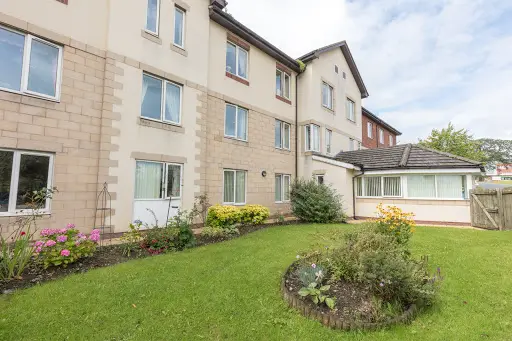
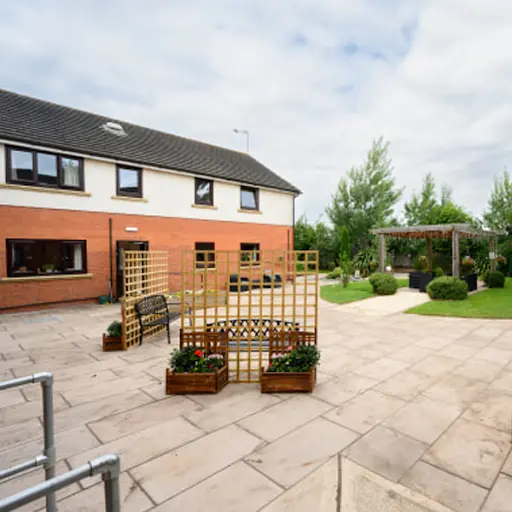
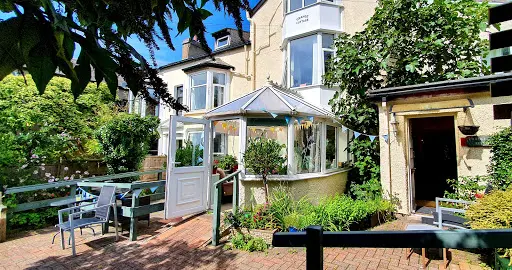
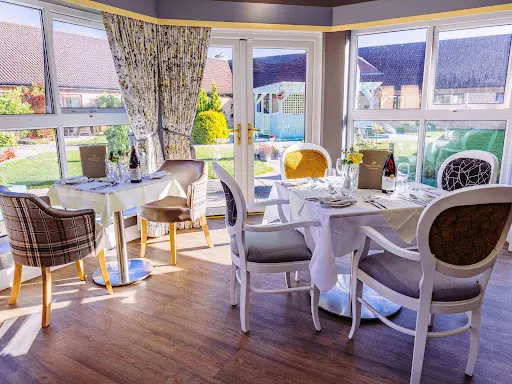
The dining areas get particular praise, with families mentioning good food and fresh baking. The home feels spacious rather than cramped, with proper furniture and activity spaces that let residents maintain their dignity. It's the kind of environment where people can move around freely and find quiet corners when they need them.
“Sometimes the best measure of a care home is seeing someone you love smile again at mealtimes.”
DCC does not edit or curate content in this tab. For independently curated information, see The Evidence and DCC Verdict.