Hollow Oak
At a Glance
The information you need to decide whether this home warrants a closer look.
Nursing homes
Staff warmth score
of reviewers answered yes
Good to know
- Registered beds27
- SpecialismsCaring for adults over 65 yrs, Caring for adults under 65 yrs, Dementia, Mental health conditions, Physical disabilities, Sensory impairment
- Last inspected2018-10-03
Save Hollow Oak to your shortlist
Keep a running list, add visit notes, and compare homes side-by-side. Free account — it takes a minute.
STAGE 4 — RESEARCHING CARE HOMES
Visit homes. Compare them side by side. Choose with confidence.
Most of us will view care homes the way we view houses, impression, atmosphere, the feeling in the corridor. We go home, try to remember what we saw, and make a permanent decision from a blurred memory.

The DCC shortlist gives every home you visit a structured record: the same twelve questions, answered the same way, every time. When you’re ready to choose, pull any two homes side by side and compare them directly. Same criteria, same evidence, your notes and your scores.
The Evidence
What the review data, the inspection reports, and the dementia-care evidence base tell us about this home.
What families say
The eight family priority themes
- Staff warmth70
- Compassion & dignity70
- Cleanliness65
- Activities & engagement80
- Food quality60
- Healthcare65
- Management & leadership65
- Resident happiness75
What inspectors found
Inspected 2018-10-03
Is this home safe?
Is the care effective?
The home received a Good rating for Effective care in October 2018. This domain covers whether staff have the training to do their jobs well, whether care plans genuinely reflect individuals' needs and preferences, whether healthcare professionals such as GPs are involved appropriately, and whether food and nutrition are managed well. For a home specialising in dementia, an Effective rating requires inspectors to be satisfied that staff understand dementia and can adapt their approach accordingly. Specific detail on training content, care plan quality, or GP access frequency is not available from this report.Is this home caring?
The home received a Good rating for Caring in October 2018, covering warmth of staff interactions, dignity, respect, and how well staff preserve independence. Good is a solid result, indicating inspectors were satisfied across these dimensions. Without the full inspection text, direct quotes from residents or specific observed interactions cannot be confirmed. For a 27-bed home with a dementia specialism, the scale itself can support caring relationships — staff are more likely to know each person well.Is the home responsive?
The home received an Outstanding rating for Responsive care — the highest possible rating — at its October 2018 inspection. This is a rare and significant result, particularly for a small home. Outstanding Responsive ratings require inspectors to find clear, specific evidence that the service is shaped around individuals rather than routines, that activities are meaningful and tailored, that complaints are handled well, and that end-of-life care is genuinely person-centred. Without the full inspection text, the specific evidence that earned this rating cannot be confirmed, but the rating itself represents a strong signal that this was a genuine strength of the home.Is the home well-led?
The home received a Good rating for Well-Led at its October 2018 inspection, indicating inspectors were satisfied with governance, management culture, and the systems in place to monitor and improve quality. For a home of 27 beds, Good Well-Led typically reflects a manager who is visible and known to staff and residents, with functional audit and feedback systems in place. Without the full inspection text, specific evidence on manager tenure, staff culture, or quality improvement examples cannot be confirmed. It is also important to note that the home has since been deregistered, meaning this rating reflects a historical position.
Source: CQC inspection report →
What the evidence base says
The home provides specialist care for people with dementia, sensory impairments, physical disabilities and mental health conditions. They support both younger adults under 65 and older residents. The team has experience helping people with dementia adjust to their new surroundings. Staff work patiently to understand each person's needs and preferences. All areas worth probing directly during a visit.
The DCC Verdict
Our editorial view, built from the three lenses: what families tell us, what inspectors record, and how the home sits against good dementia-care practice.
DCC Family Score
This home rated Good across four of five domains with an Outstanding for responsiveness — a genuine standout result that suggests your parent would be seen as an individual here — but because the full inspection text is unavailable, most scores reflect the ratings rather than direct verified evidence, so treat this as a starting point for your visit rather than a definitive picture.
Homes in North West typically score 68–82.Worth a visit
This small 27-bed nursing home in Haverthwaite was rated Good overall at its October 2018 inspection, with four domains rated Good and — notably — an Outstanding rating for Responsive care. For a home of this size and specialism, covering dementia, mental health conditions, and physical disabilities, an Outstanding Responsive rating is a meaningful achievement: it suggests inspectors found strong evidence that your parent would be treated as an individual, with activities and engagement shaped around who they are rather than what is convenient for the rota. The home's rural setting near Ulverston, combined with its small size, may also support the kind of calm, relationship-based care that families in our review data value most. There are two significant caveats you should weigh carefully. First, this inspection took place in October 2018 — over six years ago — and the home has since been deregistered. That means it is no longer operating as a registered care home, and this report reflects a historical snapshot only. You should not use this information to make a current placement decision without independently verifying the home's current status and any more recent regulatory history. Second, the full inspection text was not available, so none of the checklist items above could be verified against direct inspector observations, resident testimony, or records. The scores here reflect the domain ratings rather than confirmed specific evidence. If you are researching this home's history or a successor service at this address, ask directly: how many permanent staff are on the dementia unit after 8pm, what has changed since 2018, and can you show me the most recent inspection report?
The three questions to ask when you visitSave this home. Compare it against your shortlist.
Let our analysis show you how Hollow Oak measures up against the other homes you’re considering. Free account.
In Their Own Words
How Hollow Oak describes itself — collected from its own website. DCC has not edited or independently verified the content in this tab.
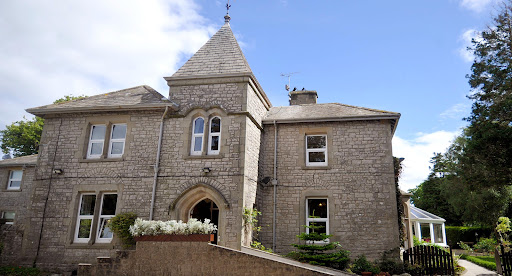
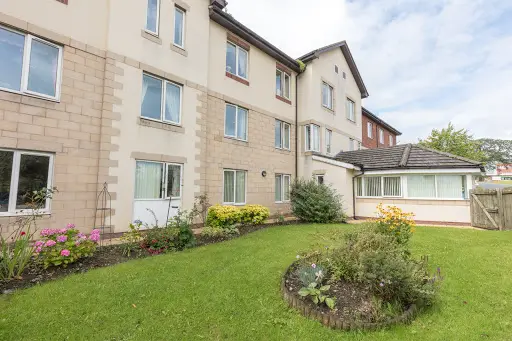
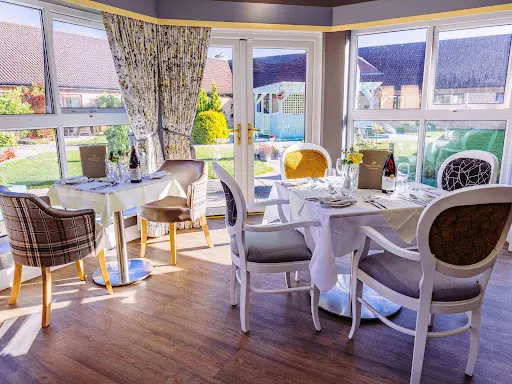
Where freshly cooked meals and garden walks bring contentment
Nursing home in Ulverston: True Peace of Mind
When someone you love needs specialist nursing care, finding the right place feels overwhelming. Hollow Oak Nursing Home in Ulverston offers skilled support for people with dementia, physical disabilities and mental health conditions. The care team here understands how to help new residents settle in, creating a reassuring environment for people facing significant challenges.
Who they care for
The home provides specialist care for people with dementia, sensory impairments, physical disabilities and mental health conditions. They support both younger adults under 65 and older residents.
The team has experience helping people with dementia adjust to their new surroundings. Staff work patiently to understand each person's needs and preferences.
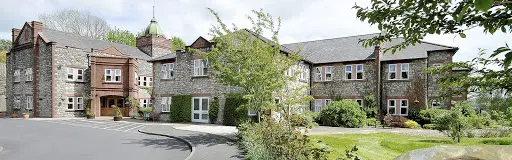
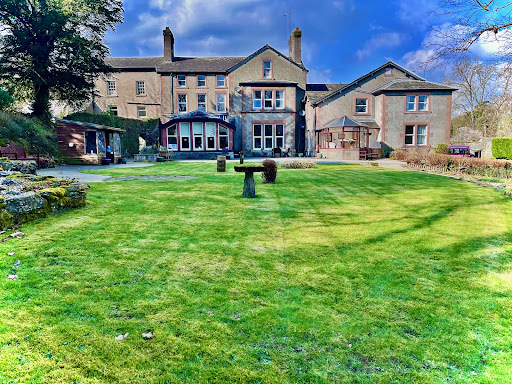
“If you'd like to see the gardens and meet the team at Hollow Oak, they'd be pleased to show you around.”
DCC does not edit or curate content in this tab. For independently curated information, see The Evidence and DCC Verdict.
The DCC Verdict
Our editorial view, built from the three lenses: what families tell us, what inspectors record, and how the home sits against good dementia-care practice.
DCC Family Score
This home rated Good across four of five domains with an Outstanding for responsiveness — a genuine standout result that suggests your parent would be seen as an individual here — but because the full inspection text is unavailable, most scores reflect the ratings rather than direct verified evidence, so treat this as a starting point for your visit rather than a definitive picture.
Homes in North West typically score 68–82.Worth a visit
This small 27-bed nursing home in Haverthwaite was rated Good overall at its October 2018 inspection, with four domains rated Good and — notably — an Outstanding rating for Responsive care. For a home of this size and specialism, covering dementia, mental health conditions, and physical disabilities, an Outstanding Responsive rating is a meaningful achievement: it suggests inspectors found strong evidence that your parent would be treated as an individual, with activities and engagement shaped around who they are rather than what is convenient for the rota. The home's rural setting near Ulverston, combined with its small size, may also support the kind of calm, relationship-based care that families in our review data value most. There are two significant caveats you should weigh carefully. First, this inspection took place in October 2018 — over six years ago — and the home has since been deregistered. That means it is no longer operating as a registered care home, and this report reflects a historical snapshot only. You should not use this information to make a current placement decision without independently verifying the home's current status and any more recent regulatory history. Second, the full inspection text was not available, so none of the checklist items above could be verified against direct inspector observations, resident testimony, or records. The scores here reflect the domain ratings rather than confirmed specific evidence. If you are researching this home's history or a successor service at this address, ask directly: how many permanent staff are on the dementia unit after 8pm, what has changed since 2018, and can you show me the most recent inspection report?
The three questions to ask when you visitSave this home. Compare it against your shortlist.
Let our analysis show you how Hollow Oak measures up against the other homes you’re considering. Free account.
In Their Own Words
How Hollow Oak describes itself — collected from its own website. DCC has not edited or independently verified the content in this tab.
Where freshly cooked meals and garden walks bring contentment
Nursing home in Ulverston: True Peace of Mind
When someone you love needs specialist nursing care, finding the right place feels overwhelming. Hollow Oak Nursing Home in Ulverston offers skilled support for people with dementia, physical disabilities and mental health conditions. The care team here understands how to help new residents settle in, creating a reassuring environment for people facing significant challenges.
Who they care for
The home provides specialist care for people with dementia, sensory impairments, physical disabilities and mental health conditions. They support both younger adults under 65 and older residents.
The team has experience helping people with dementia adjust to their new surroundings. Staff work patiently to understand each person's needs and preferences.
“If you'd like to see the gardens and meet the team at Hollow Oak, they'd be pleased to show you around.”
DCC does not edit or curate content in this tab. For independently curated information, see The Evidence and DCC Verdict.