Kingston Court Care Home
At a Glance
The information you need to decide whether this home warrants a closer look.
Nursing homes
Staff warmth score
of reviewers answered yes
Good to know
- Registered beds80
- SpecialismsCaring for adults over 65 yrs, Dementia
- Last inspected2023-04-01
Save Kingston Court Care Home to your shortlist
Keep a running list, add visit notes, and compare homes side-by-side. Free account — it takes a minute.
STAGE 4 — RESEARCHING CARE HOMES
Visit homes. Compare them side by side. Choose with confidence.
Most of us will view care homes the way we view houses, impression, atmosphere, the feeling in the corridor. We go home, try to remember what we saw, and make a permanent decision from a blurred memory.

The DCC shortlist gives every home you visit a structured record: the same twelve questions, answered the same way, every time. When you’re ready to choose, pull any two homes side by side and compare them directly. Same criteria, same evidence, your notes and your scores.
The Evidence
What the review data, the inspection reports, and the dementia-care evidence base tell us about this home.
What families say
Families often mention how staff smile and chat naturally with both residents and visitors, creating a relaxed atmosphere where no one feels rushed. Several people describe watching their relatives recover emotionally after difficult hospital stays, settling into routines that respect their preferences and dignity.
The eight family priority themes
- Staff warmth72
- Compassion & dignity72
- Cleanliness72
- Activities & engagement68
- Food quality68
- Healthcare70
- Management & leadership75
- Resident happiness70
What inspectors found
Inspected 2023-04-01
Is this home safe?
Is the care effective?
The Effective domain was rated Good at the July 2025 inspection. The home specialises in dementia care and provides nursing as well as personal care, suggesting a clinical infrastructure is in place. The published report does not include specific detail about care plan quality, GP access arrangements, dementia training content, or how food and nutrition needs are assessed and met. No record review findings or specific examples of effective practice are included in the available text.Is this home caring?
The Caring domain was rated Good at the July 2025 inspection. No specific observations about staff interactions, use of preferred names, response to distress, or unhurried pace of care are recorded in the published findings. No quotes from residents or relatives are included in the available text. The Good rating indicates inspectors were satisfied with caring practice, but the absence of specific detail means it is not possible to describe what good caring looks like at this home from the published report alone.Is the home responsive?
The Responsive domain was rated Good at the July 2025 inspection. The home is registered to care for people with dementia, which implies an expectation that care is tailored to individual needs. The published findings do not include specific detail about the activities programme, one-to-one engagement, how individual preferences are identified and acted upon, or how end-of-life care is planned. No examples of responsive practice are described in the available text.Is the home well-led?
The Well-led domain was rated Good at the July 2025 inspection. A registered manager, Miss Kim Lawson, and a nominated individual, Ms Louise Anne Kerry, are both named and in post. The home is part of the Mariposa Care Group. The improvement from a previous Requires Improvement rating to Good across all domains suggests that leadership has driven meaningful change since the last inspection. The published findings do not describe the manager's visibility, staff culture, governance systems, or how the home handles complaints and learning from incidents.
Source: CQC inspection report →
What the evidence base says
The home cares for adults over 65, with particular experience in dementia support. People with dementia find structured routines here that help with reorientation, while staff understand how to engage meaningfully even as communication becomes more difficult. All areas worth probing directly during a visit.
The DCC Verdict
Our editorial view, built from the three lenses: what families tell us, what inspectors record, and how the home sits against good dementia-care practice.
DCC Family Score
Kingston Court Care Home scores 74 out of 100, reflecting a solid Good rating earned after a previous Requires Improvement result. The score is tempered by the limited specific detail available in the published inspection findings, which means several areas cannot be assessed beyond their headline rating.
Homes in North West typically score 68–82.The three-lens summary
What families tell us
Families often mention how staff smile and chat naturally with both residents and visitors, creating a relaxed atmosphere where no one feels rushed. Several people describe watching their relatives recover emotionally after difficult hospital stays, settling into routines that respect their preferences and dignity.
What inspectors have recorded
Staff clearly communicate about medication changes and health updates, keeping families informed without being asked. The team shows particular skill in supporting families through end-of-life care, balancing medical needs with emotional support. While most find staff attentive despite busy periods, some have noticed times when the team seems stretched.
How it sits against good practice
Some residents have called Kingston Court home for over four years, which speaks to the stability families value when making such a difficult choice.
Worth a visit
Kingston Court Care Home, on Newtown Road in Carlisle, was rated Good across all five inspection domains at its most recent assessment in July 2025, with the report published in September 2025. This is a meaningful improvement from its previous Requires Improvement rating, and it tells you that inspectors returned, looked carefully, and were satisfied that the home had addressed earlier concerns. The home is registered for 80 beds and specialises in dementia care and nursing care for adults over 65. A registered manager and nominated individual are both in post, which is a basic but important sign of organisational accountability. The main limitation of this report is that the published inspection text contains very limited specific detail. Inspectors rated every domain Good, but the findings available do not include direct observations of staff interactions, quotes from residents or relatives, descriptions of the environment, or specifics about food, activities, or night staffing. That does not mean those things are poor, but it does mean you cannot rely on the published report alone. Before committing to this home, visit at a mealtime or in the late afternoon when staffing pressures are most visible, ask the manager to show you last week's actual staffing rota rather than a template, and ask directly how the home improved from its previous Requires Improvement rating and what changed.
The three questions to ask when you visitSave this home. Compare it against your shortlist.
Let our analysis show you how Kingston Court Care Home measures up against the other homes you’re considering. Free account.
In Their Own Words
How Kingston Court Care Home describes itself — collected from its own website. DCC has not edited or independently verified the content in this tab.
Where dignity matters through every stage of care
Kingston Court Care Home – Expert Care in Carlisle
When families in Carlisle need dementia or later-life care, Kingston Court Care Home offers spacious rooms with garden views and genuine warmth from staff who take time to listen. The home has built a reputation for compassionate end-of-life support, though some families have raised concerns about laundry management that deserve attention.
Who they care for
The home cares for adults over 65, with particular experience in dementia support.
People with dementia find structured routines here that help with reorientation, while staff understand how to engage meaningfully even as communication becomes more difficult.
“Some residents have called Kingston Court home for over four years, which speaks to the stability families value when making such a difficult choice.”
DCC does not edit or curate content in this tab. For independently curated information, see The Evidence and DCC Verdict.
The DCC Verdict
Our editorial view, built from the three lenses: what families tell us, what inspectors record, and how the home sits against good dementia-care practice.
DCC Family Score
Kingston Court Care Home scores 74 out of 100, reflecting a solid Good rating earned after a previous Requires Improvement result. The score is tempered by the limited specific detail available in the published inspection findings, which means several areas cannot be assessed beyond their headline rating.
Homes in North West typically score 68–82.The three-lens summary
What families tell us
Families often mention how staff smile and chat naturally with both residents and visitors, creating a relaxed atmosphere where no one feels rushed. Several people describe watching their relatives recover emotionally after difficult hospital stays, settling into routines that respect their preferences and dignity.
What inspectors have recorded
Staff clearly communicate about medication changes and health updates, keeping families informed without being asked. The team shows particular skill in supporting families through end-of-life care, balancing medical needs with emotional support. While most find staff attentive despite busy periods, some have noticed times when the team seems stretched.
How it sits against good practice
Some residents have called Kingston Court home for over four years, which speaks to the stability families value when making such a difficult choice.
Worth a visit
Kingston Court Care Home, on Newtown Road in Carlisle, was rated Good across all five inspection domains at its most recent assessment in July 2025, with the report published in September 2025. This is a meaningful improvement from its previous Requires Improvement rating, and it tells you that inspectors returned, looked carefully, and were satisfied that the home had addressed earlier concerns. The home is registered for 80 beds and specialises in dementia care and nursing care for adults over 65. A registered manager and nominated individual are both in post, which is a basic but important sign of organisational accountability. The main limitation of this report is that the published inspection text contains very limited specific detail. Inspectors rated every domain Good, but the findings available do not include direct observations of staff interactions, quotes from residents or relatives, descriptions of the environment, or specifics about food, activities, or night staffing. That does not mean those things are poor, but it does mean you cannot rely on the published report alone. Before committing to this home, visit at a mealtime or in the late afternoon when staffing pressures are most visible, ask the manager to show you last week's actual staffing rota rather than a template, and ask directly how the home improved from its previous Requires Improvement rating and what changed.
The three questions to ask when you visitSave this home. Compare it against your shortlist.
Let our analysis show you how Kingston Court Care Home measures up against the other homes you’re considering. Free account.
In Their Own Words
How Kingston Court Care Home describes itself — collected from its own website. DCC has not edited or independently verified the content in this tab.
Where dignity matters through every stage of care
Kingston Court Care Home – Expert Care in Carlisle
When families in Carlisle need dementia or later-life care, Kingston Court Care Home offers spacious rooms with garden views and genuine warmth from staff who take time to listen. The home has built a reputation for compassionate end-of-life support, though some families have raised concerns about laundry management that deserve attention.
Who they care for
The home cares for adults over 65, with particular experience in dementia support.
People with dementia find structured routines here that help with reorientation, while staff understand how to engage meaningfully even as communication becomes more difficult.
Management & ethos
Staff clearly communicate about medication changes and health updates, keeping families informed without being asked. The team shows particular skill in supporting families through end-of-life care, balancing medical needs with emotional support. While most find staff attentive despite busy periods, some have noticed times when the team seems stretched.
The home & environment
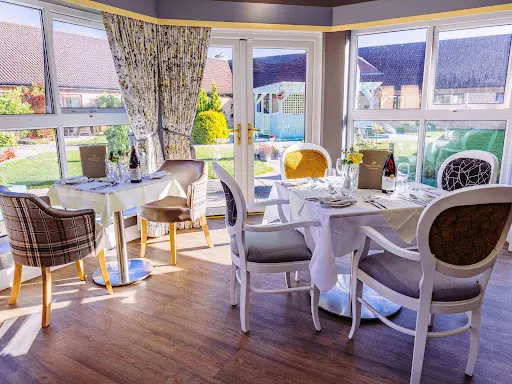
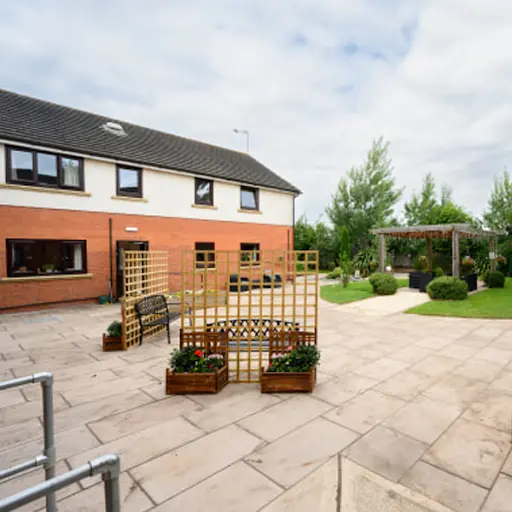
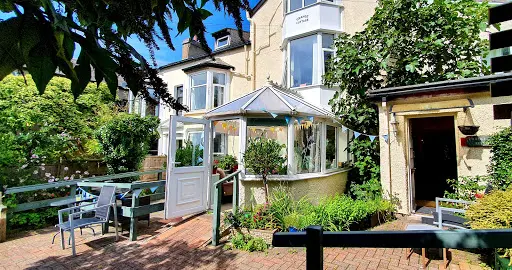
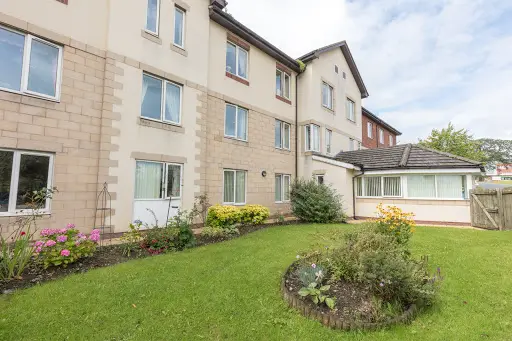
The rooms feel spacious and homely, with en-suite bathrooms and views over the gardens. Most families find the home spotlessly clean and well-maintained, though experiences vary. The grounds include spaces for rabbits and birds, adding gentle interest to daily life.
“Some residents have called Kingston Court home for over four years, which speaks to the stability families value when making such a difficult choice.”
DCC does not edit or curate content in this tab. For independently curated information, see The Evidence and DCC Verdict.