Cartmel Grange Care Home
At a Glance
The information you need to decide whether this home warrants a closer look.
Nursing homes
Staff warmth score
of reviewers answered yes
Good to know
- Registered beds73
- SpecialismsCaring for adults over 65 yrs, Caring for adults under 65 yrs, Dementia, Physical disabilities
- Last inspected2022-09-01
Save Cartmel Grange Care Home to your shortlist
Keep a running list, add visit notes, and compare homes side-by-side. Free account — it takes a minute.
STAGE 4 — RESEARCHING CARE HOMES
Visit homes. Compare them side by side. Choose with confidence.
Most of us will view care homes the way we view houses, impression, atmosphere, the feeling in the corridor. We go home, try to remember what we saw, and make a permanent decision from a blurred memory.

The DCC shortlist gives every home you visit a structured record: the same twelve questions, answered the same way, every time. When you’re ready to choose, pull any two homes side by side and compare them directly. Same criteria, same evidence, your notes and your scores.
The Evidence
What the review data, the inspection reports, and the dementia-care evidence base tell us about this home.
What families say
Families describe finding clean, welcoming spaces when they visit, with clear visiting procedures that make it easy to stay connected. Staff create opportunities for family involvement and maintain regular communication about their loved ones' wellbeing.
The eight family priority themes
- Staff warmth72
- Compassion & dignity72
- Cleanliness70
- Activities & engagement65
- Food quality65
- Healthcare70
- Management & leadership72
- Resident happiness70
What inspectors found
Inspected 2022-09-01
Is this home safe?
Is the care effective?
Cartmel Grange was rated Good for Effective at the March 2025 inspection. This domain covers training, care planning, nutrition and hydration, healthcare access, and how well staff understand and apply their skills. The home lists dementia as a specialism, which implies a level of staff training above a generic care home. The published report does not reproduce detail about care plan content, training records, or how the home supports access to GPs and other health professionals.Is this home caring?
Cartmel Grange was rated Good for Caring at the March 2025 inspection. This domain covers staff warmth, dignity and respect, independence, and how well staff know and respond to each individual. Staff warmth and compassion are the two highest-weighted themes in our family review data, at 57.3% and 55.2% respectively. The published report does not reproduce any inspector observations about how staff spoke to or interacted with residents, and no resident or relative quotes are included.Is the home responsive?
Cartmel Grange was rated Good for Responsive at the March 2025 inspection. This domain covers how well the home tailors its care and activities to individuals, responds to changing needs, handles complaints, and supports people at the end of life. The home cares for people with dementia, physical disabilities, and a mixed age range. The published report does not describe the activities programme, how individual preferences are recorded, or how the home supports people who can no longer join group activities.Is the home well-led?
Cartmel Grange was rated Good for Well-led at the March 2025 inspection. This domain covers the quality of management, governance, staff culture, and how the home learns from incidents and complaints. A named registered manager (Miss Michelle Louise Ralph) and a nominated individual (Mrs Susan Rocks) are in post. The home is run by Brancaster Care Homes Limited. The published report does not describe the manager's visibility, staff morale, how incidents are reviewed, or how the home has changed since its previous Requires Improvement rating.
Source: CQC inspection report →
What the evidence base says
The home cares for adults over and under 65, including those living with dementia and physical disabilities. For residents with dementia, staff show understanding of individual communication needs and work to maintain that personal connection as needs change. All areas worth probing directly during a visit.
The DCC Verdict
Our editorial view, built from the three lenses: what families tell us, what inspectors record, and how the home sits against good dementia-care practice.
DCC Family Score
Cartmel Grange received a Good rating across all five domains at its most recent inspection in March 2025, a recovery from a previous Requires Improvement rating. Scores reflect the positive overall picture but are capped in the 65-72 range because the published report contains very little specific observational detail, direct quotes, or named examples to support the ratings.
Homes in North West typically score 68–82.The three-lens summary
What families tell us
Families describe finding clean, welcoming spaces when they visit, with clear visiting procedures that make it easy to stay connected. Staff create opportunities for family involvement and maintain regular communication about their loved ones' wellbeing.
What inspectors have recorded
Staff demonstrate real knowledge of residents as individuals, picking up on personal preferences and communication styles. Families appreciate the practical support during visits and the way staff make space for family involvement.
How it sits against good practice
While many families describe positive experiences with attentive staff, it's worth asking about personal care routines and hygiene standards during your visit.
Worth a visit
Cartmel Grange, on Allithwaite Road in Grange-over-Sands, was rated Good across all five inspection domains at its most recent inspection on 13 March 2025 (report published 20 June 2025). This is a meaningful recovery: the home had previously declined to a Requires Improvement rating. The home is registered for 73 beds and lists dementia, physical disabilities, and care for both over-65s and under-65s as specialisms. It is run by Brancaster Care Homes Limited, with a named registered manager and nominated individual in post. The main limitation for families reading this report is that the published inspection text is extremely brief and contains almost no specific observational detail, direct quotes from your parent, or named examples to explain why each domain was rated Good. A Good rating is reassuring, but it tells you very little about day-to-day life inside the home. Before visiting, prepare specific questions: ask to see last week's actual staffing rota (not a template), ask how many agency staff worked on the dementia unit in the past month, ask how often your parent's care plan would be reviewed and how you would be kept informed. On the visit itself, watch how staff interact with residents in corridors and communal areas, and notice whether the pace feels unhurried.
The three questions to ask when you visitSave this home. Compare it against your shortlist.
Let our analysis show you how Cartmel Grange Care Home measures up against the other homes you’re considering. Free account.
In Their Own Words
How Cartmel Grange Care Home describes itself — collected from its own website. DCC has not edited or independently verified the content in this tab.
Caring staff create personal connections in Cumbrian coastal setting
Nursing home in Grange Over Sands: True Peace of Mind
When families visit Cartmel Grange in Grange Over Sands, they often notice how staff genuinely know their loved ones — understanding individual moods, preferences and communication styles. This care home near the Cumbrian coast supports residents with dementia, physical disabilities and those under 65, with care teams who work to help people feel recognised and comfortable.
Who they care for
The home cares for adults over and under 65, including those living with dementia and physical disabilities.
For residents with dementia, staff show understanding of individual communication needs and work to maintain that personal connection as needs change.
“While many families describe positive experiences with attentive staff, it's worth asking about personal care routines and hygiene standards during your visit.”
DCC does not edit or curate content in this tab. For independently curated information, see The Evidence and DCC Verdict.
The DCC Verdict
Our editorial view, built from the three lenses: what families tell us, what inspectors record, and how the home sits against good dementia-care practice.
DCC Family Score
Cartmel Grange received a Good rating across all five domains at its most recent inspection in March 2025, a recovery from a previous Requires Improvement rating. Scores reflect the positive overall picture but are capped in the 65-72 range because the published report contains very little specific observational detail, direct quotes, or named examples to support the ratings.
Homes in North West typically score 68–82.The three-lens summary
What families tell us
Families describe finding clean, welcoming spaces when they visit, with clear visiting procedures that make it easy to stay connected. Staff create opportunities for family involvement and maintain regular communication about their loved ones' wellbeing.
What inspectors have recorded
Staff demonstrate real knowledge of residents as individuals, picking up on personal preferences and communication styles. Families appreciate the practical support during visits and the way staff make space for family involvement.
How it sits against good practice
While many families describe positive experiences with attentive staff, it's worth asking about personal care routines and hygiene standards during your visit.
Worth a visit
Cartmel Grange, on Allithwaite Road in Grange-over-Sands, was rated Good across all five inspection domains at its most recent inspection on 13 March 2025 (report published 20 June 2025). This is a meaningful recovery: the home had previously declined to a Requires Improvement rating. The home is registered for 73 beds and lists dementia, physical disabilities, and care for both over-65s and under-65s as specialisms. It is run by Brancaster Care Homes Limited, with a named registered manager and nominated individual in post. The main limitation for families reading this report is that the published inspection text is extremely brief and contains almost no specific observational detail, direct quotes from your parent, or named examples to explain why each domain was rated Good. A Good rating is reassuring, but it tells you very little about day-to-day life inside the home. Before visiting, prepare specific questions: ask to see last week's actual staffing rota (not a template), ask how many agency staff worked on the dementia unit in the past month, ask how often your parent's care plan would be reviewed and how you would be kept informed. On the visit itself, watch how staff interact with residents in corridors and communal areas, and notice whether the pace feels unhurried.
The three questions to ask when you visitSave this home. Compare it against your shortlist.
Let our analysis show you how Cartmel Grange Care Home measures up against the other homes you’re considering. Free account.
In Their Own Words
How Cartmel Grange Care Home describes itself — collected from its own website. DCC has not edited or independently verified the content in this tab.
Caring staff create personal connections in Cumbrian coastal setting
Nursing home in Grange Over Sands: True Peace of Mind
When families visit Cartmel Grange in Grange Over Sands, they often notice how staff genuinely know their loved ones — understanding individual moods, preferences and communication styles. This care home near the Cumbrian coast supports residents with dementia, physical disabilities and those under 65, with care teams who work to help people feel recognised and comfortable.
Who they care for
The home cares for adults over and under 65, including those living with dementia and physical disabilities.
For residents with dementia, staff show understanding of individual communication needs and work to maintain that personal connection as needs change.
Management & ethos
Staff demonstrate real knowledge of residents as individuals, picking up on personal preferences and communication styles. Families appreciate the practical support during visits and the way staff make space for family involvement.
The home & environment
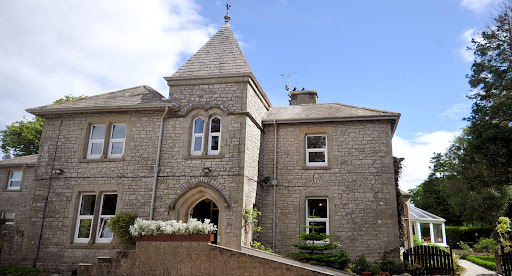
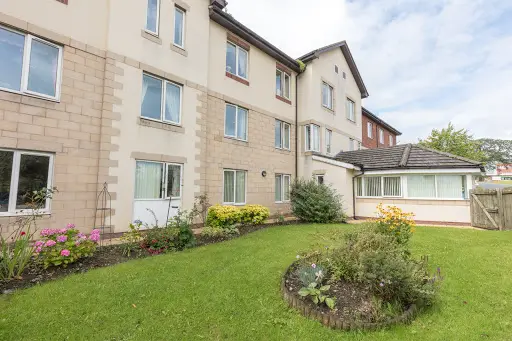
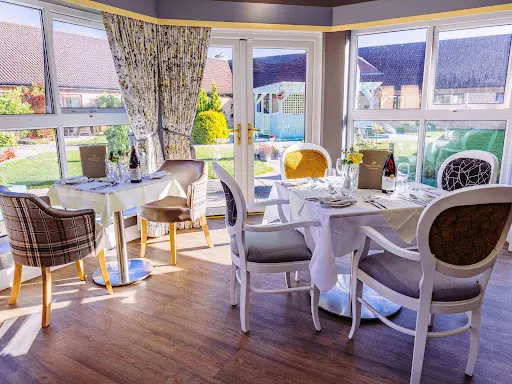
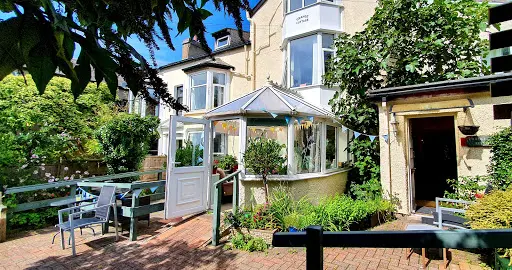
The home organises structured activities and social events that help residents stay engaged. Families have noticed the physical spaces are well-presented and attractive during their visits.
“While many families describe positive experiences with attentive staff, it's worth asking about personal care routines and hygiene standards during your visit.”
DCC does not edit or curate content in this tab. For independently curated information, see The Evidence and DCC Verdict.