Palmerston Residential Care Home
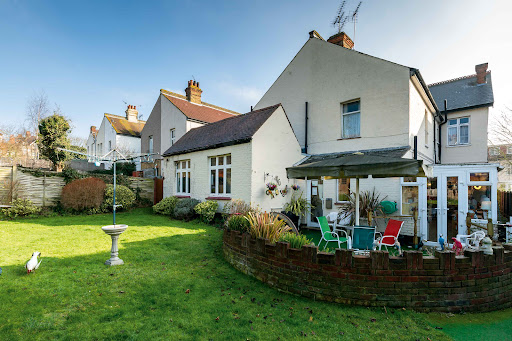
At a Glance
The information you need to decide whether this home warrants a closer look.
Residential homes
Staff warmth score
of reviewers answered yes
Good to know
- Registered beds24
- SpecialismsCaring for adults over 65 yrs, Dementia
- Last inspected2019-03-08
Save Palmerston Residential Care Home to your shortlist
Keep a running list, add visit notes, and compare homes side-by-side. Free account — it takes a minute.
STAGE 4 — RESEARCHING CARE HOMES
Visit homes. Compare them side by side. Choose with confidence.
Most of us will view care homes the way we view houses, impression, atmosphere, the feeling in the corridor. We go home, try to remember what we saw, and make a permanent decision from a blurred memory.

The DCC shortlist gives every home you visit a structured record: the same twelve questions, answered the same way, every time. When you’re ready to choose, pull any two homes side by side and compare them directly. Same criteria, same evidence, your notes and your scores.
The Evidence
What the review data, the inspection reports, and the dementia-care evidence base tell us about this home.
What families say
Families talk about the understanding they see here — staff who really respond to what residents need, when they need it. There's a settled feeling that helps people relax into their days.
The eight family priority themes
- Staff warmth65
- Compassion & dignity65
- Cleanliness55
- Activities & engagement55
- Food quality55
- Healthcare60
- Management & leadership45
- Resident happiness60
What inspectors found
Inspected 2019-03-08
Is this home safe?
Is the care effective?
Effective was rated Good at the October 2025 inspection. This domain covers whether staff have the skills and knowledge to care for your parent properly — including dementia-specific training, how care plans are written and reviewed, access to GPs and healthcare professionals, nutrition and hydration, and whether the home acts on health changes promptly. A Good rating here suggests inspectors were broadly satisfied, though the published summary does not include specific examples of what was observed.Is this home caring?
Caring was rated Good at the October 2025 inspection. This domain reflects whether staff treat your parent with kindness, respect, and genuine concern — including how they speak to residents, whether they protect privacy and dignity, and whether they support independence where possible. A Good rating suggests inspectors observed staff behaving in a broadly respectful and compassionate way during their visit. No specific quotes or detailed observations from residents or relatives are available in the published summary.Is the home responsive?
Responsive was rated Good at the October 2025 inspection. This domain covers whether the home treats your parent as an individual — whether activities are meaningful, whether their preferences and history are known and acted upon, and whether the home responds appropriately when needs change, including end-of-life planning. A Good rating suggests inspectors were satisfied with how the home approaches individuality and engagement. No specific activity examples, life history practices, or end-of-life planning details are available in the published summary.Is the home well-led?
Well-led was rated Requires Improvement at the October 2025 inspection. This domain covers whether the registered manager provides stable, visible leadership, whether staff are supported and able to speak up, whether governance systems are working, and whether the home has a clear improvement culture. A Requires Improvement here, alongside a Requires Improvement in Safe, is a pattern that warrants careful scrutiny. The published summary does not describe what specifically drove this rating. The registered manager is named as Mrs Ruth Barbara Gates, and the nominated individual is Mr Mustafa Mert Gulhan of E&F Enterprises Ltd.
Source: CQC inspection report →
What the evidence base says
The home specialises in dementia care and supports adults over 65, focusing on creating familiar routines and responsive care. While the home specialises in dementia support, families particularly notice how staff understand and respond to individual needs as they change. All areas worth probing directly during a visit.
The DCC Verdict
Our editorial view, built from the three lenses: what families tell us, what inspectors record, and how the home sits against good dementia-care practice.
DCC Family Score
Palmerston House scores in the mid-range, reflecting a home where inspectors found enough to rate most care domains Good, but with meaningful gaps in safety and leadership that prevent a stronger recommendation — particularly for families considering this home for a parent with dementia.
Homes in East typically score 68–82.The three-lens summary
What families tell us
Families talk about the understanding they see here — staff who really respond to what residents need, when they need it. There's a settled feeling that helps people relax into their days.
What inspectors have recorded
How it sits against good practice
Sometimes the right place is simply somewhere that feels settled and understanding.
Worth a visit
Palmerston House Care Home in Westcliff-on-Sea was assessed in October 2025, with the report published in February 2026. The home is registered for 24 adults over 65, specialising in dementia care. Inspectors rated three domains — Effective, Caring, and Responsive — as Good, suggesting that on the day of inspection, staff were broadly kind, care planning was in order, and activities and individual responses were considered satisfactory. However, two domains — Safe and Well-led — were rated Requires Improvement, and these are not minor concerns for a dementia specialist home. Safety and leadership are the foundations everything else rests on. The inspection report text available does not explain what specifically drove those ratings, which means you cannot yet know whether the issues relate to medicines, falls management, staffing levels, incident recording, or the quality of oversight by the registered manager. Before making a decision, ask the home directly: what did the inspection find in Safe and Well-led, what actions have been taken since October 2025, and has a re-inspection been scheduled? On your visit, count how many staff are on the unit at different times of day, ask to meet the registered manager, and watch how staff interact with residents who are distressed or confused.
The three questions to ask when you visitSave this home. Compare it against your shortlist.
Let our analysis show you how Palmerston Residential Care Home measures up against the other homes you’re considering. Free account.
In Their Own Words
How Palmerston Residential Care Home describes itself — collected from its own website. DCC has not edited or independently verified the content in this tab.
Where understanding meets everyday comfort in Westcliff
Dedicated residential home Support in Westcliff On Sea
When dementia changes everything, finding somewhere that truly understands can feel impossible. Palmerston House Care Home in Westcliff On Sea creates a settled, familiar environment where residents feel comfortable and families see genuine care in action. This specialist home focuses on adults over 65, bringing empathy and reliability to daily life.
Who they care for
The home specialises in dementia care and supports adults over 65, focusing on creating familiar routines and responsive care.
While the home specialises in dementia support, families particularly notice how staff understand and respond to individual needs as they change.
“Sometimes the right place is simply somewhere that feels settled and understanding.”
DCC does not edit or curate content in this tab. For independently curated information, see The Evidence and DCC Verdict.
The DCC Verdict
Our editorial view, built from the three lenses: what families tell us, what inspectors record, and how the home sits against good dementia-care practice.
DCC Family Score
Palmerston House scores in the mid-range, reflecting a home where inspectors found enough to rate most care domains Good, but with meaningful gaps in safety and leadership that prevent a stronger recommendation — particularly for families considering this home for a parent with dementia.
Homes in East typically score 68–82.The three-lens summary
What families tell us
Families talk about the understanding they see here — staff who really respond to what residents need, when they need it. There's a settled feeling that helps people relax into their days.
What inspectors have recorded
How it sits against good practice
Sometimes the right place is simply somewhere that feels settled and understanding.
Worth a visit
Palmerston House Care Home in Westcliff-on-Sea was assessed in October 2025, with the report published in February 2026. The home is registered for 24 adults over 65, specialising in dementia care. Inspectors rated three domains — Effective, Caring, and Responsive — as Good, suggesting that on the day of inspection, staff were broadly kind, care planning was in order, and activities and individual responses were considered satisfactory. However, two domains — Safe and Well-led — were rated Requires Improvement, and these are not minor concerns for a dementia specialist home. Safety and leadership are the foundations everything else rests on. The inspection report text available does not explain what specifically drove those ratings, which means you cannot yet know whether the issues relate to medicines, falls management, staffing levels, incident recording, or the quality of oversight by the registered manager. Before making a decision, ask the home directly: what did the inspection find in Safe and Well-led, what actions have been taken since October 2025, and has a re-inspection been scheduled? On your visit, count how many staff are on the unit at different times of day, ask to meet the registered manager, and watch how staff interact with residents who are distressed or confused.
The three questions to ask when you visitSave this home. Compare it against your shortlist.
Let our analysis show you how Palmerston Residential Care Home measures up against the other homes you’re considering. Free account.
In Their Own Words
How Palmerston Residential Care Home describes itself — collected from its own website. DCC has not edited or independently verified the content in this tab.
Where understanding meets everyday comfort in Westcliff
Dedicated residential home Support in Westcliff On Sea
When dementia changes everything, finding somewhere that truly understands can feel impossible. Palmerston House Care Home in Westcliff On Sea creates a settled, familiar environment where residents feel comfortable and families see genuine care in action. This specialist home focuses on adults over 65, bringing empathy and reliability to daily life.
Who they care for
The home specialises in dementia care and supports adults over 65, focusing on creating familiar routines and responsive care.
While the home specialises in dementia support, families particularly notice how staff understand and respond to individual needs as they change.
The home & environment
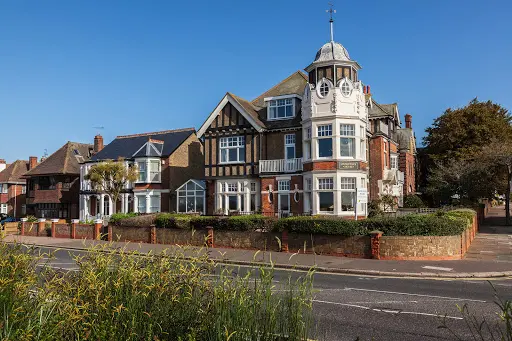
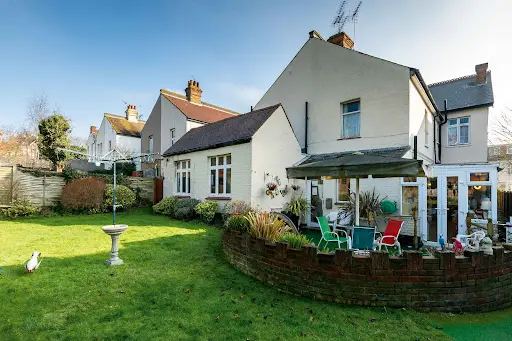
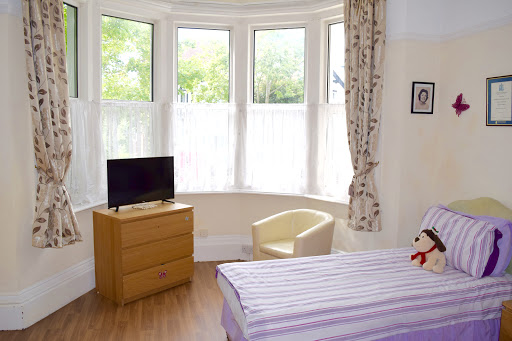
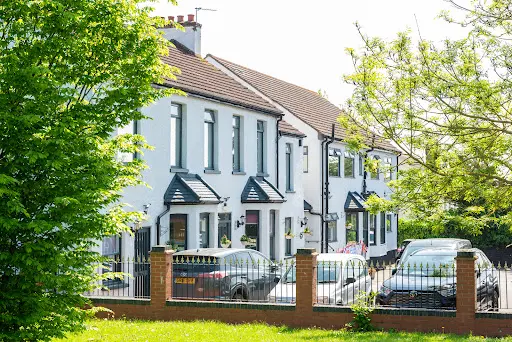
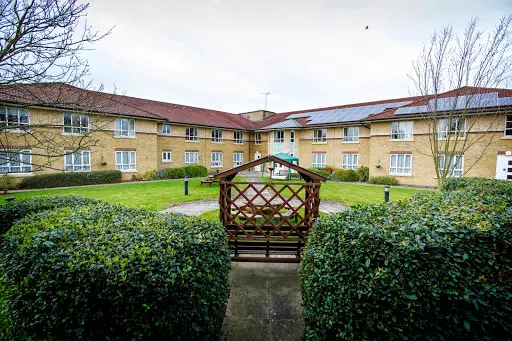
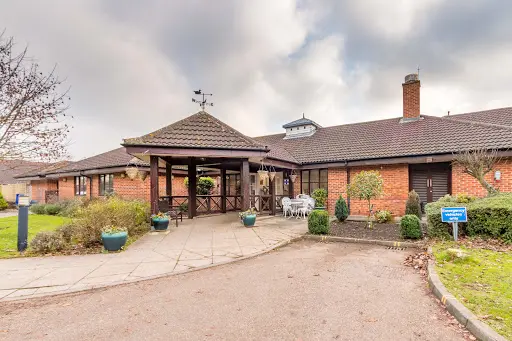
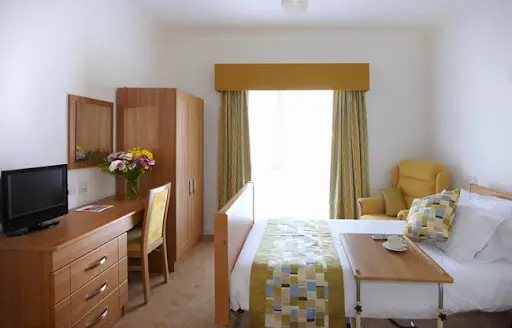
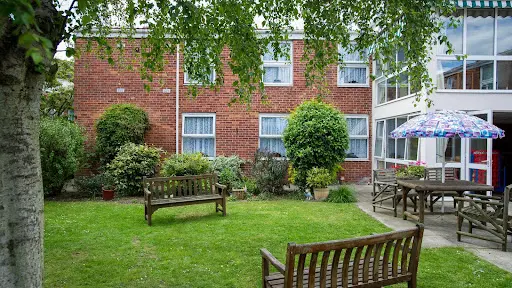
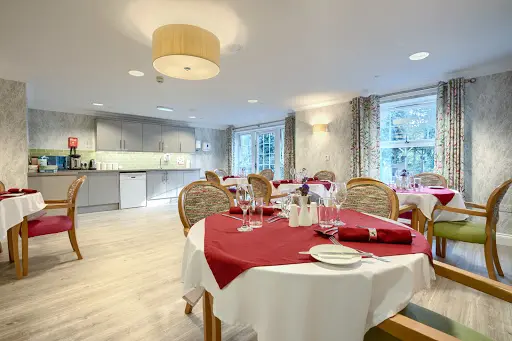
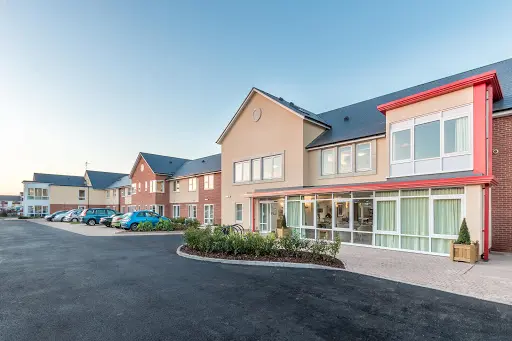
The home keeps everything clean and well-maintained, creating comfortable spaces where residents can feel at ease.
“Sometimes the right place is simply somewhere that feels settled and understanding.”
DCC does not edit or curate content in this tab. For independently curated information, see The Evidence and DCC Verdict.