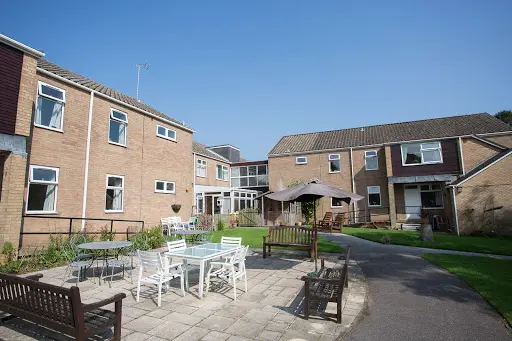
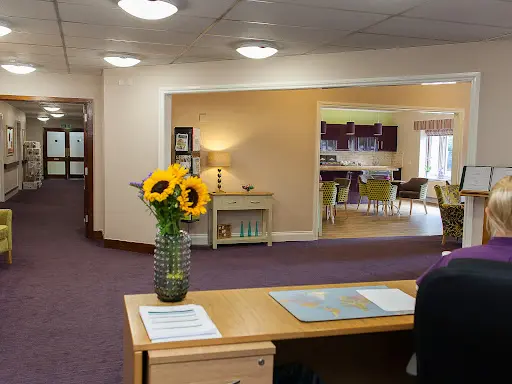
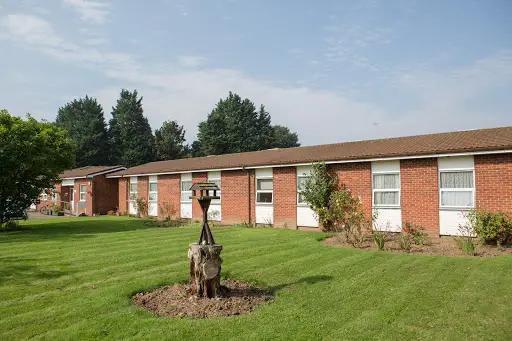
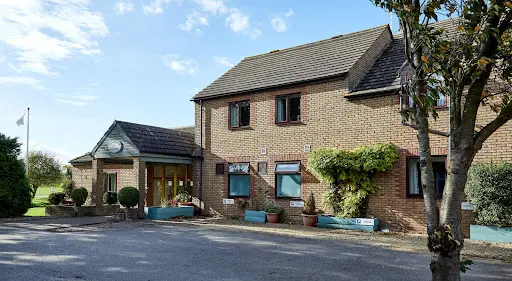
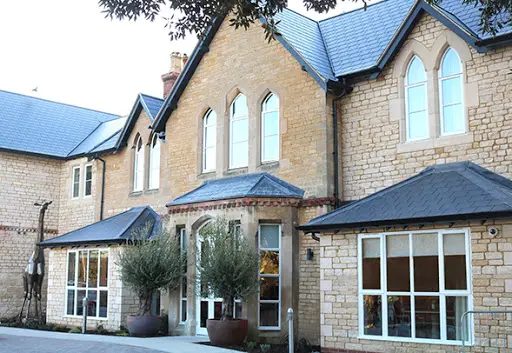
OSJCT Eresby Hall
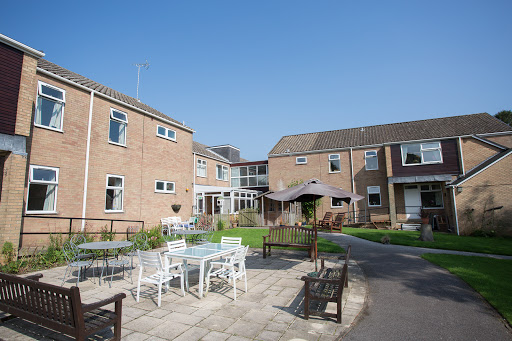
At a Glance
The information you need to decide whether this home warrants a closer look.
Residential homes
Staff warmth score
of reviewers answered yes
Good to know
- Registered beds42
- SpecialismsCaring for adults over 65 yrs, Caring for adults under 65 yrs, Dementia, Sensory impairment
- Last inspected2019-05-09
Save OSJCT Eresby Hall to your shortlist
Keep a running list, add visit notes, and compare homes side-by-side. Free account — it takes a minute.
STAGE 4 — RESEARCHING CARE HOMES
Visit homes. Compare them side by side. Choose with confidence.
Most of us will view care homes the way we view houses, impression, atmosphere, the feeling in the corridor. We go home, try to remember what we saw, and make a permanent decision from a blurred memory.

The DCC shortlist gives every home you visit a structured record: the same twelve questions, answered the same way, every time. When you’re ready to choose, pull any two homes side by side and compare them directly. Same criteria, same evidence, your notes and your scores.
The Evidence
What the review data, the inspection reports, and the dementia-care evidence base tell us about this home.
What families say
The eight family priority themes
- Staff warmth55
- Compassion & dignity55
- Cleanliness55
- Activities & engagement50
- Food quality50
- Healthcare50
- Management & leadership60
- Resident happiness55
What inspectors found
Inspected 2019-05-09
Is this home safe?
Is the care effective?
The Effective domain was rated Good at the May 2019 inspection. For a home specialising in dementia and sensory impairment, this rating covers care planning, staff training, healthcare access, nutrition and hydration. A Good here suggests the inspector found that care plans were in place, that staff had appropriate training, and that residents' health needs were being met through access to GPs and other professionals. The home's dementia specialism implies some level of dedicated training and environmental adaptation, though the content and frequency of that training cannot be confirmed from the rating alone. The age of this inspection means training records and care planning practices should be verified on a visit.Is this home caring?
The Caring domain was rated Good at the May 2019 inspection, suggesting inspectors were satisfied that staff treated people with warmth, dignity and respect. For a home of 42 people including those with dementia, this rating typically reflects inspector observations of staff interactions, how personal care is delivered, and whether residents' preferences and identities are recognised. Without the full inspection text, no direct quotes from residents or family members can be provided, and specific practices around privacy, use of preferred names, or response to distress cannot be confirmed. The Caring rating is the one families most want to understand in depth — and this gap in available evidence is the most significant limitation of this report.Is the home responsive?
The Responsive domain was rated Good at the May 2019 inspection. This covers whether the home provides activities and engagement that suit individuals, responds to changing needs, handles complaints well, and supports people at the end of life. For people living with dementia and sensory impairment, responsiveness includes whether activities are adapted to different abilities — including one-to-one engagement for those who cannot join groups. The home lists sensory impairment as a specialism, which implies some tailored provision, but specifics of the activities programme cannot be confirmed without the inspection text. At 42 beds, the home is small enough that individual attention should be feasible, but this needs verification.Is the home well-led?
The Well-led domain was rated Good at the May 2019 inspection, an improvement from a previous Requires Improvement rating. This is arguably the most significant finding in the available data: a home that has demonstrably improved its leadership and governance is one that has identified problems and acted on them. Well-led covers the visibility and stability of management, whether staff feel supported and can raise concerns, how incidents are reviewed, and whether quality monitoring is meaningful. Without the inspection text, the specific strengths and remaining development areas identified by the inspector cannot be confirmed. Leadership stability since 2019 is a key unknown that should be explored directly.
Source: CQC inspection report →
What the evidence base says
The home supports people with sensory impairments and provides specialist dementia care. They welcome both younger adults under 65 and older residents who need residential support. For residents living with dementia, the team brings experience and understanding to their care approach. They work with families to create the right environment for each person's needs. All areas worth probing directly during a visit.
The DCC Verdict
Our editorial view, built from the three lenses: what families tell us, what inspectors record, and how the home sits against good dementia-care practice.
DCC Family Score
This home holds a Good rating across all five domains following improvement from a previous Requires Improvement, which is a meaningful positive step — but because the full inspection text was unavailable, we cannot verify specific evidence behind those ratings, leaving a ceiling on family confidence.
Homes in East Midlands typically score 68–82.Worth a visit
This home in Spilsby, Lincolnshire, was rated Good across all five inspection domains at its most recent assessment in May 2019 — and importantly, that represents a step up from a previous Requires Improvement rating. For a 42-bed home caring for people living with dementia, sensory impairment and age-related needs, reaching Good in every domain is a meaningful achievement that suggests real improvement in care quality and leadership. The trend in the right direction matters: it indicates the home identified what was not working and addressed it. However, this inspection was conducted in May 2019, which means the findings are now over five years old. A great deal can change in a care home over that period — staffing, management, culture, and the number of people living there. Because the full inspection report text was not available, we cannot tell you what specific evidence the inspector found, what quotes residents and families gave, or what areas were still developing. Before visiting, ask directly: how many permanent staff work nights on the dementia unit, how often are agency staff used, and when was the last time a family was formally involved in a care plan review. A visit at an unannounced time — mid-morning on a weekday — will tell you more than any document.
The three questions to ask when you visitSave this home. Compare it against your shortlist.
Let our analysis show you how OSJCT Eresby Hall measures up against the other homes you’re considering. Free account.
In Their Own Words
How OSJCT Eresby Hall describes itself — collected from its own website. DCC has not edited or independently verified the content in this tab.
Skilled care through life's most challenging moments
Dedicated residential home Support in Spilsby
When caring for someone becomes complex and demanding, families need somewhere they can truly trust. Eresby Hall in Spilsby provides residential care for people over and under 65, including those living with dementia. The care team here understands that some residents arrive during particularly difficult times, when expert support matters most.
Who they care for
The home supports people with sensory impairments and provides specialist dementia care. They welcome both younger adults under 65 and older residents who need residential support.
For residents living with dementia, the team brings experience and understanding to their care approach. They work with families to create the right environment for each person's needs.
“If you'd like to learn more about how Eresby Hall approaches complex care needs, the team welcomes your questions.”
DCC does not edit or curate content in this tab. For independently curated information, see The Evidence and DCC Verdict.
The DCC Verdict
Our editorial view, built from the three lenses: what families tell us, what inspectors record, and how the home sits against good dementia-care practice.
DCC Family Score
This home holds a Good rating across all five domains following improvement from a previous Requires Improvement, which is a meaningful positive step — but because the full inspection text was unavailable, we cannot verify specific evidence behind those ratings, leaving a ceiling on family confidence.
Homes in East Midlands typically score 68–82.Worth a visit
This home in Spilsby, Lincolnshire, was rated Good across all five inspection domains at its most recent assessment in May 2019 — and importantly, that represents a step up from a previous Requires Improvement rating. For a 42-bed home caring for people living with dementia, sensory impairment and age-related needs, reaching Good in every domain is a meaningful achievement that suggests real improvement in care quality and leadership. The trend in the right direction matters: it indicates the home identified what was not working and addressed it. However, this inspection was conducted in May 2019, which means the findings are now over five years old. A great deal can change in a care home over that period — staffing, management, culture, and the number of people living there. Because the full inspection report text was not available, we cannot tell you what specific evidence the inspector found, what quotes residents and families gave, or what areas were still developing. Before visiting, ask directly: how many permanent staff work nights on the dementia unit, how often are agency staff used, and when was the last time a family was formally involved in a care plan review. A visit at an unannounced time — mid-morning on a weekday — will tell you more than any document.
The three questions to ask when you visitSave this home. Compare it against your shortlist.
Let our analysis show you how OSJCT Eresby Hall measures up against the other homes you’re considering. Free account.
In Their Own Words
How OSJCT Eresby Hall describes itself — collected from its own website. DCC has not edited or independently verified the content in this tab.
Skilled care through life's most challenging moments
Dedicated residential home Support in Spilsby
When caring for someone becomes complex and demanding, families need somewhere they can truly trust. Eresby Hall in Spilsby provides residential care for people over and under 65, including those living with dementia. The care team here understands that some residents arrive during particularly difficult times, when expert support matters most.
Who they care for
The home supports people with sensory impairments and provides specialist dementia care. They welcome both younger adults under 65 and older residents who need residential support.
For residents living with dementia, the team brings experience and understanding to their care approach. They work with families to create the right environment for each person's needs.
“If you'd like to learn more about how Eresby Hall approaches complex care needs, the team welcomes your questions.”
DCC does not edit or curate content in this tab. For independently curated information, see The Evidence and DCC Verdict.