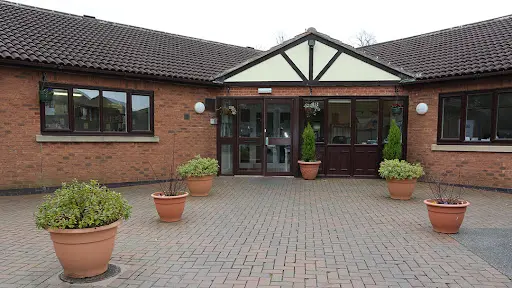
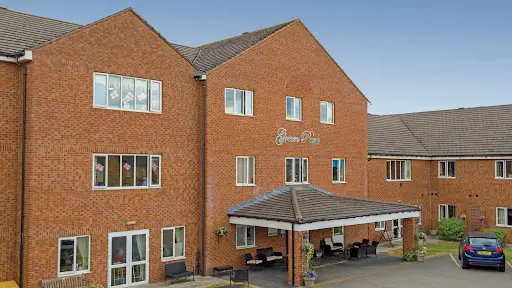
Oldfield Bank Residential Care Home

At a Glance
The information you need to decide whether this home warrants a closer look.
Residential homes
Staff warmth score
of reviewers answered yes
Good to know
- Registered beds28
- SpecialismsCaring for adults over 65 yrs, Dementia
- Last inspected2023-07-11
Save Oldfield Bank Residential Care Home to your shortlist
Keep a running list, add visit notes, and compare homes side-by-side. Free account — it takes a minute.
STAGE 4 — RESEARCHING CARE HOMES
Visit homes. Compare them side by side. Choose with confidence.
Most of us will view care homes the way we view houses, impression, atmosphere, the feeling in the corridor. We go home, try to remember what we saw, and make a permanent decision from a blurred memory.

The DCC shortlist gives every home you visit a structured record: the same twelve questions, answered the same way, every time. When you’re ready to choose, pull any two homes side by side and compare them directly. Same criteria, same evidence, your notes and your scores.
The Evidence
What the review data, the inspection reports, and the dementia-care evidence base tell us about this home.
What families say
Relatives talk about seeing real change in their loved ones here. People who'd been bed-bound are walking again with careful support. Those who'd stopped engaging with life are taking part in themed events and local visits. The difference shows in small but important ways — residents choosing their meals, joining conversations, even just sitting comfortably in the lounge rather than staying in their rooms.
The eight family priority themes
- Staff warmth72
- Compassion & dignity72
- Cleanliness70
- Activities & engagement60
- Food quality60
- Healthcare68
- Management & leadership74
- Resident happiness68
What inspectors found
Inspected 2023-07-11
Is this home safe?
Is the care effective?
The Effective domain was rated Good at the May 2023 inspection. This covers training, care planning, healthcare access, nutrition, and hydration. No specific detail about dementia training content, GP access frequency, care plan quality, or food provision is included in the published summary. The previous Requires Improvement rating means that inspectors had previously identified gaps in effectiveness, so it is worth understanding what those gaps were and how they were resolved.Is this home caring?
The Caring domain was rated Good at the May 2023 inspection. This is the domain that captures whether staff are kind, whether dignity is respected, and whether your parent's individuality is recognised. No inspector observations about staff interactions, no resident quotes, and no relative feedback are included in the published summary. Staff warmth is the single highest-weighted theme in family satisfaction data, and its absence from the published findings is a significant gap in what you can assess remotely.Is the home responsive?
The Responsive domain was rated Good at the May 2023 inspection. This domain covers whether the home meets individual needs, whether activities are meaningful and varied, and whether end-of-life wishes are documented. No detail about the activity programme, one-to-one engagement, or end-of-life planning is included in the published summary. For a 28-bed home specialising in dementia, individual responsiveness is particularly important because group activities suit only a portion of residents at any one time.Is the home well-led?
The Well-led domain was rated Good at the May 2023 inspection. The registered manager is Mr Andrew Foote and the nominated individual is Mr Syed Amer Hussain. The home is run by 3A Care (Altrincham) Limited. The previous Requires Improvement rating means leadership was found to be insufficient at an earlier point, and the move to Good represents a confirmed improvement. No detail about manager visibility, staff culture, governance systems, or how the home learns from complaints is included in the published summary.
Source: CQC inspection report →
What the evidence base says
The home specialises in dementia care and supporting adults over 65. Their approach focuses on maintaining independence and dignity while providing the right level of support for each person's needs. For residents living with dementia, the team works to preserve abilities rather than just manage decline. They use familiar activities and gentle encouragement to keep people engaged, adapting their approach as needs change while maintaining each person's sense of self. All areas worth probing directly during a visit.
The DCC Verdict
Our editorial view, built from the three lenses: what families tell us, what inspectors record, and how the home sits against good dementia-care practice.
DCC Family Score
Oldfield Bank has improved from Requires Improvement to Good across all five domains, which is a meaningful step forward. However, the published inspection text contains very limited specific detail, so most scores reflect confirmed improvement rather than rich, observed evidence.
Homes in North West typically score 68–82.The three-lens summary
What families tell us
Relatives talk about seeing real change in their loved ones here. People who'd been bed-bound are walking again with careful support. Those who'd stopped engaging with life are taking part in themed events and local visits. The difference shows in small but important ways — residents choosing their meals, joining conversations, even just sitting comfortably in the lounge rather than staying in their rooms.
What inspectors have recorded
Staff here seem to understand that good care means more than completing tasks. They stop for conversations, notice when someone needs extra support, and work to build genuine relationships with residents. When health needs change, they respond quickly — adjusting care plans, keeping families informed, and making sure residents stay comfortable through every transition.
How it sits against good practice
What families notice most is the relief of seeing their loved ones genuinely cared for — not just looked after, but helped to live better.
Worth a visit
Oldfield Bank Residential Care Home, on Highgate Road in Altrincham, was rated Good across all five inspection domains at its most recent inspection in May 2023. This is a genuine improvement from its previous Requires Improvement rating, and all five domains, covering safety, effectiveness, caring, responsiveness, and leadership, were rated Good. The home specialises in dementia care and personal care for adults over 65, and has 28 beds. The main caution for any family considering this home is that the published inspection summary contains very limited specific detail. There are no recorded inspector observations, no quotes from residents or relatives, and no description of daily life inside the home. A Good rating following a previous Requires Improvement is encouraging, but it is essential to visit in person, ask to see the staffing rota for a typical week, and request a copy of an anonymised care plan to understand how individual and specific the home's approach really is. Pay particular attention to what has changed since the previous inspection and ask the manager directly what triggered the improvement.
The three questions to ask when you visitSave this home. Compare it against your shortlist.
Let our analysis show you how Oldfield Bank Residential Care Home measures up against the other homes you’re considering. Free account.
In Their Own Words
How Oldfield Bank Residential Care Home describes itself — collected from its own website. DCC has not edited or independently verified the content in this tab.
Where confidence returns and dignity never leaves
Compassionate Care in Altrincham at Oldfield Bank Residential Care Home
Families describe something remarkable happening at Oldfield Bank Residential Care Home in Altrincham — residents who arrived struggling with mobility and confidence are rediscovering their independence. People who'd become withdrawn are joining in with activities and conversations again. It's the kind of transformation that matters most when you're worried about someone you love.
Who they care for
The home specialises in dementia care and supporting adults over 65. Their approach focuses on maintaining independence and dignity while providing the right level of support for each person's needs.
For residents living with dementia, the team works to preserve abilities rather than just manage decline. They use familiar activities and gentle encouragement to keep people engaged, adapting their approach as needs change while maintaining each person's sense of self.
“What families notice most is the relief of seeing their loved ones genuinely cared for — not just looked after, but helped to live better.”
DCC does not edit or curate content in this tab. For independently curated information, see The Evidence and DCC Verdict.
The DCC Verdict
Our editorial view, built from the three lenses: what families tell us, what inspectors record, and how the home sits against good dementia-care practice.
DCC Family Score
Oldfield Bank has improved from Requires Improvement to Good across all five domains, which is a meaningful step forward. However, the published inspection text contains very limited specific detail, so most scores reflect confirmed improvement rather than rich, observed evidence.
Homes in North West typically score 68–82.The three-lens summary
What families tell us
Relatives talk about seeing real change in their loved ones here. People who'd been bed-bound are walking again with careful support. Those who'd stopped engaging with life are taking part in themed events and local visits. The difference shows in small but important ways — residents choosing their meals, joining conversations, even just sitting comfortably in the lounge rather than staying in their rooms.
What inspectors have recorded
Staff here seem to understand that good care means more than completing tasks. They stop for conversations, notice when someone needs extra support, and work to build genuine relationships with residents. When health needs change, they respond quickly — adjusting care plans, keeping families informed, and making sure residents stay comfortable through every transition.
How it sits against good practice
What families notice most is the relief of seeing their loved ones genuinely cared for — not just looked after, but helped to live better.
Worth a visit
Oldfield Bank Residential Care Home, on Highgate Road in Altrincham, was rated Good across all five inspection domains at its most recent inspection in May 2023. This is a genuine improvement from its previous Requires Improvement rating, and all five domains, covering safety, effectiveness, caring, responsiveness, and leadership, were rated Good. The home specialises in dementia care and personal care for adults over 65, and has 28 beds. The main caution for any family considering this home is that the published inspection summary contains very limited specific detail. There are no recorded inspector observations, no quotes from residents or relatives, and no description of daily life inside the home. A Good rating following a previous Requires Improvement is encouraging, but it is essential to visit in person, ask to see the staffing rota for a typical week, and request a copy of an anonymised care plan to understand how individual and specific the home's approach really is. Pay particular attention to what has changed since the previous inspection and ask the manager directly what triggered the improvement.
The three questions to ask when you visitSave this home. Compare it against your shortlist.
Let our analysis show you how Oldfield Bank Residential Care Home measures up against the other homes you’re considering. Free account.
In Their Own Words
How Oldfield Bank Residential Care Home describes itself — collected from its own website. DCC has not edited or independently verified the content in this tab.
Where confidence returns and dignity never leaves
Compassionate Care in Altrincham at Oldfield Bank Residential Care Home
Families describe something remarkable happening at Oldfield Bank Residential Care Home in Altrincham — residents who arrived struggling with mobility and confidence are rediscovering their independence. People who'd become withdrawn are joining in with activities and conversations again. It's the kind of transformation that matters most when you're worried about someone you love.
Who they care for
The home specialises in dementia care and supporting adults over 65. Their approach focuses on maintaining independence and dignity while providing the right level of support for each person's needs.
For residents living with dementia, the team works to preserve abilities rather than just manage decline. They use familiar activities and gentle encouragement to keep people engaged, adapting their approach as needs change while maintaining each person's sense of self.
Management & ethos
Staff here seem to understand that good care means more than completing tasks. They stop for conversations, notice when someone needs extra support, and work to build genuine relationships with residents. When health needs change, they respond quickly — adjusting care plans, keeping families informed, and making sure residents stay comfortable through every transition.
The home & environment
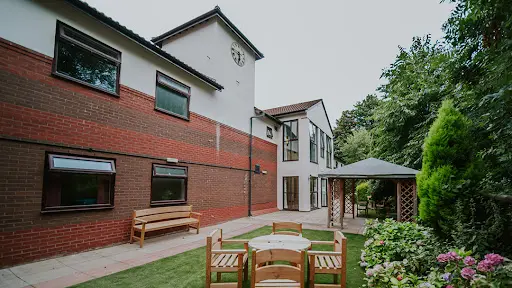
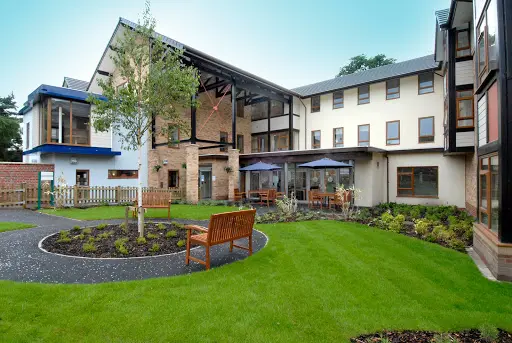
The home keeps everything clean and well-maintained without feeling institutional. Mealtimes get particular attention — staff help residents eat independently wherever possible, turning what could be difficult moments into social occasions. They're quick to adapt when someone needs different food textures, making sure everyone stays comfortable and well-nourished.
“What families notice most is the relief of seeing their loved ones genuinely cared for — not just looked after, but helped to live better.”
DCC does not edit or curate content in this tab. For independently curated information, see The Evidence and DCC Verdict.