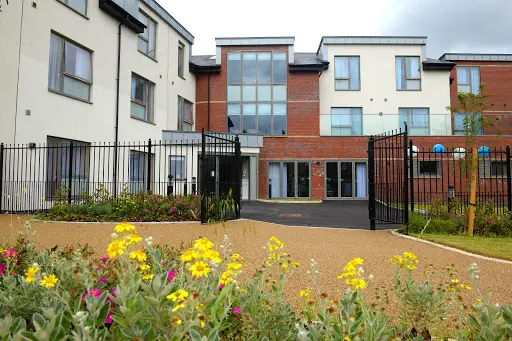
Meadowfield House

At a Glance
The information you need to decide whether this home warrants a closer look.
Residential homes
Staff warmth score
of reviewers answered yes
Good to know
- Registered beds47
- SpecialismsCaring for adults over 65 yrs, Caring for adults under 65 yrs, Dementia, Physical disabilities
- Last inspected2018-09-25
Save Meadowfield House to your shortlist
Keep a running list, add visit notes, and compare homes side-by-side. Free account — it takes a minute.
STAGE 4 — RESEARCHING CARE HOMES
Visit homes. Compare them side by side. Choose with confidence.
Most of us will view care homes the way we view houses, impression, atmosphere, the feeling in the corridor. We go home, try to remember what we saw, and make a permanent decision from a blurred memory.

The DCC shortlist gives every home you visit a structured record: the same twelve questions, answered the same way, every time. When you’re ready to choose, pull any two homes side by side and compare them directly. Same criteria, same evidence, your notes and your scores.
The Evidence
What the review data, the inspection reports, and the dementia-care evidence base tell us about this home.
What families say
Residents describe making proper friendships here, settling into routines that work for them. There's talk of feeling safe and looked after, with people mentioning how staff take time to really engage — whether that's during physiotherapy sessions or just everyday conversations. The activities programme gets people involved, though experiences seem to vary depending on which team is on duty.
The eight family priority themes
- Staff warmth72
- Compassion & dignity72
- Cleanliness70
- Activities & engagement65
- Food quality60
- Healthcare68
- Management & leadership75
- Resident happiness70
What inspectors found
Inspected 2018-09-25
Is this home safe?
Is the care effective?
The Effective domain was rated Good at the last full inspection in September 2018. This covers care planning, staff training, healthcare access, and nutrition. Dementia is listed as a specialism, which means the home should have specific knowledge and adapted practice for people living with dementia. No detail about care plan content, GP access arrangements, or dementia training programmes is available in the published summary. The July 2023 monitoring review found no evidence to change the rating.Is this home caring?
The Caring domain was rated Good at the last full inspection in September 2018. Inspectors were satisfied with how staff treated residents, covering dignity, respect, and warmth of interaction. No specific observations, resident quotes, or family testimony are available in the published summary to illustrate what that looked like in practice. The home cares for people with dementia and physical disabilities, where the quality of everyday interaction carries particular weight. The July 2023 monitoring review found no evidence to prompt a change.Is the home responsive?
The Responsive domain was rated Good at the last full inspection in September 2018. This covers how well the home tailors its care to individuals, including activities, engagement, and end-of-life planning. Dementia is a listed specialism, which implies some structured approach to individual engagement. No detail about the activities programme, one-to-one provision, or how the home responds to changing needs is available in the published summary. The July 2023 monitoring review found no cause for reassessment.Is the home well-led?
The Well-led domain was rated Good at the last full inspection in September 2018, having previously been rated Requires Improvement. A named registered manager, Miss Chloe Louise Walmsley, is recorded in the registration data, and a nominated individual, Mr John Alexander Williams, provides organisational oversight. The home is operated by Lancashire County Council. No detail about the manager's tenure, staff satisfaction, or internal governance processes is available in the published summary. The July 2023 monitoring review found no evidence of deterioration.
Source: CQC inspection report →
What the evidence base says
The home cares for adults both under and over 65, including those with physical disabilities and people living with dementia. Their rehabilitation support stands out, with residents mentioning structured therapy programmes that have helped them regain independence after injuries. For residents with dementia, the home provides specialist care as part of their broader support. While some families have praised the patient approach of individual staff members, others have raised concerns about communication barriers that need addressing. All areas worth probing directly during a visit.
The DCC Verdict
Our editorial view, built from the three lenses: what families tell us, what inspectors record, and how the home sits against good dementia-care practice.
DCC Family Score
Meadowfield House scores 73 out of 100, reflecting a home that has genuinely improved from Requires Improvement to Good across all five inspection domains. However, the most recent full inspection took place in September 2018, with a monitoring review in July 2023 finding no cause for reassessment, which means the detailed evidence behind each score is now several years old.
Homes in North West typically score 68–82.The three-lens summary
What families tell us
Residents describe making proper friendships here, settling into routines that work for them. There's talk of feeling safe and looked after, with people mentioning how staff take time to really engage — whether that's during physiotherapy sessions or just everyday conversations. The activities programme gets people involved, though experiences seem to vary depending on which team is on duty.
What inspectors have recorded
Staff come across as genuinely caring, with residents mentioning specific ways they've been supported through recovery. But there's a pattern of communication not always flowing smoothly — messages between families and staff sometimes get lost, and some relatives have found it hard to get straight answers from management. The caring is there, but the systems around it seem stretched.
How it sits against good practice
Meadowfield House shows what dedicated staff can achieve in supporting recovery, though the building and systems around them could use some investment to match their efforts.
Worth a visit
Meadowfield House Home for Older People, in Preston, was rated Good across all five inspection domains at its last full inspection in September 2018. Inspectors found enough improvement from a previous Requires Improvement rating to award Good in every area, covering safety, the effectiveness of care, the kindness of staff, how well the home responds to individual needs, and the quality of leadership. A monitoring review carried out in July 2023 found no evidence to trigger a reassessment of that rating. The most important thing to understand before visiting is that the published inspection findings are now more than five years old. A July 2023 desk-based review is not the same as inspectors walking the corridors and speaking to your parent. On a visit, pay close attention to how staff interact with residents in unscripted moments, whether the manager is visible and known by name, and whether the atmosphere feels calm and unhurried. Ask specifically what has changed since 2018 and how the home monitors its own quality now.
The three questions to ask when you visitSave this home. Compare it against your shortlist.
Let our analysis show you how Meadowfield House measures up against the other homes you’re considering. Free account.
In Their Own Words
How Meadowfield House describes itself — collected from its own website. DCC has not edited or independently verified the content in this tab.
Where recovery meets real relationships in Preston
Dedicated residential home Support in Preston
For families watching loved ones rebuild after illness or injury, Meadowfield House in Preston offers something reassuring — residents who talk about feeling genuinely secure here. The home specialises in rehabilitation support alongside their broader care, with residents describing real progress in their recovery journeys. That said, some families have raised concerns about response times and building maintenance that are worth understanding.
Who they care for
The home cares for adults both under and over 65, including those with physical disabilities and people living with dementia. Their rehabilitation support stands out, with residents mentioning structured therapy programmes that have helped them regain independence after injuries.
For residents with dementia, the home provides specialist care as part of their broader support. While some families have praised the patient approach of individual staff members, others have raised concerns about communication barriers that need addressing.
“Meadowfield House shows what dedicated staff can achieve in supporting recovery, though the building and systems around them could use some investment to match their efforts.”
DCC does not edit or curate content in this tab. For independently curated information, see The Evidence and DCC Verdict.
The DCC Verdict
Our editorial view, built from the three lenses: what families tell us, what inspectors record, and how the home sits against good dementia-care practice.
DCC Family Score
Meadowfield House scores 73 out of 100, reflecting a home that has genuinely improved from Requires Improvement to Good across all five inspection domains. However, the most recent full inspection took place in September 2018, with a monitoring review in July 2023 finding no cause for reassessment, which means the detailed evidence behind each score is now several years old.
Homes in North West typically score 68–82.The three-lens summary
What families tell us
Residents describe making proper friendships here, settling into routines that work for them. There's talk of feeling safe and looked after, with people mentioning how staff take time to really engage — whether that's during physiotherapy sessions or just everyday conversations. The activities programme gets people involved, though experiences seem to vary depending on which team is on duty.
What inspectors have recorded
Staff come across as genuinely caring, with residents mentioning specific ways they've been supported through recovery. But there's a pattern of communication not always flowing smoothly — messages between families and staff sometimes get lost, and some relatives have found it hard to get straight answers from management. The caring is there, but the systems around it seem stretched.
How it sits against good practice
Meadowfield House shows what dedicated staff can achieve in supporting recovery, though the building and systems around them could use some investment to match their efforts.
Worth a visit
Meadowfield House Home for Older People, in Preston, was rated Good across all five inspection domains at its last full inspection in September 2018. Inspectors found enough improvement from a previous Requires Improvement rating to award Good in every area, covering safety, the effectiveness of care, the kindness of staff, how well the home responds to individual needs, and the quality of leadership. A monitoring review carried out in July 2023 found no evidence to trigger a reassessment of that rating. The most important thing to understand before visiting is that the published inspection findings are now more than five years old. A July 2023 desk-based review is not the same as inspectors walking the corridors and speaking to your parent. On a visit, pay close attention to how staff interact with residents in unscripted moments, whether the manager is visible and known by name, and whether the atmosphere feels calm and unhurried. Ask specifically what has changed since 2018 and how the home monitors its own quality now.
The three questions to ask when you visitSave this home. Compare it against your shortlist.
Let our analysis show you how Meadowfield House measures up against the other homes you’re considering. Free account.
In Their Own Words
How Meadowfield House describes itself — collected from its own website. DCC has not edited or independently verified the content in this tab.
Where recovery meets real relationships in Preston
Dedicated residential home Support in Preston
For families watching loved ones rebuild after illness or injury, Meadowfield House in Preston offers something reassuring — residents who talk about feeling genuinely secure here. The home specialises in rehabilitation support alongside their broader care, with residents describing real progress in their recovery journeys. That said, some families have raised concerns about response times and building maintenance that are worth understanding.
Who they care for
The home cares for adults both under and over 65, including those with physical disabilities and people living with dementia. Their rehabilitation support stands out, with residents mentioning structured therapy programmes that have helped them regain independence after injuries.
For residents with dementia, the home provides specialist care as part of their broader support. While some families have praised the patient approach of individual staff members, others have raised concerns about communication barriers that need addressing.
Management & ethos
Staff come across as genuinely caring, with residents mentioning specific ways they've been supported through recovery. But there's a pattern of communication not always flowing smoothly — messages between families and staff sometimes get lost, and some relatives have found it hard to get straight answers from management. The caring is there, but the systems around it seem stretched.
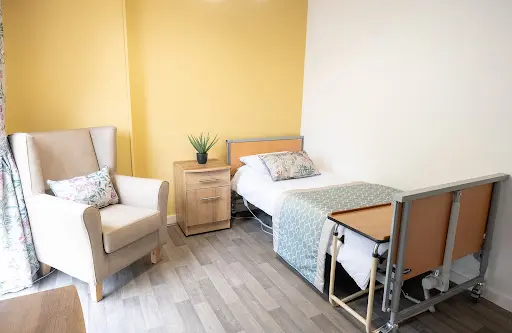
The home & environment
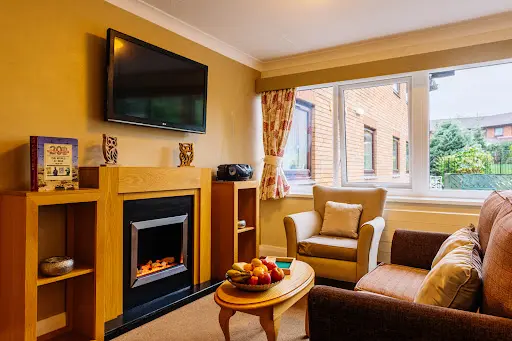
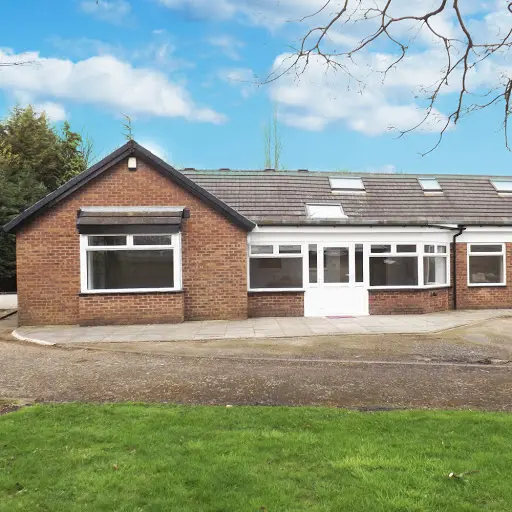
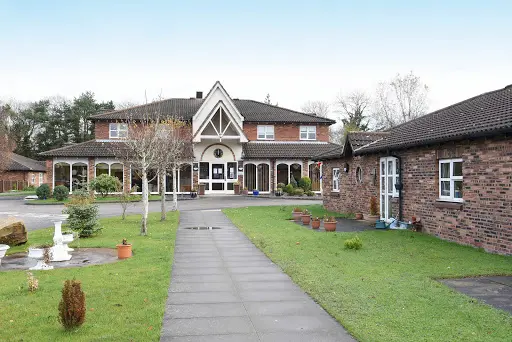
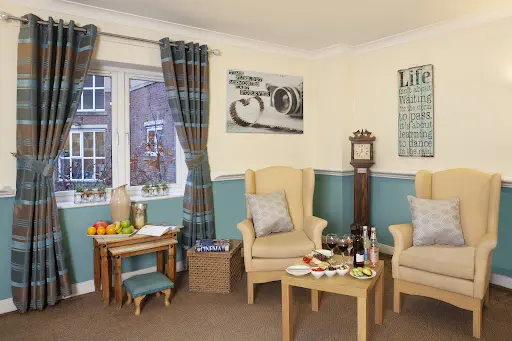
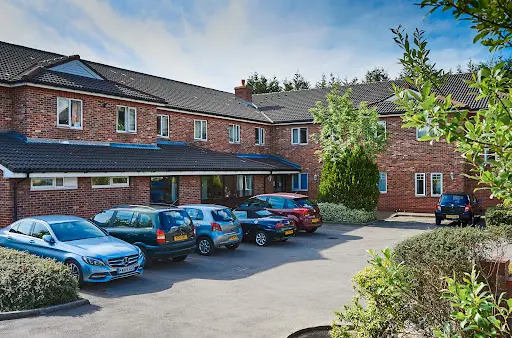
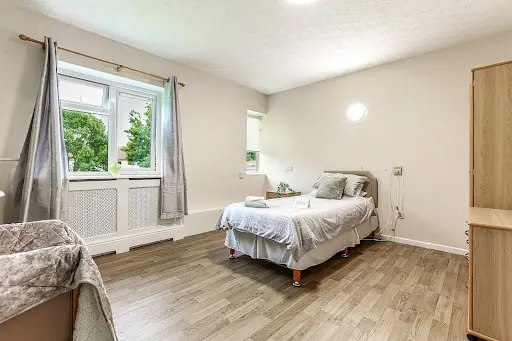
The kitchen gets particular praise — residents mention the food being properly good, not just adequate. However, families have flagged some practical issues with the building itself. Some areas need attention, from worn carpets to accessibility challenges, and there have been reports of maintenance problems not being fixed quickly enough.
“Meadowfield House shows what dedicated staff can achieve in supporting recovery, though the building and systems around them could use some investment to match their efforts.”
DCC does not edit or curate content in this tab. For independently curated information, see The Evidence and DCC Verdict.