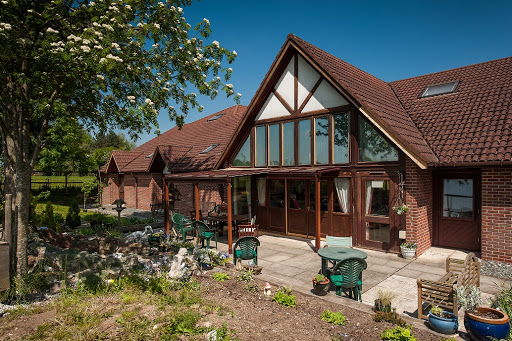
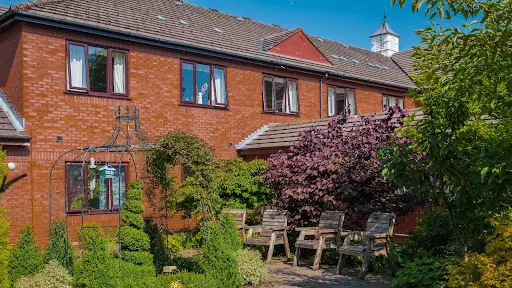
Mary & Joseph House

At a Glance
The information you need to decide whether this home warrants a closer look.
Residential homes, Rehabilitation (illness/injury)
Staff warmth score
of reviewers answered yes
Good to know
- Registered beds41
- SpecialismsCaring for adults over 65 yrs, Caring for adults under 65 yrs, Dementia, Mental health conditions, Physical disabilities, Substance misuse problems
- Last inspected2019-08-07
Save Mary & Joseph House to your shortlist
Keep a running list, add visit notes, and compare homes side-by-side. Free account — it takes a minute.
STAGE 4 — RESEARCHING CARE HOMES
Visit homes. Compare them side by side. Choose with confidence.
Most of us will view care homes the way we view houses, impression, atmosphere, the feeling in the corridor. We go home, try to remember what we saw, and make a permanent decision from a blurred memory.

The DCC shortlist gives every home you visit a structured record: the same twelve questions, answered the same way, every time. When you’re ready to choose, pull any two homes side by side and compare them directly. Same criteria, same evidence, your notes and your scores.
The Evidence
What the review data, the inspection reports, and the dementia-care evidence base tell us about this home.
What families say
The eight family priority themes
- Staff warmth90
- Compassion & dignity90
- Cleanliness82
- Activities & engagement80
- Food quality78
- Healthcare82
- Management & leadership90
- Resident happiness85
What inspectors found
Inspected 2019-08-07
Is this home safe?
Is the care effective?
The effective domain was rated Outstanding, covering training, care planning, healthcare access, and nutrition. The home supports people with dementia, mental health conditions, physical disabilities, and substance misuse, which demands a broad and well-maintained staff training programme. The published summary does not include specific detail on care plan review frequency, dementia training content, or GP access arrangements. The home is registered for both residential care and rehabilitation following illness or injury, suggesting a clinical dimension to its work.Is this home caring?
The caring domain was rated Outstanding, covering staff warmth, dignity, respect, and support for independence. This is the domain that matters most to families in our review data: staff warmth appears in 57.3% of positive reviews and compassion and dignity in 55.2%. An Outstanding rating here means inspectors saw something genuinely above the standard expected. Without the full narrative report, specific observations or quotes from residents and relatives recorded during the inspection are not available in the summary provided.Is the home responsive?
The responsive domain was rated Outstanding, covering activities, individualised engagement, and how well the home meets people's changing needs. The home supports a wide range of people including those with dementia, mental health conditions, and physical disabilities, which makes genuinely responsive care more complex to achieve. The inspection summary does not include detail on the activities programme, one-to-one engagement for people who cannot join group sessions, or how the home handles end-of-life planning.Is the home well-led?
The well-led domain was rated Outstanding, with Mrs Julie Hoszowskyjnamed as the registered manager and also as the nominated individual for the provider organisation, The Joseph Cox Charity. This dual role means she carries significant responsibility for both day-to-day management and organisational governance. An Outstanding rating here means inspectors found strong leadership, a positive culture, and effective systems for monitoring and improving quality. The inspection summary does not include detail on staff turnover, manager tenure, or how the home handles complaints.
Source: CQC inspection report →
What the evidence base says
The team supports adults both under and over 65 with a range of needs including dementia, mental health conditions, physical disabilities and substance misuse problems. People have found the substance misuse support particularly helpful, with residents successfully managing alcohol withdrawal and recovery. The home provides dementia care alongside their other specialist services. This means they can support people who might have dementia along with other health conditions or care needs. All areas worth probing directly during a visit.
The DCC Verdict
Our editorial view, built from the three lenses: what families tell us, what inspectors record, and how the home sits against good dementia-care practice.
DCC Family Score
Mary and Joseph House achieved an Outstanding rating across all five inspection domains, which places it in the top tier of care homes nationally. The score reflects that strength while being honest that the last full published inspection was in February 2021, meaning some of the detail behind those ratings is now several years old.
Homes in North West typically score 68–82.Worth a visit
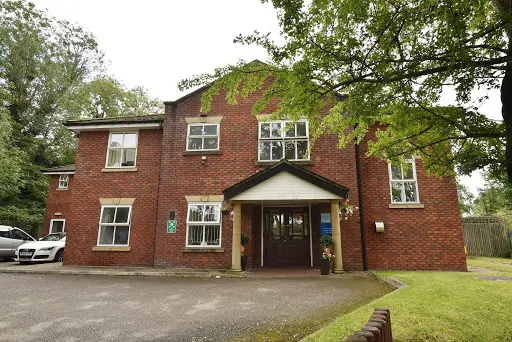
Mary and Joseph House, on Palmerston Street in Manchester, was rated Outstanding across every domain at its last full inspection in February 2021, with that rating confirmed as still standing following a monitoring review in July 2023. An Outstanding rating in all five areas is genuinely rare: only a small fraction of care homes in England achieve it, and doing so across safe, effective, caring, responsive, and well-led at the same time signals a consistently high standard of practice at the time of inspection. The honest caution for you is that the detailed inspection findings underpinning this rating are from early 2021, which means you are relying on evidence that is now more than four years old. Care homes can change significantly in that time, particularly if key staff or the registered manager move on. Mrs Julie Hoszowskyjis named as the registered manager. When you visit, ask whether she is still in post, how staffing has changed since 2021, and request a tour that lets you observe staff interactions directly rather than relying on the published rating alone.
The three questions to ask when you visitSave this home. Compare it against your shortlist.
Let our analysis show you how Mary & Joseph House measures up against the other homes you’re considering. Free account.
In Their Own Words
How Mary & Joseph House describes itself — collected from its own website. DCC has not edited or independently verified the content in this tab.
Specialist support that helps people rebuild their lives
Mary & Joseph House – Your Trusted residential home,rehabilitation (illness/injury)
Mary & Joseph House in Manchester brings together expertise in several complex areas of care, from substance misuse recovery to dementia support. The home works with adults of all ages who need specialised help, whether they're dealing with mental health conditions, physical disabilities, or addiction challenges. People describe a service that runs smoothly and maintains consistent standards.
Who they care for
The team supports adults both under and over 65 with a range of needs including dementia, mental health conditions, physical disabilities and substance misuse problems. People have found the substance misuse support particularly helpful, with residents successfully managing alcohol withdrawal and recovery.
The home provides dementia care alongside their other specialist services. This means they can support people who might have dementia along with other health conditions or care needs.
“If you're looking for somewhere that understands complex care needs, it's worth getting in touch to see how they might help.”
DCC does not edit or curate content in this tab. For independently curated information, see The Evidence and DCC Verdict.
The DCC Verdict
Our editorial view, built from the three lenses: what families tell us, what inspectors record, and how the home sits against good dementia-care practice.
DCC Family Score
Mary and Joseph House achieved an Outstanding rating across all five inspection domains, which places it in the top tier of care homes nationally. The score reflects that strength while being honest that the last full published inspection was in February 2021, meaning some of the detail behind those ratings is now several years old.
Homes in North West typically score 68–82.Worth a visit
Mary and Joseph House, on Palmerston Street in Manchester, was rated Outstanding across every domain at its last full inspection in February 2021, with that rating confirmed as still standing following a monitoring review in July 2023. An Outstanding rating in all five areas is genuinely rare: only a small fraction of care homes in England achieve it, and doing so across safe, effective, caring, responsive, and well-led at the same time signals a consistently high standard of practice at the time of inspection. The honest caution for you is that the detailed inspection findings underpinning this rating are from early 2021, which means you are relying on evidence that is now more than four years old. Care homes can change significantly in that time, particularly if key staff or the registered manager move on. Mrs Julie Hoszowskyjis named as the registered manager. When you visit, ask whether she is still in post, how staffing has changed since 2021, and request a tour that lets you observe staff interactions directly rather than relying on the published rating alone.
The three questions to ask when you visitSave this home. Compare it against your shortlist.
Let our analysis show you how Mary & Joseph House measures up against the other homes you’re considering. Free account.
In Their Own Words
How Mary & Joseph House describes itself — collected from its own website. DCC has not edited or independently verified the content in this tab.
Specialist support that helps people rebuild their lives
Mary & Joseph House – Your Trusted residential home,rehabilitation (illness/injury)
Mary & Joseph House in Manchester brings together expertise in several complex areas of care, from substance misuse recovery to dementia support. The home works with adults of all ages who need specialised help, whether they're dealing with mental health conditions, physical disabilities, or addiction challenges. People describe a service that runs smoothly and maintains consistent standards.
Who they care for
The team supports adults both under and over 65 with a range of needs including dementia, mental health conditions, physical disabilities and substance misuse problems. People have found the substance misuse support particularly helpful, with residents successfully managing alcohol withdrawal and recovery.
The home provides dementia care alongside their other specialist services. This means they can support people who might have dementia along with other health conditions or care needs.
Management & ethos
The home appears to be well-run, with several people commenting on how smoothly things operate day to day. There's a sense that the manager really cares about residents' wellbeing and that standards stay consistent across the service.
“If you're looking for somewhere that understands complex care needs, it's worth getting in touch to see how they might help.”
DCC does not edit or curate content in this tab. For independently curated information, see The Evidence and DCC Verdict.