Magnolia House, Nursing and Care Home
At a Glance
The information you need to decide whether this home warrants a closer look.
Nursing homes
Staff warmth score
of reviewers answered yes
Good to know
- Registered beds67
- SpecialismsCaring for adults over 65 yrs, Caring for adults under 65 yrs, Dementia
- Last inspected2022-11-15
Save Magnolia House, Nursing and Care Home to your shortlist
Keep a running list, add visit notes, and compare homes side-by-side. Free account — it takes a minute.
STAGE 4 — RESEARCHING CARE HOMES
Visit homes. Compare them side by side. Choose with confidence.
Most of us will view care homes the way we view houses, impression, atmosphere, the feeling in the corridor. We go home, try to remember what we saw, and make a permanent decision from a blurred memory.

The DCC shortlist gives every home you visit a structured record: the same twelve questions, answered the same way, every time. When you’re ready to choose, pull any two homes side by side and compare them directly. Same criteria, same evidence, your notes and your scores.
The Evidence
What the review data, the inspection reports, and the dementia-care evidence base tell us about this home.
What families say
Visitors describe a place where daily life feels purposeful and engaging. The regular programme of activities catches people's attention, particularly when therapy animals visit — moments that families say bring real joy to residents' faces.
The eight family priority themes
- Staff warmth72
- Compassion & dignity72
- Cleanliness70
- Activities & engagement60
- Food quality60
- Healthcare70
- Management & leadership75
- Resident happiness70
What inspectors found
Inspected 2022-11-15
Is this home safe?
Is the care effective?
The home received a Good rating for Effective at its October 2022 inspection. Effective covers training, care planning, healthcare access, and nutrition. Dementia is listed as a specialism, which means inspectors would expect to see evidence of dementia-specific training and care approaches. The published summary does not describe specific training content, care plan examples, GP visit frequency, or how food and nutrition are managed, so families should ask about each of these areas directly.Is this home caring?
Magnolia House received a Good rating for Caring at its October 2022 inspection. This domain covers staff warmth, dignity, respect, and whether people are supported to retain independence. The published summary does not include specific observations of staff interactions, resident testimony, or examples of how dignity is maintained in practice. No quotes from residents or relatives appear in the available text.Is the home responsive?
The home was rated Good for Responsive at its October 2022 inspection. This domain covers activities, individual engagement, and how well the home adapts to each person's changing needs. The published summary does not describe specific activities, how the programme is tailored for people with dementia, or what happens for residents who cannot participate in group sessions. No information about complaints handling or how the home responds to changing care needs appears in the available text.Is the home well-led?
Magnolia House was rated Good for Well-led at its October 2022 inspection, having previously been rated Requires Improvement. Both the registered manager, Mrs Lorraine Rose Booth, and the nominated individual, Mr Antony David Cronk, are named in the published record, indicating clear accountability at leadership level. The improvement across all five domains from the previous inspection cycle suggests the leadership team identified and addressed concerns effectively. The published summary does not include detail about staff culture, how staff are supported to raise concerns, or how the home monitors quality on an ongoing basis.
Source: CQC inspection report →
What the evidence base says
Magnolia House provides residential care for adults over 65 and younger adults who need support, with particular experience in dementia care. The home's approach to dementia care includes structured daily activities designed to engage residents emotionally, alongside physical spaces that help create calm and orientation. All areas worth probing directly during a visit.
The DCC Verdict
Our editorial view, built from the three lenses: what families tell us, what inspectors record, and how the home sits against good dementia-care practice.
DCC Family Score
Magnolia House scored 73 out of 100, reflecting a genuine improvement from a previous Requires Improvement rating to Good across all five inspection domains. The score is held back by limited specific detail in the published report on food, activities, and day-to-day life, meaning several important areas need to be explored directly with the home.
Homes in South West typically score 68–82.The three-lens summary
What families tell us
Visitors describe a place where daily life feels purposeful and engaging. The regular programme of activities catches people's attention, particularly when therapy animals visit — moments that families say bring real joy to residents' faces.
What inspectors have recorded
Families speak warmly about the caring approach of staff and nurses here. When difficult times come, relatives have found staff prioritise comfort and dignity, with management providing steady support through challenging periods.
How it sits against good practice
Sometimes the right care home is one where both the big things and small details feel considered — where a water feature isn't just decoration, but part of creating a peaceful environment.
Worth a visit
Magnolia House in Tewkesbury was rated Good at its most recent inspection in October 2022, with Good ratings across all five domains: safe, effective, caring, responsive, and well-led. This is a meaningful result because the home had previously been rated Requires Improvement, meaning inspectors found real, sustained change rather than a one-off performance. The home cares for up to 67 people, including adults living with dementia and those under 65, and operates as a nursing home, meaning it supports people with more complex health and care needs. The main uncertainty here is the limited detail in the published inspection summary. Specific observations about daily life, staff interactions, food, activities, and night staffing do not appear in the available text, which makes it difficult to assess what the Good rating looks like in practice. Before you visit, prepare a short list of direct questions: ask to see last week's actual staffing rota and count the permanent versus agency names, particularly on nights; ask how often your parent's care plan would be reviewed and whether you would be invited to those conversations; and ask specifically what one-to-one engagement looks like for someone at a more advanced stage of dementia. A Good rating after a period of Requires Improvement is encouraging, but the visit itself will tell you what the inspection summary cannot.
The three questions to ask when you visitSave this home. Compare it against your shortlist.
Let our analysis show you how Magnolia House, Nursing and Care Home measures up against the other homes you’re considering. Free account.
In Their Own Words
How Magnolia House, Nursing and Care Home describes itself — collected from its own website. DCC has not edited or independently verified the content in this tab.
Where thoughtful design meets genuine warmth in Tewkesbury
Magnolia House – Your Trusted nursing home
Families visiting Magnolia House in Tewkesbury often notice the little things first — the themed dining rooms, the sound of water in the courtyard, the way staff pause to really listen. This care home brings together considerate design with attentive support for residents needing dementia care or general support in later life.
Who they care for
Magnolia House provides residential care for adults over 65 and younger adults who need support, with particular experience in dementia care.
The home's approach to dementia care includes structured daily activities designed to engage residents emotionally, alongside physical spaces that help create calm and orientation.
“Sometimes the right care home is one where both the big things and small details feel considered — where a water feature isn't just decoration, but part of creating a peaceful environment.”
DCC does not edit or curate content in this tab. For independently curated information, see The Evidence and DCC Verdict.
The DCC Verdict
Our editorial view, built from the three lenses: what families tell us, what inspectors record, and how the home sits against good dementia-care practice.
DCC Family Score
Magnolia House scored 73 out of 100, reflecting a genuine improvement from a previous Requires Improvement rating to Good across all five inspection domains. The score is held back by limited specific detail in the published report on food, activities, and day-to-day life, meaning several important areas need to be explored directly with the home.
Homes in South West typically score 68–82.The three-lens summary
What families tell us
Visitors describe a place where daily life feels purposeful and engaging. The regular programme of activities catches people's attention, particularly when therapy animals visit — moments that families say bring real joy to residents' faces.
What inspectors have recorded
Families speak warmly about the caring approach of staff and nurses here. When difficult times come, relatives have found staff prioritise comfort and dignity, with management providing steady support through challenging periods.
How it sits against good practice
Sometimes the right care home is one where both the big things and small details feel considered — where a water feature isn't just decoration, but part of creating a peaceful environment.
Worth a visit
Magnolia House in Tewkesbury was rated Good at its most recent inspection in October 2022, with Good ratings across all five domains: safe, effective, caring, responsive, and well-led. This is a meaningful result because the home had previously been rated Requires Improvement, meaning inspectors found real, sustained change rather than a one-off performance. The home cares for up to 67 people, including adults living with dementia and those under 65, and operates as a nursing home, meaning it supports people with more complex health and care needs. The main uncertainty here is the limited detail in the published inspection summary. Specific observations about daily life, staff interactions, food, activities, and night staffing do not appear in the available text, which makes it difficult to assess what the Good rating looks like in practice. Before you visit, prepare a short list of direct questions: ask to see last week's actual staffing rota and count the permanent versus agency names, particularly on nights; ask how often your parent's care plan would be reviewed and whether you would be invited to those conversations; and ask specifically what one-to-one engagement looks like for someone at a more advanced stage of dementia. A Good rating after a period of Requires Improvement is encouraging, but the visit itself will tell you what the inspection summary cannot.
The three questions to ask when you visitSave this home. Compare it against your shortlist.
Let our analysis show you how Magnolia House, Nursing and Care Home measures up against the other homes you’re considering. Free account.
In Their Own Words
How Magnolia House, Nursing and Care Home describes itself — collected from its own website. DCC has not edited or independently verified the content in this tab.
Where thoughtful design meets genuine warmth in Tewkesbury
Magnolia House – Your Trusted nursing home
Families visiting Magnolia House in Tewkesbury often notice the little things first — the themed dining rooms, the sound of water in the courtyard, the way staff pause to really listen. This care home brings together considerate design with attentive support for residents needing dementia care or general support in later life.
Who they care for
Magnolia House provides residential care for adults over 65 and younger adults who need support, with particular experience in dementia care.
The home's approach to dementia care includes structured daily activities designed to engage residents emotionally, alongside physical spaces that help create calm and orientation.
Management & ethos
Families speak warmly about the caring approach of staff and nurses here. When difficult times come, relatives have found staff prioritise comfort and dignity, with management providing steady support through challenging periods.
The home & environment
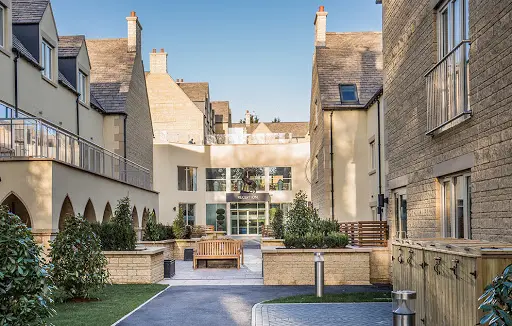
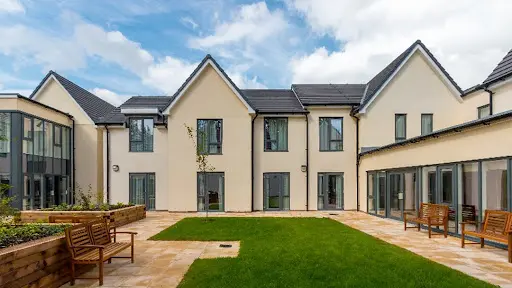
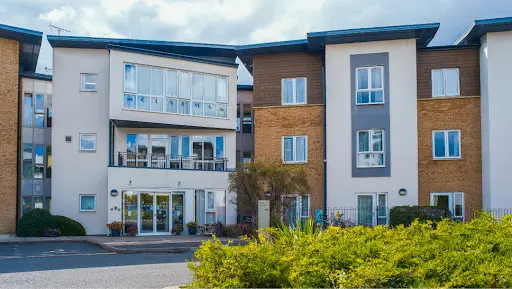
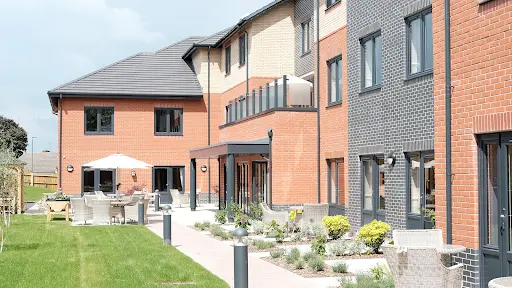
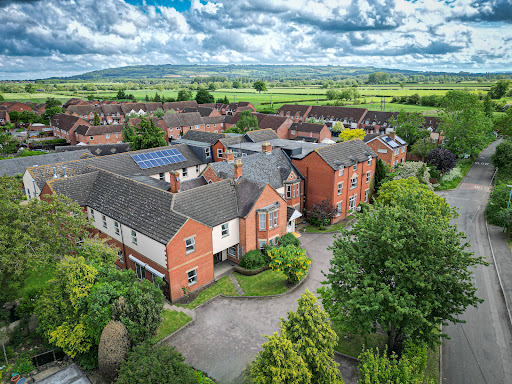
The home's layout shows real thought for residents' comfort. Different themed dining rooms create variety in daily routines, while the maintained gardens and central courtyard with its water feature offer peaceful spots for quiet moments or visits with family.
“Sometimes the right care home is one where both the big things and small details feel considered — where a water feature isn't just decoration, but part of creating a peaceful environment.”
DCC does not edit or curate content in this tab. For independently curated information, see The Evidence and DCC Verdict.