Leycester House Care Home
At a Glance
The information you need to decide whether this home warrants a closer look.
Nursing homes
Staff warmth score
of reviewers answered yes
Good to know
- Registered beds78
- SpecialismsCaring for adults over 65 yrs, Dementia, Physical disabilities, Sensory impairment
- Last inspected2020-02-26
Save Leycester House Care Home to your shortlist
Keep a running list, add visit notes, and compare homes side-by-side. Free account — it takes a minute.
STAGE 4 — RESEARCHING CARE HOMES
Visit homes. Compare them side by side. Choose with confidence.
Most of us will view care homes the way we view houses, impression, atmosphere, the feeling in the corridor. We go home, try to remember what we saw, and make a permanent decision from a blurred memory.

The DCC shortlist gives every home you visit a structured record: the same twelve questions, answered the same way, every time. When you’re ready to choose, pull any two homes side by side and compare them directly. Same criteria, same evidence, your notes and your scores.
The Evidence
What the review data, the inspection reports, and the dementia-care evidence base tell us about this home.
What families say
Families talk about the warmth that hits you straight away — staff who remember preferences without checking notes, activities that spark genuine laughter, and a dining room that feels more gastropub than hospital canteen. People mention how their relatives seem more themselves here, how visits feel relaxed rather than dutiful.
The eight family priority themes
- Staff warmth72
- Compassion & dignity85
- Cleanliness65
- Activities & engagement65
- Food quality60
- Healthcare68
- Management & leadership70
- Resident happiness70
What inspectors found
Inspected 2020-02-26
Is this home safe?
Is the care effective?
The effective domain was rated Good. This covers training, care planning, healthcare access, nutrition, and how well the home supports residents to maintain their abilities. The published summary does not describe the content of dementia training, how frequently care plans are reviewed, or how the home manages GP access and medication. No concerns or requirements were recorded in this domain.Is this home caring?
The caring domain was rated Outstanding, the highest possible grade. This is the strongest finding from this inspection and indicates that inspectors observed something genuinely above what is normally expected in terms of how staff treat the people who live here. An Outstanding grade in caring typically requires evidence of consistent, specific, and observed kindness, dignity, and respect across multiple interactions, staff shifts, and resident groups. The published summary does not include verbatim quotes or detailed observations, but the grade itself is significant.Is the home responsive?
The responsive domain was rated Good. This covers whether the home provides activities, responds to individual preferences, supports independence, and handles complaints. The published summary does not describe the activity programme, how the home supports residents who cannot join group sessions, or how complaints are managed. No concerns or requirements were noted in this domain.Is the home well-led?
The well-led domain was rated Good. This indicates that inspectors found governance, leadership, and management culture to be at an acceptable standard. The home is operated by Berkley Care (Tournament Fields) Limited, with a nominated individual named in the registration. The published summary does not describe the manager's tenure, how staff are supported to raise concerns, or how the home responds to complaints and incidents. No concerns or requirements were noted.
Source: CQC inspection report →
What the evidence base says
The home provides specialist support for people with sensory impairments, dementia, physical disabilities, and general care for over-65s. For residents with dementia, the approach centers on preserving the person behind the condition. Families describe staff who see their loved ones as individuals with stories and preferences, not just care needs. All areas worth probing directly during a visit.
The DCC Verdict
Our editorial view, built from the three lenses: what families tell us, what inspectors record, and how the home sits against good dementia-care practice.
DCC Family Score
Leycester House scores well above average for compassion and dignity, reflecting its Outstanding rating for caring. Scores in other areas are moderate because the published inspection text does not provide the detailed observations and testimony needed to rate them higher with confidence.
Homes in West Midlands typically score 68–82.The three-lens summary
What families tell us
Families talk about the warmth that hits you straight away — staff who remember preferences without checking notes, activities that spark genuine laughter, and a dining room that feels more gastropub than hospital canteen. People mention how their relatives seem more themselves here, how visits feel relaxed rather than dutiful.
What inspectors have recorded
The team here works like they actually talk to each other — unified, well-staffed, and led by managers who stay visible rather than hidden in offices. Families describe staff who handle post-operative care with real competence, managing pain sensitively while keeping spirits up. Even in those hardest final days, they create moments of genuine life and connection rather than just managing decline.
How it sits against good practice
Sometimes the best measure of a care home is how families feel when they leave after visiting — relieved rather than worried, grateful rather than guilty.
Worth a visit
Leycester House, on Edgehill Drive in Warwick, was rated Good overall at its last inspection in December 2020, with an Outstanding rating for caring. That Outstanding grade is the standout finding here: it indicates inspectors saw something genuinely above the expected standard in the way staff treat the people who live here, not simply that the home was ticking the right boxes. The remaining four domains, safe, effective, responsive, and well-led, were all rated Good, suggesting a consistently solid service with no areas of significant concern identified at the time of inspection. The main uncertainty is that the published inspection summary is brief and lacks the specific observations, quotes, and data that would allow a confident, detailed picture to be built. The inspection was carried out in December 2020 and the rating was reviewed in July 2023 without change, but a review is not a new inspection. A great deal can change in a care home over four years, including staffing, management, and occupancy. Before making a decision, ask the manager to walk you through current night staffing numbers, how often the dementia unit uses agency staff, and what a typical week of activities looks like for a resident who cannot join group sessions. Visiting at a mealtime and at a quieter point in the day will tell you more than any document.
The three questions to ask when you visitSave this home. Compare it against your shortlist.
Let our analysis show you how Leycester House Care Home measures up against the other homes you’re considering. Free account.
In Their Own Words
How Leycester House Care Home describes itself — collected from its own website. DCC has not edited or independently verified the content in this tab.
Where recovery feels more like restoration than rehabilitation
Compassionate Care in Warwick at Leycester House
When families describe watching their loved ones flourish rather than simply cope, you know something special is happening. Leycester House in Warwick has built its reputation on this difference — whether someone's recovering from surgery, navigating life with dementia, or needing gentle support in their final chapter. The care here feels less institutional, more instinctive.
Who they care for
The home provides specialist support for people with sensory impairments, dementia, physical disabilities, and general care for over-65s.
For residents with dementia, the approach centers on preserving the person behind the condition. Families describe staff who see their loved ones as individuals with stories and preferences, not just care needs.
“Sometimes the best measure of a care home is how families feel when they leave after visiting — relieved rather than worried, grateful rather than guilty.”
DCC does not edit or curate content in this tab. For independently curated information, see The Evidence and DCC Verdict.
The DCC Verdict
Our editorial view, built from the three lenses: what families tell us, what inspectors record, and how the home sits against good dementia-care practice.
DCC Family Score
Leycester House scores well above average for compassion and dignity, reflecting its Outstanding rating for caring. Scores in other areas are moderate because the published inspection text does not provide the detailed observations and testimony needed to rate them higher with confidence.
Homes in West Midlands typically score 68–82.The three-lens summary
What families tell us
Families talk about the warmth that hits you straight away — staff who remember preferences without checking notes, activities that spark genuine laughter, and a dining room that feels more gastropub than hospital canteen. People mention how their relatives seem more themselves here, how visits feel relaxed rather than dutiful.
What inspectors have recorded
The team here works like they actually talk to each other — unified, well-staffed, and led by managers who stay visible rather than hidden in offices. Families describe staff who handle post-operative care with real competence, managing pain sensitively while keeping spirits up. Even in those hardest final days, they create moments of genuine life and connection rather than just managing decline.
How it sits against good practice
Sometimes the best measure of a care home is how families feel when they leave after visiting — relieved rather than worried, grateful rather than guilty.
Worth a visit
Leycester House, on Edgehill Drive in Warwick, was rated Good overall at its last inspection in December 2020, with an Outstanding rating for caring. That Outstanding grade is the standout finding here: it indicates inspectors saw something genuinely above the expected standard in the way staff treat the people who live here, not simply that the home was ticking the right boxes. The remaining four domains, safe, effective, responsive, and well-led, were all rated Good, suggesting a consistently solid service with no areas of significant concern identified at the time of inspection. The main uncertainty is that the published inspection summary is brief and lacks the specific observations, quotes, and data that would allow a confident, detailed picture to be built. The inspection was carried out in December 2020 and the rating was reviewed in July 2023 without change, but a review is not a new inspection. A great deal can change in a care home over four years, including staffing, management, and occupancy. Before making a decision, ask the manager to walk you through current night staffing numbers, how often the dementia unit uses agency staff, and what a typical week of activities looks like for a resident who cannot join group sessions. Visiting at a mealtime and at a quieter point in the day will tell you more than any document.
The three questions to ask when you visitSave this home. Compare it against your shortlist.
Let our analysis show you how Leycester House Care Home measures up against the other homes you’re considering. Free account.
In Their Own Words
How Leycester House Care Home describes itself — collected from its own website. DCC has not edited or independently verified the content in this tab.
Where recovery feels more like restoration than rehabilitation
Compassionate Care in Warwick at Leycester House
When families describe watching their loved ones flourish rather than simply cope, you know something special is happening. Leycester House in Warwick has built its reputation on this difference — whether someone's recovering from surgery, navigating life with dementia, or needing gentle support in their final chapter. The care here feels less institutional, more instinctive.
Who they care for
The home provides specialist support for people with sensory impairments, dementia, physical disabilities, and general care for over-65s.
For residents with dementia, the approach centers on preserving the person behind the condition. Families describe staff who see their loved ones as individuals with stories and preferences, not just care needs.
Management & ethos
The team here works like they actually talk to each other — unified, well-staffed, and led by managers who stay visible rather than hidden in offices. Families describe staff who handle post-operative care with real competence, managing pain sensitively while keeping spirits up. Even in those hardest final days, they create moments of genuine life and connection rather than just managing decline.
The home & environment
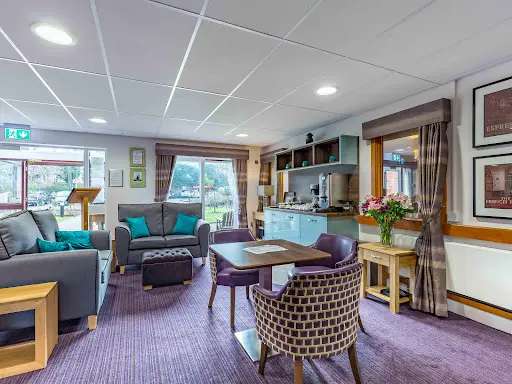
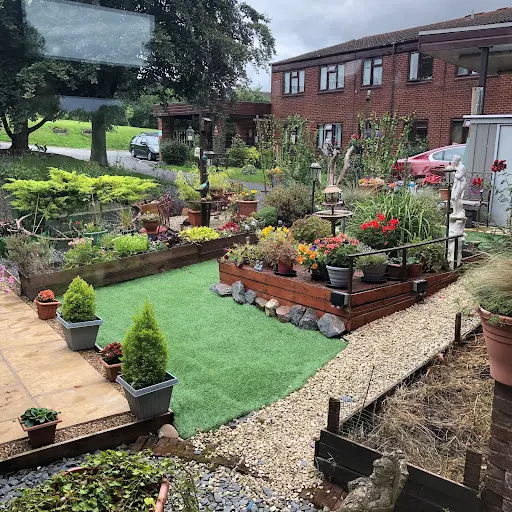
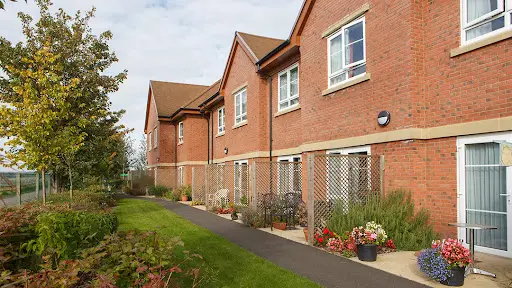
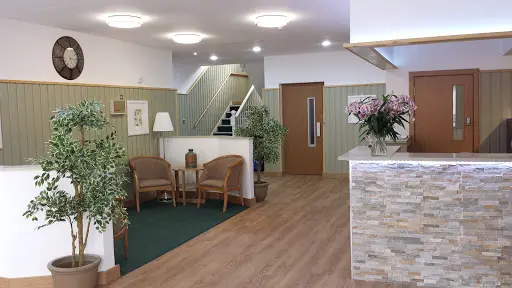
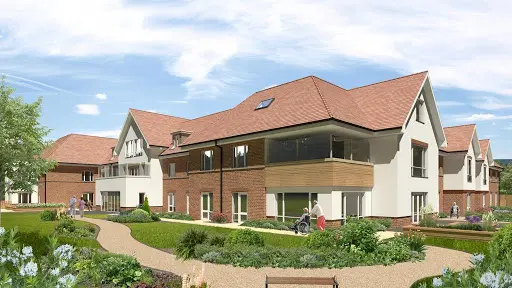
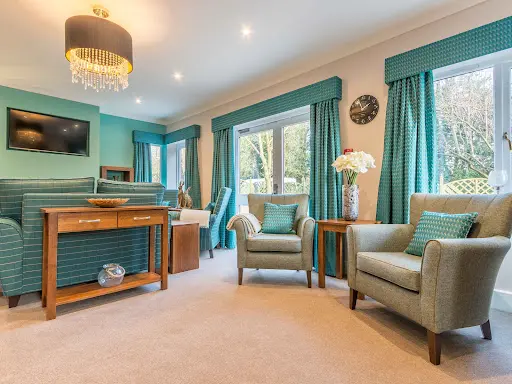
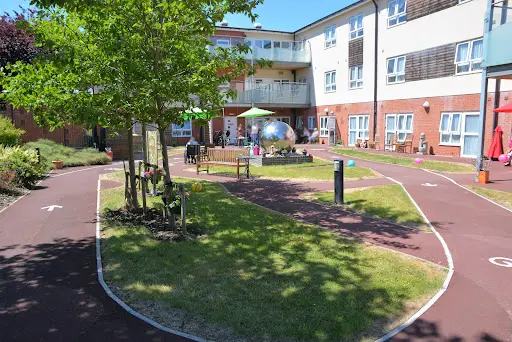
The food gets proper enthusiasm from families — not just 'adequate for a care home' but genuinely good, with dietary needs handled seamlessly. Everything smells fresh and looks cared for, from the modern decor to the spotless corridors. There's a bar area that creates a proper social atmosphere, though parking can be tight and the main lounge doubles as an entertainment space, which sometimes gets noisy during activities.
“Sometimes the best measure of a care home is how families feel when they leave after visiting — relieved rather than worried, grateful rather than guilty.”
DCC does not edit or curate content in this tab. For independently curated information, see The Evidence and DCC Verdict.