Laurel Dene Care Home – Care UK
At a Glance
The information you need to decide whether this home warrants a closer look.
Nursing homes
Staff warmth score
of reviewers answered yes
Good to know
- Registered beds99
- SpecialismsCaring for adults over 65 yrs, Dementia, Learning disabilities, Mental health conditions, Physical disabilities
- Last inspected2022-10-06
Save Laurel Dene Care Home – Care UK to your shortlist
Keep a running list, add visit notes, and compare homes side-by-side. Free account — it takes a minute.
STAGE 4 — RESEARCHING CARE HOMES
Visit homes. Compare them side by side. Choose with confidence.
Most of us will view care homes the way we view houses, impression, atmosphere, the feeling in the corridor. We go home, try to remember what we saw, and make a permanent decision from a blurred memory.

The DCC shortlist gives every home you visit a structured record: the same twelve questions, answered the same way, every time. When you’re ready to choose, pull any two homes side by side and compare them directly. Same criteria, same evidence, your notes and your scores.
The Evidence
What the review data, the inspection reports, and the dementia-care evidence base tell us about this home.
What families say
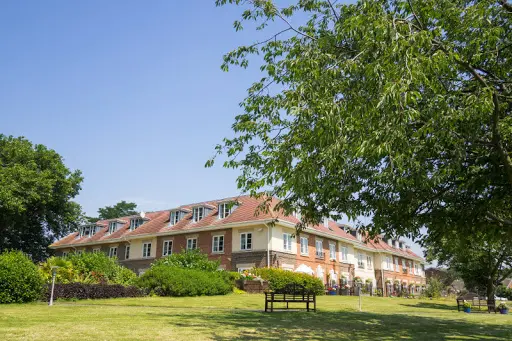
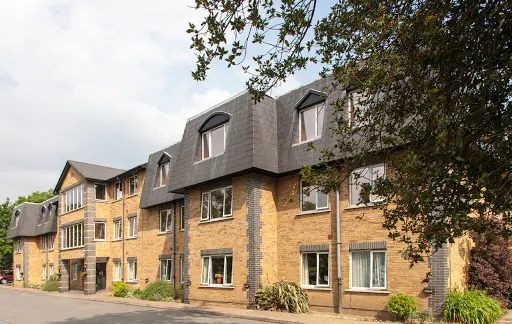
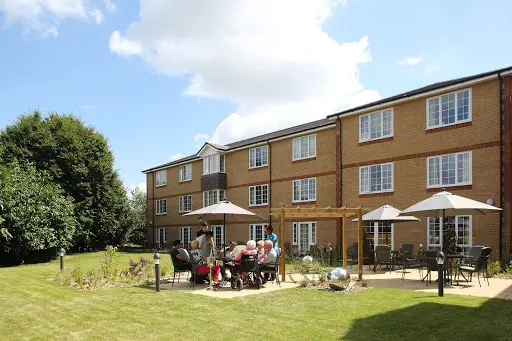
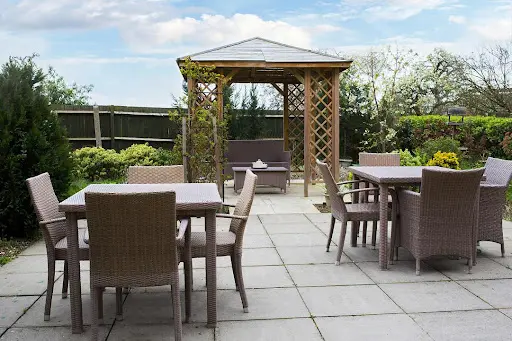
Families describe the home as clean and well-kept, with outdoor areas that residents and visitors can enjoy together. Staff come across as friendly and approachable in daily interactions, working together as a team. Some residents have settled well here, with at least one family reporting satisfaction over a two-year placement.
The eight family priority themes
- Staff warmth72
- Compassion & dignity72
- Cleanliness72
- Activities & engagement65
- Food quality65
- Healthcare72
- Management & leadership74
- Resident happiness70
What inspectors found
Inspected 2022-10-06
Is this home safe?
Is the care effective?
The inspection rated the Effective domain as Good. This domain covers whether staff know what they are doing: training, care planning, access to healthcare professionals, nutrition, and how well the home meets each person's individual needs. The home supports people with dementia, learning disabilities, mental health conditions, and physical disabilities, which requires a broad and specific skill base. No specific observations about training content, care plan quality, or GP access were included in the published summary.Is this home caring?
The inspection rated the Caring domain as Good. This domain reflects how warm, dignified, and respectful staff interactions are with the people who live at the home. A Good rating here indicates inspectors were satisfied with the culture of care at the time of their visit. No specific observations of staff interactions, use of preferred names, or responses to distress were included in the published summary. The absence of detail makes it difficult to assess the texture of daily care beyond the domain headline.Is the home responsive?
The inspection rated the Responsive domain as Good. This domain covers whether the home meets individual needs: activities, engagement, personalised care, complaint handling, and end-of-life planning. For a 99-bed home supporting people with dementia alongside other conditions, being genuinely responsive to individual needs is a complex task. No specific detail about the activities programme, one-to-one engagement, or end-of-life planning was included in the published summary.Is the home well-led?
The inspection rated the Well-led domain as Good. The home has a named registered manager, Mrs Christine Mary Frances Fisher, and a nominated individual, Ms Rachel Louise Harvey, both confirmed in post at the time of inspection. Laurel Dene is operated by Care UK Community Partnerships Ltd, a large provider. The home has been inspected four times and has maintained a Good rating. No specific detail about management visibility, staff culture, learning from incidents, or governance processes was published in the summary.
Source: CQC inspection report →
What the evidence base says
The home lists dementia, learning disabilities, mental health conditions, physical disabilities and care for over-65s among its specialisms. For those considering dementia care specifically, families report mixed experiences. Some residents with dementia have been told shortly after admission that their needs cannot be met, so discussing care approaches and staff experience during your visit would be especially important. All areas worth probing directly during a visit.
The DCC Verdict
Our editorial view, built from the three lenses: what families tell us, what inspectors record, and how the home sits against good dementia-care practice.
DCC Family Score
Laurel Dene scored Good across all five inspection domains, which is a positive foundation, but the published report text contains limited specific observations, direct quotes, or inspector detail to push individual theme scores higher. The overall family score of 74 reflects a genuinely positive inspection outcome with limited evidence to confirm the finer details that matter most to families.
Homes in London typically score 68–82.The three-lens summary
What families tell us
Families describe the home as clean and well-kept, with outdoor areas that residents and visitors can enjoy together. Staff come across as friendly and approachable in daily interactions, working together as a team. Some residents have settled well here, with at least one family reporting satisfaction over a two-year placement.
What inspectors have recorded
Communication experiences vary considerably among families. While some receive helpful, prompt responses to queries, others struggle to reach the home by phone or receive callbacks. The home appears most comfortable supporting residents with straightforward care needs, though families report differing experiences regarding how well initial assessments predict long-term suitability.
How it sits against good practice
Given the varied family experiences, spending time at Laurel Dene to observe daily routines and discussing specific care needs in detail could help determine if it's the right fit.
Worth a visit
Laurel Dene, on Hampton Road in Hampton, was rated Good across all five inspection domains at its last inspection in September 2022. The home is run by Care UK Community Partnerships Ltd and has a named registered manager in post. A Good rating across every domain is a positive finding, and the home has maintained this rating across four inspections, suggesting consistent rather than deteriorating standards. The main uncertainty here is that the published inspection report contains very limited specific detail: no direct observations of care interactions, no quotes from residents or relatives, and no granular data on staffing levels, activities, or food quality. That means the Good rating tells you the headline but not the picture behind it. On a visit, pay particular attention to how staff speak to your parent in corridors and communal areas, whether the home feels calm and unhurried, and ask the manager to show you last week's actual staffing rota so you can see permanent versus agency cover, especially on night shifts. The home has 99 beds and cares for people with dementia, learning disabilities, mental health conditions, and physical disabilities, so understanding how the unit your parent would live on is staffed and supported is an essential next step.
The three questions to ask when you visitSave this home. Compare it against your shortlist.
Let our analysis show you how Laurel Dene Care Home – Care UK measures up against the other homes you’re considering. Free account.
In Their Own Words
How Laurel Dene Care Home – Care UK describes itself — collected from its own website. DCC has not edited or independently verified the content in this tab.
Clean surroundings and friendly staff in this Hampton care home
Compassionate Care in Hampton at Laurel Dene
Laurel Dene in Hampton offers residential care in a well-maintained setting with pleasant outdoor spaces. The home caters to residents with various needs including dementia, learning disabilities, and mental health conditions. While some families have found the environment suitable for their loved ones over extended periods, others have experienced challenges that suggest visiting to assess compatibility would be particularly worthwhile.
Who they care for
The home lists dementia, learning disabilities, mental health conditions, physical disabilities and care for over-65s among its specialisms.
For those considering dementia care specifically, families report mixed experiences. Some residents with dementia have been told shortly after admission that their needs cannot be met, so discussing care approaches and staff experience during your visit would be especially important.
“Given the varied family experiences, spending time at Laurel Dene to observe daily routines and discussing specific care needs in detail could help determine if it's the right fit.”
DCC does not edit or curate content in this tab. For independently curated information, see The Evidence and DCC Verdict.
The DCC Verdict
Our editorial view, built from the three lenses: what families tell us, what inspectors record, and how the home sits against good dementia-care practice.
DCC Family Score
Laurel Dene scored Good across all five inspection domains, which is a positive foundation, but the published report text contains limited specific observations, direct quotes, or inspector detail to push individual theme scores higher. The overall family score of 74 reflects a genuinely positive inspection outcome with limited evidence to confirm the finer details that matter most to families.
Homes in London typically score 68–82.The three-lens summary
What families tell us
Families describe the home as clean and well-kept, with outdoor areas that residents and visitors can enjoy together. Staff come across as friendly and approachable in daily interactions, working together as a team. Some residents have settled well here, with at least one family reporting satisfaction over a two-year placement.
What inspectors have recorded
Communication experiences vary considerably among families. While some receive helpful, prompt responses to queries, others struggle to reach the home by phone or receive callbacks. The home appears most comfortable supporting residents with straightforward care needs, though families report differing experiences regarding how well initial assessments predict long-term suitability.
How it sits against good practice
Given the varied family experiences, spending time at Laurel Dene to observe daily routines and discussing specific care needs in detail could help determine if it's the right fit.
Worth a visit
Laurel Dene, on Hampton Road in Hampton, was rated Good across all five inspection domains at its last inspection in September 2022. The home is run by Care UK Community Partnerships Ltd and has a named registered manager in post. A Good rating across every domain is a positive finding, and the home has maintained this rating across four inspections, suggesting consistent rather than deteriorating standards. The main uncertainty here is that the published inspection report contains very limited specific detail: no direct observations of care interactions, no quotes from residents or relatives, and no granular data on staffing levels, activities, or food quality. That means the Good rating tells you the headline but not the picture behind it. On a visit, pay particular attention to how staff speak to your parent in corridors and communal areas, whether the home feels calm and unhurried, and ask the manager to show you last week's actual staffing rota so you can see permanent versus agency cover, especially on night shifts. The home has 99 beds and cares for people with dementia, learning disabilities, mental health conditions, and physical disabilities, so understanding how the unit your parent would live on is staffed and supported is an essential next step.
The three questions to ask when you visitSave this home. Compare it against your shortlist.
Let our analysis show you how Laurel Dene Care Home – Care UK measures up against the other homes you’re considering. Free account.
In Their Own Words
How Laurel Dene Care Home – Care UK describes itself — collected from its own website. DCC has not edited or independently verified the content in this tab.
Clean surroundings and friendly staff in this Hampton care home
Compassionate Care in Hampton at Laurel Dene
Laurel Dene in Hampton offers residential care in a well-maintained setting with pleasant outdoor spaces. The home caters to residents with various needs including dementia, learning disabilities, and mental health conditions. While some families have found the environment suitable for their loved ones over extended periods, others have experienced challenges that suggest visiting to assess compatibility would be particularly worthwhile.
Who they care for
The home lists dementia, learning disabilities, mental health conditions, physical disabilities and care for over-65s among its specialisms.
For those considering dementia care specifically, families report mixed experiences. Some residents with dementia have been told shortly after admission that their needs cannot be met, so discussing care approaches and staff experience during your visit would be especially important.
Management & ethos
Communication experiences vary considerably among families. While some receive helpful, prompt responses to queries, others struggle to reach the home by phone or receive callbacks. The home appears most comfortable supporting residents with straightforward care needs, though families report differing experiences regarding how well initial assessments predict long-term suitability.
The home & environment
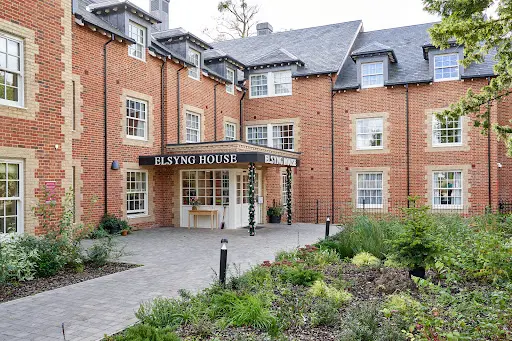
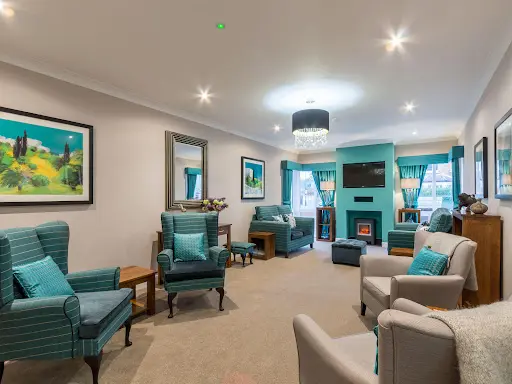
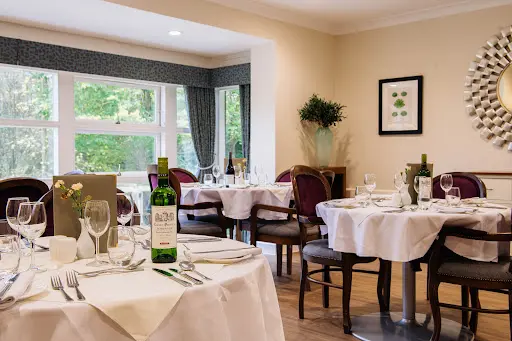
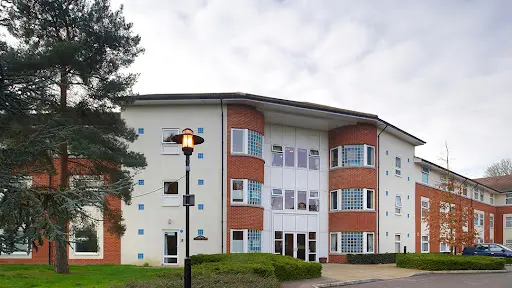
The physical environment receives consistent praise from families who note the cleanliness throughout and careful maintenance of the building. Outdoor spaces provide pleasant areas for residents to spend time, weather permitting.
“Given the varied family experiences, spending time at Laurel Dene to observe daily routines and discussing specific care needs in detail could help determine if it's the right fit.”
DCC does not edit or curate content in this tab. For independently curated information, see The Evidence and DCC Verdict.