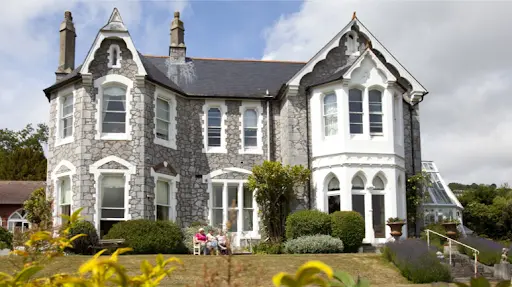
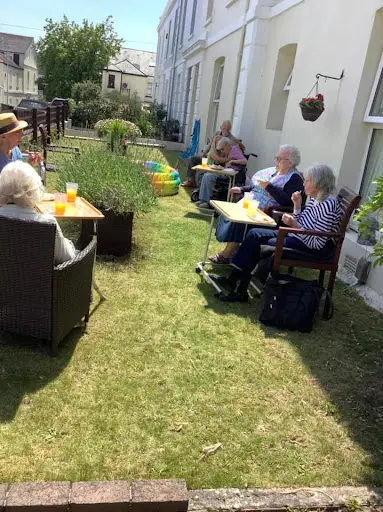
Landscore House
At a Glance
The information you need to decide whether this home warrants a closer look.
Residential homes
Staff warmth score
of reviewers answered yes
Good to know
- Registered beds14
- SpecialismsCaring for adults over 65 yrs, Dementia, Physical disabilities, Sensory impairment
- Last inspected2018-05-22
Save Landscore House to your shortlist
Keep a running list, add visit notes, and compare homes side-by-side. Free account — it takes a minute.
STAGE 4 — RESEARCHING CARE HOMES
Visit homes. Compare them side by side. Choose with confidence.
Most of us will view care homes the way we view houses, impression, atmosphere, the feeling in the corridor. We go home, try to remember what we saw, and make a permanent decision from a blurred memory.

The DCC shortlist gives every home you visit a structured record: the same twelve questions, answered the same way, every time. When you’re ready to choose, pull any two homes side by side and compare them directly. Same criteria, same evidence, your notes and your scores.
The Evidence
What the review data, the inspection reports, and the dementia-care evidence base tell us about this home.
What families say
Families describe how residents who arrive anxious or withdrawn often become noticeably happier within weeks. The permanent staff have time to learn each person's preferences and rhythms, which particularly helps those adjusting to care.
The eight family priority themes
- Staff warmth55
- Compassion & dignity55
- Cleanliness55
- Activities & engagement50
- Food quality50
- Healthcare50
- Management & leadership60
- Resident happiness55
What inspectors found
Inspected 2018-05-22
Is this home safe?
Is the care effective?
The inspection rated this domain Good. The home lists dementia, physical disabilities, and sensory impairment as specialisms, which implies inspectors were satisfied that staff competence matched the needs of the people living there. No specific training records, care plan examples, GP access arrangements, or medication management details are described in the published report. A Good Effective rating covers care planning, health monitoring, and staff training, but the published text does not give examples in any of these areas.Is this home caring?
The inspection rated this domain Good. This is the domain most directly linked to the daily experience of your parent, covering staff warmth, dignity, respect, and independence. No direct quotes from residents or relatives, no specific observations of interactions, and no named examples of compassionate practice are reproduced in the published report. The Good rating indicates inspectors were satisfied but the evidence base behind it is not visible in the published summary.Is the home responsive?
The inspection rated this domain Good. Responsive covers activities, engagement, individuality, and end-of-life planning. The home specialises in dementia and sensory impairment, which suggests some tailored provision. No activity schedules, examples of individual engagement, end-of-life care documentation, or resident feedback mechanisms are described in the published report. For a 14-bed home, a varied and genuinely individual activity offer is achievable but not guaranteed by the rating alone.Is the home well-led?
The inspection rated this domain Good. The home is owner-run by Mr and Mrs Webb, with Mrs Penelope Webb as the registered manager. This means leadership is personal and accountable, and in a 14-bed home the manager is likely to be present and visible on most days. A July 2023 desktop review found no evidence to change the rating. No specific governance examples, staff feedback mechanisms, quality audit processes, or culture descriptions are reproduced in the published report.
Source: CQC inspection report →
What the evidence base says
The home cares for older adults with physical disabilities and sensory impairments. They also support people living with dementia. Staff show particular patience with residents whose dementia creates challenging moments, adapting their approach rather than becoming frustrated. The stable staffing really helps here, as residents with dementia benefit from seeing familiar faces. All areas worth probing directly during a visit.
The DCC Verdict
Our editorial view, built from the three lenses: what families tell us, what inspectors record, and how the home sits against good dementia-care practice.
DCC Family Score
Landscore House holds a Good rating across all five inspection domains, which is a solid baseline, but the inspection report contains very little specific detail, so most scores sit in the 'present but generic' range. The score reflects the positive official finding without overstating evidence that simply is not in the published report.
Homes in South West typically score 68–82.The three-lens summary
What families tell us
Families describe how residents who arrive anxious or withdrawn often become noticeably happier within weeks. The permanent staff have time to learn each person's preferences and rhythms, which particularly helps those adjusting to care.
What inspectors have recorded
The owners work directly in the home, not just managing from an office. Families appreciate being able to speak with them directly when needed. Staff numbers appear well-judged, with enough people on duty to provide individual attention rather than rushed care.
How it sits against good practice
Sometimes the simplest things matter most — like knowing the same carers will be there tomorrow.
Worth a visit
Landscore House, a small 14-bed owner-run home in Teignmouth, received a Good rating across all five inspection domains when assessed in April 2018. The home specialises in dementia, physical disabilities, and sensory impairment, and is run directly by Mr and Mrs Webb with Mrs Penelope Webb as registered manager. A July 2023 desktop review found no evidence to change that rating. For a home of this size, owner-management often means personal accountability and a more consistent, family-like atmosphere, which is something the Good Practice evidence base consistently links to better outcomes for people with dementia. The main limitation here is that the inspection report text published is very sparse, containing almost no specific observations, resident quotes, or detailed findings behind the ratings. That means the Good rating tells you the headline but not the story. Before visiting, prepare targeted questions: how many staff are on duty overnight, how dementia training is delivered and refreshed, what a typical day looks like for someone with advanced dementia, and how the home keeps families informed. When you visit, arrive unannounced if possible, observe how staff interact with your parent during a mealtime, and ask to read a sample care plan to judge whether it reflects a real person or a template.
The three questions to ask when you visitSave this home. Compare it against your shortlist.
Let our analysis show you how Landscore House measures up against the other homes you’re considering. Free account.
In Their Own Words
How Landscore House describes itself — collected from its own website. DCC has not edited or independently verified the content in this tab.
Where permanent staff and hands-on owners create genuine stability
Residential home in Teignmouth: True Peace of Mind
For families seeking consistent care without the disruption of agency staff, Landscore House in Teignmouth offers something increasingly rare. The owners work alongside their permanent team, creating the kind of stability that helps residents settle and thrive. It's this personal involvement that seems to make the real difference here.
Who they care for
The home cares for older adults with physical disabilities and sensory impairments. They also support people living with dementia.
Staff show particular patience with residents whose dementia creates challenging moments, adapting their approach rather than becoming frustrated. The stable staffing really helps here, as residents with dementia benefit from seeing familiar faces.
“Sometimes the simplest things matter most — like knowing the same carers will be there tomorrow.”
DCC does not edit or curate content in this tab. For independently curated information, see The Evidence and DCC Verdict.
The DCC Verdict
Our editorial view, built from the three lenses: what families tell us, what inspectors record, and how the home sits against good dementia-care practice.
DCC Family Score
Landscore House holds a Good rating across all five inspection domains, which is a solid baseline, but the inspection report contains very little specific detail, so most scores sit in the 'present but generic' range. The score reflects the positive official finding without overstating evidence that simply is not in the published report.
Homes in South West typically score 68–82.The three-lens summary
What families tell us
Families describe how residents who arrive anxious or withdrawn often become noticeably happier within weeks. The permanent staff have time to learn each person's preferences and rhythms, which particularly helps those adjusting to care.
What inspectors have recorded
The owners work directly in the home, not just managing from an office. Families appreciate being able to speak with them directly when needed. Staff numbers appear well-judged, with enough people on duty to provide individual attention rather than rushed care.
How it sits against good practice
Sometimes the simplest things matter most — like knowing the same carers will be there tomorrow.
Worth a visit
Landscore House, a small 14-bed owner-run home in Teignmouth, received a Good rating across all five inspection domains when assessed in April 2018. The home specialises in dementia, physical disabilities, and sensory impairment, and is run directly by Mr and Mrs Webb with Mrs Penelope Webb as registered manager. A July 2023 desktop review found no evidence to change that rating. For a home of this size, owner-management often means personal accountability and a more consistent, family-like atmosphere, which is something the Good Practice evidence base consistently links to better outcomes for people with dementia. The main limitation here is that the inspection report text published is very sparse, containing almost no specific observations, resident quotes, or detailed findings behind the ratings. That means the Good rating tells you the headline but not the story. Before visiting, prepare targeted questions: how many staff are on duty overnight, how dementia training is delivered and refreshed, what a typical day looks like for someone with advanced dementia, and how the home keeps families informed. When you visit, arrive unannounced if possible, observe how staff interact with your parent during a mealtime, and ask to read a sample care plan to judge whether it reflects a real person or a template.
The three questions to ask when you visitSave this home. Compare it against your shortlist.
Let our analysis show you how Landscore House measures up against the other homes you’re considering. Free account.
In Their Own Words
How Landscore House describes itself — collected from its own website. DCC has not edited or independently verified the content in this tab.
Where permanent staff and hands-on owners create genuine stability
Residential home in Teignmouth: True Peace of Mind
For families seeking consistent care without the disruption of agency staff, Landscore House in Teignmouth offers something increasingly rare. The owners work alongside their permanent team, creating the kind of stability that helps residents settle and thrive. It's this personal involvement that seems to make the real difference here.
Who they care for
The home cares for older adults with physical disabilities and sensory impairments. They also support people living with dementia.
Staff show particular patience with residents whose dementia creates challenging moments, adapting their approach rather than becoming frustrated. The stable staffing really helps here, as residents with dementia benefit from seeing familiar faces.
Management & ethos
The owners work directly in the home, not just managing from an office. Families appreciate being able to speak with them directly when needed. Staff numbers appear well-judged, with enough people on duty to provide individual attention rather than rushed care.
The home & environment
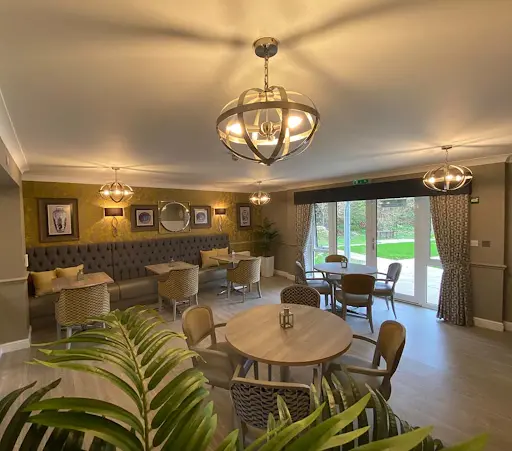
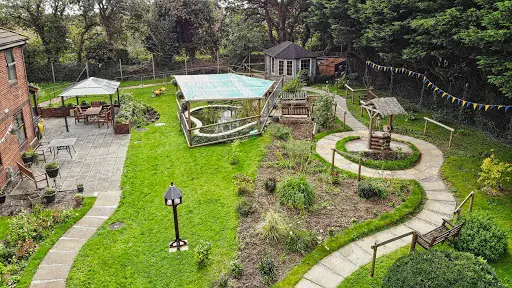
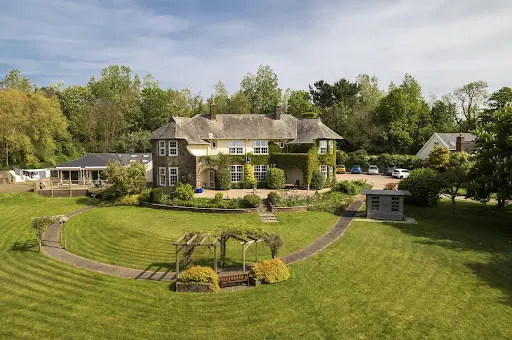
The kitchen produces meals that families specifically praise, and the home maintains the kind of cleanliness standards you'd hope for. While the building itself isn't mentioned much in feedback, the focus seems firmly on creating comfort through good food and a well-kept environment.
“Sometimes the simplest things matter most — like knowing the same carers will be there tomorrow.”
DCC does not edit or curate content in this tab. For independently curated information, see The Evidence and DCC Verdict.