Hollymede Cottage
At a Glance
The information you need to decide whether this home warrants a closer look.
Residential homes
Staff warmth score
of reviewers answered yes
Good to know
- Registered beds14
- SpecialismsCaring for adults over 65 yrs, Dementia
- Last inspected2018-04-04
Save Hollymede Cottage to your shortlist
Keep a running list, add visit notes, and compare homes side-by-side. Free account — it takes a minute.
STAGE 4 — RESEARCHING CARE HOMES
Visit homes. Compare them side by side. Choose with confidence.
Most of us will view care homes the way we view houses, impression, atmosphere, the feeling in the corridor. We go home, try to remember what we saw, and make a permanent decision from a blurred memory.

The DCC shortlist gives every home you visit a structured record: the same twelve questions, answered the same way, every time. When you’re ready to choose, pull any two homes side by side and compare them directly. Same criteria, same evidence, your notes and your scores.
The Evidence
What the review data, the inspection reports, and the dementia-care evidence base tell us about this home.
What families say
The eight family priority themes
- Staff warmth55
- Compassion & dignity55
- Cleanliness55
- Activities & engagement50
- Food quality50
- Healthcare55
- Management & leadership35
- Resident happiness55
What inspectors found
Inspected 2018-04-04
Is this home safe?
Is the care effective?
The inspection rated Effective as Good, covering areas such as care planning, staff training, healthcare access, and nutrition. The home is registered as a specialist dementia service, which means inspectors would have looked at whether staff have appropriate dementia-specific training and whether care plans reflect individual needs. However, the published report provides no detail on what training staff have received, how frequently care plans are reviewed, whether GPs and community health professionals are regularly involved, or what the food offer looks like. The Effective rating was given against a Good backdrop overall, but without specifics it cannot be verified.Is this home caring?
The inspection rated Caring as Good, which covers how staff treat residents, whether dignity and privacy are respected, and whether people are supported to maintain independence. Caring is the domain most directly relevant to how your parent will feel day-to-day, and it carries the highest weight in our family scoring model. Despite the Good rating, the published report contains no resident quotes, no family testimonials, no inspector observations of staff interactions, and no named examples of kind or respectful practice. The rating alone cannot tell you whether staff know your parent's preferred name, whether they are rushed, or whether they respond with patience when someone is distressed.Is the home responsive?
The inspection rated Responsive as Good, covering whether activities are meaningful and tailored, whether individual preferences are acted on, and whether the home responds to complaints effectively. For a 14-bed dementia-specialist home, the Responsive domain should address how residents spend their time — including those who cannot join group activities. No activities programme, no examples of tailored engagement, and no information about how the home handles complaints or end-of-life planning are included in the published report. The rating was awarded but cannot be contextualised from the available text.Is the home well-led?
Well-led was rated Requires Improvement, making it the only domain below Good and the most significant flag in this inspection. The registered manager is Mrs Julie Louise Herridge-Searle, and the nominated individual is Mr Navneet Singh Johar. The published report provides no detail whatsoever about what specifically was found to be insufficient — whether it related to governance systems, quality monitoring, staff oversight, record-keeping, or organisational culture. A subsequent review in July 2023 found no evidence to reassess the rating, meaning the Requires Improvement judgement was still considered to reflect the position two years after the inspection. The inspection itself is now over three years old.
Source: CQC inspection report →
What the evidence base says
The team here cares for adults over 65, with particular experience supporting those living with dementia. Staff understand how to help residents with dementia stay engaged through activities that feel natural and enjoyable. The approach seems to focus on what each person can still do and love, rather than what they've lost. All areas worth probing directly during a visit.
The DCC Verdict
Our editorial view, built from the three lenses: what families tell us, what inspectors record, and how the home sits against good dementia-care practice.
DCC Family Score
Hollymede Cottage scores modestly across most themes because, while the inspection awarded Good across four domains, the published report contains very little specific detail — no resident quotes, no direct observations, and no named examples — making it difficult to verify what daily life actually looks like. The Requires Improvement in Well-led pulls the overall score down meaningfully.
Homes in East typically score 68–82.Worth a visit
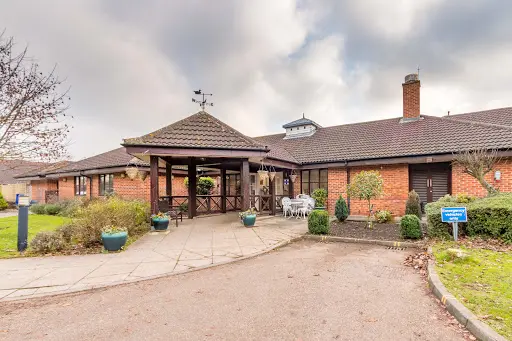
Hollymede Cottage is a small, 14-bed residential home in Wickford, Essex, registered to care for older adults including those living with dementia. The most recent full inspection took place on 31 March 2021, with the report published in September 2021 — meaning these findings are now over three years old. At that inspection, the home was rated Good overall, with Good ratings in Safe, Effective, Caring, and Responsive. However, Well-led was rated Requires Improvement, and the published report contains almost no specific detail about what was found in any domain — no resident or family quotes, no direct inspector observations, and no named examples of practice. The age of this inspection and the near-total absence of published detail mean you cannot rely on it to understand what daily life at Hollymede Cottage looks like today. The Requires Improvement in Well-led is the most important signal to probe: ask the manager exactly what was identified as insufficient, what has changed since 2021, and whether there has been a subsequent inspection or any regulatory contact. On your visit, pay close attention to how staff interact with your parent in unscripted moments — in corridors, at mealtimes, when someone is unsettled — because with so little published evidence, your own eyes and ears are the most reliable source of information available to you.
The three questions to ask when you visitSave this home. Compare it against your shortlist.
Let our analysis show you how Hollymede Cottage measures up against the other homes you’re considering. Free account.
In Their Own Words
How Hollymede Cottage describes itself — collected from its own website. DCC has not edited or independently verified the content in this tab.
Where painting, gardening and dancing fill each day with purpose
Compassionate Care in Wickford at Hollymede Cottage
For families searching for dementia care in Wickford, Hollymede Cottage offers something quietly special. This home for over-65s creates days filled with meaningful activities that help residents stay connected to the things they've always loved. It's the kind of place where someone might rediscover forgotten joys.
Who they care for
The team here cares for adults over 65, with particular experience supporting those living with dementia.
Staff understand how to help residents with dementia stay engaged through activities that feel natural and enjoyable. The approach seems to focus on what each person can still do and love, rather than what they've lost.
“If you'd like to see how life unfolds at Hollymede Cottage, they'd be pleased to show you around.”
DCC does not edit or curate content in this tab. For independently curated information, see The Evidence and DCC Verdict.
The DCC Verdict
Our editorial view, built from the three lenses: what families tell us, what inspectors record, and how the home sits against good dementia-care practice.
DCC Family Score
Hollymede Cottage scores modestly across most themes because, while the inspection awarded Good across four domains, the published report contains very little specific detail — no resident quotes, no direct observations, and no named examples — making it difficult to verify what daily life actually looks like. The Requires Improvement in Well-led pulls the overall score down meaningfully.
Homes in East typically score 68–82.Worth a visit
Hollymede Cottage is a small, 14-bed residential home in Wickford, Essex, registered to care for older adults including those living with dementia. The most recent full inspection took place on 31 March 2021, with the report published in September 2021 — meaning these findings are now over three years old. At that inspection, the home was rated Good overall, with Good ratings in Safe, Effective, Caring, and Responsive. However, Well-led was rated Requires Improvement, and the published report contains almost no specific detail about what was found in any domain — no resident or family quotes, no direct inspector observations, and no named examples of practice. The age of this inspection and the near-total absence of published detail mean you cannot rely on it to understand what daily life at Hollymede Cottage looks like today. The Requires Improvement in Well-led is the most important signal to probe: ask the manager exactly what was identified as insufficient, what has changed since 2021, and whether there has been a subsequent inspection or any regulatory contact. On your visit, pay close attention to how staff interact with your parent in unscripted moments — in corridors, at mealtimes, when someone is unsettled — because with so little published evidence, your own eyes and ears are the most reliable source of information available to you.
The three questions to ask when you visitSave this home. Compare it against your shortlist.
Let our analysis show you how Hollymede Cottage measures up against the other homes you’re considering. Free account.
In Their Own Words
How Hollymede Cottage describes itself — collected from its own website. DCC has not edited or independently verified the content in this tab.
Where painting, gardening and dancing fill each day with purpose
Compassionate Care in Wickford at Hollymede Cottage
For families searching for dementia care in Wickford, Hollymede Cottage offers something quietly special. This home for over-65s creates days filled with meaningful activities that help residents stay connected to the things they've always loved. It's the kind of place where someone might rediscover forgotten joys.
Who they care for
The team here cares for adults over 65, with particular experience supporting those living with dementia.
Staff understand how to help residents with dementia stay engaged through activities that feel natural and enjoyable. The approach seems to focus on what each person can still do and love, rather than what they've lost.
“If you'd like to see how life unfolds at Hollymede Cottage, they'd be pleased to show you around.”
DCC does not edit or curate content in this tab. For independently curated information, see The Evidence and DCC Verdict.