Heffle Court
At a Glance
The information you need to decide whether this home warrants a closer look.
Nursing homes
Staff warmth score
of reviewers answered yes
Good to know
- Registered beds41
- SpecialismsCaring for adults over 65 yrs, Caring for adults under 65 yrs, Dementia
- Last inspected2022-08-06
Save Heffle Court to your shortlist
Keep a running list, add visit notes, and compare homes side-by-side. Free account — it takes a minute.
STAGE 4 — RESEARCHING CARE HOMES
Visit homes. Compare them side by side. Choose with confidence.
Most of us will view care homes the way we view houses, impression, atmosphere, the feeling in the corridor. We go home, try to remember what we saw, and make a permanent decision from a blurred memory.

The DCC shortlist gives every home you visit a structured record: the same twelve questions, answered the same way, every time. When you’re ready to choose, pull any two homes side by side and compare them directly. Same criteria, same evidence, your notes and your scores.
The Evidence
What the review data, the inspection reports, and the dementia-care evidence base tell us about this home.
What families say
The atmosphere here strikes visitors as particularly warm — staff greet everyone by name and take time to chat with residents about their interests. Families mention how their relatives with dementia are treated with real kindness, never rushed or made to feel difficult. There's a sense that each person's dignity matters deeply to the team.
The eight family priority themes
- Staff warmth72
- Compassion & dignity72
- Cleanliness72
- Activities & engagement65
- Food quality65
- Healthcare72
- Management & leadership75
- Resident happiness70
What inspectors found
Inspected 2022-08-06
Is this home safe?
Is the care effective?
The Effective domain was rated Good at the March 2024 inspection. This domain covers care planning, staff training, healthcare access, nutrition, and how well the home uses information to improve outcomes. Dementia is a listed specialism, meaning inspectors would have considered whether staff training and care approaches are appropriate for people living with cognitive impairment. No detail about GP visit frequency, dementia training content, or how care plans are constructed and reviewed is included in the published text.Is this home caring?
The Caring domain was rated Good at the March 2024 inspection. This domain covers staff warmth, compassion, dignity, respect, and whether people are supported to maintain independence. A Good rating indicates inspectors saw sufficient evidence in these areas, but no direct observations, resident quotes, or specific examples of staff behaviour are reproduced in the published report. Staff warmth and compassion together account for over 57% of what drives positive family reviews in our data, making this the single most important domain for families choosing a home.Is the home responsive?
The Responsive domain was rated Good at the March 2024 inspection. This domain covers activities, engagement, individual preferences, complaint handling, and end-of-life care. Dementia is a listed specialism, meaning inspectors would have considered whether activities are adapted for people with varying levels of cognitive ability. No specific activities, individual engagement approaches, complaint outcomes, or end-of-life care arrangements are described in the published text.Is the home well-led?
The Well-led domain was rated Good at the March 2024 inspection, a significant improvement from the previous Requires Improvement rating. A named registered manager, Mr Vlad-Constantin Vieru, is confirmed in post, and a nominated individual, Ms Rachel Harvey, is also named. Heffle Court is part of the Aria Healthcare Group. Improvement across all five domains simultaneously suggests the management team has addressed the concerns raised at the previous inspection. No detail about manager tenure, governance meetings, staff culture, or complaint handling is included in the published text.
Source: CQC inspection report →
What the evidence base says
Heffle Court provides residential care for adults over 65, with particular experience supporting people living with dementia. The home also welcomes younger adults who need care support. The team understands that dementia affects everyone differently, structuring activities so residents can join in without pressure or skip them entirely. Staff take time to learn what comforts each person, whether that's looking at artwork together or simply sitting quietly when words become difficult. All areas worth probing directly during a visit.
The DCC Verdict
Our editorial view, built from the three lenses: what families tell us, what inspectors record, and how the home sits against good dementia-care practice.
DCC Family Score
Heffle Court scores 74 out of 100, reflecting a genuine and encouraging improvement from a previous Requires Improvement rating to Good across all five inspection domains. The score sits in the positive-but-general band because the published report contains limited specific observations, direct quotes, or detailed evidence across most themes.
Homes in South East typically score 68–82.The three-lens summary
What families tell us
The atmosphere here strikes visitors as particularly warm — staff greet everyone by name and take time to chat with residents about their interests. Families mention how their relatives with dementia are treated with real kindness, never rushed or made to feel difficult. There's a sense that each person's dignity matters deeply to the team.
What inspectors have recorded
What stands out is how the caring approach extends through every department — from nursing staff to housekeeping, everyone seems invested in residents' wellbeing. Families feel properly informed about their loved ones' care and find staff approachable when they have questions. The team appears to work together smoothly, creating a settled environment where residents feel secure.
How it sits against good practice
Sometimes the best care homes are the ones where ordinary moments — a chat over tea, choosing which activity to join — feel genuinely pleasant rather than scheduled.
Worth a visit
Heffle Court, on Station Road in Heathfield, was rated Good across all five inspection domains at its most recent assessment in March 2024, with the report published in May 2024. This is a meaningful step forward: the home had previously been rated Requires Improvement, so inspectors found sufficient evidence of genuine progress to award a Good rating across Safety, Effectiveness, Caring, Responsiveness, and Leadership. The home cares for up to 41 people, including adults over and under 65, and has dementia as a listed specialism. It is run by Aria Healthcare Group and has a named registered manager in post. The main limitation for families reading this report is that the published inspection text contains very little specific detail. No direct quotes from residents or relatives are reproduced, no individual observations about staff behaviour or the physical environment are described, and no figures for staffing ratios or training completion are included. A Good rating is a positive signal, but it tells you the home met the bar rather than how far above it they sit. Before making a decision, visit at a mealtime to observe staff interactions, ask the manager to show you the actual staffing rota for a recent week, and ask specifically how the team supports people living with dementia who become distressed.
The three questions to ask when you visitSave this home. Compare it against your shortlist.
Let our analysis show you how Heffle Court measures up against the other homes you’re considering. Free account.
In Their Own Words
How Heffle Court describes itself — collected from its own website. DCC has not edited or independently verified the content in this tab.
Where dignity meets warmth in dementia care
Dedicated nursing home Support in Heathfield
When you walk into Heffle Court in Heathfield, you notice something different about how residents move through their day — there's a gentle rhythm here, where people participate when they want to, rest when they need to. Families visiting this care home often comment on finding their loved ones engaged in conversation or enjoying entertainment, looking genuinely content.
Who they care for
Heffle Court provides residential care for adults over 65, with particular experience supporting people living with dementia. The home also welcomes younger adults who need care support.
The team understands that dementia affects everyone differently, structuring activities so residents can join in without pressure or skip them entirely. Staff take time to learn what comforts each person, whether that's looking at artwork together or simply sitting quietly when words become difficult.
“Sometimes the best care homes are the ones where ordinary moments — a chat over tea, choosing which activity to join — feel genuinely pleasant rather than scheduled.”
DCC does not edit or curate content in this tab. For independently curated information, see The Evidence and DCC Verdict.
The DCC Verdict
Our editorial view, built from the three lenses: what families tell us, what inspectors record, and how the home sits against good dementia-care practice.
DCC Family Score
Heffle Court scores 74 out of 100, reflecting a genuine and encouraging improvement from a previous Requires Improvement rating to Good across all five inspection domains. The score sits in the positive-but-general band because the published report contains limited specific observations, direct quotes, or detailed evidence across most themes.
Homes in South East typically score 68–82.The three-lens summary
What families tell us
The atmosphere here strikes visitors as particularly warm — staff greet everyone by name and take time to chat with residents about their interests. Families mention how their relatives with dementia are treated with real kindness, never rushed or made to feel difficult. There's a sense that each person's dignity matters deeply to the team.
What inspectors have recorded
What stands out is how the caring approach extends through every department — from nursing staff to housekeeping, everyone seems invested in residents' wellbeing. Families feel properly informed about their loved ones' care and find staff approachable when they have questions. The team appears to work together smoothly, creating a settled environment where residents feel secure.
How it sits against good practice
Sometimes the best care homes are the ones where ordinary moments — a chat over tea, choosing which activity to join — feel genuinely pleasant rather than scheduled.
Worth a visit
Heffle Court, on Station Road in Heathfield, was rated Good across all five inspection domains at its most recent assessment in March 2024, with the report published in May 2024. This is a meaningful step forward: the home had previously been rated Requires Improvement, so inspectors found sufficient evidence of genuine progress to award a Good rating across Safety, Effectiveness, Caring, Responsiveness, and Leadership. The home cares for up to 41 people, including adults over and under 65, and has dementia as a listed specialism. It is run by Aria Healthcare Group and has a named registered manager in post. The main limitation for families reading this report is that the published inspection text contains very little specific detail. No direct quotes from residents or relatives are reproduced, no individual observations about staff behaviour or the physical environment are described, and no figures for staffing ratios or training completion are included. A Good rating is a positive signal, but it tells you the home met the bar rather than how far above it they sit. Before making a decision, visit at a mealtime to observe staff interactions, ask the manager to show you the actual staffing rota for a recent week, and ask specifically how the team supports people living with dementia who become distressed.
The three questions to ask when you visitSave this home. Compare it against your shortlist.
Let our analysis show you how Heffle Court measures up against the other homes you’re considering. Free account.
In Their Own Words
How Heffle Court describes itself — collected from its own website. DCC has not edited or independently verified the content in this tab.
Where dignity meets warmth in dementia care
Dedicated nursing home Support in Heathfield
When you walk into Heffle Court in Heathfield, you notice something different about how residents move through their day — there's a gentle rhythm here, where people participate when they want to, rest when they need to. Families visiting this care home often comment on finding their loved ones engaged in conversation or enjoying entertainment, looking genuinely content.
Who they care for
Heffle Court provides residential care for adults over 65, with particular experience supporting people living with dementia. The home also welcomes younger adults who need care support.
The team understands that dementia affects everyone differently, structuring activities so residents can join in without pressure or skip them entirely. Staff take time to learn what comforts each person, whether that's looking at artwork together or simply sitting quietly when words become difficult.
Management & ethos
What stands out is how the caring approach extends through every department — from nursing staff to housekeeping, everyone seems invested in residents' wellbeing. Families feel properly informed about their loved ones' care and find staff approachable when they have questions. The team appears to work together smoothly, creating a settled environment where residents feel secure.
The home & environment
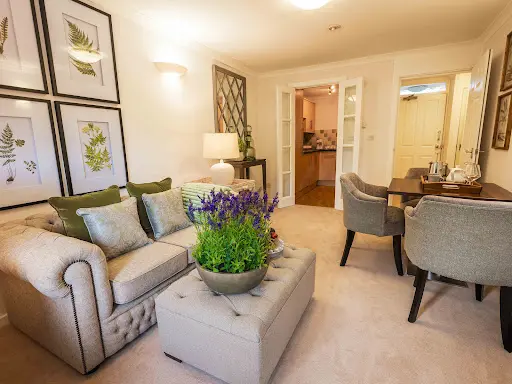
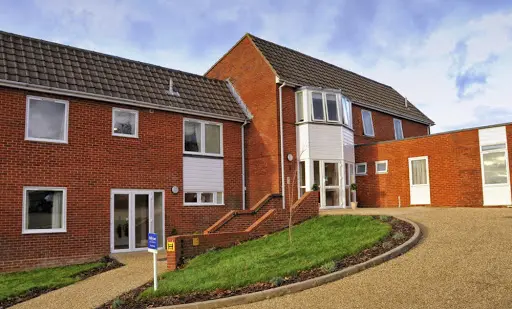
The home feels alive with colour and carefully chosen artwork that residents enjoy looking at and talking about. Themed spaces and memorabilia give people conversation starters and familiar touchpoints throughout the building. Families consistently mention how clean and well-kept everything is, from the communal areas to individual rooms.
“Sometimes the best care homes are the ones where ordinary moments — a chat over tea, choosing which activity to join — feel genuinely pleasant rather than scheduled.”
DCC does not edit or curate content in this tab. For independently curated information, see The Evidence and DCC Verdict.