Heanor Park Care Home
At a Glance
The information you need to decide whether this home warrants a closer look.
Residential homes
Staff warmth score
of reviewers answered yes
Good to know
- Registered beds60
- SpecialismsCaring for adults over 65 yrs, Caring for adults under 65 yrs, Dementia, Physical disabilities, Sensory impairment
- Last inspected2021-10-19
Save Heanor Park Care Home to your shortlist
Keep a running list, add visit notes, and compare homes side-by-side. Free account — it takes a minute.
STAGE 4 — RESEARCHING CARE HOMES
Visit homes. Compare them side by side. Choose with confidence.
Most of us will view care homes the way we view houses, impression, atmosphere, the feeling in the corridor. We go home, try to remember what we saw, and make a permanent decision from a blurred memory.

The DCC shortlist gives every home you visit a structured record: the same twelve questions, answered the same way, every time. When you’re ready to choose, pull any two homes side by side and compare them directly. Same criteria, same evidence, your notes and your scores.
The Evidence
What the review data, the inspection reports, and the dementia-care evidence base tell us about this home.
What families say
Families talk about feeling genuinely welcomed here, with staff keeping in regular contact and responding quickly to questions. The home seems to understand that small gestures matter — like when visitors bring their dogs, residents light up at the chance for some four-legged company.
The eight family priority themes
- Staff warmth82
- Compassion & dignity90
- Cleanliness70
- Activities & engagement70
- Food quality65
- Healthcare70
- Management & leadership75
- Resident happiness75
What inspectors found
Inspected 2021-10-19
Is this home safe?
Is the care effective?
The home was rated Good for effective practice at the September 2021 inspection. This domain covers whether staff have the right training, whether care plans are detailed and kept up to date, whether residents have regular access to GPs and other health professionals, and whether food meets individual nutritional needs. The home lists dementia as a specialism, so inspectors will have looked for evidence of appropriate dementia training. Specific detail on any of these areas is not reproduced in the published summary.Is this home caring?
The home received an Outstanding rating for caring at its September 2021 inspection. This is the highest rating available and is awarded only when inspectors find specific, direct evidence that staff treat people with exceptional warmth, dignity, and respect. The published summary does not reproduce the specific observations, quotes, or case examples that underpinned this rating, but the rating itself is a strong and meaningful finding. Outstanding in this domain is relatively rare across UK care homes.Is the home responsive?
The home was rated Good for responsive practice at the September 2021 inspection. This domain covers whether the home offers meaningful activities, responds to individual preferences, handles complaints well, and supports people at the end of their life. The home cares for people with dementia, physical disabilities, and sensory impairment, so responsiveness to individual need is particularly important. No specific activities, individual engagement examples, or complaints handling details are reproduced in the published text.Is the home well-led?
The home was rated Good for well-led at the September 2021 inspection. The registration record names two registered managers and a nominated individual, suggesting a clear governance structure. A Good rating here requires inspectors to find evidence of a positive culture, effective oversight, and staff who feel supported and able to raise concerns. The published summary does not describe the managers' tenure, any specific quality audits, or staff survey findings.
Source: CQC inspection report →
What the evidence base says
The home provides specialist support for sensory impairments, particularly hearing loss, alongside care for physical disabilities and dementia. They welcome both younger adults under 65 and older residents. For residents living with dementia who also have sensory impairments, the specialist training here means staff understand the extra challenges of communication and connection. All areas worth probing directly during a visit.
The DCC Verdict
Our editorial view, built from the three lenses: what families tell us, what inspectors record, and how the home sits against good dementia-care practice.
DCC Family Score
Heanor Park Care Home scores well overall, lifted significantly by its Outstanding rating for caring, which reflects strong evidence of warmth, dignity, and respect. Scores in other areas are positive but limited by the detail available in the published inspection findings.
Homes in East Midlands typically score 68–82.The three-lens summary
What families tell us
Families talk about feeling genuinely welcomed here, with staff keeping in regular contact and responding quickly to questions. The home seems to understand that small gestures matter — like when visitors bring their dogs, residents light up at the chance for some four-legged company.
What inspectors have recorded
Staff are widely described as caring and committed to their work, with many families particularly noting how well they communicate. The team includes specialists trained in supporting people with hearing loss, bringing valuable expertise to their daily care.
How it sits against good practice
With its focus on sensory care and welcoming approach, this could be worth exploring if you're looking for somewhere that understands these particular needs.
Worth a visit
Heanor Park Care Home, on Ilkeston Road in Heanor, was rated Good overall at its inspection in September 2021, with an Outstanding rating for caring. That Outstanding rating is significant: inspectors award it only when they find clear, specific evidence that staff go beyond compliance and genuinely treat the people in their care with warmth, respect, and individuality. The home supports a wide range of needs, including dementia, physical disabilities, and sensory impairment, across 60 beds. The main limitation of this report is that the published summary is brief, and many of the details families most need, including night staffing numbers, agency staff usage, activity schedules, and dementia-specific environmental adaptations, are not reproduced in the available text. The inspection also took place in 2021, and a monitoring review in July 2023 found no reason to change the rating, which is reassuring but not the same as a fresh full inspection. When you visit, ask to see last week's actual staffing rota, ask how the home supports someone with dementia who becomes distressed in the evening, and walk through the space yourself to see whether it feels calm, clean, and orienting.
The three questions to ask when you visitSave this home. Compare it against your shortlist.
Let our analysis show you how Heanor Park Care Home measures up against the other homes you’re considering. Free account.
In Their Own Words
How Heanor Park Care Home describes itself — collected from its own website. DCC has not edited or independently verified the content in this tab.
Specialist sensory care meets families' everyday needs in Heanor
Dedicated residential home Support in Heanor
Finding the right care when someone has hearing loss or sensory needs takes extra searching, and families often worry whether staff will truly understand. Heanor Park Care Home in the heart of the East Midlands has built its reputation around specialist sensory support, with a dedicated unit designed for residents who are deaf or hard of hearing. The home welcomes people of all ages with physical disabilities, sensory impairments and dementia.
Who they care for
The home provides specialist support for sensory impairments, particularly hearing loss, alongside care for physical disabilities and dementia. They welcome both younger adults under 65 and older residents.
For residents living with dementia who also have sensory impairments, the specialist training here means staff understand the extra challenges of communication and connection.
“With its focus on sensory care and welcoming approach, this could be worth exploring if you're looking for somewhere that understands these particular needs.”
DCC does not edit or curate content in this tab. For independently curated information, see The Evidence and DCC Verdict.
The DCC Verdict
Our editorial view, built from the three lenses: what families tell us, what inspectors record, and how the home sits against good dementia-care practice.
DCC Family Score
Heanor Park Care Home scores well overall, lifted significantly by its Outstanding rating for caring, which reflects strong evidence of warmth, dignity, and respect. Scores in other areas are positive but limited by the detail available in the published inspection findings.
Homes in East Midlands typically score 68–82.The three-lens summary
What families tell us
Families talk about feeling genuinely welcomed here, with staff keeping in regular contact and responding quickly to questions. The home seems to understand that small gestures matter — like when visitors bring their dogs, residents light up at the chance for some four-legged company.
What inspectors have recorded
Staff are widely described as caring and committed to their work, with many families particularly noting how well they communicate. The team includes specialists trained in supporting people with hearing loss, bringing valuable expertise to their daily care.
How it sits against good practice
With its focus on sensory care and welcoming approach, this could be worth exploring if you're looking for somewhere that understands these particular needs.
Worth a visit
Heanor Park Care Home, on Ilkeston Road in Heanor, was rated Good overall at its inspection in September 2021, with an Outstanding rating for caring. That Outstanding rating is significant: inspectors award it only when they find clear, specific evidence that staff go beyond compliance and genuinely treat the people in their care with warmth, respect, and individuality. The home supports a wide range of needs, including dementia, physical disabilities, and sensory impairment, across 60 beds. The main limitation of this report is that the published summary is brief, and many of the details families most need, including night staffing numbers, agency staff usage, activity schedules, and dementia-specific environmental adaptations, are not reproduced in the available text. The inspection also took place in 2021, and a monitoring review in July 2023 found no reason to change the rating, which is reassuring but not the same as a fresh full inspection. When you visit, ask to see last week's actual staffing rota, ask how the home supports someone with dementia who becomes distressed in the evening, and walk through the space yourself to see whether it feels calm, clean, and orienting.
The three questions to ask when you visitSave this home. Compare it against your shortlist.
Let our analysis show you how Heanor Park Care Home measures up against the other homes you’re considering. Free account.
In Their Own Words
How Heanor Park Care Home describes itself — collected from its own website. DCC has not edited or independently verified the content in this tab.
Specialist sensory care meets families' everyday needs in Heanor
Dedicated residential home Support in Heanor
Finding the right care when someone has hearing loss or sensory needs takes extra searching, and families often worry whether staff will truly understand. Heanor Park Care Home in the heart of the East Midlands has built its reputation around specialist sensory support, with a dedicated unit designed for residents who are deaf or hard of hearing. The home welcomes people of all ages with physical disabilities, sensory impairments and dementia.
Who they care for
The home provides specialist support for sensory impairments, particularly hearing loss, alongside care for physical disabilities and dementia. They welcome both younger adults under 65 and older residents.
For residents living with dementia who also have sensory impairments, the specialist training here means staff understand the extra challenges of communication and connection.
Management & ethos
Staff are widely described as caring and committed to their work, with many families particularly noting how well they communicate. The team includes specialists trained in supporting people with hearing loss, bringing valuable expertise to their daily care.
The home & environment
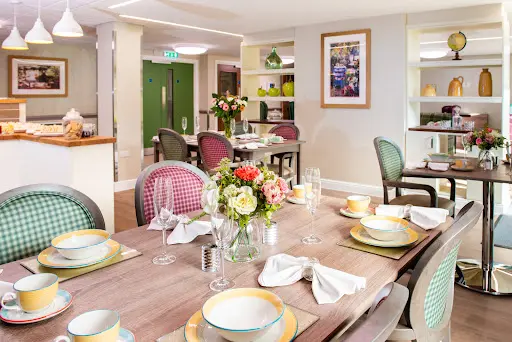
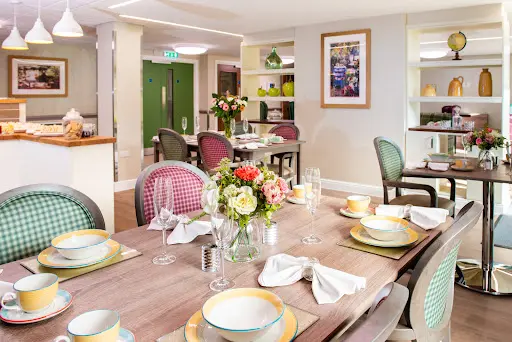
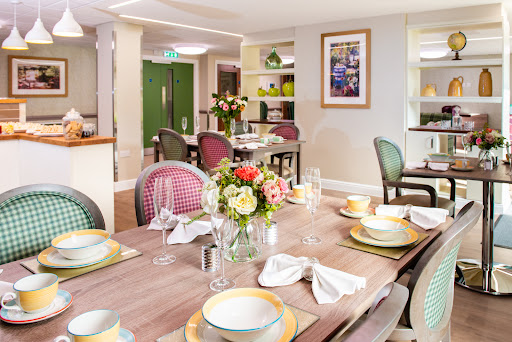
The building itself gets consistent praise from visitors, who describe modern, clean surroundings and thoughtful décor throughout. While experiences with meals have varied considerably, the home maintains high standards of cleanliness in all areas.
“With its focus on sensory care and welcoming approach, this could be worth exploring if you're looking for somewhere that understands these particular needs.”
DCC does not edit or curate content in this tab. For independently curated information, see The Evidence and DCC Verdict.