Watford House Care Home

At a Glance
The information you need to decide whether this home warrants a closer look.
Residential homes
Staff warmth score
of reviewers answered yes
Good to know
- Registered beds40
- SpecialismsCaring for adults over 65 yrs, Dementia
- Last inspected2024-03-08
Save Watford House Care Home to your shortlist
Keep a running list, add visit notes, and compare homes side-by-side. Free account — it takes a minute.
STAGE 4 — RESEARCHING CARE HOMES
Visit homes. Compare them side by side. Choose with confidence.
Most of us will view care homes the way we view houses, impression, atmosphere, the feeling in the corridor. We go home, try to remember what we saw, and make a permanent decision from a blurred memory.

The DCC shortlist gives every home you visit a structured record: the same twelve questions, answered the same way, every time. When you’re ready to choose, pull any two homes side by side and compare them directly. Same criteria, same evidence, your notes and your scores.
The Evidence
What the review data, the inspection reports, and the dementia-care evidence base tell us about this home.
What families say
Visitors often mention the genuine warmth they feel when spending time here. There's a sense that staff really know each resident — their preferences, their stories, what makes them smile. Families describe feeling included in care decisions and welcomed as partners in their loved one's daily life.
The eight family priority themes
- Staff warmth72
- Compassion & dignity72
- Cleanliness65
- Activities & engagement62
- Food quality60
- Healthcare55
- Management & leadership68
- Resident happiness65
What inspectors found
Inspected 2024-03-08
Is this home safe?
Is the care effective?
Effective was the only domain rated Requires Improvement at this inspection, and it is the reason the overall rating declined from Good. This domain covers staff training, care plan quality, nutritional assessment, and healthcare coordination including GP and specialist access. The published summary does not explain what specific shortfalls inspectors identified. A Requires Improvement rating in Effective means inspectors found one or more areas where the home was not consistently meeting the required standard, but remedying those issues was considered achievable.Is this home caring?
The Caring domain was rated Good at the February 2024 inspection. This covers staff warmth, dignity and respect, privacy, and whether your parent's independence would be promoted. A Good rating in this domain means inspectors observed or gathered sufficient evidence that staff treat the people living here with genuine kindness and respect. The published summary does not include specific observations or direct quotes from residents or relatives, so the level of detail behind this rating is unclear.Is the home responsive?
The Responsive domain was rated Good at the February 2024 inspection. This covers how well the home tailors care to individual needs, the activities programme, how complaints are handled, and end-of-life care planning. Watford House lists dementia as a specialism alongside care for adults over 65, so the Responsive domain should reflect how well the home meets the specific and changing needs of people living with dementia. The published summary does not describe the activities programme, one-to-one engagement, or how individual preferences are recorded and acted on.Is the home well-led?
The Well-led domain was rated Good at the February 2024 inspection. The registered manager is Miss Joyce Margaret Strachan, and the nominated individual is Mr Christopher David Ridgard, both named in the registration. A Good Well-led rating indicates inspectors found adequate governance systems, a culture that supports staff to speak up, and a leadership team that is visible and accountable. The home has been inspected three times since registration. The overall decline from Good to Requires Improvement happened despite the Well-led domain retaining a Good rating, which means the shortfall identified sits elsewhere (specifically in Effective) rather than in leadership and governance.
Source: CQC inspection report →
What the evidence base says
The home cares for adults over 65, with particular expertise in dementia support. Families can personalise resident rooms to create familiar, comforting environments. The team shows particular skill in supporting residents who are newly diagnosed, helping both them and their families through this transition. Staff demonstrate understanding of how to adapt care plans as dementia progresses, working to maintain each person's sense of identity and connection. All areas worth probing directly during a visit.
The DCC Verdict
Our editorial view, built from the three lenses: what families tell us, what inspectors record, and how the home sits against good dementia-care practice.
DCC Family Score
Watford House scores in the mid-range across most themes because the inspection confirmed Good ratings in several areas but found enough concern in Effective practice to bring the overall rating down to Requires Improvement. The published report provides limited specific detail, so several important questions remain unanswered and need to be raised directly with the home.
Homes in East Midlands typically score 68–82.The three-lens summary
What families tell us
Visitors often mention the genuine warmth they feel when spending time here. There's a sense that staff really know each resident — their preferences, their stories, what makes them smile. Families describe feeling included in care decisions and welcomed as partners in their loved one's daily life.
What inspectors have recorded
The current management team has brought fresh energy and direction to the home, with families noticing positive changes in the culture and atmosphere. While some concerns have been raised about care standards and oversight, many families speak of staff who show real empathy and patience in their daily interactions with residents.
How it sits against good practice
Every family's care journey is unique — visiting Watford House will give you the clearest sense of whether it feels right for yours.
Worth a visit
Watford House Residential Home in High Peak was assessed in February 2024 and received an overall rating of Requires Improvement, a decline from its previous Good rating. Three domains, Caring, Responsive, and Well-led, retained Good ratings, and Safe was also rated Good. The Effective domain was rated Requires Improvement, which covers training, care planning, and healthcare coordination, and that finding alone was enough to pull the overall rating down. The main uncertainty here is significant: the published inspection summary is brief and does not explain what specifically went wrong in the Effective domain. Before visiting, ask the manager directly what the inspectors found under Effective, what action plan is in place, and when the next follow-up inspection is expected. On your visit, pay close attention to whether care plans look current and personalised, whether staff can tell you about your parent's individual preferences without checking a screen, and whether the atmosphere feels unhurried. A Requires Improvement rating that has declined from Good warrants careful scrutiny, and this home needs to demonstrate it is moving in the right direction.
The three questions to ask when you visitSave this home. Compare it against your shortlist.
Let our analysis show you how Watford House Care Home measures up against the other homes you’re considering. Free account.
In Their Own Words
How Watford House Care Home describes itself — collected from its own website. DCC has not edited or independently verified the content in this tab.
Finding connection and purpose through daily life in High Peak
Watford House Residential Home – Your Trusted residential home
When families face the challenge of dementia, they need somewhere that understands the journey ahead. Watford House Residential Home in High Peak offers specialised support for older adults, with particular experience helping residents and families navigate the early stages of dementia diagnosis. The home sits within the local community, keeping residents connected to familiar rhythms and places.
Who they care for
The home cares for adults over 65, with particular expertise in dementia support. Families can personalise resident rooms to create familiar, comforting environments.
The team shows particular skill in supporting residents who are newly diagnosed, helping both them and their families through this transition. Staff demonstrate understanding of how to adapt care plans as dementia progresses, working to maintain each person's sense of identity and connection.
“Every family's care journey is unique — visiting Watford House will give you the clearest sense of whether it feels right for yours.”
DCC does not edit or curate content in this tab. For independently curated information, see The Evidence and DCC Verdict.
The DCC Verdict
Our editorial view, built from the three lenses: what families tell us, what inspectors record, and how the home sits against good dementia-care practice.
DCC Family Score
Watford House scores in the mid-range across most themes because the inspection confirmed Good ratings in several areas but found enough concern in Effective practice to bring the overall rating down to Requires Improvement. The published report provides limited specific detail, so several important questions remain unanswered and need to be raised directly with the home.
Homes in East Midlands typically score 68–82.The three-lens summary
What families tell us
Visitors often mention the genuine warmth they feel when spending time here. There's a sense that staff really know each resident — their preferences, their stories, what makes them smile. Families describe feeling included in care decisions and welcomed as partners in their loved one's daily life.
What inspectors have recorded
The current management team has brought fresh energy and direction to the home, with families noticing positive changes in the culture and atmosphere. While some concerns have been raised about care standards and oversight, many families speak of staff who show real empathy and patience in their daily interactions with residents.
How it sits against good practice
Every family's care journey is unique — visiting Watford House will give you the clearest sense of whether it feels right for yours.
Worth a visit
Watford House Residential Home in High Peak was assessed in February 2024 and received an overall rating of Requires Improvement, a decline from its previous Good rating. Three domains, Caring, Responsive, and Well-led, retained Good ratings, and Safe was also rated Good. The Effective domain was rated Requires Improvement, which covers training, care planning, and healthcare coordination, and that finding alone was enough to pull the overall rating down. The main uncertainty here is significant: the published inspection summary is brief and does not explain what specifically went wrong in the Effective domain. Before visiting, ask the manager directly what the inspectors found under Effective, what action plan is in place, and when the next follow-up inspection is expected. On your visit, pay close attention to whether care plans look current and personalised, whether staff can tell you about your parent's individual preferences without checking a screen, and whether the atmosphere feels unhurried. A Requires Improvement rating that has declined from Good warrants careful scrutiny, and this home needs to demonstrate it is moving in the right direction.
The three questions to ask when you visitSave this home. Compare it against your shortlist.
Let our analysis show you how Watford House Care Home measures up against the other homes you’re considering. Free account.
In Their Own Words
How Watford House Care Home describes itself — collected from its own website. DCC has not edited or independently verified the content in this tab.
Finding connection and purpose through daily life in High Peak
Watford House Residential Home – Your Trusted residential home
When families face the challenge of dementia, they need somewhere that understands the journey ahead. Watford House Residential Home in High Peak offers specialised support for older adults, with particular experience helping residents and families navigate the early stages of dementia diagnosis. The home sits within the local community, keeping residents connected to familiar rhythms and places.
Who they care for
The home cares for adults over 65, with particular expertise in dementia support. Families can personalise resident rooms to create familiar, comforting environments.
The team shows particular skill in supporting residents who are newly diagnosed, helping both them and their families through this transition. Staff demonstrate understanding of how to adapt care plans as dementia progresses, working to maintain each person's sense of identity and connection.
Management & ethos
The current management team has brought fresh energy and direction to the home, with families noticing positive changes in the culture and atmosphere. While some concerns have been raised about care standards and oversight, many families speak of staff who show real empathy and patience in their daily interactions with residents.
The home & environment
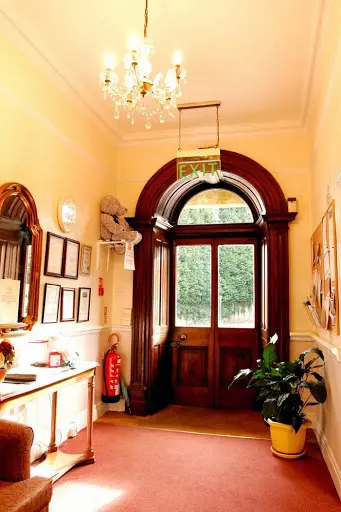
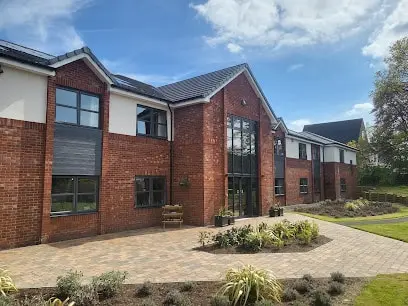
The kitchen serves freshly cooked meals with varied menus that cater to individual dietary needs and preferences. Recent refurbishment has brightened up the spaces, creating clearer, more modern surroundings for residents. The home arranges visits from a hairdresser and chiropodist, helping residents maintain their personal routines.
“Every family's care journey is unique — visiting Watford House will give you the clearest sense of whether it feels right for yours.”
DCC does not edit or curate content in this tab. For independently curated information, see The Evidence and DCC Verdict.