Ashfields Care Home
At a Glance
The information you need to decide whether this home warrants a closer look.
Nursing homes
Staff warmth score
of reviewers answered yes
Good to know
- Registered beds76
- SpecialismsCaring for adults over 65 yrs, Caring for adults under 65 yrs, Dementia, Physical disabilities
- Last inspected2020-02-26
Save Ashfields Care Home to your shortlist
Keep a running list, add visit notes, and compare homes side-by-side. Free account — it takes a minute.
STAGE 4 — RESEARCHING CARE HOMES
Visit homes. Compare them side by side. Choose with confidence.
Most of us will view care homes the way we view houses, impression, atmosphere, the feeling in the corridor. We go home, try to remember what we saw, and make a permanent decision from a blurred memory.

The DCC shortlist gives every home you visit a structured record: the same twelve questions, answered the same way, every time. When you’re ready to choose, pull any two homes side by side and compare them directly. Same criteria, same evidence, your notes and your scores.
The Evidence
What the review data, the inspection reports, and the dementia-care evidence base tell us about this home.
What families say
Families describe finding more than they expected here — staff who anticipate needs before they're voiced, and a sense that their loved ones are genuinely cared about. The way the team includes families in daily life has helped people feel they're still part of their relative's world, even as things change.
The eight family priority themes
- Staff warmth85
- Compassion & dignity90
- Cleanliness72
- Activities & engagement85
- Food quality65
- Healthcare72
- Management & leadership75
- Resident happiness80
What inspectors found
Inspected 2020-02-26
Is this home safe?
Is the care effective?
The effective domain was rated Good at the January 2022 inspection. This indicates that staff have the training and knowledge to meet people's needs, that care plans are in place and used, and that healthcare access including GP involvement meets the expected standard. The home lists dementia and physical disabilities as specialisms, which implies relevant staff training, though the published text does not describe training content, frequency, or how care plans are reviewed and updated.Is this home caring?
The caring domain was rated Outstanding at the January 2022 inspection. This is the highest grade inspectors award and requires strong, specific evidence from direct observation, resident testimony, and family feedback. It covers staff warmth, compassion, respect for dignity and privacy, and how well staff know each person as an individual. This is the domain most closely aligned with what families say matters most when choosing a home.Is the home responsive?
The responsive domain was rated Outstanding at the January 2022 inspection. This domain assesses whether care is tailored to individual needs, whether activities are meaningful and varied, how the home handles complaints, and how end-of-life care is managed. An Outstanding grade here means inspectors found specific evidence that the home goes beyond generic provision and adapts to what each person actually needs and enjoys. The home lists dementia, physical disabilities, and both over-65 and under-65 adults as specialisms, indicating it supports a wide range of needs.Is the home well-led?
The well-led domain was rated Good at the January 2022 inspection. This means governance systems, management culture, and accountability arrangements met the standard inspectors expect. The registered manager is named in the published record, which is a basic but meaningful marker of stability. The home has been inspected four times and has improved from Good to Outstanding overall, which suggests leadership has driven genuine quality improvement over time rather than standing still.
Source: CQC inspection report →
What the evidence base says
Ashfields provides care for adults both under and over 65, including those living with dementia or physical disabilities. The home welcomes residents living with dementia as part of their broader care provision for older adults and those with complex needs. All areas worth probing directly during a visit.
The DCC Verdict
Our editorial view, built from the three lenses: what families tell us, what inspectors record, and how the home sits against good dementia-care practice.
DCC Family Score
Ashfields Care Home scores strongly on the themes families care about most, with Outstanding ratings for caring and responsiveness pointing to warm staff and meaningful daily life. Scores for food, cleanliness, and healthcare are more cautious because the published inspection text does not include specific detail in those areas.
Homes in East Midlands typically score 68–82.The three-lens summary
What families tell us
Families describe finding more than they expected here — staff who anticipate needs before they're voiced, and a sense that their loved ones are genuinely cared about. The way the team includes families in daily life has helped people feel they're still part of their relative's world, even as things change.
What inspectors have recorded
Staff here seem to understand that being available isn't just about answering call buttons — it's about noticing the small things that make a difference. Families report feeling supported not just practically but emotionally, particularly during their loved ones' final months.
How it sits against good practice
For families navigating care decisions in the Heanor area, visiting Ashfields might help you understand whether their approach feels right for your situation.
Worth a visit
Ashfields Care Home at 34 Mansfield Road, Heanor was rated Outstanding at its last inspection in January 2022, an improvement on its previous Good rating. Inspectors awarded Outstanding in two of the five domains: caring and responsive. These are the two domains that most directly reflect whether the people living here are treated as individuals and whether daily life has meaning and warmth. The overall Outstanding rating places this home in a small minority of care homes nationally. The main uncertainty is practical rather than critical: the published inspection summary is brief, and specific detail about areas such as food quality, night staffing numbers, agency staff reliance, and outdoor space is not available in the published text. The rating itself is a strong signal, but before committing, ask the manager to show you last week's actual staffing rota including nights, ask how often care plans are reviewed and whether families attend those reviews, and spend time on the unit watching how staff interact with residents who are not seeking attention, as that is where the real culture shows.
The three questions to ask when you visitSave this home. Compare it against your shortlist.
Let our analysis show you how Ashfields Care Home measures up against the other homes you’re considering. Free account.
In Their Own Words
How Ashfields Care Home describes itself — collected from its own website. DCC has not edited or independently verified the content in this tab.
Where difficult days are met with genuine kindness and dignity
Ashfields Care Home – Expert Care in Heanor
When families face the hardest transitions, the quality of care becomes everything. Ashfields Care Home in Heanor has earned deep gratitude from families who've walked through end-of-life journeys with their loved ones here. The team's approach to these delicate times shows real understanding of what matters most.
Who they care for
Ashfields provides care for adults both under and over 65, including those living with dementia or physical disabilities.
The home welcomes residents living with dementia as part of their broader care provision for older adults and those with complex needs.
“For families navigating care decisions in the Heanor area, visiting Ashfields might help you understand whether their approach feels right for your situation.”
DCC does not edit or curate content in this tab. For independently curated information, see The Evidence and DCC Verdict.
The DCC Verdict
Our editorial view, built from the three lenses: what families tell us, what inspectors record, and how the home sits against good dementia-care practice.
DCC Family Score
Ashfields Care Home scores strongly on the themes families care about most, with Outstanding ratings for caring and responsiveness pointing to warm staff and meaningful daily life. Scores for food, cleanliness, and healthcare are more cautious because the published inspection text does not include specific detail in those areas.
Homes in East Midlands typically score 68–82.The three-lens summary
What families tell us
Families describe finding more than they expected here — staff who anticipate needs before they're voiced, and a sense that their loved ones are genuinely cared about. The way the team includes families in daily life has helped people feel they're still part of their relative's world, even as things change.
What inspectors have recorded
Staff here seem to understand that being available isn't just about answering call buttons — it's about noticing the small things that make a difference. Families report feeling supported not just practically but emotionally, particularly during their loved ones' final months.
How it sits against good practice
For families navigating care decisions in the Heanor area, visiting Ashfields might help you understand whether their approach feels right for your situation.
Worth a visit
Ashfields Care Home at 34 Mansfield Road, Heanor was rated Outstanding at its last inspection in January 2022, an improvement on its previous Good rating. Inspectors awarded Outstanding in two of the five domains: caring and responsive. These are the two domains that most directly reflect whether the people living here are treated as individuals and whether daily life has meaning and warmth. The overall Outstanding rating places this home in a small minority of care homes nationally. The main uncertainty is practical rather than critical: the published inspection summary is brief, and specific detail about areas such as food quality, night staffing numbers, agency staff reliance, and outdoor space is not available in the published text. The rating itself is a strong signal, but before committing, ask the manager to show you last week's actual staffing rota including nights, ask how often care plans are reviewed and whether families attend those reviews, and spend time on the unit watching how staff interact with residents who are not seeking attention, as that is where the real culture shows.
The three questions to ask when you visitSave this home. Compare it against your shortlist.
Let our analysis show you how Ashfields Care Home measures up against the other homes you’re considering. Free account.
In Their Own Words
How Ashfields Care Home describes itself — collected from its own website. DCC has not edited or independently verified the content in this tab.
Where difficult days are met with genuine kindness and dignity
Ashfields Care Home – Expert Care in Heanor
When families face the hardest transitions, the quality of care becomes everything. Ashfields Care Home in Heanor has earned deep gratitude from families who've walked through end-of-life journeys with their loved ones here. The team's approach to these delicate times shows real understanding of what matters most.
Who they care for
Ashfields provides care for adults both under and over 65, including those living with dementia or physical disabilities.
The home welcomes residents living with dementia as part of their broader care provision for older adults and those with complex needs.
Management & ethos
Staff here seem to understand that being available isn't just about answering call buttons — it's about noticing the small things that make a difference. Families report feeling supported not just practically but emotionally, particularly during their loved ones' final months.
The home & environment
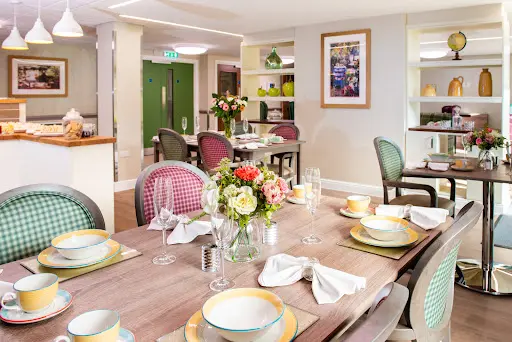
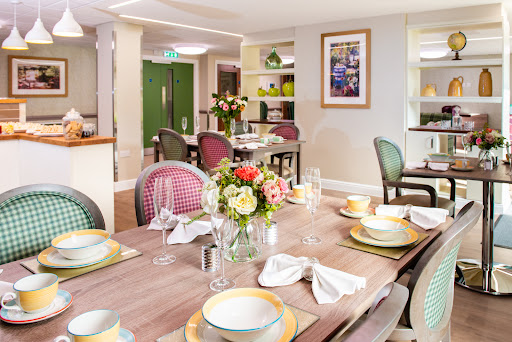
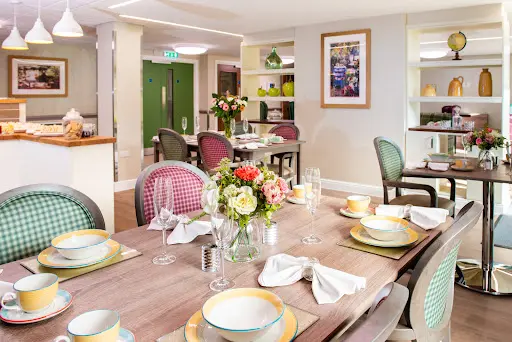
The physical space at Ashfields surprises visitors with its hotel-like presentation and careful maintenance. The team organises activities that create meaningful moments for residents, with families appreciating how these are captured and shared.
“For families navigating care decisions in the Heanor area, visiting Ashfields might help you understand whether their approach feels right for your situation.”
DCC does not edit or curate content in this tab. For independently curated information, see The Evidence and DCC Verdict.