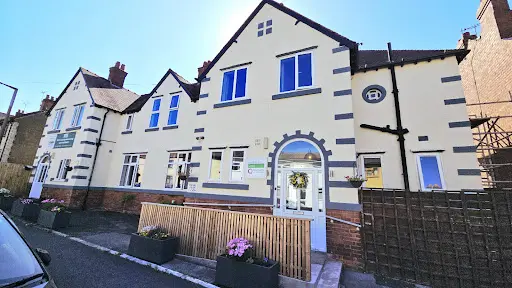
The New Lodge
At a Glance
The information you need to decide whether this home warrants a closer look.
Nursing homes
Staff warmth score
of reviewers answered yes
Good to know
- Registered beds34
- SpecialismsCaring for adults over 65 yrs, Caring for adults under 65 yrs, Dementia, Physical disabilities, Sensory impairment
- Last inspected2019-04-30
Save The New Lodge to your shortlist
Keep a running list, add visit notes, and compare homes side-by-side. Free account — it takes a minute.
STAGE 4 — RESEARCHING CARE HOMES
Visit homes. Compare them side by side. Choose with confidence.
Most of us will view care homes the way we view houses, impression, atmosphere, the feeling in the corridor. We go home, try to remember what we saw, and make a permanent decision from a blurred memory.

The DCC shortlist gives every home you visit a structured record: the same twelve questions, answered the same way, every time. When you’re ready to choose, pull any two homes side by side and compare them directly. Same criteria, same evidence, your notes and your scores.
The Evidence
What the review data, the inspection reports, and the dementia-care evidence base tell us about this home.
What families say
Families describe an atmosphere that feels genuinely welcoming rather than clinical. Staff greet visitors warmly, offer cups of tea, and create space for families to be present during important moments. The environment strikes that difficult balance — professional care delivered in surroundings that feel comfortable and homely.
The eight family priority themes
- Staff warmth72
- Compassion & dignity72
- Cleanliness68
- Activities & engagement65
- Food quality65
- Healthcare70
- Management & leadership70
- Resident happiness68
What inspectors found
Inspected 2019-04-30
Is this home safe?
Is the care effective?
The home was rated Good for effectiveness at its April 2019 inspection. Dementia is listed as a named specialism, which suggests the home markets specific expertise in this area. The published summary does not describe the content of dementia training, how often care plans are reviewed, or how the home manages access to GPs and other health professionals. No specific observations about food quality or dietary management are included.Is this home caring?
The home was rated Good for Caring at its April 2019 inspection. This domain covers staff warmth, dignity, privacy, and respect for independence. No specific inspector observations, resident quotes, or relative quotes are included in the published summary. The Good rating indicates inspectors were satisfied with caring practices at the time of inspection, but without detail it is not possible to say what specific behaviours or interactions they observed.Is the home responsive?
The home was rated Good for Responsiveness at its April 2019 inspection. This domain covers activities, engagement, individuality, and end-of-life care. No specific detail about the activity programme, individual engagement for people with advanced dementia, or end-of-life planning is included in the published summary. The home cares for people with a range of conditions including dementia, physical disabilities, and sensory impairment, which suggests activity provision needs to be genuinely varied.Is the home well-led?
The home was rated Good for Well-led at its April 2019 inspection. A named registered manager (Mrs Susanne White) and a named nominated individual are recorded on the registration. No specific detail about management visibility, staff culture, how complaints are handled, or how the home has responded to incidents is included in the published summary. The July 2023 monitoring review found no evidence requiring a rating change.
Source: CQC inspection report →
What the evidence base says
The home cares for adults both under and over 65 with physical disabilities and sensory impairments. They also support people living with dementia. While The New Lodge lists dementia care among their specialisms, family feedback focuses primarily on their end-of-life support. The home accepts residents with various stages of dementia alongside other care needs. All areas worth probing directly during a visit.
The DCC Verdict
Our editorial view, built from the three lenses: what families tell us, what inspectors record, and how the home sits against good dementia-care practice.
DCC Family Score
The home holds a Good rating across all five domains from its April 2019 inspection, but the published report contains very little specific detail, so scores reflect the rating rather than direct evidence of day-to-day experience. Treat this as a starting point, not a full picture.
Homes in East Midlands typically score 68–82.The three-lens summary
What families tell us
Families describe an atmosphere that feels genuinely welcoming rather than clinical. Staff greet visitors warmly, offer cups of tea, and create space for families to be present during important moments. The environment strikes that difficult balance — professional care delivered in surroundings that feel comfortable and homely.
What inspectors have recorded
Communication stands out as a particular strength here. Staff explain care decisions clearly, keeping families informed as situations develop. When residents need attention, staff respond quickly. Families notice how the team seems genuinely invested in each person's comfort, not just going through motions.
How it sits against good practice
For families navigating terminal illness or seeking residential care with complex needs, The New Lodge offers something precious — professional care delivered with genuine warmth.
Worth a visit
The New Lodge Nursing Care Ltd, at 114 Western Road, Derby, was rated Good across all five inspection domains at its last inspection in April 2019. A review of available information carried out in July 2023 found no evidence requiring a change to that rating. The home supports 34 people and specialises in dementia, physical disabilities, sensory impairment, and care for both adults over and under 65. The main uncertainty here is that the published inspection summary contains very little specific detail: no direct inspector observations, no resident or relative quotes, and no concrete examples of day-to-day care are available. The Good rating tells you the home met the required standard in 2019, but it does not tell you what that looked like in practice, and the inspection is now over five years old. When you visit, ask to see the staffing rota for last week (counting permanent versus agency names, especially on nights), and ask to look at a real activity schedule rather than a template.
The three questions to ask when you visitSave this home. Compare it against your shortlist.
Let our analysis show you how The New Lodge measures up against the other homes you’re considering. Free account.
In Their Own Words
How The New Lodge describes itself — collected from its own website. DCC has not edited or independently verified the content in this tab.
Where final chapters are written with kindness and dignity
Nursing home in Derby: True Peace of Mind
When families face the hardest goodbyes, they find extraordinary support at The New Lodge Nursing Care in Derby. This East Midlands home has quietly built a reputation for helping residents and their loved ones through life's most difficult transitions. Beyond end-of-life care, they provide residential support for adults with physical disabilities and sensory impairments.
Who they care for
The home cares for adults both under and over 65 with physical disabilities and sensory impairments. They also support people living with dementia.
While The New Lodge lists dementia care among their specialisms, family feedback focuses primarily on their end-of-life support. The home accepts residents with various stages of dementia alongside other care needs.
“For families navigating terminal illness or seeking residential care with complex needs, The New Lodge offers something precious — professional care delivered with genuine warmth.”
DCC does not edit or curate content in this tab. For independently curated information, see The Evidence and DCC Verdict.
The DCC Verdict
Our editorial view, built from the three lenses: what families tell us, what inspectors record, and how the home sits against good dementia-care practice.
DCC Family Score
The home holds a Good rating across all five domains from its April 2019 inspection, but the published report contains very little specific detail, so scores reflect the rating rather than direct evidence of day-to-day experience. Treat this as a starting point, not a full picture.
Homes in East Midlands typically score 68–82.The three-lens summary
What families tell us
Families describe an atmosphere that feels genuinely welcoming rather than clinical. Staff greet visitors warmly, offer cups of tea, and create space for families to be present during important moments. The environment strikes that difficult balance — professional care delivered in surroundings that feel comfortable and homely.
What inspectors have recorded
Communication stands out as a particular strength here. Staff explain care decisions clearly, keeping families informed as situations develop. When residents need attention, staff respond quickly. Families notice how the team seems genuinely invested in each person's comfort, not just going through motions.
How it sits against good practice
For families navigating terminal illness or seeking residential care with complex needs, The New Lodge offers something precious — professional care delivered with genuine warmth.
Worth a visit
The New Lodge Nursing Care Ltd, at 114 Western Road, Derby, was rated Good across all five inspection domains at its last inspection in April 2019. A review of available information carried out in July 2023 found no evidence requiring a change to that rating. The home supports 34 people and specialises in dementia, physical disabilities, sensory impairment, and care for both adults over and under 65. The main uncertainty here is that the published inspection summary contains very little specific detail: no direct inspector observations, no resident or relative quotes, and no concrete examples of day-to-day care are available. The Good rating tells you the home met the required standard in 2019, but it does not tell you what that looked like in practice, and the inspection is now over five years old. When you visit, ask to see the staffing rota for last week (counting permanent versus agency names, especially on nights), and ask to look at a real activity schedule rather than a template.
The three questions to ask when you visitSave this home. Compare it against your shortlist.
Let our analysis show you how The New Lodge measures up against the other homes you’re considering. Free account.
In Their Own Words
How The New Lodge describes itself — collected from its own website. DCC has not edited or independently verified the content in this tab.
Where final chapters are written with kindness and dignity
Nursing home in Derby: True Peace of Mind
When families face the hardest goodbyes, they find extraordinary support at The New Lodge Nursing Care in Derby. This East Midlands home has quietly built a reputation for helping residents and their loved ones through life's most difficult transitions. Beyond end-of-life care, they provide residential support for adults with physical disabilities and sensory impairments.
Who they care for
The home cares for adults both under and over 65 with physical disabilities and sensory impairments. They also support people living with dementia.
While The New Lodge lists dementia care among their specialisms, family feedback focuses primarily on their end-of-life support. The home accepts residents with various stages of dementia alongside other care needs.
Management & ethos
Communication stands out as a particular strength here. Staff explain care decisions clearly, keeping families informed as situations develop. When residents need attention, staff respond quickly. Families notice how the team seems genuinely invested in each person's comfort, not just going through motions.
The home & environment
The home maintains spotless, fresh facilities that families appreciate during long visiting hours. Residents appear well-presented, with attention paid to personal grooming and clothing choices. While specific amenities aren't detailed in family feedback, the overall environment clearly supports dignity through cleanliness and comfort.
“For families navigating terminal illness or seeking residential care with complex needs, The New Lodge offers something precious — professional care delivered with genuine warmth.”
DCC does not edit or curate content in this tab. For independently curated information, see The Evidence and DCC Verdict.