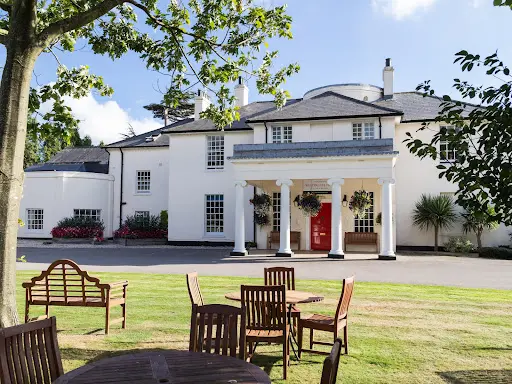
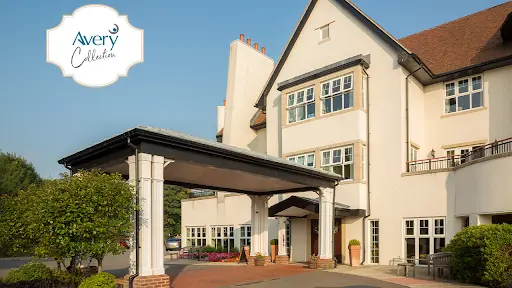
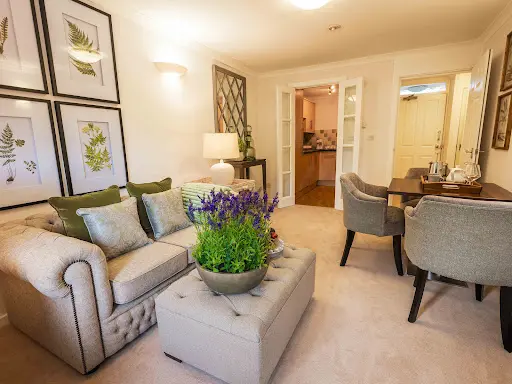
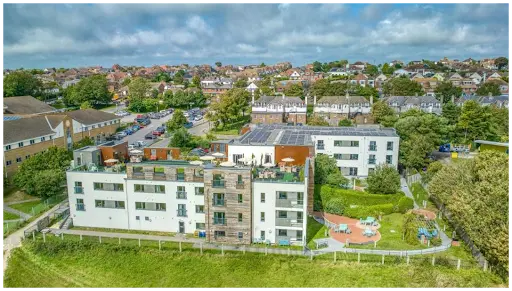
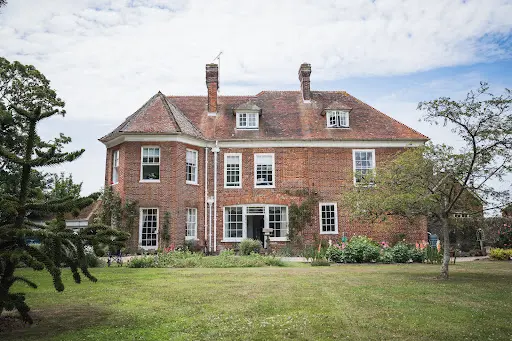
Grosvenor Lodge Care Home
At a Glance
The information you need to decide whether this home warrants a closer look.
Residential homes
Staff warmth score
of reviewers answered yes
Good to know
- Registered beds31
- SpecialismsDementia
- Last inspected2019-08-08
Save Grosvenor Lodge Care Home to your shortlist
Keep a running list, add visit notes, and compare homes side-by-side. Free account — it takes a minute.
STAGE 4 — RESEARCHING CARE HOMES
Visit homes. Compare them side by side. Choose with confidence.
Most of us will view care homes the way we view houses, impression, atmosphere, the feeling in the corridor. We go home, try to remember what we saw, and make a permanent decision from a blurred memory.

The DCC shortlist gives every home you visit a structured record: the same twelve questions, answered the same way, every time. When you’re ready to choose, pull any two homes side by side and compare them directly. Same criteria, same evidence, your notes and your scores.
The Evidence
What the review data, the inspection reports, and the dementia-care evidence base tell us about this home.
What families say
Families describe a place where their loved ones participate in regular activities that help maintain social connections. The staff approach each resident as an individual, taking time to understand their needs and preferences while maintaining their dignity through difficult stages.
The eight family priority themes
- Staff warmth70
- Compassion & dignity70
- Cleanliness70
- Activities & engagement65
- Food quality65
- Healthcare68
- Management & leadership72
- Resident happiness68
What inspectors found
Inspected 2019-08-08
Is this home safe?
Is the care effective?
The inspection rated Grosvenor Lodge Good for effectiveness, which covers staff training, care planning, healthcare access, and food. A Good rating suggests inspectors were satisfied that the home knew what it was doing in these areas. Grosvenor Lodge specialises in dementia care, so inspectors would have been looking specifically at whether staff had appropriate dementia training and whether care plans reflected individual needs. Without the full report narrative, we cannot confirm whether care plans were described as up to date, person-centred, and regularly reviewed.Is this home caring?
Grosvenor Lodge was rated Good for caring, which covers staff warmth, dignity, respect, and how well the home supports independence. This is the domain families tell us matters most — our review data shows staff warmth and compassion together account for over half the weight of what families value. A Good rating means inspectors observed or received evidence of kind, respectful interactions. Without the full report narrative, we cannot confirm specific quotes from residents or relatives, or describe what inspectors actually saw in corridors and communal spaces.Is the home responsive?
The inspection rated Grosvenor Lodge Good for responsiveness, which covers whether your parent will have a meaningful life in the home — activities, individual engagement, how the home responds to changing needs, and end-of-life care planning. A Good rating in this domain is positive, particularly for a dementia-specialist home where engagement and stimulation are clinically important, not optional extras. Without the full report narrative, we cannot confirm what the activity programme looks like, whether one-to-one engagement is available for residents who cannot join group sessions, or how end-of-life planning is approached.Is the home well-led?
Grosvenor Lodge was rated Good for being well-led, which covers the quality of management, governance, staff culture, and accountability. The home is run by its owners alongside a named registered manager, which suggests a degree of personal investment in the home's culture. A Good rating indicates inspectors found evidence of effective oversight and a culture where staff are supported. Without the full report narrative, we cannot confirm how long the registered manager has been in post, whether staff said they felt able to raise concerns, or how the home responded to the earlier Requires Improvement rating.
Source: CQC inspection report →
What the evidence base says
The home specialises in dementia care, providing structured support for residents at different stages of the condition. The team works to keep residents engaged through regular activities designed to maintain social connections and provide meaningful occupation. Staff adapt their approach to support each person's changing needs with patience and understanding. All areas worth probing directly during a visit.
The DCC Verdict
Our editorial view, built from the three lenses: what families tell us, what inspectors record, and how the home sits against good dementia-care practice.
DCC Family Score
The most recent assessment (January 2025) rated Grosvenor Lodge Good across all five domains, representing a recovery from the Requires Improvement rating recorded in 2019; however, the full inspection report text was not available for detailed analysis, so scores reflect the positive domain ratings without specific observational detail to push them higher.
Homes in South East typically score 68–82.The three-lens summary
What families tell us
Families describe a place where their loved ones participate in regular activities that help maintain social connections. The staff approach each resident as an individual, taking time to understand their needs and preferences while maintaining their dignity through difficult stages.
What inspectors have recorded
The team maintains a supportive, patient manner that families particularly value. Staff members show consistent dedication to personalised care, adapting their approach to meet each resident where they are in their journey.
How it sits against good practice
Sometimes the smallest gestures—a patient response, an engaging activity—make the biggest difference in dementia care.
Worth a visit
Grosvenor Lodge, a 31-bed dementia-specialist residential home on Old Shoreham Road in Hove, was assessed in January 2025 and rated Good across all five inspection domains — Safe, Effective, Caring, Responsive, and Well-led. This is a meaningful improvement from its previous Requires Improvement overall rating, and suggests the home has addressed whatever concerns were identified at that earlier inspection. The home is registered and active, specialising in dementia care, and is run by a named registered manager alongside the owners. The main limitation here is that the full narrative inspection report was not available for detailed analysis at the time this Family View was produced. That means we cannot verify specific observations, resident or family quotes, or the granular detail that would allow us to score with confidence — for example, what inspectors actually saw on the dementia unit, how staff responded to distress, or whether care plans were genuinely person-centred. A Good rating is encouraging, but you should visit in person, ask the questions listed in each domain card below, and request a copy of the full inspection report directly from the home before making your decision.
The three questions to ask when you visitSave this home. Compare it against your shortlist.
Let our analysis show you how Grosvenor Lodge Care Home measures up against the other homes you’re considering. Free account.
In Their Own Words
How Grosvenor Lodge Care Home describes itself — collected from its own website. DCC has not edited or independently verified the content in this tab.
Where dignity and gentle activities shape each day
Grosvenor Lodge – Expert Care in Hove
When dementia changes how someone experiences the world, finding the right support becomes everything. Grosvenor Lodge in Hove focuses on keeping residents engaged through structured activities while treating each person with genuine respect. The team here understands that meaningful occupation and patient care go hand in hand.
Who they care for
The home specialises in dementia care, providing structured support for residents at different stages of the condition.
The team works to keep residents engaged through regular activities designed to maintain social connections and provide meaningful occupation. Staff adapt their approach to support each person's changing needs with patience and understanding.
“Sometimes the smallest gestures—a patient response, an engaging activity—make the biggest difference in dementia care.”
DCC does not edit or curate content in this tab. For independently curated information, see The Evidence and DCC Verdict.
The DCC Verdict
Our editorial view, built from the three lenses: what families tell us, what inspectors record, and how the home sits against good dementia-care practice.
DCC Family Score
The most recent assessment (January 2025) rated Grosvenor Lodge Good across all five domains, representing a recovery from the Requires Improvement rating recorded in 2019; however, the full inspection report text was not available for detailed analysis, so scores reflect the positive domain ratings without specific observational detail to push them higher.
Homes in South East typically score 68–82.The three-lens summary
What families tell us
Families describe a place where their loved ones participate in regular activities that help maintain social connections. The staff approach each resident as an individual, taking time to understand their needs and preferences while maintaining their dignity through difficult stages.
What inspectors have recorded
The team maintains a supportive, patient manner that families particularly value. Staff members show consistent dedication to personalised care, adapting their approach to meet each resident where they are in their journey.
How it sits against good practice
Sometimes the smallest gestures—a patient response, an engaging activity—make the biggest difference in dementia care.
Worth a visit
Grosvenor Lodge, a 31-bed dementia-specialist residential home on Old Shoreham Road in Hove, was assessed in January 2025 and rated Good across all five inspection domains — Safe, Effective, Caring, Responsive, and Well-led. This is a meaningful improvement from its previous Requires Improvement overall rating, and suggests the home has addressed whatever concerns were identified at that earlier inspection. The home is registered and active, specialising in dementia care, and is run by a named registered manager alongside the owners. The main limitation here is that the full narrative inspection report was not available for detailed analysis at the time this Family View was produced. That means we cannot verify specific observations, resident or family quotes, or the granular detail that would allow us to score with confidence — for example, what inspectors actually saw on the dementia unit, how staff responded to distress, or whether care plans were genuinely person-centred. A Good rating is encouraging, but you should visit in person, ask the questions listed in each domain card below, and request a copy of the full inspection report directly from the home before making your decision.
The three questions to ask when you visitSave this home. Compare it against your shortlist.
Let our analysis show you how Grosvenor Lodge Care Home measures up against the other homes you’re considering. Free account.
In Their Own Words
How Grosvenor Lodge Care Home describes itself — collected from its own website. DCC has not edited or independently verified the content in this tab.
Where dignity and gentle activities shape each day
Grosvenor Lodge – Expert Care in Hove
When dementia changes how someone experiences the world, finding the right support becomes everything. Grosvenor Lodge in Hove focuses on keeping residents engaged through structured activities while treating each person with genuine respect. The team here understands that meaningful occupation and patient care go hand in hand.
Who they care for
The home specialises in dementia care, providing structured support for residents at different stages of the condition.
The team works to keep residents engaged through regular activities designed to maintain social connections and provide meaningful occupation. Staff adapt their approach to support each person's changing needs with patience and understanding.
Management & ethos
The team maintains a supportive, patient manner that families particularly value. Staff members show consistent dedication to personalised care, adapting their approach to meet each resident where they are in their journey.
“Sometimes the smallest gestures—a patient response, an engaging activity—make the biggest difference in dementia care.”
DCC does not edit or curate content in this tab. For independently curated information, see The Evidence and DCC Verdict.