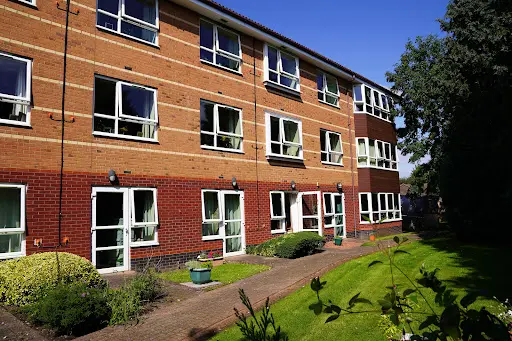
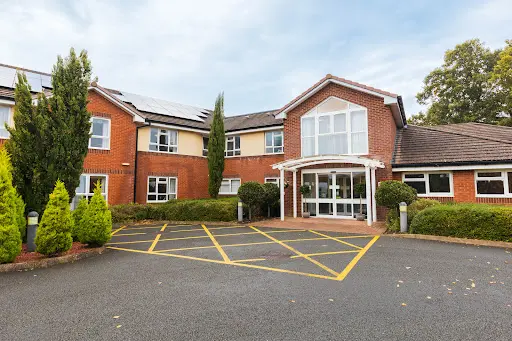
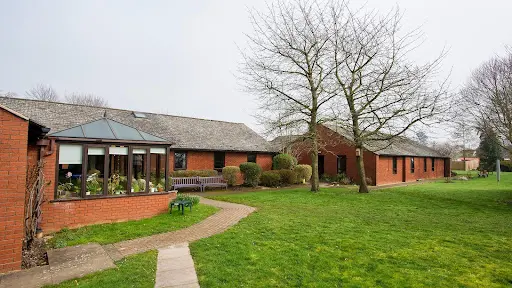
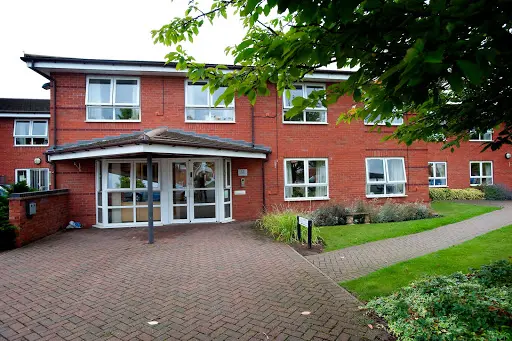
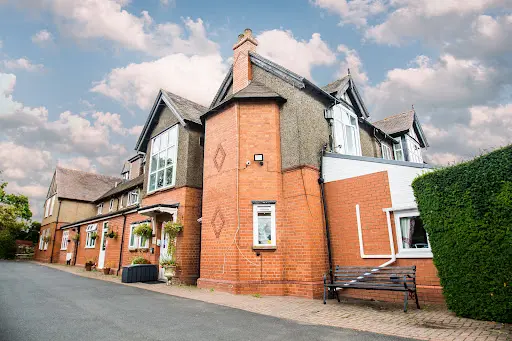
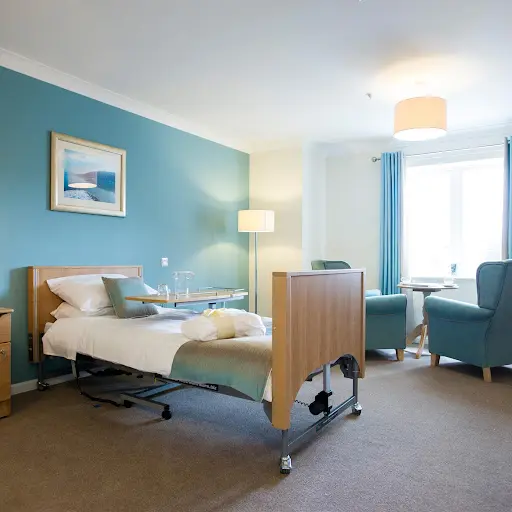
Evendine House Care Home
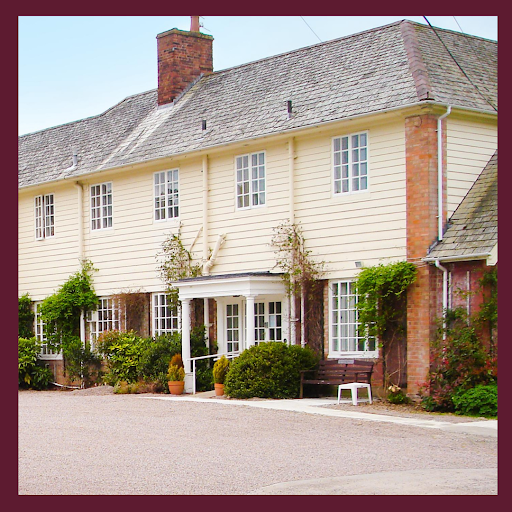
At a Glance
The information you need to decide whether this home warrants a closer look.
Residential homes
Staff warmth score
of reviewers answered yes
Good to know
- Registered beds20
- SpecialismsCaring for adults over 65 yrs, Dementia
- Last inspected2019-05-08
Save Evendine House Care Home to your shortlist
Keep a running list, add visit notes, and compare homes side-by-side. Free account — it takes a minute.
STAGE 4 — RESEARCHING CARE HOMES
Visit homes. Compare them side by side. Choose with confidence.
Most of us will view care homes the way we view houses, impression, atmosphere, the feeling in the corridor. We go home, try to remember what we saw, and make a permanent decision from a blurred memory.

The DCC shortlist gives every home you visit a structured record: the same twelve questions, answered the same way, every time. When you’re ready to choose, pull any two homes side by side and compare them directly. Same criteria, same evidence, your notes and your scores.
The Evidence
What the review data, the inspection reports, and the dementia-care evidence base tell us about this home.
What families say
The eight family priority themes
- Staff warmth62
- Compassion & dignity62
- Cleanliness62
- Activities & engagement58
- Food quality55
- Healthcare58
- Management & leadership65
- Resident happiness60
What inspectors found
Inspected 2019-05-08
Is this home safe?
Is the care effective?
The Effective domain is rated Good, covering training, care planning, healthcare access, and nutritional care. The home specialises in dementia, which implies a baseline expectation of dementia-specific knowledge among staff. No detail is available in the published report about the content of dementia training, how frequently care plans are reviewed, or how GP and specialist health services are accessed. The Good rating suggests inspectors were satisfied these elements were in place, but without specific observations or evidence it is not possible to describe what 'effective' looks like in practice at this home.Is this home caring?
The Caring domain is rated Good, which covers staff warmth, dignity, respect, and independence. This is the domain families weight most heavily in the DCC review data, with staff warmth (57.3%) and compassion and dignity (55.2%) the two highest-weighted themes of all eight measured. No direct quotes from residents or relatives are available in the published inspection text, and no specific inspector observations about staff interactions — preferred names used, unhurried pace, response to distress — are reproduced. The Good rating is meaningful but the absence of specific detail limits what can be verified independently.Is the home responsive?
The Responsive domain is rated Good, covering activities, engagement, individuality, and end-of-life care. No specific activities, timetables, resident engagement observations, or end-of-life care arrangements are described in the available inspection text. The Good rating implies inspectors found the home was responding to individual needs and preferences, but without detail it is not possible to describe what the activity offer looks like, how it is tailored for people with advanced dementia, or how families are kept informed and involved.Is the home well-led?
The Well-Led domain is rated Good, with a named Registered Manager (Miss Kirsty Louise Peplow) and Nominated Individual (Mr Geoffrey Charles Butcher) identified in the registration record. The home's improvement from Requires Improvement to Good across all domains is a meaningful indicator of leadership effectiveness — problems were identified and addressed. No detail is available about management visibility, staff culture, governance systems, or how the home handles complaints and feedback. The improvement trajectory is the most concrete positive indicator available.
Source: CQC inspection report →
What the evidence base says
The team at Evendine House cares for residents over 65, with particular experience supporting those living with dementia. This combination of general residential care and dementia support helps families find the right level of care as needs change. For residents with dementia, the home provides specialist support within their residential care setting. The team understands the particular needs that come with memory loss and works to maintain each person's comfort and dignity. All areas worth probing directly during a visit.
The DCC Verdict
Our editorial view, built from the three lenses: what families tell us, what inspectors record, and how the home sits against good dementia-care practice.
DCC Family Score
Evendine House has achieved a Good rating across all five inspection domains — a meaningful improvement from its previous Requires Improvement — but the inspection report contains very limited specific detail, meaning the score reflects positive but unverified claims rather than richly evidenced practice.
Homes in West Midlands typically score 68–82.Worth a visit
Evendine House Residential Home in Malvern is a small, 20-bed home specialising in dementia and older adult care. At its most recent official inspection in January 2019, it achieved a Good rating across all five domains — Safe, Effective, Caring, Responsive, and Well-Led. Crucially, this represents a genuine improvement from a previous Requires Improvement rating, which tells you the home identified what was wrong and fixed it. A named manager and responsible individual are in place, and the service has been monitored since without the regulator finding reason to reassess the rating downward. The important caveat for you as a family is that the inspection took place in January 2019 — over five years ago — and the published report contains very little specific detail about what inspectors actually saw, heard, or observed. You are working with a rating, not a richly evidenced picture of life inside the home. This means you need to do your own evidence-gathering on a visit. Ask specifically: how many permanent staff are on the dementia unit after 8pm, and how often do agency staff cover shifts? Ask to see a sample activity plan and find out what happens for your parent on days when group activities aren't possible. The home's willingness to answer these questions directly and specifically will tell you as much as the official rating.
The three questions to ask when you visitSave this home. Compare it against your shortlist.
Let our analysis show you how Evendine House Care Home measures up against the other homes you’re considering. Free account.
In Their Own Words
How Evendine House Care Home describes itself — collected from its own website. DCC has not edited or independently verified the content in this tab.
Residential care with dementia support in the Malvern Hills
Dedicated residential home Support in Malvern
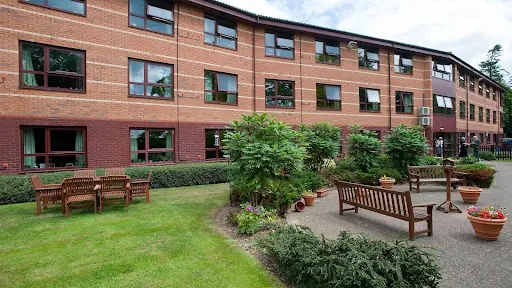
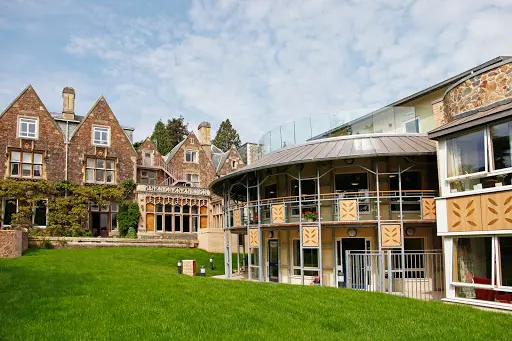
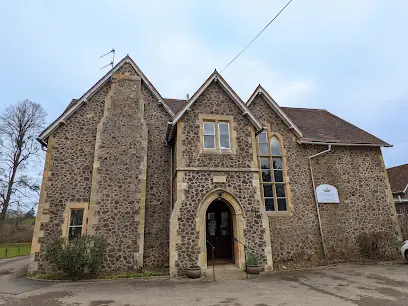
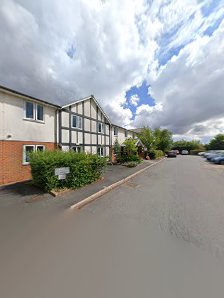
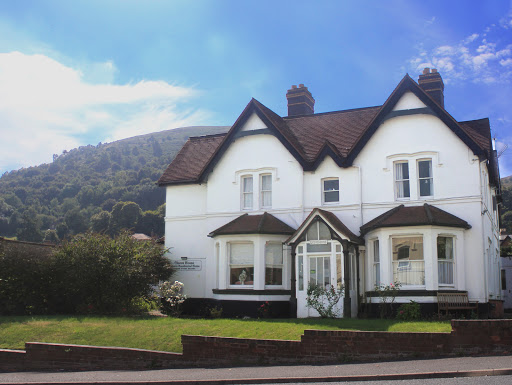
Evendine House Residential Home sits in Malvern, offering residential care for older people in the West Midlands. The home provides support for residents living with dementia alongside general residential care. Located in this historic spa town, the home serves families from across the Malvern area.
Who they care for
The team at Evendine House cares for residents over 65, with particular experience supporting those living with dementia. This combination of general residential care and dementia support helps families find the right level of care as needs change.
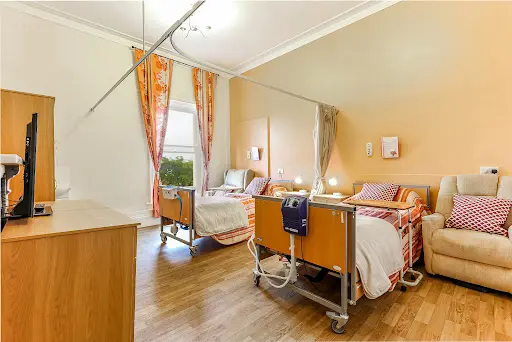
For residents with dementia, the home provides specialist support within their residential care setting. The team understands the particular needs that come with memory loss and works to maintain each person's comfort and dignity.
“If you're considering care options in the Malvern area, visiting Evendine House could help you get a feel for what they offer.”
DCC does not edit or curate content in this tab. For independently curated information, see The Evidence and DCC Verdict.
The DCC Verdict
Our editorial view, built from the three lenses: what families tell us, what inspectors record, and how the home sits against good dementia-care practice.
DCC Family Score
Evendine House has achieved a Good rating across all five inspection domains — a meaningful improvement from its previous Requires Improvement — but the inspection report contains very limited specific detail, meaning the score reflects positive but unverified claims rather than richly evidenced practice.
Homes in West Midlands typically score 68–82.Worth a visit
Evendine House Residential Home in Malvern is a small, 20-bed home specialising in dementia and older adult care. At its most recent official inspection in January 2019, it achieved a Good rating across all five domains — Safe, Effective, Caring, Responsive, and Well-Led. Crucially, this represents a genuine improvement from a previous Requires Improvement rating, which tells you the home identified what was wrong and fixed it. A named manager and responsible individual are in place, and the service has been monitored since without the regulator finding reason to reassess the rating downward. The important caveat for you as a family is that the inspection took place in January 2019 — over five years ago — and the published report contains very little specific detail about what inspectors actually saw, heard, or observed. You are working with a rating, not a richly evidenced picture of life inside the home. This means you need to do your own evidence-gathering on a visit. Ask specifically: how many permanent staff are on the dementia unit after 8pm, and how often do agency staff cover shifts? Ask to see a sample activity plan and find out what happens for your parent on days when group activities aren't possible. The home's willingness to answer these questions directly and specifically will tell you as much as the official rating.
The three questions to ask when you visitSave this home. Compare it against your shortlist.
Let our analysis show you how Evendine House Care Home measures up against the other homes you’re considering. Free account.
In Their Own Words
How Evendine House Care Home describes itself — collected from its own website. DCC has not edited or independently verified the content in this tab.
Residential care with dementia support in the Malvern Hills
Dedicated residential home Support in Malvern
Evendine House Residential Home sits in Malvern, offering residential care for older people in the West Midlands. The home provides support for residents living with dementia alongside general residential care. Located in this historic spa town, the home serves families from across the Malvern area.
Who they care for
The team at Evendine House cares for residents over 65, with particular experience supporting those living with dementia. This combination of general residential care and dementia support helps families find the right level of care as needs change.
For residents with dementia, the home provides specialist support within their residential care setting. The team understands the particular needs that come with memory loss and works to maintain each person's comfort and dignity.
“If you're considering care options in the Malvern area, visiting Evendine House could help you get a feel for what they offer.”
DCC does not edit or curate content in this tab. For independently curated information, see The Evidence and DCC Verdict.