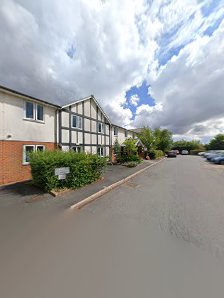
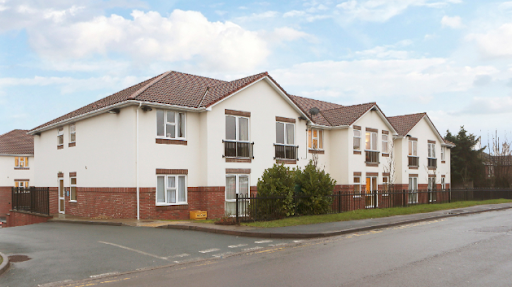
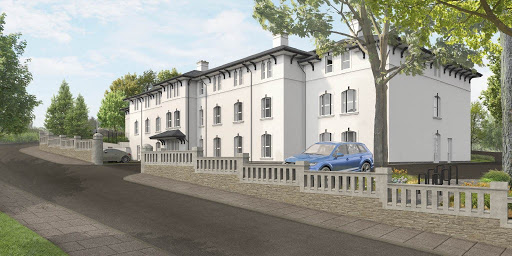
Cleeve House
At a Glance
The information you need to decide whether this home warrants a closer look.
Residential homes
Staff warmth score
of reviewers answered yes
Good to know
- Registered beds23
- SpecialismsCaring for adults over 65 yrs, Dementia
- Last inspected2019-01-04
Save Cleeve House to your shortlist
Keep a running list, add visit notes, and compare homes side-by-side. Free account — it takes a minute.
STAGE 4 — RESEARCHING CARE HOMES
Visit homes. Compare them side by side. Choose with confidence.
Most of us will view care homes the way we view houses, impression, atmosphere, the feeling in the corridor. We go home, try to remember what we saw, and make a permanent decision from a blurred memory.

The DCC shortlist gives every home you visit a structured record: the same twelve questions, answered the same way, every time. When you’re ready to choose, pull any two homes side by side and compare them directly. Same criteria, same evidence, your notes and your scores.
The Evidence
What the review data, the inspection reports, and the dementia-care evidence base tell us about this home.
What families say
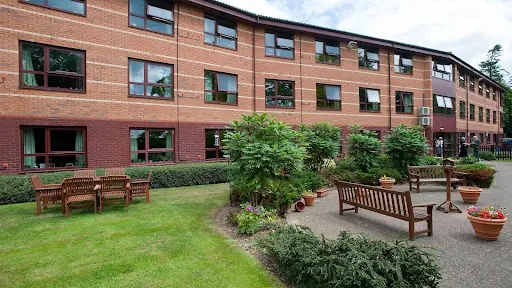
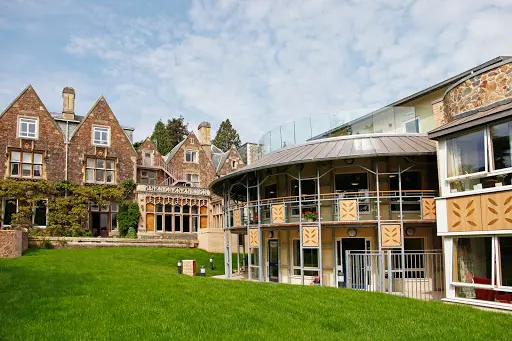
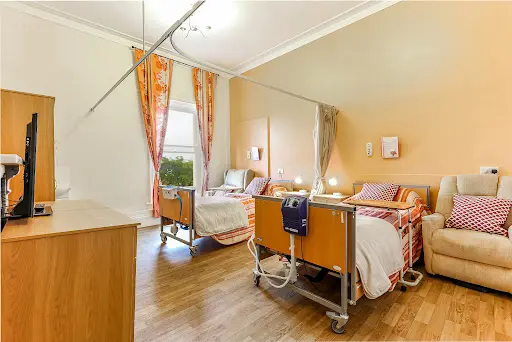
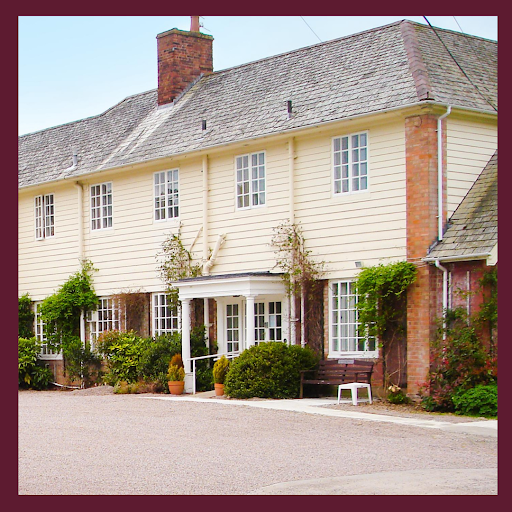
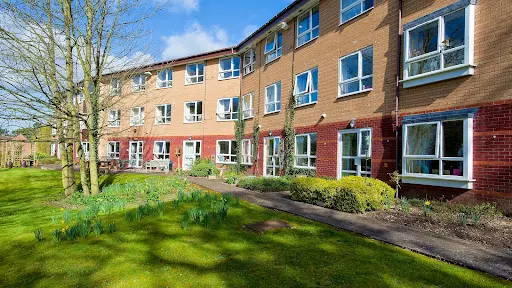
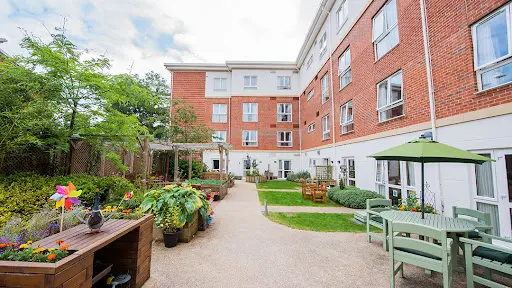
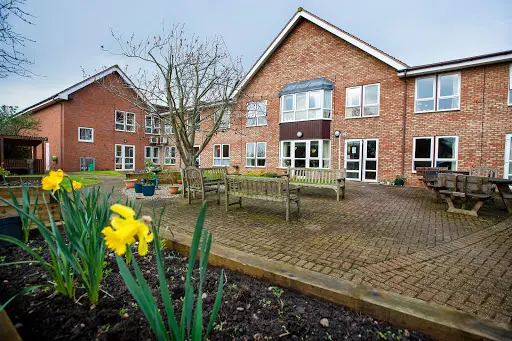
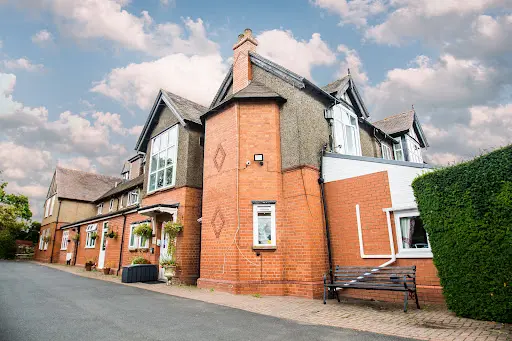
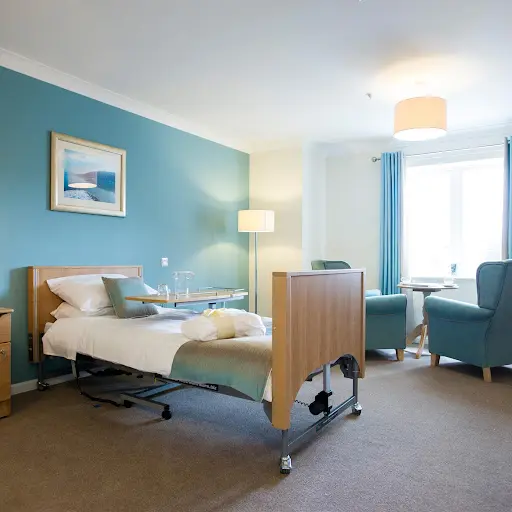
The interior feels welcoming and homely, with pleasant views creating a peaceful setting. One family found that staff engaged with their relative as an individual throughout her dementia journey, finding ways to bring moments of happiness even as her condition progressed.
The eight family priority themes
- Staff warmth55
- Compassion & dignity55
- Cleanliness55
- Activities & engagement52
- Food quality52
- Healthcare52
- Management & leadership60
- Resident happiness55
What inspectors found
Inspected 2019-01-04
Is this home safe?
Is the care effective?
The Effective domain was rated Good at the December 2018 inspection, indicating inspectors were satisfied that care planning, staff training and healthcare access met required standards. Cleeve House holds a registered specialism in dementia care, which means it has formally declared competency in this area. No specific detail about training content, GP access frequency, nutrition monitoring or care plan personalisation is available in the published report text. The July 2023 monitoring review found no reason to change this rating.Is this home caring?
The Caring domain was rated Good at the December 2018 inspection, indicating inspectors found that staff treated residents with kindness, dignity and respect. This is the domain most directly linked to the day-to-day experience of your parent. However, the published report text contains no direct quotes from residents or relatives, no specific observations of staff interactions, and no examples of how dignity or independence were promoted in practice. The monitoring review of July 2023 did not identify any deterioration in this area.Is the home responsive?
The Responsive domain was rated Good at the December 2018 inspection, suggesting inspectors found that the home was meeting individual needs and providing meaningful activities. Cleeve House is registered to care for people with dementia, which implies some tailoring of activities to this group. No specific detail about activity programmes, one-to-one engagement, complaint handling or end-of-life care planning is available in the published report text. The July 2023 monitoring review found no change to this assessment.Is the home well-led?
The Well-led domain was rated Good at the December 2018 inspection, and named leadership is recorded: Mrs Rebecca Pamela Mavis Finch is the registered manager, and Mr Darren John Mills is the nominated individual. This structure indicates formal accountability is in place. No detail is available about management visibility on the floor, staff culture, quality assurance processes, or how the home handles complaints and concerns. The monitoring review of July 2023 found no evidence requiring a reassessment.
Source: CQC inspection report →
What the evidence base says
The home specialises in caring for adults over 65, with particular experience in dementia care. Staff here understand that dementia doesn't erase the person. One family described how carers continued to find ways to connect emotionally with their relative, sustaining meaningful moments right through to end-of-life care. All areas worth probing directly during a visit.
The DCC Verdict
Our editorial view, built from the three lenses: what families tell us, what inspectors record, and how the home sits against good dementia-care practice.
DCC Family Score
Cleeve House holds a Good rating across all five inspection domains, but the inspection report available contains very limited specific detail, meaning scores reflect confirmed positive status rather than rich evidential depth — families should seek direct answers to fill the gaps.
Homes in West Midlands typically score 68–82.The three-lens summary
What families tell us
The interior feels welcoming and homely, with pleasant views creating a peaceful setting. One family found that staff engaged with their relative as an individual throughout her dementia journey, finding ways to bring moments of happiness even as her condition progressed.
What inspectors have recorded
How it sits against good practice
For families facing dementia's challenges, knowing that care extends beyond physical needs can lift an enormous weight.
Worth a visit
Cleeve House in Malvern is a small, 23-bed residential home specialising in care for people over 65 and those living with dementia. At its most recent full inspection in December 2018 — with findings published in January 2019 — it was rated Good across all five domains: safe, effective, caring, responsive and well-led. A monitoring review carried out in July 2023 found no evidence that the rating needed to change. For a small home with a defined registered manager and nominated individual in place, that consistency is a positive baseline signal. The key limitation here is that the published inspection text provides almost no specific detail about day-to-day life at Cleeve House — no resident quotes, no staff observations, no examples of dementia care in practice. A Good rating from 2018, however broadly maintained, is now over six years old, and the care home sector has changed significantly since then. Before visiting, prepare a list of specific questions: ask how many staff are on duty after 8pm and overnight; ask whether your parent would receive one-to-one time if group activities were not right for them; ask how families are kept informed and how often care plans are reviewed. When you visit, watch how staff interact with residents in corridors and communal spaces — unhurried, by-name interactions are one of the clearest indicators of a genuinely caring culture that no inspection rating can fully capture.
The three questions to ask when you visitSave this home. Compare it against your shortlist.
Let our analysis show you how Cleeve House measures up against the other homes you’re considering. Free account.
In Their Own Words
How Cleeve House describes itself — collected from its own website. DCC has not edited or independently verified the content in this tab.
Thoughtful dementia care that recognises the person within
Dedicated residential home Support in Malvern
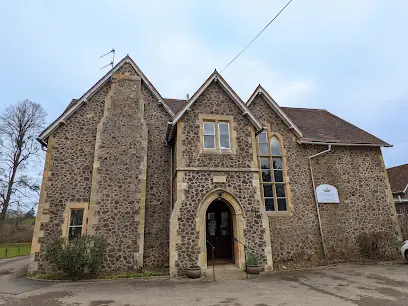
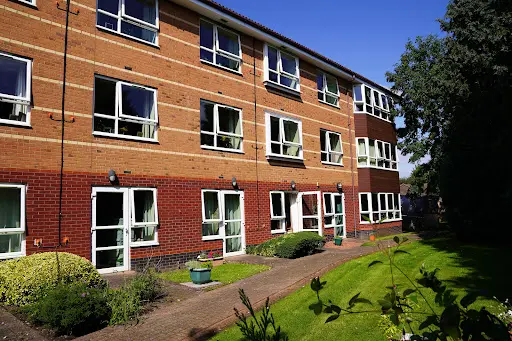
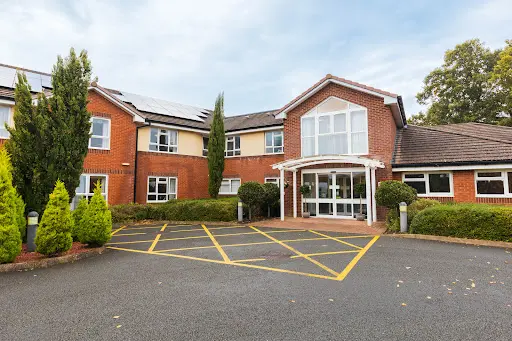
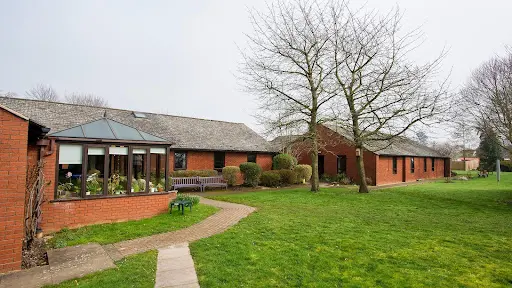
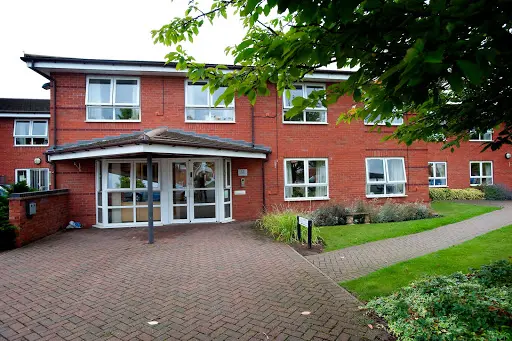
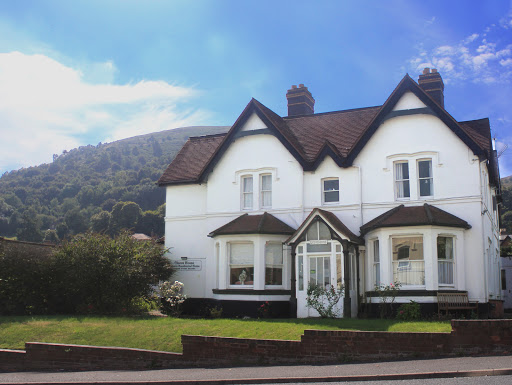
When dementia changes everything, finding care that sees beyond the condition becomes precious. Cleeve House in Malvern provides specialist support for older adults, including those living with dementia. The home sits in a residential area with views stretching out to the Malvern Hills from its rear windows.
Who they care for
The home specialises in caring for adults over 65, with particular experience in dementia care.
Staff here understand that dementia doesn't erase the person. One family described how carers continued to find ways to connect emotionally with their relative, sustaining meaningful moments right through to end-of-life care.
“For families facing dementia's challenges, knowing that care extends beyond physical needs can lift an enormous weight.”
DCC does not edit or curate content in this tab. For independently curated information, see The Evidence and DCC Verdict.
The DCC Verdict
Our editorial view, built from the three lenses: what families tell us, what inspectors record, and how the home sits against good dementia-care practice.
DCC Family Score
Cleeve House holds a Good rating across all five inspection domains, but the inspection report available contains very limited specific detail, meaning scores reflect confirmed positive status rather than rich evidential depth — families should seek direct answers to fill the gaps.
Homes in West Midlands typically score 68–82.The three-lens summary
What families tell us
The interior feels welcoming and homely, with pleasant views creating a peaceful setting. One family found that staff engaged with their relative as an individual throughout her dementia journey, finding ways to bring moments of happiness even as her condition progressed.
What inspectors have recorded
How it sits against good practice
For families facing dementia's challenges, knowing that care extends beyond physical needs can lift an enormous weight.
Worth a visit
Cleeve House in Malvern is a small, 23-bed residential home specialising in care for people over 65 and those living with dementia. At its most recent full inspection in December 2018 — with findings published in January 2019 — it was rated Good across all five domains: safe, effective, caring, responsive and well-led. A monitoring review carried out in July 2023 found no evidence that the rating needed to change. For a small home with a defined registered manager and nominated individual in place, that consistency is a positive baseline signal. The key limitation here is that the published inspection text provides almost no specific detail about day-to-day life at Cleeve House — no resident quotes, no staff observations, no examples of dementia care in practice. A Good rating from 2018, however broadly maintained, is now over six years old, and the care home sector has changed significantly since then. Before visiting, prepare a list of specific questions: ask how many staff are on duty after 8pm and overnight; ask whether your parent would receive one-to-one time if group activities were not right for them; ask how families are kept informed and how often care plans are reviewed. When you visit, watch how staff interact with residents in corridors and communal spaces — unhurried, by-name interactions are one of the clearest indicators of a genuinely caring culture that no inspection rating can fully capture.
The three questions to ask when you visitSave this home. Compare it against your shortlist.
Let our analysis show you how Cleeve House measures up against the other homes you’re considering. Free account.
In Their Own Words
How Cleeve House describes itself — collected from its own website. DCC has not edited or independently verified the content in this tab.
Thoughtful dementia care that recognises the person within
Dedicated residential home Support in Malvern
When dementia changes everything, finding care that sees beyond the condition becomes precious. Cleeve House in Malvern provides specialist support for older adults, including those living with dementia. The home sits in a residential area with views stretching out to the Malvern Hills from its rear windows.
Who they care for
The home specialises in caring for adults over 65, with particular experience in dementia care.
Staff here understand that dementia doesn't erase the person. One family described how carers continued to find ways to connect emotionally with their relative, sustaining meaningful moments right through to end-of-life care.
“For families facing dementia's challenges, knowing that care extends beyond physical needs can lift an enormous weight.”
DCC does not edit or curate content in this tab. For independently curated information, see The Evidence and DCC Verdict.