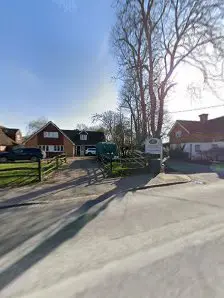
Barchester – Dudwell St Mary Care Home
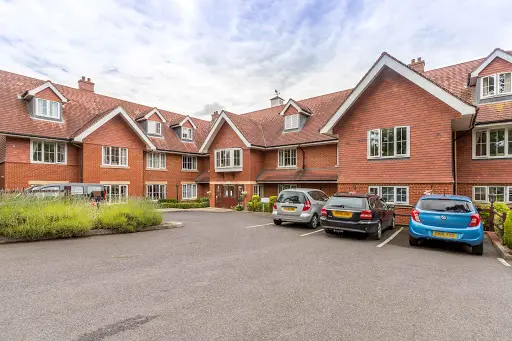
At a Glance
The information you need to decide whether this home warrants a closer look.
Nursing homes
Staff warmth score
of reviewers answered yes
Good to know
- Registered beds65
- SpecialismsCaring for adults over 65 yrs, Dementia
- Last inspected2018-09-28
Save Barchester – Dudwell St Mary Care Home to your shortlist
Keep a running list, add visit notes, and compare homes side-by-side. Free account — it takes a minute.
STAGE 4 — RESEARCHING CARE HOMES
Visit homes. Compare them side by side. Choose with confidence.
Most of us will view care homes the way we view houses, impression, atmosphere, the feeling in the corridor. We go home, try to remember what we saw, and make a permanent decision from a blurred memory.

The DCC shortlist gives every home you visit a structured record: the same twelve questions, answered the same way, every time. When you’re ready to choose, pull any two homes side by side and compare them directly. Same criteria, same evidence, your notes and your scores.
The Evidence
What the review data, the inspection reports, and the dementia-care evidence base tell us about this home.
What families say
What strikes families most is how staff learn each resident's individual routines and preferences. People describe seeing their relatives visibly relaxed and engaged in thoughtful activities. The whole team, from carers to kitchen staff, creates an atmosphere where smiles seem to come naturally.
The eight family priority themes
- Staff warmth72
- Compassion & dignity72
- Cleanliness70
- Activities & engagement68
- Food quality68
- Healthcare70
- Management & leadership72
- Resident happiness70
What inspectors found
Inspected 2018-09-28
Is this home safe?
Is the care effective?
The home received a Good rating for Effective in August 2018, covering care planning, staff training, healthcare access, and nutritional care. The published inspection summary does not include specific findings about care plan quality, dementia training content, GP access frequency, or how food quality and choice are managed. As with the other domains, the July 2023 monitoring review did not involve an on-site assessment. No detail is available about whether care plans are treated as living documents updated with changing needs.Is this home caring?
Dudwell St Mary was rated Good for Caring in August 2018. This domain covers staff warmth, dignity, respect for privacy, and whether residents are supported to maintain independence. The published summary contains no specific inspector observations, no recorded quotes from residents or relatives, and no examples of how staff responded to distress or communicated with people with dementia. The rating is a positive signal but provides no granular picture of day-to-day interactions.Is the home responsive?
The home was rated Good for Responsive in August 2018. This domain covers whether activities are meaningful and tailored to individuals, whether the home responds to changing needs, and whether end-of-life care is planned and personalised. The published summary includes no specific activity examples, no detail about how one-to-one engagement is provided for residents with advanced dementia, and no information about complaint handling or end-of-life planning processes. As a dementia-specialist home, the responsiveness of programming to individual cognitive stages is a particularly important area to explore directly.Is the home well-led?
Dudwell St Mary was rated Good for Well-led in August 2018, with a named registered manager, Mrs Emma Louise Rich-Spice, listed in the registration record. The home is operated by Barchester Healthcare Homes Limited, a large national provider. The published summary contains no specific detail about management visibility, staff culture, governance systems, or how the home responds to incidents and complaints. The July 2023 monitoring review found no new evidence requiring reassessment, but this was a data review rather than a site inspection. It is not known whether the same manager remains in post.
Source: CQC inspection report →
What the evidence base says
The home provides specialist dementia care alongside general support for people over 65. Their approach focuses on understanding each person's unique needs and maintaining their dignity throughout their care journey. Staff show particular skill in engaging with people living with dementia, taking time to understand individual communication styles and preferences. Families describe seeing their relatives participating in activities and maintaining social connections in ways that feel natural and unforced. All areas worth probing directly during a visit.
The DCC Verdict
Our editorial view, built from the three lenses: what families tell us, what inspectors record, and how the home sits against good dementia-care practice.
DCC Family Score
Dudwell St Mary was rated Good across all five domains at its only published inspection, but the report is from August 2018, now over six years old. The scores reflect a positive baseline with significant uncertainty about current practice, given the age of the evidence.
Homes in South East typically score 68–82.The three-lens summary
What families tell us
What strikes families most is how staff learn each resident's individual routines and preferences. People describe seeing their relatives visibly relaxed and engaged in thoughtful activities. The whole team, from carers to kitchen staff, creates an atmosphere where smiles seem to come naturally.
What inspectors have recorded
Communication with families appears to be a real strength here. Relatives describe feeling properly informed and included in care decisions. The management team seems to have created a culture where every staff member understands their role in supporting residents' wellbeing.
How it sits against good practice
For families facing difficult decisions about dementia care, finding somewhere that combines professional expertise with genuine warmth can make all the difference.
Worth a visit
Dudwell St Mary, a 65-bed nursing home in Burwash run by Barchester Healthcare Homes Limited, was rated Good across all five inspection domains at its last inspection in August 2018. The home specialises in nursing care for people over 65, including those living with dementia. A named registered manager was in post at the time of inspection, and all domain ratings, covering safety, effectiveness, caring, responsiveness, and leadership, came back positive. The regulator reviewed available information in July 2023 and found no reason to change the rating at that stage. The most important thing to know before visiting is that the inspection evidence is now more than six years old. Good practice in dementia care changes, staffing teams turn over, and a home's culture can shift significantly in that time. The July 2023 monitoring review used data rather than an on-site visit, so it cannot tell you what daily life looks like today. When you visit, focus on what you can observe directly: how staff speak to residents in corridors, whether the environment carries clear dementia-friendly signage, and how confident the manager is when answering specific questions about night staffing ratios, agency use, and dementia training. Use the checklist questions in this report as your starting point.
The three questions to ask when you visitSave this home. Compare it against your shortlist.
Let our analysis show you how Barchester – Dudwell St Mary Care Home measures up against the other homes you’re considering. Free account.
In Their Own Words
How Barchester – Dudwell St Mary Care Home describes itself — collected from its own website. DCC has not edited or independently verified the content in this tab.
Where gentle care meets genuine warmth in the Sussex countryside
Dudwell St Mary – Expert Care in Burwash
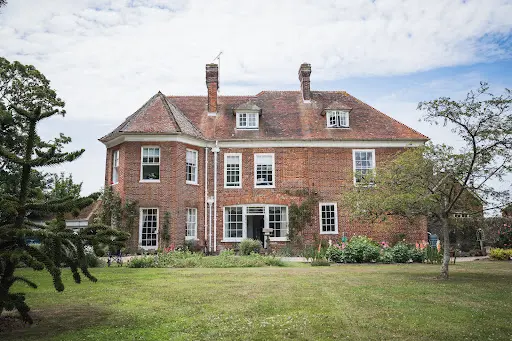
Families searching for dementia care often describe feeling overwhelmed by the decision ahead. At Dudwell St Mary in Burwash, visitors consistently find something that eases those worries — a care team who treat every resident with patience and real understanding. Set in the peaceful Sussex countryside, this home has built its reputation on taking time to know each person properly.
Who they care for
The home provides specialist dementia care alongside general support for people over 65. Their approach focuses on understanding each person's unique needs and maintaining their dignity throughout their care journey.
Staff show particular skill in engaging with people living with dementia, taking time to understand individual communication styles and preferences. Families describe seeing their relatives participating in activities and maintaining social connections in ways that feel natural and unforced.
“For families facing difficult decisions about dementia care, finding somewhere that combines professional expertise with genuine warmth can make all the difference.”
DCC does not edit or curate content in this tab. For independently curated information, see The Evidence and DCC Verdict.
The DCC Verdict
Our editorial view, built from the three lenses: what families tell us, what inspectors record, and how the home sits against good dementia-care practice.
DCC Family Score
Dudwell St Mary was rated Good across all five domains at its only published inspection, but the report is from August 2018, now over six years old. The scores reflect a positive baseline with significant uncertainty about current practice, given the age of the evidence.
Homes in South East typically score 68–82.The three-lens summary
What families tell us
What strikes families most is how staff learn each resident's individual routines and preferences. People describe seeing their relatives visibly relaxed and engaged in thoughtful activities. The whole team, from carers to kitchen staff, creates an atmosphere where smiles seem to come naturally.
What inspectors have recorded
Communication with families appears to be a real strength here. Relatives describe feeling properly informed and included in care decisions. The management team seems to have created a culture where every staff member understands their role in supporting residents' wellbeing.
How it sits against good practice
For families facing difficult decisions about dementia care, finding somewhere that combines professional expertise with genuine warmth can make all the difference.
Worth a visit
Dudwell St Mary, a 65-bed nursing home in Burwash run by Barchester Healthcare Homes Limited, was rated Good across all five inspection domains at its last inspection in August 2018. The home specialises in nursing care for people over 65, including those living with dementia. A named registered manager was in post at the time of inspection, and all domain ratings, covering safety, effectiveness, caring, responsiveness, and leadership, came back positive. The regulator reviewed available information in July 2023 and found no reason to change the rating at that stage. The most important thing to know before visiting is that the inspection evidence is now more than six years old. Good practice in dementia care changes, staffing teams turn over, and a home's culture can shift significantly in that time. The July 2023 monitoring review used data rather than an on-site visit, so it cannot tell you what daily life looks like today. When you visit, focus on what you can observe directly: how staff speak to residents in corridors, whether the environment carries clear dementia-friendly signage, and how confident the manager is when answering specific questions about night staffing ratios, agency use, and dementia training. Use the checklist questions in this report as your starting point.
The three questions to ask when you visitSave this home. Compare it against your shortlist.
Let our analysis show you how Barchester – Dudwell St Mary Care Home measures up against the other homes you’re considering. Free account.
In Their Own Words
How Barchester – Dudwell St Mary Care Home describes itself — collected from its own website. DCC has not edited or independently verified the content in this tab.
Where gentle care meets genuine warmth in the Sussex countryside
Dudwell St Mary – Expert Care in Burwash
Families searching for dementia care often describe feeling overwhelmed by the decision ahead. At Dudwell St Mary in Burwash, visitors consistently find something that eases those worries — a care team who treat every resident with patience and real understanding. Set in the peaceful Sussex countryside, this home has built its reputation on taking time to know each person properly.
Who they care for
The home provides specialist dementia care alongside general support for people over 65. Their approach focuses on understanding each person's unique needs and maintaining their dignity throughout their care journey.
Staff show particular skill in engaging with people living with dementia, taking time to understand individual communication styles and preferences. Families describe seeing their relatives participating in activities and maintaining social connections in ways that feel natural and unforced.
Management & ethos
Communication with families appears to be a real strength here. Relatives describe feeling properly informed and included in care decisions. The management team seems to have created a culture where every staff member understands their role in supporting residents' wellbeing.
The home & environment
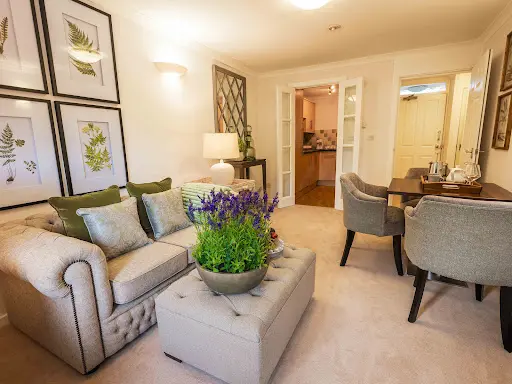
The home maintains high standards of cleanliness throughout, something families particularly value. Visitors often mention being offered tea and homemade cake — small touches that help everyone feel welcome. The surrounding countryside views add a sense of peace to daily life.
“For families facing difficult decisions about dementia care, finding somewhere that combines professional expertise with genuine warmth can make all the difference.”
DCC does not edit or curate content in this tab. For independently curated information, see The Evidence and DCC Verdict.