Claremont Care Home
At a Glance
The information you need to decide whether this home warrants a closer look.
Nursing homes
Staff warmth score
of reviewers answered yes
Good to know
- Registered beds63
- SpecialismsCaring for adults over 65 yrs, Caring for adults under 65 yrs, Dementia
- Last inspected2023-10-03
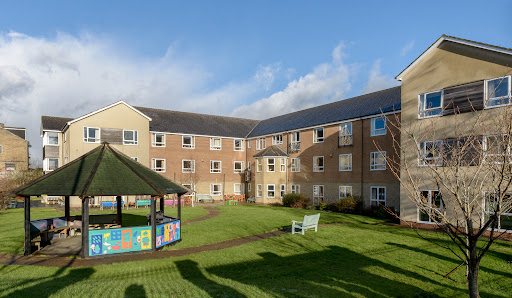
- Activities programmeThe home maintains high standards of cleanliness throughout, which families particularly appreciate. While the building itself is more functional than decorative, the focus remains firmly on creating a clean, safe environment for residents.
- Visit Website
The Evidence
What the review data, the inspection reports, and the dementia-care evidence base tell us about this home.
What families say
Visitors often comment on how settled and content residents seem here. The staff create a welcoming environment where families feel comfortable visiting, and there's a real sense of community among those who live here despite any challenges.
Based on 11 Google reviews · 0 reviews on carehome.co.uk · most recent 2026-04-10
The eight family priority themes
- Staff warmth70
- Compassion & dignity70
- Cleanliness70
- Activities & engagement60
- Food quality60
- Healthcare70
- Management & leadership72
- Resident happiness65
What inspectors found
Inspected 2023-10-03 · Report published 2023-10-03 · Inspected 8 times in the last three years
Is this home safe?
{"found":"The home was rated Good for Safe at its August 2024 assessment. This domain covers staffing levels, medicines management, infection control, and how the home manages risk. The previous rating in this domain was not specified separately, but the overall improvement from Inadequate to Good suggests material changes were made. No specific detail about night staffing ratios, falls management, or infection control practice is available in the published text.","quotes":[],"family_meaning":"A Good rating for Safe is reassuring after a period of Inadequate performance, but it does not answer the questions that matter most at night. Good Practice research from the Leeds Beckett rapid evidence review identifies night shifts as the period when safety most commonly slips, particularly in homes caring for people with dementia who may be at risk of falls or disorientation in the dark. Without knowing the specific staffing numbers after 8pm, or how the home handles a sudden deterioration, the rating alone is not enough to be confident. Agency staff reliance is another factor worth pressing on, because consistency of faces matters enormously to someone with dementia. Ask to see last week's rota, not a planned version.","evidence_base":"The Leeds Beckett rapid evidence review found that agency staff reliance is one of the strongest predictors of inconsistent care quality, because people with dementia rely on recognising familiar faces to feel safe and settled.","watch_out":"Ask the manager: how many permanent staff, by name, were on the dementia unit last Saturday night, and how many were agency? Then ask to see the actual rota rather than the planned one."}
Is the care effective?
{"found":"The home was rated Good for Effective at its August 2024 assessment. This domain covers care planning, training, healthcare access, nutrition, and how well the home understands and meets individual needs. The home lists dementia as a specialism, which implies a duty to demonstrate dementia-specific expertise. No detail about the content of staff training, care plan review cycles, GP access arrangements, or food quality is available in the published summary.","quotes":[],"family_meaning":"A Good rating for Effective means inspectors were satisfied that care planning and training met the standard at the time of the visit. For a home specialising in dementia care, what matters most is whether that training goes beyond a basic awareness course. Our Good Practice evidence base, drawn from 61 studies, finds that dementia-specific training focused on understanding behaviour as communication, rather than as a problem to manage, produces measurably better outcomes for residents. Food quality is also a telling indicator: 20.9% of positive reviews in our family review data specifically mention mealtimes. Ask to have lunch there before you decide.","evidence_base":"The IFF Research and Leeds Beckett rapid evidence review found that dementia training focused on understanding the meaning behind behaviour, rather than simply managing it, is associated with lower use of antipsychotic medication and better resident wellbeing.","watch_out":"Ask the registered manager: what specific dementia training have care staff completed in the last 12 months, who delivered it, and how is learning checked in practice? A confident, specific answer is a good sign. A vague one is not."}
Is this home caring?
{"found":"The home was rated Good for Caring at its August 2024 assessment. This domain covers staff warmth, dignity, respect, and how well the home supports independence. Staff warmth is the single strongest driver of family satisfaction in our review data, cited in 57.3% of positive reviews. However, no verbatim inspector observations, resident quotes, or specific examples of caring practice appear in the published summary for this home.","quotes":[],"family_meaning":"A Good rating for Caring is the most important rating on this list if your parent has dementia, because the quality of day-to-day human interaction matters far more than any policy document. Our family review data shows that 55.2% of positive reviews specifically mention compassion and dignity. The practical signals to look for on a visit are small ones: does a member of staff walking past your parent in the corridor stop, make eye contact, and use their preferred name? Are staff moving at a calm pace, or rushing between tasks? These moments are not in any inspection report, but they are what your parent will experience every day. The absence of specific detail in the published findings means you need to observe this yourself.","evidence_base":"Good Practice research identifies non-verbal communication, including tone of voice, facial expression, and physical proximity, as equally important as verbal interaction for people with dementia, particularly those who have lost the ability to use language reliably.","watch_out":"On your visit, sit quietly in a communal area for 20 minutes without announcing yourself. Watch how staff interact with residents who are not asking for anything. Are those interactions warm and unhurried, or functional and brief?"}
Is the home responsive?
{"found":"The home was rated Good for Responsive at its August 2024 assessment. This domain covers whether the home meets individual needs, provides meaningful activities, handles complaints well, and plans appropriately for end of life. The home cares for people with dementia as a named specialism, which means individual responsiveness should extend to people at all stages of cognitive decline. No detail about the activities programme, one-to-one engagement, complaint records, or end-of-life planning is available in the published text.","quotes":[],"family_meaning":"Activities and engagement are cited positively in 21.4% of family reviews in our dataset, but the concern for families of people with dementia is not whether there is a bingo session on Wednesday. It is whether your parent, if they can no longer join a group, will receive any individual attention at all. Good Practice research consistently shows that one-to-one engagement, including simple everyday tasks like folding, sorting, or reminiscence conversations, produces better wellbeing outcomes than group activities alone. Because the published report contains no specific information on this, it is one of the most important things to ask about directly.","evidence_base":"The Leeds Beckett rapid evidence review found that Montessori-based and task-focused individual activities, including everyday household tasks adapted to ability, significantly reduce agitation and improve mood in people with moderate to advanced dementia.","watch_out":"Ask the activities coordinator: if my parent can no longer join a group session, what would happen on a typical afternoon? Who would spend time with them, for how long, and what would that look like? Ask to see the activity records for a resident with advanced dementia from last month."}
Is the home well-led?
{"found":"The home was rated Good for Well-led at its August 2024 assessment. A named registered manager and nominated individual are recorded. The improvement from an overall Inadequate rating to Good across all domains within a single inspection cycle suggests that leadership changes or interventions have had a measurable effect. No detail about management visibility, staff culture, complaint handling, or how the home has embedded the improvements is available in the published summary.","quotes":[],"family_meaning":"Leadership stability is one of the strongest predictors of sustained quality in a care home. Our Good Practice evidence base finds that manager tenure and consistent leadership are more reliably associated with good outcomes than any single policy or procedure. The fact that this home has moved from Inadequate to Good is genuinely positive, but the question for you is whether the improvements are embedded or whether the home is fragile. A home that has recently turned around can sometimes slip back if key people leave or if occupancy rises quickly. Ask how long the current registered manager has been in post, and what specifically changed to produce the improvement.","evidence_base":"The IFF Research and Leeds Beckett rapid evidence review found that leadership stability and a culture in which staff feel confident to raise concerns are the two factors most strongly associated with sustained improvement in care quality over time.","watch_out":"Ask the registered manager directly: how long have you been in post, what were the main changes made after the Inadequate rating, and what does the inspection follow-up process look like now? A manager who can answer this clearly and without defensiveness is a positive sign."}
Source: CQC inspection report →
What the evidence base says
Against the DCC Good Practice in Dementia Care standards, this home’s evidence aligns most strongly on The home provides specialist care for adults both under and over 65, including those living with dementia.. Gaps or open questions remain on Staff demonstrate professional skill and dignity when supporting residents with dementia-related needs, understanding how to provide compassionate care during challenging times. — areas worth probing directly during a visit.
The DCC Verdict
Our editorial view, built from the three lenses: what families tell us, what inspectors record, and how the home sits against good dementia-care practice.
DCC Family Score
Claremont Care Home scores 72 out of 100, reflecting a meaningful turnaround from an Inadequate rating to Good across all five inspection domains. However, the published report contains limited specific detail, so several areas important to families could not be independently verified.
Homes in Yorkshire & Humberside typically score 68–82.The three-lens summary
What families tell us
Visitors often comment on how settled and content residents seem here. The staff create a welcoming environment where families feel comfortable visiting, and there's a real sense of community among those who live here despite any challenges.
What inspectors have recorded
Staff here are known for their friendly, approachable manner and professional nursing skills. They keep families connected through regular updates and video calls, and show particular competence when caring for residents with complex medical conditions.
How it sits against good practice
For families seeking nursing care that balances clinical expertise with genuine human warmth, Claremont offers reassuring professional support.
Worth a visit
Claremont Care Home, in Farsley, Leeds, was assessed in August 2024 and rated Good across all five inspection domains: Safe, Effective, Caring, Responsive, and Well-led. This is a significant improvement from a previous rating of Inadequate, and the turnaround is worth noting. The home cares for up to 63 people, including adults with dementia and those under 65, and is registered under Park Homes (UK) Limited. The main caution here is that the published report contains very little specific detail. Ratings alone do not tell you what the staff are actually like on a Tuesday afternoon, whether your parent will be spoken to kindly at breakfast, or how the home manages a dementia-related crisis at midnight. Because the full inspection text was not available for this analysis, almost all of the evidence checklist items fall into the category of things to ask the home directly. Before making a decision, visit in person, ask to see last week's actual staffing rota rather than a template, and speak to a family member whose relative already lives there.
The three questions to ask when you visitSave this home. Compare it against your shortlist.
Let our analysis show you how Claremont Care Home measures up against the other homes you’re considering. Free account.
In Their Own Words
How Claremont Care Home describes itself — collected from its own website. DCC has not edited or independently verified the content in this tab.
Where skilled nursing meets genuine warmth in West Yorkshire
Claremont Care Home – Expert Care in Farsley
When families need nursing care that combines professional expertise with real human connection, Claremont Care Home in Farsley offers both. The home specialises in supporting residents with complex medical needs while maintaining an atmosphere where people feel genuinely welcomed and valued.
Who they care for
The home provides specialist care for adults both under and over 65, including those living with dementia.
Staff demonstrate professional skill and dignity when supporting residents with dementia-related needs, understanding how to provide compassionate care during challenging times.
Management & ethos
Staff here are known for their friendly, approachable manner and professional nursing skills. They keep families connected through regular updates and video calls, and show particular competence when caring for residents with complex medical conditions.
The home & environment
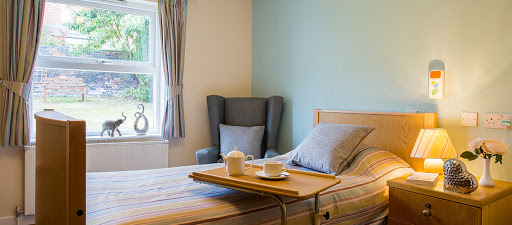
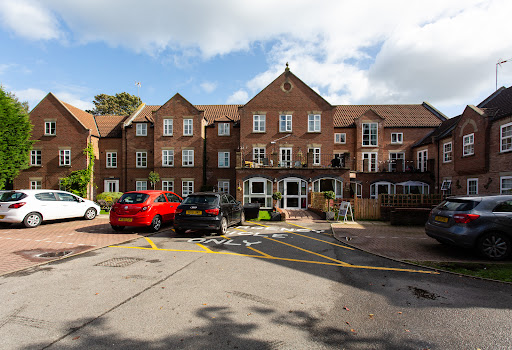
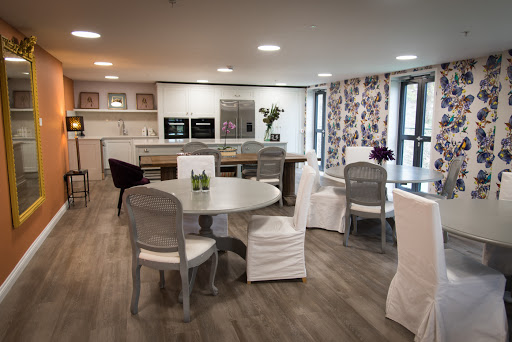
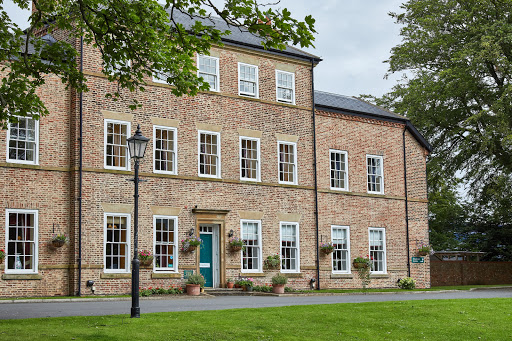
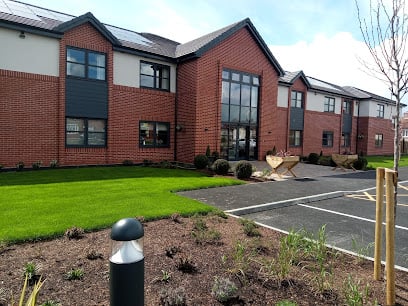
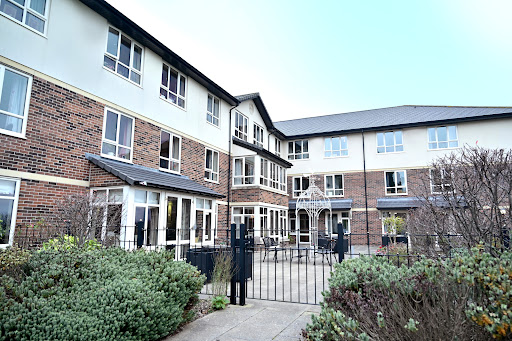
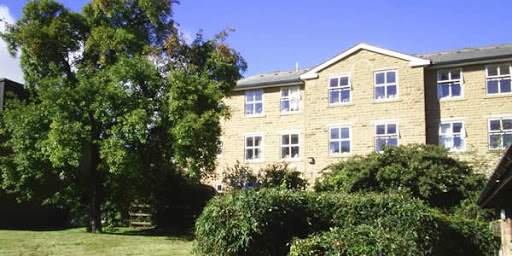
The home maintains high standards of cleanliness throughout, which families particularly appreciate. While the building itself is more functional than decorative, the focus remains firmly on creating a clean, safe environment for residents.
“For families seeking nursing care that balances clinical expertise with genuine human warmth, Claremont offers reassuring professional support.”
DCC does not edit or curate content in this tab. For independently curated information, see The Evidence and DCC Verdict.