Chertsey Parklands Manor Care Home – Avery Collection
At a Glance
The information you need to decide whether this home warrants a closer look.
Nursing homes
Staff warmth score
of reviewers answered yes
Good to know
- Registered beds95
- SpecialismsCaring for adults over 65 yrs, Caring for adults under 65 yrs, Dementia, Physical disabilities, Sensory impairment
- Last inspected2022-07-07
Save Chertsey Parklands Manor Care Home – Avery Collection to your shortlist
Keep a running list, add visit notes, and compare homes side-by-side. Free account — it takes a minute.
STAGE 4 — RESEARCHING CARE HOMES
Visit homes. Compare them side by side. Choose with confidence.
Most of us will view care homes the way we view houses, impression, atmosphere, the feeling in the corridor. We go home, try to remember what we saw, and make a permanent decision from a blurred memory.

The DCC shortlist gives every home you visit a structured record: the same twelve questions, answered the same way, every time. When you’re ready to choose, pull any two homes side by side and compare them directly. Same criteria, same evidence, your notes and your scores.
The Evidence
What the review data, the inspection reports, and the dementia-care evidence base tell us about this home.
What families say
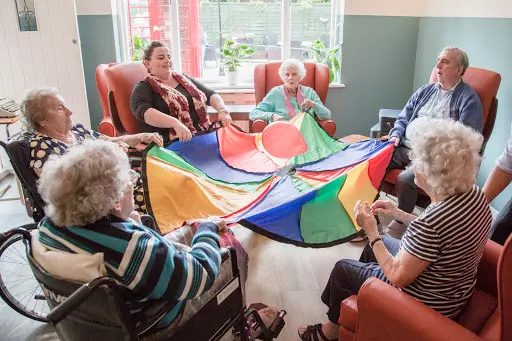
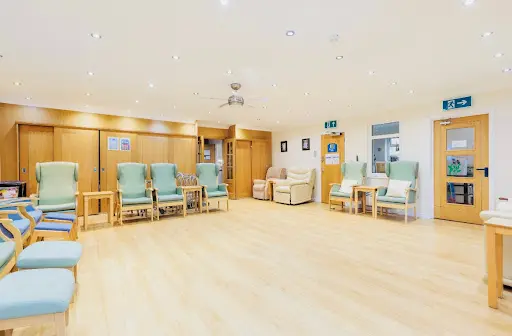
What strikes families most is how staff talk to residents — real conversations, not that sing-song voice some care homes adopt. Residents join in with entertainers, work on puzzles, or just enjoy the newspapers in the communal areas. The atmosphere feels relaxed and purposeful, with people genuinely engaged in what's happening around them.
The eight family priority themes
- Staff warmth78
- Compassion & dignity78
- Cleanliness75
- Activities & engagement70
- Food quality70
- Healthcare75
- Management & leadership75
- Resident happiness72
What inspectors found
Inspected 2022-07-07
Is this home safe?
Is the care effective?
The home was rated Good for effectiveness at its August 2025 inspection. Effectiveness covers how well the home translates care plans into practice, whether staff have the right training (including dementia-specific training), whether residents have regular access to GPs and healthcare professionals, and whether food meets individual dietary needs. The published text available for this analysis does not include specific detail on any of these areas beyond the Good rating itself. The home's registered specialisms include dementia and sensory impairment, which requires staff competence beyond general nursing.Is this home caring?
The home was rated Good for caring at its August 2025 inspection. Caring covers staff warmth, dignity, respect, and whether residents' independence is supported rather than managed away. Staff warmth is the single highest-weighted theme in our family review data, appearing in 57.3% of positive reviews. Compassion and dignity follow closely at 55.2%. The published inspection text does not include specific inspector observations, resident testimony, or relative quotes on this domain, so the rating cannot be contextualised with direct evidence here.Is the home responsive?
The home was rated Good for responsiveness at its August 2025 inspection. Responsiveness covers whether the home tailors its offer to individual residents: activities that match personal interests and cognitive ability, a complaints process that is taken seriously, and end-of-life care that reflects what the person would have wanted. The home's registered specialisms include dementia, physical disabilities, and sensory impairment, each of which requires a different approach to activities and engagement. The published text does not include specific detail on activity provision, individual engagement, or complaints handling beyond the Good rating.Is the home well-led?
The home was rated Good for well-led at its August 2025 inspection. Two registered managers (Arturas Repkovas and Gabriela Smith) are named, alongside nominated individual Natasha Southall, suggesting a defined leadership structure. Well-led covers whether the manager is visible and known to residents and staff, whether the culture supports staff to raise concerns, and whether governance systems pick up problems before they escalate. The published text does not include detail on manager tenure, staff satisfaction, or how the home uses audits and feedback to drive improvement.
Source: CQC inspection report →
What the evidence base says
The home supports younger adults under 65 alongside older residents, accommodating physical disabilities and sensory impairments. They're equipped for the complex needs that can arise when someone has multiple health challenges. Families managing dementia describe consistent, patient support that helps their loved ones feel secure. Staff understand how to communicate when words become difficult, maintaining that crucial sense of connection even as cognitive abilities change. All areas worth probing directly during a visit.
The DCC Verdict
Our editorial view, built from the three lenses: what families tell us, what inspectors record, and how the home sits against good dementia-care practice.
DCC Family Score
Chertsey Parklands Manor was rated Good across all five inspection domains in August 2025, which is a positive baseline. However, the published report text available for this analysis contains limited specific detail, so scores reflect confirmed Good ratings rather than rich observational evidence.
Homes in South East typically score 68–82.The three-lens summary
What families tell us
What strikes families most is how staff talk to residents — real conversations, not that sing-song voice some care homes adopt. Residents join in with entertainers, work on puzzles, or just enjoy the newspapers in the communal areas. The atmosphere feels relaxed and purposeful, with people genuinely engaged in what's happening around them.
What inspectors have recorded
Staff clearly know their residents well, picking up on changing needs and adjusting support accordingly. During lockdown, families particularly valued the online updates and photos that kept them connected. The team's consistency shows — the same friendly faces building relationships with residents over months and years, not just passing through.
How it sits against good practice
It's the everyday kindness that seems to make the difference here — staff who remember how someone likes their tea, who notice when they need a bit more support today than yesterday.
Worth a visit
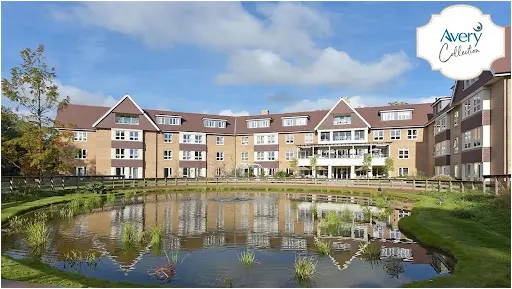
Chertsey Parklands Manor Care Home, on Parklands Drive in Chertsey, was rated Good across all five inspection domains at its most recent inspection on 13 August 2025, with the report published in November 2025. The home is a 95-bed nursing home registered to support people with dementia, physical disabilities, and sensory impairments, as well as adults of working age. Two registered managers are in post, and a nominated individual provides oversight. A Good rating across all domains is a solid and reassuring baseline. The main uncertainty here is that the full inspection report text was not available for detailed analysis, which means this Family View cannot confirm specific observations about staff warmth, meal quality, activity provision, or night-time safety. A Good rating tells you the home met the standard; it does not tell you how it felt on the day. Before you decide, visit in person at a time that includes a mealtime if possible, ask to see last week's actual staffing rotas (not templates), and ask the manager directly how many permanent versus agency carers were on night shifts in the past month. Those three steps will tell you far more than any published rating alone.
The three questions to ask when you visitSave this home. Compare it against your shortlist.
Let our analysis show you how Chertsey Parklands Manor Care Home – Avery Collection measures up against the other homes you’re considering. Free account.
In Their Own Words
How Chertsey Parklands Manor Care Home – Avery Collection describes itself — collected from its own website. DCC has not edited or independently verified the content in this tab.
Where residents keep their spark through every stage of care
Dedicated nursing home Support in Chertsey
When you walk through Chertsey Parklands Manor Care Home in Surrey, you'll notice residents chatting with staff like old friends, not just being looked after. Families describe how their loved ones maintain their dignity here, whether they're dealing with dementia, physical disabilities, or simply the challenges of getting older. The care adapts as needs change, but the respect never wavers.
Who they care for
The home supports younger adults under 65 alongside older residents, accommodating physical disabilities and sensory impairments. They're equipped for the complex needs that can arise when someone has multiple health challenges.
Families managing dementia describe consistent, patient support that helps their loved ones feel secure. Staff understand how to communicate when words become difficult, maintaining that crucial sense of connection even as cognitive abilities change.
“It's the everyday kindness that seems to make the difference here — staff who remember how someone likes their tea, who notice when they need a bit more support today than yesterday.”
DCC does not edit or curate content in this tab. For independently curated information, see The Evidence and DCC Verdict.
The DCC Verdict
Our editorial view, built from the three lenses: what families tell us, what inspectors record, and how the home sits against good dementia-care practice.
DCC Family Score
Chertsey Parklands Manor was rated Good across all five inspection domains in August 2025, which is a positive baseline. However, the published report text available for this analysis contains limited specific detail, so scores reflect confirmed Good ratings rather than rich observational evidence.
Homes in South East typically score 68–82.The three-lens summary
What families tell us
What strikes families most is how staff talk to residents — real conversations, not that sing-song voice some care homes adopt. Residents join in with entertainers, work on puzzles, or just enjoy the newspapers in the communal areas. The atmosphere feels relaxed and purposeful, with people genuinely engaged in what's happening around them.
What inspectors have recorded
Staff clearly know their residents well, picking up on changing needs and adjusting support accordingly. During lockdown, families particularly valued the online updates and photos that kept them connected. The team's consistency shows — the same friendly faces building relationships with residents over months and years, not just passing through.
How it sits against good practice
It's the everyday kindness that seems to make the difference here — staff who remember how someone likes their tea, who notice when they need a bit more support today than yesterday.
Worth a visit
Chertsey Parklands Manor Care Home, on Parklands Drive in Chertsey, was rated Good across all five inspection domains at its most recent inspection on 13 August 2025, with the report published in November 2025. The home is a 95-bed nursing home registered to support people with dementia, physical disabilities, and sensory impairments, as well as adults of working age. Two registered managers are in post, and a nominated individual provides oversight. A Good rating across all domains is a solid and reassuring baseline. The main uncertainty here is that the full inspection report text was not available for detailed analysis, which means this Family View cannot confirm specific observations about staff warmth, meal quality, activity provision, or night-time safety. A Good rating tells you the home met the standard; it does not tell you how it felt on the day. Before you decide, visit in person at a time that includes a mealtime if possible, ask to see last week's actual staffing rotas (not templates), and ask the manager directly how many permanent versus agency carers were on night shifts in the past month. Those three steps will tell you far more than any published rating alone.
The three questions to ask when you visitSave this home. Compare it against your shortlist.
Let our analysis show you how Chertsey Parklands Manor Care Home – Avery Collection measures up against the other homes you’re considering. Free account.
In Their Own Words
How Chertsey Parklands Manor Care Home – Avery Collection describes itself — collected from its own website. DCC has not edited or independently verified the content in this tab.
Where residents keep their spark through every stage of care
Dedicated nursing home Support in Chertsey
When you walk through Chertsey Parklands Manor Care Home in Surrey, you'll notice residents chatting with staff like old friends, not just being looked after. Families describe how their loved ones maintain their dignity here, whether they're dealing with dementia, physical disabilities, or simply the challenges of getting older. The care adapts as needs change, but the respect never wavers.
Who they care for
The home supports younger adults under 65 alongside older residents, accommodating physical disabilities and sensory impairments. They're equipped for the complex needs that can arise when someone has multiple health challenges.
Families managing dementia describe consistent, patient support that helps their loved ones feel secure. Staff understand how to communicate when words become difficult, maintaining that crucial sense of connection even as cognitive abilities change.
Management & ethos
Staff clearly know their residents well, picking up on changing needs and adjusting support accordingly. During lockdown, families particularly valued the online updates and photos that kept them connected. The team's consistency shows — the same friendly faces building relationships with residents over months and years, not just passing through.
The home & environment
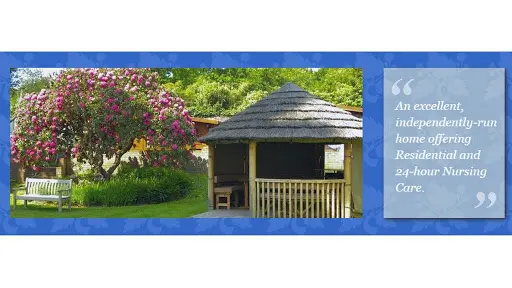
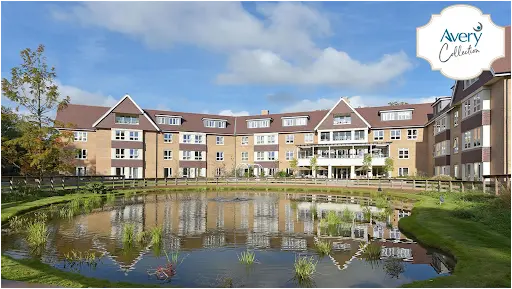
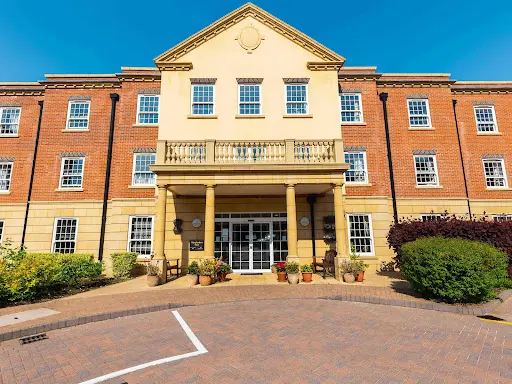
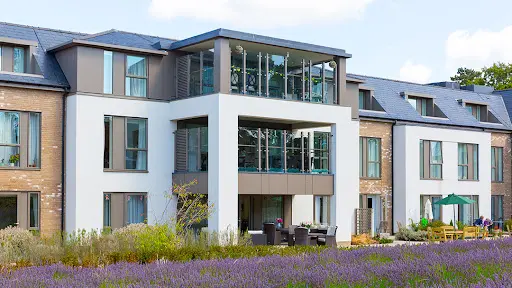
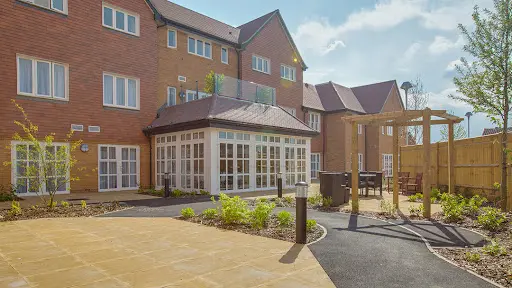
The gardens get plenty of use, with residents enjoying outdoor activities when weather permits. Inside, the communal spaces and individual apartments are kept fresh and welcoming, with families commenting on the cleanliness and thoughtful decoration. The kitchen turns out proper meals that residents actually look forward to, with the cafe providing a social hub between mealtimes.
“It's the everyday kindness that seems to make the difference here — staff who remember how someone likes their tea, who notice when they need a bit more support today than yesterday.”
DCC does not edit or curate content in this tab. For independently curated information, see The Evidence and DCC Verdict.