Chertsey Parklands Manor Care Home – Avery Collection
At a Glance
The information you need to decide whether this home warrants a closer look.
Nursing homes
Staff warmth score
of reviewers answered yes
Good to know
- Registered beds95
- SpecialismsCaring for adults over 65 yrs, Caring for adults under 65 yrs, Dementia, Physical disabilities, Sensory impairment
- Last inspected2022-07-07
Save Chertsey Parklands Manor Care Home – Avery Collection to your shortlist
Keep a running list, add visit notes, and compare homes side-by-side. Free account — it takes a minute.
STAGE 4 — RESEARCHING CARE HOMES
Visit homes. Compare them side by side. Choose with confidence.
Most of us will view care homes the way we view houses, impression, atmosphere, the feeling in the corridor. We go home, try to remember what we saw, and make a permanent decision from a blurred memory.

The DCC shortlist gives every home you visit a structured record: the same twelve questions, answered the same way, every time. When you’re ready to choose, pull any two homes side by side and compare them directly. Same criteria, same evidence, your notes and your scores.
The Evidence
What the review data, the inspection reports, and the dementia-care evidence base tell us about this home.
What families say
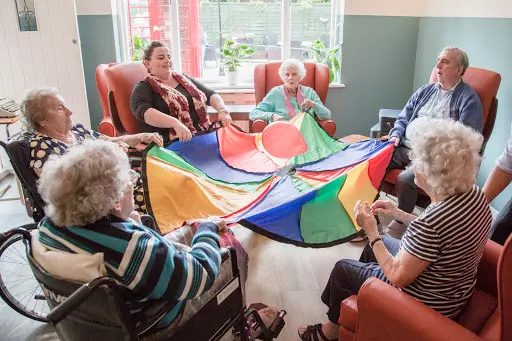
Families talk about the genuine friendliness they encounter from the moment they arrive. Staff greet everyone warmly and take time to get to know residents as individuals. The regular entertainment and activities happen both inside and in the gardens, with team members joining in rather than just supervising. People describe feeling their relatives have found a real social world here.
The eight family priority themes
- Staff warmth72
- Compassion & dignity72
- Cleanliness70
- Activities & engagement65
- Food quality65
- Healthcare70
- Management & leadership72
- Resident happiness68
What inspectors found
Inspected 2022-07-07
Is this home safe?
Is the care effective?
The Effective domain was rated Good at the October 2025 inspection. This domain covers how well the home assesses needs, writes and reviews care plans, supports health through GP and specialist access, provides training to staff, and attends to nutrition and hydration. The published report does not include specific examples of care planning practice, training records, or healthcare arrangements. The rating is confirmed; the evidence behind it is not.Is this home caring?
The Caring domain was rated Good at the October 2025 inspection. This domain covers how staff treat residents: whether they are kind, patient, and respectful; whether privacy and dignity are upheld; and whether residents are supported to be as independent as possible. No direct observations, resident quotes, or relative feedback are recorded in the published findings. The Good rating is confirmed, but the texture of daily life for your parent cannot be assessed from the published text alone.Is the home responsive?
The Responsive domain was rated Good at the October 2025 inspection. This domain covers whether the home responds to individual needs and preferences, provides meaningful activities, handles complaints well, and plans appropriately for end of life. The home is registered for dementia care, physical disabilities, and sensory impairments, which signals an expectation of tailored, individualised responses. However, no specific activities, individual engagement plans, or complaint-handling examples are described in the published report.Is the home well-led?
The Well-led domain was rated Good at the October 2025 inspection. Two registered managers are named (Mr Arturas Repkovas and Mrs Gabriela Smith), and a nominated individual (Mrs Natasha Southall) is identified. Having two registered managers in a 95-bed nursing home is not unusual and can reflect a deliberate split of clinical and operational responsibility. Beyond the names and the rating, the published report provides no detail about management visibility, staff culture, governance systems, or how the home responds to concerns and incidents.
Source: CQC inspection report →
What the evidence base says
The home caters for adults of all ages with various needs including dementia, physical disabilities, and sensory impairments. They also support younger adults under 65 who need residential care. For residents living with dementia, the team adjusts their care as cognitive abilities change. Staff maintain a respectful tone throughout, understanding how to provide support without being patronising. All areas worth probing directly during a visit.
The DCC Verdict
Our editorial view, built from the three lenses: what families tell us, what inspectors record, and how the home sits against good dementia-care practice.
DCC Family Score
Chertsey Parklands Manor Care Home was rated Good across all five inspection domains in October 2025, which is a positive baseline. However, the published report contains very limited specific detail, observations, or direct testimony, so scores reflect a confirmed Good rating with insufficient evidence to push into the higher bands.
Homes in South East typically score 68–82.The three-lens summary
What families tell us
Families talk about the genuine friendliness they encounter from the moment they arrive. Staff greet everyone warmly and take time to get to know residents as individuals. The regular entertainment and activities happen both inside and in the gardens, with team members joining in rather than just supervising. People describe feeling their relatives have found a real social world here.
What inspectors have recorded
The team shows particular skill in supporting residents through difficult times, including providing sensitive end-of-life care that maintains dignity and comfort. Families appreciate the daily care reports and photo updates, especially those who live far away. Staff adapt their approach for residents with dementia, avoiding any hint of talking down while ensuring everyone gets the support they need.
How it sits against good practice
The structured welcome process helps new residents settle in comfortably, setting the tone for the considerate care that follows.
Worth a visit
Chertsey Parklands Manor Care Home was assessed in October 2025 and rated Good across all five inspection domains: Safe, Effective, Caring, Responsive, and Well-led. The home is run by Willowbrook Healthcare Limited and has two registered managers in post. It is registered to provide nursing care for adults over and under 65, including people living with dementia, physical disabilities, and sensory impairments, across 95 beds. The main limitation of this report is that the published text provides almost no specific detail behind the Good ratings. There are no direct observations, no resident or relative quotes, and no figures for staffing, incidents, or activities. A Good rating is a meaningful baseline, but it tells you little about day-to-day life for your parent. Before making a decision, visit in person, ask to see last week's actual staffing rota (not a template), and spend time watching how staff interact with residents in corridors and at mealtimes. The questions in the checklist below are the ones this inspection did not answer.
The three questions to ask when you visitSave this home. Compare it against your shortlist.
Let our analysis show you how Chertsey Parklands Manor Care Home – Avery Collection measures up against the other homes you’re considering. Free account.
In Their Own Words
How Chertsey Parklands Manor Care Home – Avery Collection describes itself — collected from its own website. DCC has not edited or independently verified the content in this tab.
Where warmth and dignity shape every day of care
Compassionate Care in Chertsey at Chertsey Parklands Manor Care Home
Finding the right care home means looking for somewhere that treats your loved one with genuine respect and kindness. Chertsey Parklands Manor Care Home in Surrey has built its reputation on providing dignified, personalised care that adapts as residents' needs change. The home welcomes people living with dementia, physical disabilities, and sensory impairments, creating a supportive environment where everyone feels valued.
Who they care for
The home caters for adults of all ages with various needs including dementia, physical disabilities, and sensory impairments. They also support younger adults under 65 who need residential care.
For residents living with dementia, the team adjusts their care as cognitive abilities change. Staff maintain a respectful tone throughout, understanding how to provide support without being patronising.
“The structured welcome process helps new residents settle in comfortably, setting the tone for the considerate care that follows.”
DCC does not edit or curate content in this tab. For independently curated information, see The Evidence and DCC Verdict.
The DCC Verdict
Our editorial view, built from the three lenses: what families tell us, what inspectors record, and how the home sits against good dementia-care practice.
DCC Family Score
Chertsey Parklands Manor Care Home was rated Good across all five inspection domains in October 2025, which is a positive baseline. However, the published report contains very limited specific detail, observations, or direct testimony, so scores reflect a confirmed Good rating with insufficient evidence to push into the higher bands.
Homes in South East typically score 68–82.The three-lens summary
What families tell us
Families talk about the genuine friendliness they encounter from the moment they arrive. Staff greet everyone warmly and take time to get to know residents as individuals. The regular entertainment and activities happen both inside and in the gardens, with team members joining in rather than just supervising. People describe feeling their relatives have found a real social world here.
What inspectors have recorded
The team shows particular skill in supporting residents through difficult times, including providing sensitive end-of-life care that maintains dignity and comfort. Families appreciate the daily care reports and photo updates, especially those who live far away. Staff adapt their approach for residents with dementia, avoiding any hint of talking down while ensuring everyone gets the support they need.
How it sits against good practice
The structured welcome process helps new residents settle in comfortably, setting the tone for the considerate care that follows.
Worth a visit
Chertsey Parklands Manor Care Home was assessed in October 2025 and rated Good across all five inspection domains: Safe, Effective, Caring, Responsive, and Well-led. The home is run by Willowbrook Healthcare Limited and has two registered managers in post. It is registered to provide nursing care for adults over and under 65, including people living with dementia, physical disabilities, and sensory impairments, across 95 beds. The main limitation of this report is that the published text provides almost no specific detail behind the Good ratings. There are no direct observations, no resident or relative quotes, and no figures for staffing, incidents, or activities. A Good rating is a meaningful baseline, but it tells you little about day-to-day life for your parent. Before making a decision, visit in person, ask to see last week's actual staffing rota (not a template), and spend time watching how staff interact with residents in corridors and at mealtimes. The questions in the checklist below are the ones this inspection did not answer.
The three questions to ask when you visitSave this home. Compare it against your shortlist.
Let our analysis show you how Chertsey Parklands Manor Care Home – Avery Collection measures up against the other homes you’re considering. Free account.
In Their Own Words
How Chertsey Parklands Manor Care Home – Avery Collection describes itself — collected from its own website. DCC has not edited or independently verified the content in this tab.
Where warmth and dignity shape every day of care
Compassionate Care in Chertsey at Chertsey Parklands Manor Care Home
Finding the right care home means looking for somewhere that treats your loved one with genuine respect and kindness. Chertsey Parklands Manor Care Home in Surrey has built its reputation on providing dignified, personalised care that adapts as residents' needs change. The home welcomes people living with dementia, physical disabilities, and sensory impairments, creating a supportive environment where everyone feels valued.
Who they care for
The home caters for adults of all ages with various needs including dementia, physical disabilities, and sensory impairments. They also support younger adults under 65 who need residential care.
For residents living with dementia, the team adjusts their care as cognitive abilities change. Staff maintain a respectful tone throughout, understanding how to provide support without being patronising.
Management & ethos
The team shows particular skill in supporting residents through difficult times, including providing sensitive end-of-life care that maintains dignity and comfort. Families appreciate the daily care reports and photo updates, especially those who live far away. Staff adapt their approach for residents with dementia, avoiding any hint of talking down while ensuring everyone gets the support they need.
The home & environment
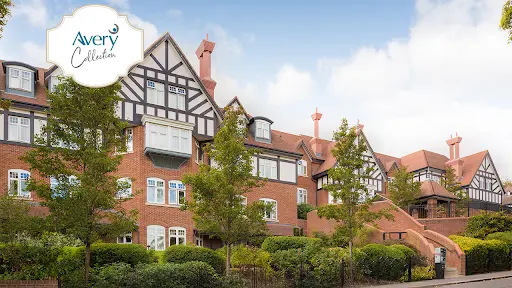
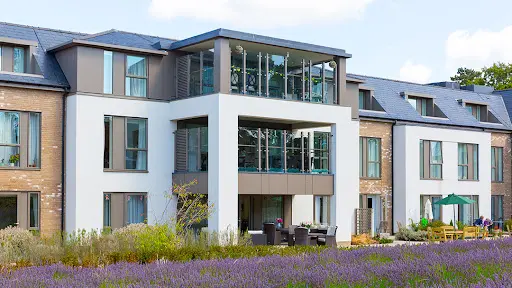
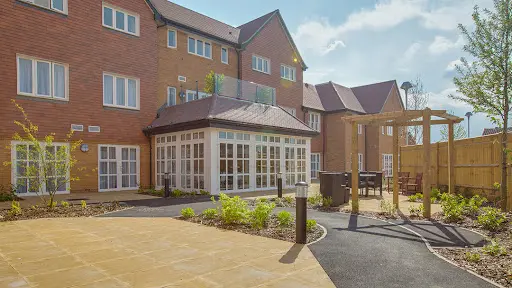
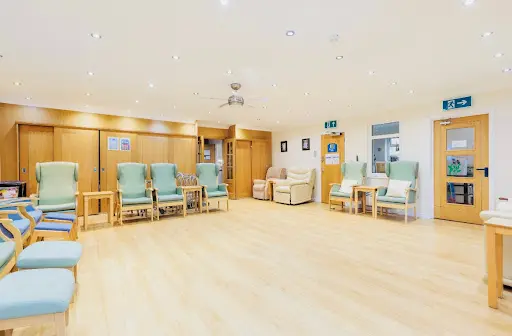
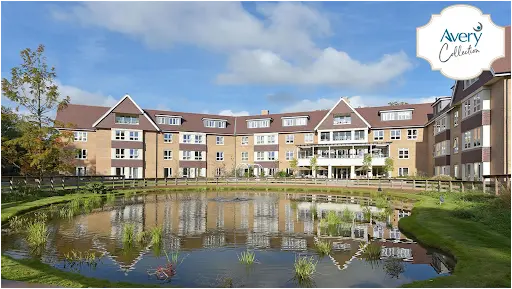
The food consistently gets praise for its quality and variety, with residents clearly enjoying their meals. The home itself is kept spotlessly clean and well-maintained, with comfortable spaces for socialising and attractive gardens that residents use regularly. Everything feels fresh and well-cared for.
“The structured welcome process helps new residents settle in comfortably, setting the tone for the considerate care that follows.”
DCC does not edit or curate content in this tab. For independently curated information, see The Evidence and DCC Verdict.