Cheriton Care Home | Agincare

At a Glance
The information you need to decide whether this home warrants a closer look.
Residential homes
Staff warmth score
of reviewers answered yes
Good to know
- Registered beds71
- SpecialismsCaring for adults over 65 yrs, Caring for adults under 65 yrs, Dementia
- Last inspected2022-07-22
Save Cheriton Care Home | Agincare to your shortlist
Keep a running list, add visit notes, and compare homes side-by-side. Free account — it takes a minute.
STAGE 4 — RESEARCHING CARE HOMES
Visit homes. Compare them side by side. Choose with confidence.
Most of us will view care homes the way we view houses, impression, atmosphere, the feeling in the corridor. We go home, try to remember what we saw, and make a permanent decision from a blurred memory.

The DCC shortlist gives every home you visit a structured record: the same twelve questions, answered the same way, every time. When you’re ready to choose, pull any two homes side by side and compare them directly. Same criteria, same evidence, your notes and your scores.
The Evidence
What the review data, the inspection reports, and the dementia-care evidence base tell us about this home.
What families say
Families appreciate the effort individual staff members put into caring for residents. The team tries to create meaningful moments, with one family describing how staff arranged a special gathering that brought everyone together.
The eight family priority themes
- Staff warmth72
- Compassion & dignity72
- Cleanliness72
- Activities & engagement65
- Food quality65
- Healthcare70
- Management & leadership75
- Resident happiness70
What inspectors found
Inspected 2022-07-22
Is this home safe?
Is the care effective?
The inspection rated this domain Good. Effectiveness covers training, care planning, healthcare access, and nutrition. The home's specialisms include dementia care for both older and younger adults, which means staff should be equipped to support a wide range of needs. The published summary does not describe the content of dementia training, the quality of care plans, or how the home manages GP access and health monitoring.Is this home caring?
The inspection rated this domain Good. Caring covers staff warmth, dignity, respect, and support for independence. For a home supporting people living with dementia, this domain is particularly important because residents may not always be able to tell you themselves how they are being treated. The published summary does not include specific inspector observations of staff interactions, resident testimony, or examples of how dignity was maintained in practice.Is the home responsive?
The inspection rated this domain Good. Responsiveness covers activities, individual engagement, and end-of-life care. The home supports people living with dementia as well as adults under 65, which means the activities programme needs to be broad and adaptable. The published summary does not describe specific activities, how the programme is tailored to individuals, or what arrangements are in place for end-of-life care.Is the home well-led?
The inspection rated this domain Good. A named registered manager, Mrs Raina Marina Taylor Taylor-Summerson, is in post, and a nominated individual, Mr Matthew James Dennis-Andrews, is identified for the provider organisation. The home has moved from a Requires Improvement rating to Good, which suggests leadership has driven meaningful improvement. The published summary does not describe management visibility, staff culture, how feedback is acted on, or how long the current manager has been in post.
Source: CQC inspection report →
What the evidence base says
The home cares for adults both over and under 65, including people living with dementia. For residents with dementia, the emotional impact of transitions can be particularly challenging. Families stress the importance of maintaining familiar belongings and routines during the adjustment period. All areas worth probing directly during a visit.
The DCC Verdict
Our editorial view, built from the three lenses: what families tell us, what inspectors record, and how the home sits against good dementia-care practice.
DCC Family Score
Cheriton Care Home scores 74 out of 100, reflecting a solid Good rating across all five inspection domains and a meaningful improvement from a previous Requires Improvement rating. The score is held back by limited specific detail in the published report, meaning several themes can only be assessed as present rather than confirmed with direct observations or testimony.
Homes in South West typically score 68–82.The three-lens summary
What families tell us
Families appreciate the effort individual staff members put into caring for residents. The team tries to create meaningful moments, with one family describing how staff arranged a special gathering that brought everyone together.
What inspectors have recorded
While staff show caring attitudes, families have found it difficult to stay connected with their loved ones by phone. Getting through can take several attempts, which has been an ongoing source of worry for some families.
How it sits against good practice
If you're considering Cheriton, it's worth visiting to see how their caring approach might work for your family's needs.
Worth a visit
Cheriton Care Home, at 10 Weymouth Avenue in Dorchester, was assessed in November 2024 and rated Good across all five inspection domains: Safe, Effective, Caring, Responsive, and Well-led. This is a significant improvement from a previous Requires Improvement rating, which suggests the home has made real and sustained changes rather than a one-off uplift. A named registered manager is in post and a clear organisational structure is in place. The home cares for up to 71 people, including adults living with dementia and adults under 65, which makes the breadth of that Good rating encouraging. The main limitation here is that the published inspection summary provides ratings but very little specific detail about what inspectors actually observed. That means this report cannot tell you, with confidence, how warm the staff are with your parent, what the food is like, how the building works for someone living with dementia, or how the home manages night staffing. These are exactly the questions our review data shows families care about most. On your visit, ask to see a recent staffing rota (not just a template), walk the dementia unit at a mealtime, and ask the registered manager how the home has changed since the previous Requires Improvement rating and what evidence they can show you.
The three questions to ask when you visitSave this home. Compare it against your shortlist.
Let our analysis show you how Cheriton Care Home | Agincare measures up against the other homes you’re considering. Free account.
In Their Own Words
How Cheriton Care Home | Agincare describes itself — collected from its own website. DCC has not edited or independently verified the content in this tab.
Caring staff work hard in this traditional Dorchester home
Cheriton Care Home – Your Trusted residential home
When you're looking for care in Dorchester, you want to know the people looking after your loved one genuinely care. At Cheriton Care Home, families report that staff members show real warmth and dedication, even when facing day-to-day challenges. The home provides support for people living with dementia and offers care for both younger and older adults.
Who they care for
The home cares for adults both over and under 65, including people living with dementia.
For residents with dementia, the emotional impact of transitions can be particularly challenging. Families stress the importance of maintaining familiar belongings and routines during the adjustment period.
“If you're considering Cheriton, it's worth visiting to see how their caring approach might work for your family's needs.”
DCC does not edit or curate content in this tab. For independently curated information, see The Evidence and DCC Verdict.
The DCC Verdict
Our editorial view, built from the three lenses: what families tell us, what inspectors record, and how the home sits against good dementia-care practice.
DCC Family Score
Cheriton Care Home scores 74 out of 100, reflecting a solid Good rating across all five inspection domains and a meaningful improvement from a previous Requires Improvement rating. The score is held back by limited specific detail in the published report, meaning several themes can only be assessed as present rather than confirmed with direct observations or testimony.
Homes in South West typically score 68–82.The three-lens summary
What families tell us
Families appreciate the effort individual staff members put into caring for residents. The team tries to create meaningful moments, with one family describing how staff arranged a special gathering that brought everyone together.
What inspectors have recorded
While staff show caring attitudes, families have found it difficult to stay connected with their loved ones by phone. Getting through can take several attempts, which has been an ongoing source of worry for some families.
How it sits against good practice
If you're considering Cheriton, it's worth visiting to see how their caring approach might work for your family's needs.
Worth a visit
Cheriton Care Home, at 10 Weymouth Avenue in Dorchester, was assessed in November 2024 and rated Good across all five inspection domains: Safe, Effective, Caring, Responsive, and Well-led. This is a significant improvement from a previous Requires Improvement rating, which suggests the home has made real and sustained changes rather than a one-off uplift. A named registered manager is in post and a clear organisational structure is in place. The home cares for up to 71 people, including adults living with dementia and adults under 65, which makes the breadth of that Good rating encouraging. The main limitation here is that the published inspection summary provides ratings but very little specific detail about what inspectors actually observed. That means this report cannot tell you, with confidence, how warm the staff are with your parent, what the food is like, how the building works for someone living with dementia, or how the home manages night staffing. These are exactly the questions our review data shows families care about most. On your visit, ask to see a recent staffing rota (not just a template), walk the dementia unit at a mealtime, and ask the registered manager how the home has changed since the previous Requires Improvement rating and what evidence they can show you.
The three questions to ask when you visitSave this home. Compare it against your shortlist.
Let our analysis show you how Cheriton Care Home | Agincare measures up against the other homes you’re considering. Free account.
In Their Own Words
How Cheriton Care Home | Agincare describes itself — collected from its own website. DCC has not edited or independently verified the content in this tab.
Caring staff work hard in this traditional Dorchester home
Cheriton Care Home – Your Trusted residential home
When you're looking for care in Dorchester, you want to know the people looking after your loved one genuinely care. At Cheriton Care Home, families report that staff members show real warmth and dedication, even when facing day-to-day challenges. The home provides support for people living with dementia and offers care for both younger and older adults.
Who they care for
The home cares for adults both over and under 65, including people living with dementia.
For residents with dementia, the emotional impact of transitions can be particularly challenging. Families stress the importance of maintaining familiar belongings and routines during the adjustment period.
Management & ethos
While staff show caring attitudes, families have found it difficult to stay connected with their loved ones by phone. Getting through can take several attempts, which has been an ongoing source of worry for some families.
The home & environment
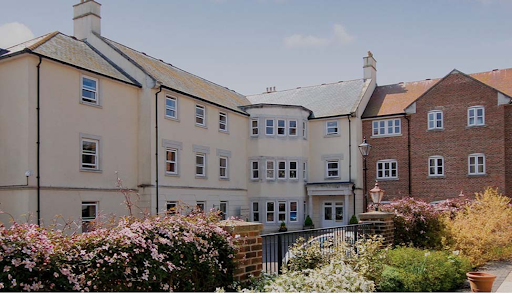
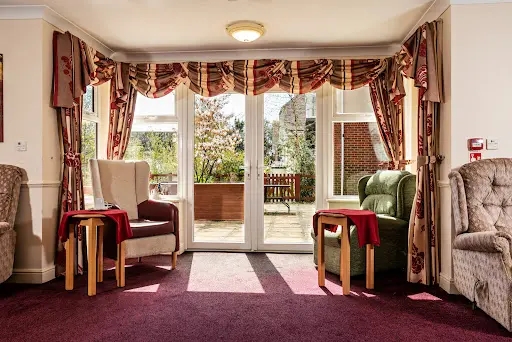
The home maintains clean, well-kept surroundings that families notice when they visit. However, some practical issues have frustrated families, particularly around keeping track of residents' clothing and personal belongings.
“If you're considering Cheriton, it's worth visiting to see how their caring approach might work for your family's needs.”
DCC does not edit or curate content in this tab. For independently curated information, see The Evidence and DCC Verdict.