Cedars Care Home
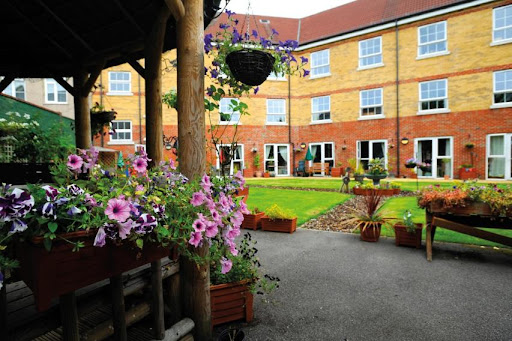
At a Glance
The information you need to decide whether this home warrants a closer look.
Nursing homes
Staff warmth score
of reviewers answered yes
Good to know
- Registered beds48
- SpecialismsCaring for adults over 65 yrs, Caring for adults under 65 yrs, Dementia, Physical disabilities, Sensory impairment
- Last inspected2019-06-29
Save Cedars Care Home to your shortlist
Keep a running list, add visit notes, and compare homes side-by-side. Free account — it takes a minute.
STAGE 4 — RESEARCHING CARE HOMES
Visit homes. Compare them side by side. Choose with confidence.
Most of us will view care homes the way we view houses, impression, atmosphere, the feeling in the corridor. We go home, try to remember what we saw, and make a permanent decision from a blurred memory.

The DCC shortlist gives every home you visit a structured record: the same twelve questions, answered the same way, every time. When you’re ready to choose, pull any two homes side by side and compare them directly. Same criteria, same evidence, your notes and your scores.
The Evidence
What the review data, the inspection reports, and the dementia-care evidence base tell us about this home.
What families say
Families visiting Cedars often comment on the caring nature of the staff team. The home works to maintain an organised atmosphere where residents can feel settled and secure.
The eight family priority themes
- Staff warmth72
- Compassion & dignity74
- Cleanliness68
- Activities & engagement85
- Food quality60
- Healthcare68
- Management & leadership70
- Resident happiness76
What inspectors found
Inspected 2019-06-29
Is this home safe?
Is the care effective?
Effective was rated Good at the May 2019 inspection. This covers training, care planning, healthcare access, nutrition, and whether the home understands the needs of the people living there. The home lists dementia, physical disabilities, and sensory impairment as specialisms, which means effective practice should include tailored approaches for each of these groups. No specific detail about training content, GP access frequency, or food quality is published in the inspection summary.Is this home caring?
Caring was rated Good at the May 2019 inspection. This domain covers how staff interact with the people who live here, whether dignity and privacy are respected, and whether individuals are supported to remain as independent as possible. A Good rating indicates inspectors observed satisfactory interactions and did not find evidence of poor practice. The published summary does not include specific observations or quotes that would allow a more detailed picture.Is the home responsive?
Responsive was rated Outstanding at the May 2019 inspection. This is the strongest possible rating and covers how well the home tailors its approach to individual needs, the quality and variety of activities, how complaints are handled, and end-of-life care. An Outstanding rating in this domain is awarded when inspectors find specific, strong evidence of genuinely personalised engagement rather than a standard group activities programme. This is the clearest strength identified in the published report. The specific evidence supporting the Outstanding rating is not described in the published summary available, which means the detail behind it cannot be confirmed here.Is the home well-led?
Well-led was rated Good at the May 2019 inspection. The registered manager at the time of inspection was Mr Victor Zingoni, with Mr Christopher David Ridgard recorded as the nominated individual. A Good Well-led rating indicates inspectors found functioning governance, a positive culture, and staff who felt supported. No specific detail about management visibility, staff feedback mechanisms, or quality monitoring processes is published in the summary. The review conducted in July 2023 found no evidence requiring a reassessment of the rating.
Source: CQC inspection report →
What the evidence base says
Cedars supports adults both under and over 65, including those with physical disabilities or sensory impairments. The home has experience caring for residents living with dementia. For residents with dementia, the structured environment and regular routines can provide helpful consistency. The team has experience supporting people through different stages of their dementia journey. All areas worth probing directly during a visit.
The DCC Verdict
Our editorial view, built from the three lenses: what families tell us, what inspectors record, and how the home sits against good dementia-care practice.
DCC Family Score
Cedars Care Home scores well above average for activities and engagement, where inspectors rated the home Outstanding, but several other areas lack the specific detail needed to score higher with confidence. The overall picture is positive, with a stable Good rating, though the inspection is now over five years old.
Homes in East typically score 68–82.The three-lens summary
What families tell us
Families visiting Cedars often comment on the caring nature of the staff team. The home works to maintain an organised atmosphere where residents can feel settled and secure.
What inspectors have recorded
The care team at Cedars focuses on maintaining consistent routines and attentive support. Staff members work to understand individual resident needs.
How it sits against good practice
Getting to know Cedars properly means seeing how they support residents day to day.
Worth a visit
Cedars Care Home at 14 Sweyne Avenue, Southend-on-Sea was rated Good overall at its last inspection in May 2019, with an Outstanding rating for how responsive it is to the people who live there. Inspectors found the home safe, effective, and well-led, with kind and caring staff. The Outstanding Responsive rating is significant: inspectors only award this when there is strong, specific evidence of tailored, meaningful engagement with individuals, not just a standard activities programme. The most important caveat is that this inspection took place in May 2019, which is now more than five years ago. A review in July 2023 found no reason to change the rating, but that review was based on available data rather than a fresh visit. A great deal can change in five years, including staffing, management, and culture. When you visit, ask to meet the registered manager, check whether the same team is largely in place, ask specifically about night staffing numbers for a 48-bed home, and observe how staff interact with residents in corridors and communal areas, not just in a formal tour.
The three questions to ask when you visitSave this home. Compare it against your shortlist.
Let our analysis show you how Cedars Care Home measures up against the other homes you’re considering. Free account.
In Their Own Words
How Cedars Care Home describes itself — collected from its own website. DCC has not edited or independently verified the content in this tab.
Where everyday moments become opportunities for genuine care
Dedicated nursing home Support in Southend On Sea
Finding the right care home means looking for a place where professional standards meet personal warmth. Cedars Care Home in Southend On Sea offers residential care for adults of all ages, including those living with dementia or physical disabilities. The home maintains structured routines with regular activities and meals, creating a predictable environment that many residents find reassuring.
Who they care for
Cedars supports adults both under and over 65, including those with physical disabilities or sensory impairments. The home has experience caring for residents living with dementia.
For residents with dementia, the structured environment and regular routines can provide helpful consistency. The team has experience supporting people through different stages of their dementia journey.
“Getting to know Cedars properly means seeing how they support residents day to day.”
DCC does not edit or curate content in this tab. For independently curated information, see The Evidence and DCC Verdict.
The DCC Verdict
Our editorial view, built from the three lenses: what families tell us, what inspectors record, and how the home sits against good dementia-care practice.
DCC Family Score
Cedars Care Home scores well above average for activities and engagement, where inspectors rated the home Outstanding, but several other areas lack the specific detail needed to score higher with confidence. The overall picture is positive, with a stable Good rating, though the inspection is now over five years old.
Homes in East typically score 68–82.The three-lens summary
What families tell us
Families visiting Cedars often comment on the caring nature of the staff team. The home works to maintain an organised atmosphere where residents can feel settled and secure.
What inspectors have recorded
The care team at Cedars focuses on maintaining consistent routines and attentive support. Staff members work to understand individual resident needs.
How it sits against good practice
Getting to know Cedars properly means seeing how they support residents day to day.
Worth a visit
Cedars Care Home at 14 Sweyne Avenue, Southend-on-Sea was rated Good overall at its last inspection in May 2019, with an Outstanding rating for how responsive it is to the people who live there. Inspectors found the home safe, effective, and well-led, with kind and caring staff. The Outstanding Responsive rating is significant: inspectors only award this when there is strong, specific evidence of tailored, meaningful engagement with individuals, not just a standard activities programme. The most important caveat is that this inspection took place in May 2019, which is now more than five years ago. A review in July 2023 found no reason to change the rating, but that review was based on available data rather than a fresh visit. A great deal can change in five years, including staffing, management, and culture. When you visit, ask to meet the registered manager, check whether the same team is largely in place, ask specifically about night staffing numbers for a 48-bed home, and observe how staff interact with residents in corridors and communal areas, not just in a formal tour.
The three questions to ask when you visitSave this home. Compare it against your shortlist.
Let our analysis show you how Cedars Care Home measures up against the other homes you’re considering. Free account.
In Their Own Words
How Cedars Care Home describes itself — collected from its own website. DCC has not edited or independently verified the content in this tab.
Where everyday moments become opportunities for genuine care
Dedicated nursing home Support in Southend On Sea
Finding the right care home means looking for a place where professional standards meet personal warmth. Cedars Care Home in Southend On Sea offers residential care for adults of all ages, including those living with dementia or physical disabilities. The home maintains structured routines with regular activities and meals, creating a predictable environment that many residents find reassuring.
Who they care for
Cedars supports adults both under and over 65, including those with physical disabilities or sensory impairments. The home has experience caring for residents living with dementia.
For residents with dementia, the structured environment and regular routines can provide helpful consistency. The team has experience supporting people through different stages of their dementia journey.
Management & ethos
The care team at Cedars focuses on maintaining consistent routines and attentive support. Staff members work to understand individual resident needs.
The home & environment
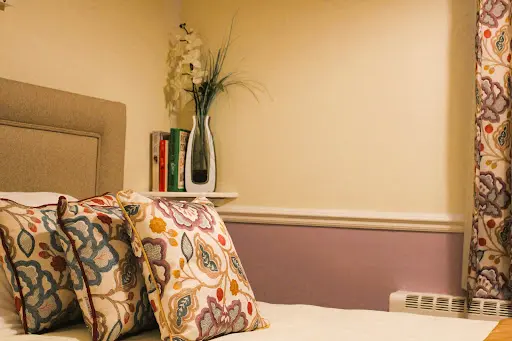
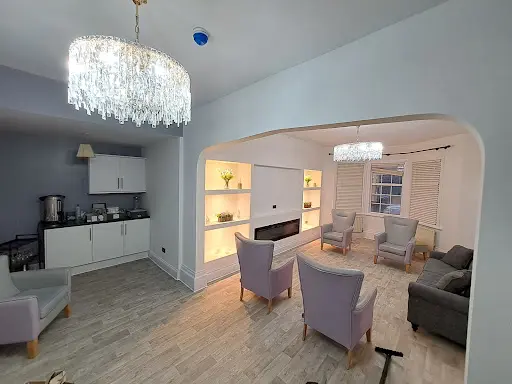
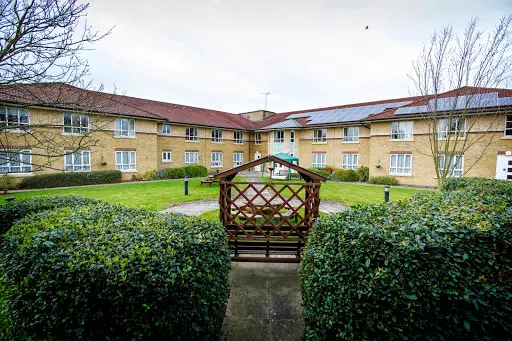
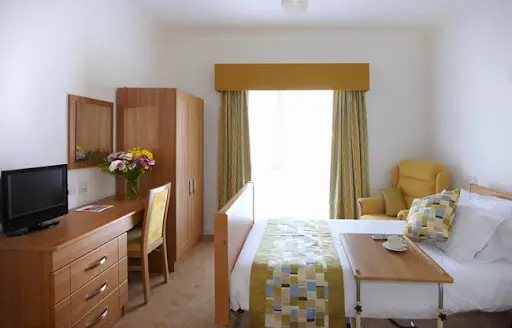
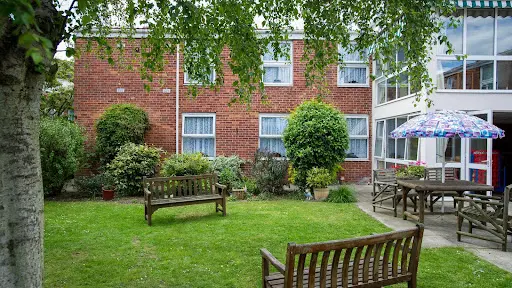
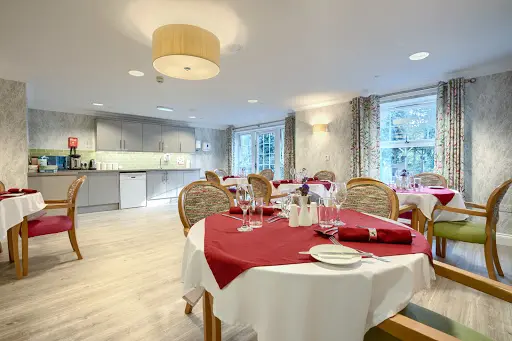
The home provides regular meals throughout the day and organises activities to keep residents engaged. Professional services like hairdressing are available on-site.
“Getting to know Cedars properly means seeing how they support residents day to day.”
DCC does not edit or curate content in this tab. For independently curated information, see The Evidence and DCC Verdict.