Cedar Lodge Care Home

At a Glance
The information you need to decide whether this home warrants a closer look.
Residential homes
Staff warmth score
of reviewers answered yes
Good to know
- Registered beds57
- SpecialismsCaring for adults over 65 yrs, Caring for adults under 65 yrs, Dementia, Mental health conditions
- Last inspected2019-07-10
Save Cedar Lodge Care Home to your shortlist
Keep a running list, add visit notes, and compare homes side-by-side. Free account — it takes a minute.
STAGE 4 — RESEARCHING CARE HOMES
Visit homes. Compare them side by side. Choose with confidence.
Most of us will view care homes the way we view houses, impression, atmosphere, the feeling in the corridor. We go home, try to remember what we saw, and make a permanent decision from a blurred memory.

The DCC shortlist gives every home you visit a structured record: the same twelve questions, answered the same way, every time. When you’re ready to choose, pull any two homes side by side and compare them directly. Same criteria, same evidence, your notes and your scores.
The Evidence
What the review data, the inspection reports, and the dementia-care evidence base tell us about this home.
What families say
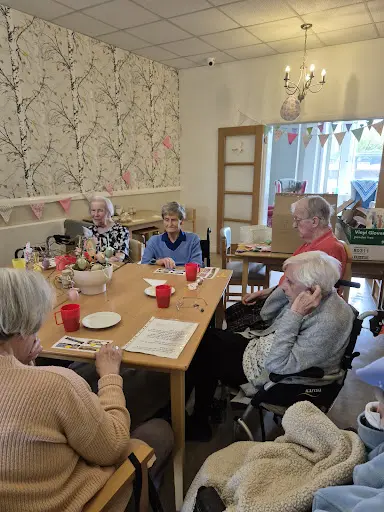
Some families report feeling welcomed by friendly staff during visits. There's mention of staff being approachable when relatives come to see their loved ones, with refreshments offered to visitors.
The eight family priority themes
- Staff warmth72
- Compassion & dignity72
- Cleanliness68
- Activities & engagement82
- Food quality62
- Healthcare70
- Management & leadership70
- Resident happiness75
What inspectors found
Inspected 2019-07-10 Report published 2019-07-10
Is this home safe?
Is the care effective?
The inspection rated this domain Good. The full narrative text was not available for this analysis, meaning specific findings about care plan quality, dementia training content, GP access, and food cannot be drawn from the published report. A Good rating in Effective suggests inspectors were satisfied that the home's staff had the knowledge and skills to support the people living there, and that care plans and health monitoring were in reasonable order.Is this home caring?
The inspection rated this domain Good. Without the full narrative text, specific inspector observations about how staff interacted with the people living at the home, whether people were addressed by preferred names, and whether care was delivered without rush cannot be confirmed from the published findings. A Good rating suggests inspectors did not find significant concerns about the warmth, dignity, or respect shown by staff.Is the home responsive?
The inspection rated this domain Outstanding, the highest rating available, and this is the standout finding at Cedar Lodge. An Outstanding in Responsive means inspectors found strong, specific evidence that the home tailors its approach to the individual needs, preferences, and histories of the people who live there, and that activities and engagement go beyond a standard programme. This is relatively rare across the sector. The home also cares for people with mental health conditions alongside those with dementia, which requires a genuinely responsive approach rather than a one-size model.Is the home well-led?
The inspection rated this domain Good. The home is operated by N. Notaro Homes Limited, with Christopher David Ridgard listed as the nominated individual. Without the full narrative text, specific findings about the manager's visibility, staff culture, governance processes, or how the home handled its improvement from Requires Improvement cannot be confirmed from the published report. A Good rating in Well-led suggests the inspection found adequate oversight and a functioning governance structure.
Source: CQC inspection report →
What the evidence base says
The home cares for adults both over and under 65, with particular experience in dementia and mental health conditions. This dual specialism means they work with younger people facing early-onset conditions as well as traditional elderly care needs. Cedar Lodge supports people at different stages of dementia, including end-of-life care. Some families have been confident enough in the dementia support to choose the home for multiple relatives. All areas worth probing directly during a visit.
The DCC Verdict
Our editorial view, built from the three lenses: what families tell us, what inspectors record, and how the home sits against good dementia-care practice.
DCC Family Score
Cedar Lodge scores 72 out of 100, reflecting a home that has improved from Requires Improvement to Good, with a standout Outstanding rating for responsiveness and activities. Scores in food, cleanliness, and staffing detail are held back because the published inspection report does not contain enough specific evidence to confirm what inspectors observed in practice.
Homes in South West typically score 68–82.The three-lens summary
What families tell us
Some families report feeling welcomed by friendly staff during visits. There's mention of staff being approachable when relatives come to see their loved ones, with refreshments offered to visitors.
What inspectors have recorded
Staff receive recognition for their direct care work, particularly their handling of challenging periods. However, experiences with management communication appear to vary between families.
How it sits against good practice
Given the mixed feedback, visiting Cedar Lodge yourself would help you understand whether their approach fits your family's specific needs.
Worth a visit
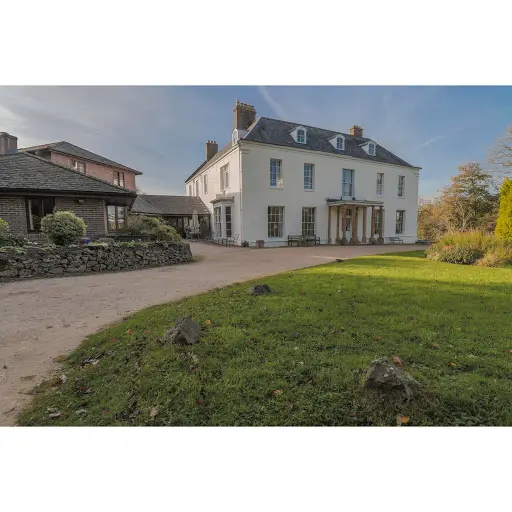
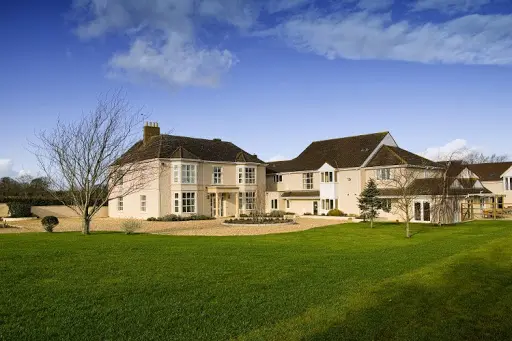
Cedar Lodge on Hope Corner Lane in Taunton was rated Good overall at its last inspection in July 2019, with an Outstanding rating for how it responds to the individual needs and preferences of the people who live there. This is a meaningful improvement from its previous Requires Improvement rating, and the Outstanding in Responsive is the highest grade available. The home supports up to 57 people, including those living with dementia and mental health conditions, and caters for adults both over and under 65. The main limitation of this report is that the full narrative inspection text was not available for analysis, which means specific inspector observations, direct quotes from the people living at the home, and detailed findings about staffing levels, food, and night-time care cannot be verified here. The Outstanding rating for responsiveness is a strong signal, but you should visit the home, ask to see the most recent full inspection report, and speak directly to the manager about what has changed since the previous Requires Improvement rating and what evidence they can show you of sustained improvement.
The three questions to ask when you visitSave this home. Compare it against your shortlist.
Let our analysis show you how Cedar Lodge Care Home measures up against the other homes you’re considering. Free account.
In Their Own Words
How Cedar Lodge Care Home describes itself — collected from its own website. DCC has not edited or independently verified the content in this tab.
Specialist support for complex mental health and dementia needs
Cedar Lodge – Expert Care in Taunton
Cedar Lodge in Taunton provides residential care for adults with mental health conditions and dementia, including those under 65. The home offers specialised support across different age groups, with experience in both younger-onset conditions and traditional elderly care.
Who they care for
The home cares for adults both over and under 65, with particular experience in dementia and mental health conditions. This dual specialism means they work with younger people facing early-onset conditions as well as traditional elderly care needs.
Cedar Lodge supports people at different stages of dementia, including end-of-life care. Some families have been confident enough in the dementia support to choose the home for multiple relatives.
“Given the mixed feedback, visiting Cedar Lodge yourself would help you understand whether their approach fits your family's specific needs.”
DCC does not edit or curate content in this tab. For independently curated information, see The Evidence and DCC Verdict.
The DCC Verdict
Our editorial view, built from the three lenses: what families tell us, what inspectors record, and how the home sits against good dementia-care practice.
DCC Family Score
Cedar Lodge scores 72 out of 100, reflecting a home that has improved from Requires Improvement to Good, with a standout Outstanding rating for responsiveness and activities. Scores in food, cleanliness, and staffing detail are held back because the published inspection report does not contain enough specific evidence to confirm what inspectors observed in practice.
Homes in South West typically score 68–82.The three-lens summary
What families tell us
Some families report feeling welcomed by friendly staff during visits. There's mention of staff being approachable when relatives come to see their loved ones, with refreshments offered to visitors.
What inspectors have recorded
Staff receive recognition for their direct care work, particularly their handling of challenging periods. However, experiences with management communication appear to vary between families.
How it sits against good practice
Given the mixed feedback, visiting Cedar Lodge yourself would help you understand whether their approach fits your family's specific needs.
Worth a visit
Cedar Lodge on Hope Corner Lane in Taunton was rated Good overall at its last inspection in July 2019, with an Outstanding rating for how it responds to the individual needs and preferences of the people who live there. This is a meaningful improvement from its previous Requires Improvement rating, and the Outstanding in Responsive is the highest grade available. The home supports up to 57 people, including those living with dementia and mental health conditions, and caters for adults both over and under 65. The main limitation of this report is that the full narrative inspection text was not available for analysis, which means specific inspector observations, direct quotes from the people living at the home, and detailed findings about staffing levels, food, and night-time care cannot be verified here. The Outstanding rating for responsiveness is a strong signal, but you should visit the home, ask to see the most recent full inspection report, and speak directly to the manager about what has changed since the previous Requires Improvement rating and what evidence they can show you of sustained improvement.
The three questions to ask when you visitSave this home. Compare it against your shortlist.
Let our analysis show you how Cedar Lodge Care Home measures up against the other homes you’re considering. Free account.
In Their Own Words
How Cedar Lodge Care Home describes itself — collected from its own website. DCC has not edited or independently verified the content in this tab.
Specialist support for complex mental health and dementia needs
Cedar Lodge – Expert Care in Taunton
Cedar Lodge in Taunton provides residential care for adults with mental health conditions and dementia, including those under 65. The home offers specialised support across different age groups, with experience in both younger-onset conditions and traditional elderly care.
Who they care for
The home cares for adults both over and under 65, with particular experience in dementia and mental health conditions. This dual specialism means they work with younger people facing early-onset conditions as well as traditional elderly care needs.
Cedar Lodge supports people at different stages of dementia, including end-of-life care. Some families have been confident enough in the dementia support to choose the home for multiple relatives.
Management & ethos
Staff receive recognition for their direct care work, particularly their handling of challenging periods. However, experiences with management communication appear to vary between families.
The home & environment
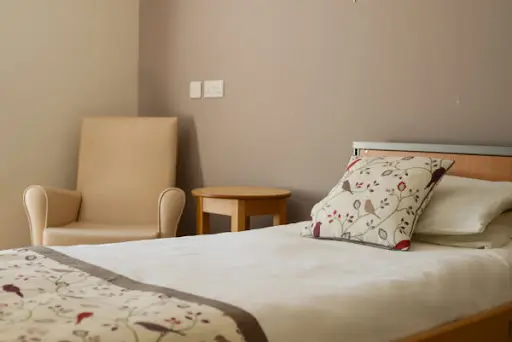
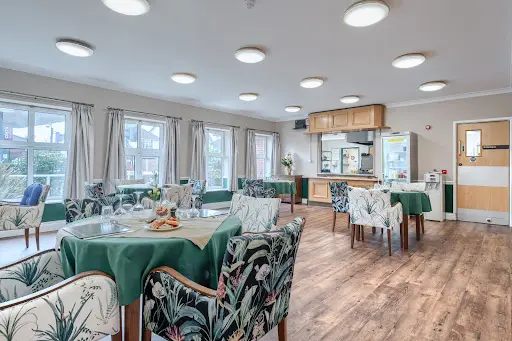
The home serves meals that several visitors have found appetising and well-presented. Some have noted clean facilities when visiting.
“Given the mixed feedback, visiting Cedar Lodge yourself would help you understand whether their approach fits your family's specific needs.”
DCC does not edit or curate content in this tab. For independently curated information, see The Evidence and DCC Verdict.